
Madagascar Petit Budget : Comment Voyager sur l’Île Sans Se Ruiner

Divulgation : Cet article contient des liens affiliés. Si vous réservez ou achetez via ces liens, nous recevons une petite commission sans frais supplémentaires pour vous. Merci de soutenir Voyagiste Madagascar !
Madagascar a la réputation d’être une destination coûteuse — et elle peut l’être, si vous réservez tout via des lodges internationaux et des opérateurs de voyage privés. Mais pour les voyageurs prêts à être flexibles, utiliser les transports locaux, manger là où mangent les Malgaches et planifier leurs propres itinéraires, Madagascar est étonnamment abordable. Un budget journalier réaliste pour un voyage confortable mais pas extravagant est de 35 à 60 €/jour. Ce guide couvre l’hébergement budget, le transport économique, bien manger à petit prix, les droits d’entrée des parcs nationaux et les dépenses stratégiques qui valent le coût même avec un budget serré.
Hébergement Budget à Madagascar
Guesthouses & Chambres d’Hôtes
L’épine dorsale de l’hébergement budget à Madagascar est la guesthouse familiale (chambre d’hôtes). Des chambres propres avec salle de bains privée, petit-déjeuner inclus et service personnel chaleureux coûtent de 12 à 25 €/nuit dans tout le pays. Ces établissements se trouvent dans chaque ville, chaque bourg d’entrée de parc national et chaque village côtier. Réserver directement par e-mail ou téléphone — plutôt que via des plateformes internationales qui ajoutent 15 à 20% de majoration — permet souvent d’obtenir le meilleur tarif. Demandez toujours si le petit-déjeuner est inclus et s’ils peuvent aider à organiser le transport local.
Campings des Parcs Nationaux
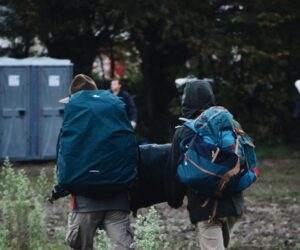
Plusieurs parcs nationaux de Madagascar gérés par Madagascar National Parks (MNP) disposent d’infrastructures de camping. Camper dans les parcs d’Isalo, Ranomafana et Montagne d’Ambre coûte de 10 000 à 20 000 MGA (2–4 €) par personne et par nuit. Il vous faut votre propre tente, sac de couchage et équipement de cuisine. C’est la façon la plus immersive et la plus atmosphérique de vivre les parcs, et entendre les sons nocturnes d’une forêt tropicale malgache depuis l’intérieur d’une tente est inoubliable. Confirmez la disponibilité des emplacements auprès du bureau du ranger du parc avant de partir pour tout camping éloigné.
Auberges & Dortoirs
Les hébergements de type auberge avec dortoirs existent à Antananarivo et Nosy Be mais sont limités par rapport à l’Afrique de l’Est ou l’Asie du Sud-Est. Les lits en dortoir coûtent de 25 000 à 40 000 MGA (5–8,50 €) par nuit. Plusieurs guesthouses dans les quartiers de Behoririka et Tsaralalàna à Antananarivo fonctionnent de facto comme des hubs de routards, avec des espaces communs, des services de réservation de circuits et des compagnons de voyage partageant transport et frais de guide — une économie significative quand les droits d’entrée des parcs et les randonnées guidées obligatoires sont divisés entre un groupe.
Transport Économique à Madagascar
Taxi-Brousse
Le système de transport public inter-villes de Madagascar — le taxi-brousse — est constitué de minibus partagés sur des routes fixes entre villes et bourgs. Les prix sont extraordinairement bas selon tout standard international : Antananarivo à Fianarantsoa (250 km, 6 à 8 heures) coûte environ 25 000–35 000 MGA (5–7 €). Tana à Toamasina revient à 20 000–30 000 MGA. Les compromis sont évidents : horaires de départ fixes (souvent à l’aube), qualité variable des véhicules, sièges serrés et durées de trajet imprévisibles quand l’état de la route se dégrade. Malgré ces réalités, le taxi-brousse est la façon dont la plupart des Malgaches voyagent sur de longues distances et c’est une expérience culturelle authentique.
Taxis Partagés & Collectifs
Pour les trajets régionaux plus courts, les taxis partagés (taxi-be en zone urbaine, taxi collectif entre villes) partent quand ils sont pleins depuis des gares fixes. Les prix sont négociés par place. À Antananarivo, le réseau de minibus urbains couvre la plupart des quartiers pour 500–1 000 MGA par trajet (0,10–0,20 €) — le transport urbain le moins cher du monde. Connaître les principales gares de taxi-brousse dans chaque ville déverrouille un niveau de voyage indépendant que la plupart des touristes ratent entièrement.
Vols Intérieurs
Le réseau routier de Madagascar est notoirement difficile — de longues distances sur des surfaces rugueuses peuvent consumer des jours de voyage. Pour les voyageurs à petit budget avec un temps limité, les vols intérieurs sont parfois le choix le plus logique. Air Madagascar et Tsaradia (filiale domestique) relient Antananarivo avec Nosy Be, Toamasina, Mahajanga, Toliara et Fort Dauphin. Les tarifs aller simple sont d’environ 60 à 150 € selon la route et la réservation à l’avance. Réservés longtemps à l’avance, certaines routes domestiques approchent les coûts du taxi-brousse ajustés au temps une fois que vous tenez compte d’une nuit d’hébergement économisée en volant.
Bien Manger avec un Petit Budget à Madagascar
Cantines Locales (Hotely)
L’hotely malgache est un petit restaurant généralement tenu par une famille servant de la cuisine traditionnelle aux prix que paient réellement les locaux. Un repas complet — riz avec ragoût de zébu, légumes verts braisés et une petite salade — coûte de 3 000 à 7 000 MGA (0,60–1,50 €). Pas de menus en anglais, souvent pas de menus du tout — vous pointez ce que mangent les autres ou demandez ce qui est disponible. La nourriture est simple, généreuse et nourrissante. Manger dans les hotely au déjeuner et au dîner est l’un des moyens les plus efficaces d’étirer un budget voyage à Madagascar sans sacrifier la qualité de l’expérience.
Street Food
La scène street food de Madagascar est excellente et sûre quand vous choisissez des étals animés. Le petit-déjeuner du matin de mofo baolina (beignets frits) avec du thé chaud coûte moins de 1 000 MGA (0,20 €). Les brochettes du déjeuner (brochettes de zébu) coûtent de 1 000 à 2 000 MGA chacune. Les marchés du soir dans la plupart des villes de province proposent du maïs grillé, des pastels de style samoussas, des cacahuètes grillées et des confiseries à la noix de coco à des prix dérisoires. Une journée à manger exclusivement chez des vendeurs de rue en province malgache coûte moins de 10 000 MGA (2 €) — une valeur remarquable selon toute comparaison mondiale.
Cuisine Maison & Marchés
Les marchés de produits frais dans chaque ville malgache sont extraordinairement bon marché. Fruits tropicaux, légumes, œufs, pain, riz et épices sont disponibles à des prix qui rendent la cuisine très pratique pour ceux qui campent ou séjournent dans des guesthouses avec accès à une cuisine. Une semaine de provisions de petit-déjeuner (fruits, pain, œufs, café) coûte moins de 50 000 MGA (10 €). Achetez des gousses de vanille directement auprès des agriculteurs ou des marchands — vous paierez 5 à 10% des prix des supermarchés européens pour une meilleure qualité.
Ressources de Voyage
Visites & Activités : Découvrez les excursions à la journée, sorties guidées et expériences culturelles à Madagascar sur GetYourGuide — réservation instantanée, annulation gratuite sur la plupart des visites.
Plus d’Expériences : Explorez des centaines de visites et activités à Madagascar sur Viator — lisez les avis de voyageurs et réservez en toute confiance.
Assurance Voyage : Protégez votre aventure à Madagascar avec SafetyWing Nomad Insurance — couverture médicale et voyage abordable dès 45,08 $/mois.
Location de Voiture : Comparez les offres de location de voiture à Madagascar sur Carla — trouvez les meilleurs tarifs auprès d’agences locales et internationales de confiance.
Questions Fréquemment Posées
Quel est le moyen le moins cher de voyager à Madagascar ?
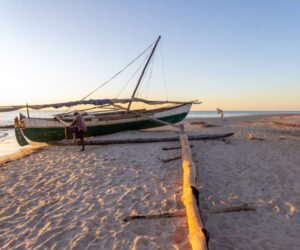
Le taxi-brousse (minibus partagés) est le transport inter-villes le moins cher de loin — des trajets qui coûtent 5 à 7 € en taxi-brousse peuvent coûter 60 à 150 € en vols intérieurs. Pour les déplacements en ville, les minibus urbains à Antananarivo coûtent moins de 0,20 €/trajet. Pour les zones côtières, les pirogues locales (canoës creusés) sont le transport maritime le moins cher. Combiner le taxi-brousse avec des vols intérieurs stratégiques occasionnels pour les plus longues routes est l’approche budget optimale pour la plupart des itinéraires.
Quel budget prévoir par jour à Madagascar ?
Budget strict (auberge/camping, cuisine locale, taxi-brousse) : 20–35 €/jour. Budget confortable (guesthouse avec petit-déjeuner, mix restaurants et cantines, taxi occasionnel) : 35–60 €/jour. Milieu de gamme (chambres privées, excursions guidées, transport mixte) : 70–120 €/jour. Notez que les droits d’entrée des parcs nationaux (8–15 €/jour) et les guides obligatoires (10–20 €/jour) sont des coûts fixes qui affectent tous les budgets de la même façon — intégrez-les pour tout itinéraire incluant des zones protégées.
Quelles sont les dépenses incontournables à Madagascar ?
Quel que soit votre budget, prévoyez : vols internationaux aller-retour (600–1 200 € depuis l’Europe), visa à l’arrivée (28–35 €), droits d’entrée des parcs nationaux de Madagascar (8–15 €/jour par parc), guides obligatoires des parcs (10–20 €/demi-journée) et assurance voyage (50–100 € pour un voyage de 2 à 3 semaines). Ces coûts fixes totalisent environ 700 à 1 300 € avant que vous mangiez ou dormiez quelque part — intégrez-les dans votre calcul de budget total de voyage.
Madagascar est-elle moins chère que d’autres destinations africaines ?
Oui et non. Les coûts quotidiens — nourriture locale, hébergement en guesthouses et transport public — sont véritablement parmi les plus bas d’Afrique. Mais les droits d’entrée des parcs nationaux, les activités guidées obligatoires et les voyages intérieurs (surtout les vols intérieurs) rendent Madagascar comparable en coût total de voyage aux destinations safari d’Afrique de l’Est. La différence clé est que les voyageurs à petit budget peuvent réduire drastiquement leurs dépenses en utilisant les transports locaux et en mangeant local — des options qui n’existent pas aussi facilement dans les destinations safari haut de gamme.
Trouve-t-on des distributeurs dans les zones reculées de Madagascar ?
Non — prévoyez d’emporter tout l’argent liquide nécessaire en quittant Antananarivo ou une grande ville. Les villes de province (Fianarantsoa, Toamasina, Mahajanga, Toliara) ont quelques distributeurs mais les stocks s’épuisent pendant la haute saison touristique et le réapprovisionnement est imprévisible. Les entrées de parcs nationaux et les stations balnéaires reculées ont rarement des distributeurs. Retirez suffisamment d’ariary à Antananarivo pour couvrir tout votre itinéraire inland ou côtier plus une réserve d’urgence de 20%. C’est la règle de gestion d’argent la plus importante pour les voyages budget à Madagascar.



1 réponse
[…] http://voyagiste-madagascar.com/2011/02/vocabulaires-et-expressions-pour-le-voyage/ Share this:TwitterFacebook"Aimer" ceci :"J'aime"Soyez le premier à aimer ce post. […]