Madagascar Food Culture: Eating Habits, Traditions, and Culinary Identity Explained (2026 Guide)
At a Glance
- Book tours: Browse Madagascar tours on GetYourGuide
Disclosure: This post contains affiliate links. We may earn a small commission if you book through our links, at no extra cost to you.
When travelers search for Madagascar food culture, they are not only interested in what people eat, but also how, when, and why they eat it. Food in Madagascar is deeply tied to identity, family structure, and daily rhythm. It is not just about nutrition — it is about connection, tradition, and community.
Malagasy food culture is shaped by simplicity and continuity. Meals follow predictable patterns, ingredients are locally sourced, and eating is often a shared experience rather than an individual one. Understanding this culture helps travelers appreciate why food in Madagascar feels so different from many other destinations.
Plan your Madagascar trip: Browse guided tours and experiences on GetYourGuide and Viator. Book in advance during peak season.
The Foundation of Madagascar Food Culture: Rice as Identity
At the heart of Malagasy food culture is rice. It is not just a staple food — it is a cultural anchor. In Madagascar, saying a meal without rice is like saying a meal is incomplete. Rice is eaten daily, often multiple times per day. It symbolizes stability and prosperity, connects rural farming to urban life, and is central to both everyday meals and celebrations.
This reflects how deeply embedded rice is in Malagasy cultural identity — more than just a carbohydrate, it is the foundation of social and family life.
Meal Structure in Madagascar
Madagascar food culture follows a structured and predictable daily rhythm:
- Breakfast: Light and quick — rice cakes (mofo gasy), coffee, or simple leftovers
- Lunch: The main and most important meal of the day — rice with meat, stew, or seafood
- Dinner: Lighter, often similar in composition to lunch
This structure is consistent across both rural and urban areas, though content varies depending on availability and income level.
Shared Meals and Family Eating Traditions
One of the most important aspects of Malagasy food culture is communal eating. Meals are often shared from a central dish, families eat together whenever possible, and food is rarely individually plated in rural homes. Hospitality is strongly tied to offering food — refusing it in some contexts may even be considered impolite.
Health & Safety Essentials for Madagascar
Madagascar Has Some of the Highest Malaria Risk in the World
The rainforests of Andasibe, the wetlands of Morondava, the rice paddies outside every village — mosquitoes are relentless and bite at dusk and dawn. DEET burns skin and destroys gear. Natrapel 20% Picaridin is the CDC-recommended alternative that repels mosquitoes, ticks, and sandflies for up to 12 hours without damaging your equipment.
Check current price and availability on Amazon →
Madagascar’s Water Will Make You Sick — Unless You’re Carrying This
Tap water in Madagascar is not safe to drink anywhere — and the real danger is viruses (cholera, typhoid, hepatitis A) that standard filters don’t remove. The Grayl GeoPress removes viruses, bacteria, protozoa, and heavy metals in one 8-second press. Fill from any tap or river. Press. Drink. No chemicals, no waiting.
Check current price and availability on Amazon →
A Lighter Way to Never Pay for Bottled Water Again in Madagascar
Trekking through Isalo, cycling the RN7 — bottled water is bulky, expensive, and gone in an hour under Madagascar’s sun. The LifeStraw Go filters bacteria, parasites, and microplastics directly through the straw as you drink. No pumping, no waiting, no chemicals. Under $35 — the lightest way to guarantee safe hydration across Madagascar.
Check current price and availability on Amazon →
Travel insurance: Protect your trip with SafetyWing (flexible, affordable) or World Nomads (adventure coverage). Essential for Madagascar.
Traditional Cooking Methods in Madagascar
Food preparation in Madagascar is generally simple and based on traditional techniques passed down through generations:
- Boiling — especially for stews and rice dishes
- Slow cooking — for meats and leafy greens like romazava
- Grilling over charcoal — especially for skewers and fish
- Steaming in banana leaves — for traditional sweets like koba
These methods prioritize natural flavor over complex seasoning, reflecting the Malagasy approach to food as nourishment and tradition rather than culinary performance.
The Role of Street Food in Food Culture
Street food is a major part of everyday Malagasy life, especially in cities and towns. It provides affordable daily meals, supports the local informal economy, serves as a social gathering point, and reflects regional culinary identity. Street food is not considered separate from “real food” in Madagascar — it is an essential part of daily eating habits.
Related articles:
Food Culture in Rural vs Urban Madagascar
Rural Food Culture
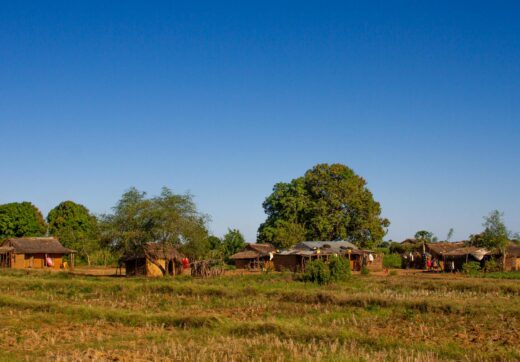
Strong reliance on agriculture and home-cooked meals. Food is closely tied to farming cycles and seasonal production. Traditional preparation methods dominate, with very little processed or imported food. Meals are deeply connected to the land and the rhythms of rural life.
Urban Food Culture
More diverse food options with influence from French and international cuisine. Increased restaurant dining and greater use of processed and imported goods. Urban areas show a blend of traditional and modern food habits, especially in Antananarivo.
Coastal Food Culture in Madagascar
Coastal regions, including islands like Nosy Be, have a distinct food identity shaped by the ocean. Key features include heavy reliance on seafood, frequent use of coconut milk, lighter and more tropical flavors, and daily access to fresh fish and shellfish. Seafood is not a luxury in coastal areas — it is a daily part of life.
Cultural Significance of Specific Dishes
| Dish | Cultural Meaning |
|---|---|
| Romazava | Symbol of national identity; everyday comfort food eaten across all regions |
| Ravitoto | Traditional rural dish; strongly associated with home cooking and Malagasy heritage |
| Zebu meat | Often associated with wealth, celebration, and important gatherings |
| Koba | Traditional sweet tied to markets, festivals, and travel |
Food and Hospitality in Madagascar
Hospitality is an important part of Malagasy culture, and food plays a central role in welcoming guests. Offering rice-based meals to visitors, sharing available food regardless of quantity, and preparing extra portions for unexpected guests are common practices. Treating food sharing as a sign of respect is deeply embedded in Malagasy values.
Seasonal Influence on Food Culture
Rainy season: More vegetables and leafy greens, increased rice production, fresh produce availability, lighter and more varied meals.
Dry season: Heavier reliance on stored foods, more meat-based dishes, reduced vegetable variety. Seasonality is a natural and accepted part of Malagasy eating habits.
Drinks in Malagasy Food Culture
Common drinks include strong, sweet coffee; sugarcane juice; bottled water in urban areas; and local rum (rhum arrangé) in social settings. Drinks are usually secondary to food but remain an important part of social gatherings and hospitality.
Plan Your Madagascar Adventure
- GetYourGuide — Guided tours, food experiences, and excursions
- Viator — Island hops, wildlife safaris, coastal tours
- Agoda — Hotels across Madagascar
- Carla — Car rentals for independent travel
- SafetyWing — Travel insurance for your trip
Modern Influences on Food Culture
While traditional food culture remains strong, modern influences are gradually changing eating habits. These include increased availability of fast food in cities, growth of international restaurants in tourist areas, more packaged and imported goods, and influence of global food trends through media and tourism. Despite this, traditional Malagasy cuisine remains dominant in daily life.
Frequently Asked Questions
What is Madagascar food culture like?
It is centered on rice, shared meals, simplicity, and strong community connections.
What is the main food in Madagascar culture?
Rice is the most important food, eaten at virtually every meal by virtually everyone.
Is street food part of Madagascar food culture?
Yes, it is a major and respected part of daily life, especially in cities and market towns.
What is the most important meal in Madagascar?
Lunch is typically the most important and substantial meal of the day.
Do people in Madagascar eat together?
Yes, family-style shared meals are very common and culturally important.
Final Thoughts
Food culture in Madagascar is a reflection of the island itself — simple, deeply rooted, and strongly connected to community life. Meals are not rushed or overly complex; they are shared moments that reinforce family ties and cultural identity. For travelers, understanding this culture transforms food from something you consume into something you experience — a genuine way to connect with people, traditions, and the rhythm of everyday life in Madagascar.
Ready to explore Madagascar? Book tours on GetYourGuide or Viator, accommodation on Agoda, and travel insurance with SafetyWing.
Flight delayed or cancelled? Flights to Madagascar often connect through Paris or Nairobi. EU regulation EC 261 may entitle you to up to €600 in compensation. Check your claim free on AirAdvisor →
Plan Your Trip to Madagascar
- Read the full Madagascar Travel Guide
- Explore itineraries by style and duration
- Explore the full destination guide
Where to Stay