Nosy Be: The Complete Travel Guide to Madagascar’s Top Island Destination

Disclosure: This post contains affiliate links. If you book or buy through our links, we may earn a small commission at no extra cost to you. Thank you for supporting Voyagiste Madagascar!
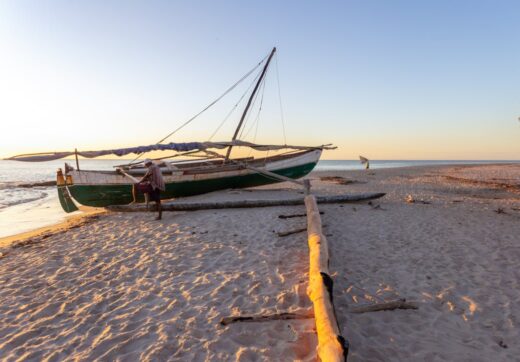
Nosy Be is Madagascar’s most visited tourist destination, and the island’s popularity is entirely justified. Situated 8km off the northwestern coast of the main island, this compact volcanic island — 18km across at its widest — packs an extraordinary variety of natural and cultural experiences into manageable geography: beaches ranked among the finest in the Indian Ocean world, dive sites with genuine big-fish encounters including whale sharks and manta rays, warm-water coral reefs suitable for snorkeling at every level, thick inland forests with lemurs and chameleons, ylang-ylang and vanilla plantations filling the air with fragrance, and the Donia music festival that draws tens of thousands of visitors each year. Infrastructure is the best in Madagascar outside Antananarivo: reliable domestic flights, a range of accommodation from budget to luxury, functional dive centers, restaurant variety, and the organizational capacity to handle significant tourist traffic. This guide covers everything you need for a Nosy Be visit, from planning to departure.
Getting to Nosy Be and Getting Around
Flights and Sea Access
Nosy Be (Fascène Airport, code NOS) receives direct domestic flights from Antananarivo and occasionally from other Malagasy cities with Air Madagascar and other regional carriers. Flight time from Antananarivo is approximately 1 hour. During peak season (June–August) and around the Donia Festival (May–June), flights book out quickly — booking two to three months in advance is essential. Some travelers access Nosy Be via ferry from the mainland port of Ankify (north of Ambanja, 3–4 hours overland from Diego Suarez). Speedboats make the 45-minute crossing multiple times daily; larger slow ferries operate less frequently. The crossing is scenic in good conditions and can be rough in moderate swell. Combining a ferry crossing with an overland route through the northwest can work well within a broader Madagascar itinerary that includes time in Diego Suarez or the Tsingy area.
Getting Around the Island
Nosy Be is small enough to circumnavigate by vehicle in half a day, and the island is well-served by several transport modes. Scooter rental (available from numerous operators near the Ambatoloaka beach area and Hell-Ville town center) is the most popular independent transport option — affordable, flexible, and appropriate for the island’s road quality. Taxis are available in Hell-Ville and Ambatoloaka for inter-neighborhood transport. Walking is pleasant in the beach areas but impractical for cross-island journeys. Day trips to surrounding islands (Nosy Komba, Nosy Tanikely, Nosy Iranja, Sakatia) are organized by virtually all hotels and operate by speedboat, taking 15–60 minutes depending on destination. For diving and snorkeling, most hotels either have an in-house dive center or firm partnerships with nearby operators — dive boat transport to sites is included in standard dive packages.
When to Visit
Nosy Be is a year-round destination with distinct seasonal character. The dry season (April–November) offers the best overall conditions: calm seas, clear skies, excellent diving visibility (often 20–30m), and comfortable temperatures. June–August is peak season, with the most visitors and the highest prices but also the best weather. The Donia Festival in May–June adds a massive cultural attraction. The whale shark season runs from May to September, with sightings concentrated around the Nosy Be marine park and the waters between Nosy Be and the mainland. Humpback whale watching (particularly around Nosy Iranja and the channel between Nosy Be and the Radama Islands) is best from July to September. The wet season (December–March) brings higher temperatures, afternoon rain, and the occasional cyclone influence — seas can be rough and diving conditions variable, but this is also when the landscape is most lushly green and prices are at their lowest.
What to Do on Nosy Be
Beaches and Water Sports
Ambatoloaka is the main beach strip — a long, wide, palm-backed beach with multiple hotels, restaurants, and beach bars that creates a bustling yet genuinely beautiful beach scene. The water is generally calm and suitable for swimming at most states of tide, though seaweed washing ashore can be an aesthetic nuisance in certain seasons. The Madirokely beach area (adjacent to Ambatoloaka) is slightly quieter and backed by more laid-back accommodation. For complete beach seclusion on Nosy Be itself, hiring a scooter or taxi to reach the beaches on the island’s northwestern and southern sides rewards the modest additional effort with significantly fewer people. Water sports available on and around Nosy Be include scuba diving (multiple PADI-certified centers), whale shark snorkeling (May–September), whale watching (July–September), kite surfing (seasonal, dependent on wind patterns), paddleboarding, kayaking, and glass-bottom boat snorkeling tours suitable for non-swimmers and families. Dolphin watching boat trips are reliable throughout the dry season — bottlenose and spinner dolphins are regularly encountered in the channel between Nosy Be and the mainland.
Inland Experiences
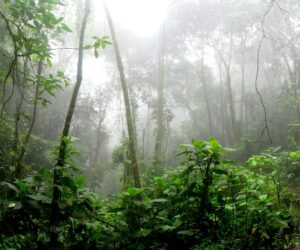
Beyond the beaches, Nosy Be’s interior offers experiences that many visitors miss entirely. The island’s central area contains thick forest — Lokobe Nature Reserve is the only intact primary forest remaining on Nosy Be, home to black lemurs (a species endemic to the Nosy Be area), ring-tailed mongoose, chameleons, and numerous bird species. Access to Lokobe requires a local guide (mandatory for the reserve) and is possible by boat around the southern tip of the island. The ylang-ylang distillery at Millot Plantations near Manongarivo is one of the world’s largest producers of this floral essential oil — visits to the distillery and surrounding plantation demonstrate both the agricultural scale of the industry and the sensory power of ylang-ylang at source. Vanilla groves in the island’s interior are accessible through several plantation tour operators. The Hell-Ville town center — with its covered market, waterfront, and characteristic northwest Madagascar architecture — rewards an hour of unhurried walking as a complement to beach days.
Day Trip Islands
The islands surrounding Nosy Be are among the greatest assets of the destination, each offering a distinct experience within a short boat ride. Nosy Komba (20 minutes by speedboat) has a fishing village with a population of habituated brown lemurs that interact freely with visitors — the experience of sitting surrounded by curious, gentle lemurs in a village garden is extraordinary and unlike any national park encounter. Nosy Tanikely Marine Reserve (30 minutes) is the best snorkeling site in the Nosy Be area: the protected coral reef around this small island has largely recovered from historical damage and supports dense reef fish populations, turtles, and occasional reef sharks in clear, calm water accessible by swimming from the beach. Nosy Iranja (60+ minutes by speedboat) requires more commitment but delivers one of Madagascar’s most spectacular beach experiences: a twin-island connected at low tide by a dazzling white sandbar surrounded by turquoise shallow water, with a historic lighthouse on the larger island and excellent snorkeling in the surrounding reef.
Travel Resources
Tours & Activities: Browse Madagascar tours on GetYourGuide — day trips, cultural experiences, and guided excursions.
Experiences: Explore Madagascar experiences on Viator — top-rated local tours and adventures.
Travel Insurance: SafetyWing Nomad Insurance — affordable health and travel coverage for long-term travelers.
Car Rental: Compare car rentals in Madagascar on Carla — find the best deals from top rental companies.
FAQ — Nosy Be Travel Guide
How many days should I spend on Nosy Be?
Five to seven days is the optimal stay for visitors who want to experience both the beaches and the activities Nosy Be offers without rushing. A five-day visit allows: two beach/snorkeling days, a dive day (two dives), a day trip to Nosy Tanikely and Nosy Komba, a day trip to Nosy Iranja, an afternoon at Lokobe reserve, and Hell-Ville market exploration. Travelers with more time (10 days or more) can use Nosy Be as a base for multi-day excursions including overnight trips to Ankarana Reserve (lemurs, tsingy, bat caves) and the Radama Islands. Short-stay visitors (3–4 nights) should prioritize Nosy Tanikely snorkeling and the Nosy Komba lemurs as the most essential experiences if time is limited.
Is Nosy Be suitable for families with children?
Nosy Be is one of Madagascar’s most family-friendly destinations. The calm lagoon water is safe for children, the Nosy Komba lemur experience delights all ages, and the island’s compact geography means nothing is far. Several hotels have family rooms, children’s pools, and structured activities. The snorkeling at Nosy Tanikely Marine Reserve is accessible for children who are competent swimmers, and the glass-bottom boat option provides the marine life experience for younger or less confident children. The main practical challenge for families is the distance from Antananarivo (one hour by air) and ensuring children are up to date on recommended vaccinations and taking antimalarial medication if prescribed for the region. The island’s medical facilities are basic — comprehensive travel insurance with evacuation coverage is essential for family travel to Nosy Be.
What is the best dive site around Nosy Be?
The dive site selection around Nosy Be is genuinely excellent, with different locations suiting different experience levels and interests. For manta ray encounters, the Ambariobe and Mitsio Islands area (accessed by liveaboard or multi-day trip) delivers the most reliable sightings in season. For reef diversity at accessible depths (15–25m), the Nosy Sakatia reef systems and the underwater walls around Nosy Tanikely are consistently impressive. For whale shark encounters (May–September), surface snorkeling rather than diving is the standard approach — dive centers run dedicated whale shark boat trips to known aggregation areas. For advanced divers seeking current-driven, big-fish action, the northern reefs accessible from Nosy Be dive centers see schooling fish, sharks, and occasional whale encounters at depths of 20–40m. Dive centers in Ambatoloaka include several long-established operations with good safety records and experienced local guides — always verify that dive operators have current PADI certification and adequate insurance before booking.
What should I budget for a week on Nosy Be?
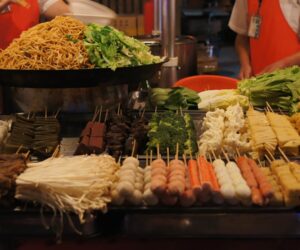
Budget ranges for Nosy Be vary enormously depending on accommodation choice. At the budget end: basic guesthouses run 30,000–60,000 ariary per night (roughly €7–15), street food and local restaurants cost 10,000–20,000 ariary per meal, and the main costs are activities. At the mid-range: comfortable hotels with breakfast included run 100,000–250,000 ariary per night (€25–60), and a week with reasonable restaurant meals, dive days, and island trips costs 1,000,000–2,000,000 ariary (€250–500) for accommodation and activities combined. At the luxury end: Nosy Be has several resort properties charging 500,000–1,500,000 ariary per night (€125–375), with all-inclusive packages significantly simplifying planning. Activities pricing: PADI dive including boat and equipment costs approximately 100,000–150,000 ariary per dive (€25–37); island day trips 80,000–150,000 ariary per person (€20–37); whale shark snorkeling 100,000–200,000 ariary (€25–50).
Are there any issues or concerns I should know about before visiting Nosy Be?
A few practical realities about Nosy Be that some visitors find surprising: the town of Hell-Ville (officially Andoany) has a more complex social environment than the beach resort areas — petty crime, hawkers, and nighttime street activity require more awareness than the resort zones. Power outages (délestage) are common across Madagascar including Nosy Be, and even mid-range hotels rely on generator backup; very basic accommodation may have limited generator hours. The road between Hell-Ville and Ambatoloaka carries significant scooter traffic and has a poor accident record — drive conservatively, always wear a helmet, and avoid night scooter driving. Beach hawkers selling crafts, tours, and services can be persistent at the main Ambatoloaka beach; a firm, polite “tsy mila” (I don’t need) in Malagasy is universally effective. Finally, the travel distance from the nearest major hospital (Diego Suarez, several hours away by air) means medical emergencies on Nosy Be are serious logistical challenges — preventive health management (antimalarials, sun protection, water safety) is more important here than in many tourism destinations.