Eco Tourism Lodges in Madagascar: Sustainable Travel at Its Best
At a Glance
- Where to stay: Check hotel availability on Agoda — Madagascar
- Book tours: Browse Madagascar tours on GetYourGuide
This post contains affiliate links. We may earn a small commission at no extra cost to you.
Madagascar’s eco-tourism lodges offer travelers an authentic way to experience the island’s extraordinary biodiversity while supporting conservation efforts. From rainforest sanctuaries to coastal retreats, these sustainable accommodations combine comfort with environmental responsibility, allowing you to explore unique ecosystems without compromising the future of this biodiverse paradise.
This guide explores the best eco-lodges across Madagascar, highlighting their conservation initiatives, guest experiences, and practical booking information to help you plan an unforgettable sustainable adventure.
Travel Essentials for Madagascar Guesthouses and Hotels
Your Hotel Room Door in Madagascar May Not Lock Properly — This Costs $16 and Fixes That
Budget guesthouses and mid-range hotels across Madagascar share one problem: flimsy door locks. Handles that wiggle, bolts that don’t catch. The Addalock slides over any standard door latch in seconds and makes your door physically impossible to open from outside — regardless of what key someone uses. No screws, no installation, 75 grams.
Check current price and availability on Amazon →
Madagascar Budget Guesthouses Often Don’t Provide Towels — Pack One That Weighs Nothing
Across Madagascar’s affordable guesthouses — especially near national park entrances — towel provision is hit-or-miss. The Rainleaf Microfiber Travel Towel dries you faster than cotton, then air-dries in under an hour in Madagascar’s heat. It packs to the size of a water bottle, weighs 200 grams, and sand doesn’t stick to it — essential for Nosy Be and Île Sainte-Marie beaches.
Check current price and availability on Amazon →
Plan your Madagascar trip:
Why Choose Eco-Lodges in Madagascar
Eco-lodges represent responsible tourism at its finest, combining luxury with environmental stewardship. Madagascar’s protected areas face increasing pressure from habitat loss, making sustainable accommodations crucial for conservation funding. When you stay at certified eco-lodges like those managed by operators such as Wilderness Travel or remote properties in Andasibe-Mantadia National Park, your accommodation fees directly support reforestation projects, anti-poaching patrols, and local community development. These lodges employ local guides, source food from regional suppliers, and minimize their carbon footprint through renewable energy systems. Beyond conservation impact, eco-lodges provide authentic cultural exchanges and exceptional wildlife encounters unavailable at conventional resorts, creating meaningful connections with Madagascar’s unique environment and communities.
Top Eco-Lodges Across Madagascar’s Regions
Madagascar’s finest eco-lodges span diverse ecosystems. In the northeast, Vakona Lodge near Andasibe combines lemur rehabilitation with comfortable accommodation, priced around 150-200 USD per night. Emeriss Boutique Hotel in Antananarivo offers urban sustainability at 120-160 USD nightly. On the west coast, Ankarafantsika Lodges provides access to critically endangered species habitats for 80-120 USD per night. The south’s Andohahela Eco-Lodge near Taolagnaro specializes in spiny forest exploration at 90-140 USD daily. For island escapes, Les Noctilies in Nosy Be combines reef conservation with beachfront relaxation at 130-180 USD per night. Each lodge partners with local conservation organizations and employs community members, ensuring economic benefits extend beyond tourism revenue to genuine environmental protection initiatives.
Read also:
Save money on your Madagascar trip:
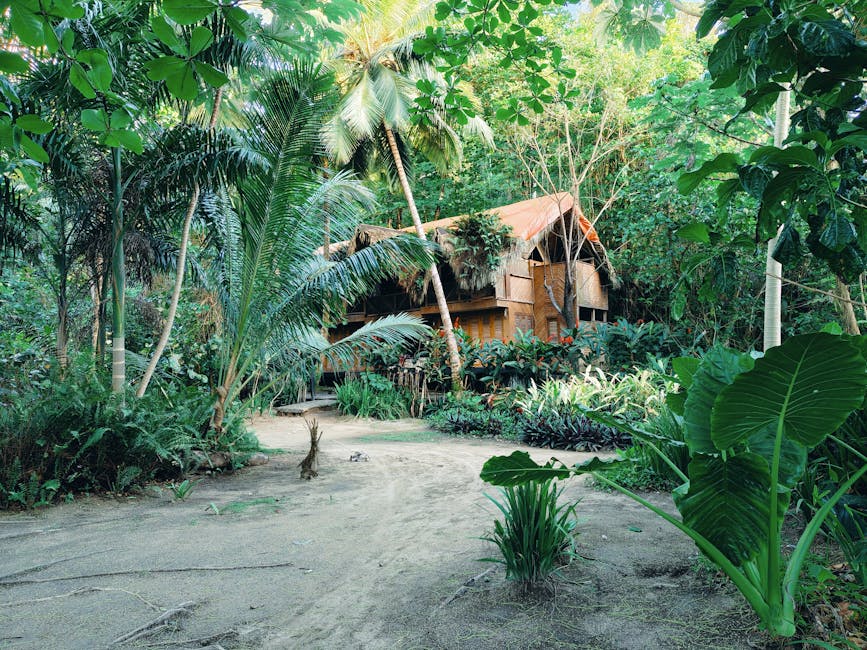
Eco-lodge in Madagascar’s pristine wilderness — sustainable stays surrounded by extraordinary biodiversity. Book early for peak season.
Conservation Activities and Guest Experiences
Eco-lodges transform guests into conservation participants through structured programs. Many offer night walks to observe nocturnal lemur species, day hikes through protected forests, and ranger-led biodiversity surveys. At Palmarium Lake Lodge in Maroantsetra, guests assist with aquatic research while exploring freshwater ecosystems. Vakona Lodge includes hands-on lemur feeding experiences with expert naturalists explaining rehabilitation efforts. Several lodges offer tree-planting activities where visitors plant saplings supporting reforestation initiatives. Cultural immersion programs connect guests with local tribes, including artisan craft workshops and traditional cooking classes. Marine-focused lodges provide coral reef monitoring and sea turtle protection activities. These participatory experiences deepen environmental understanding while generating direct funding for conservation projects, making each guest visit measurably contribute to Madagascar’s ecological preservation.
Booking Tips and Practical Information
Reserve eco-lodges directly through operators like Wilderness Travel, Natural Habitat Adventures, or via booking platforms specializing in sustainable tourism. Best travel periods are September to November and March to May for optimal weather and wildlife viewing. Most eco-lodges require advance booking, especially during peak seasons. Include transportation costs: expect 40-60 USD for airport transfers via established operators. Pack lightweight, neutral-colored clothing, quality binoculars, and sun protection. Many lodges offer all-inclusive packages combining meals, guided activities, and transfers for 200-400 USD daily. Check lodge amenities—some offer basic comfort while others provide luxury with environmental credentials. Verify certifications through Green Globe or similar organizations. International travel insurance covering adventure activities is recommended. Most lodges provide comprehensive pre-arrival information and can arrange domestic flights through Air Madagascar or regional carriers.
Ready to book your Madagascar trip?
Frequently Asked Questions
What is the difference between an eco-lodge and a regular hotel in Madagascar?
Eco-lodges are specifically designed to minimize environmental impact through renewable energy, water conservation, waste management systems, and community employment. They actively participate in conservation projects, typically allocate profits to environmental initiatives, and provide educational experiences connecting guests with wildlife. Regular hotels prioritize comfort and convenience without necessarily implementing sustainability measures or contributing measurably to conservation funding. Eco-lodges maintain certification standards and transparently report their environmental practices, whereas conventional accommodations may have minimal environmental accountability.
How much should I budget for an eco-lodge stay in Madagascar?
Eco-lodge pricing ranges from 80-400 USD per night depending on location and amenities. Budget eco-lodges in less-visited regions cost 80-120 USD nightly, mid-range options average 150-200 USD, and luxury eco-lodges command 250-400 USD per night. Most lodges offer all-inclusive packages combining accommodation, meals, guided activities, and transfers, typically ranging 250-350 USD daily. Factor additional costs including domestic flights (80-150 USD), international flights, travel insurance, and personal expenses. A reasonable 10-day eco-lodge trip costs 2000-3500 USD per person including flights, transfers, accommodation, meals, and activities.
What wildlife viewing activities are available at Madagascar eco-lodges?
Activities vary by location but commonly include lemur tracking, nocturnal forest walks, bird-watching expeditions, and marine observation. Northern lodges offer lemur rehabilitation participation and tree-living species observation. Eastern rainforest lodges focus on endemic frog species and chameleon identification. Western lodges emphasize spiny forest exploration and baobab ecosystems. Coastal lodges provide coral reef snorkeling, sea turtle monitoring, and whale-watching (July-September). Most lodges arrange multi-day treks through national parks with expert naturalists. Activities typically last 3-5 hours daily, allowing rest time and cultural experiences. Night walks, conducted with red headlamps minimizing disturbance, provide exceptional opportunities viewing nocturnal Madagascar species.
Madagascar’s eco-lodges represent the pinnacle of sustainable travel, offering transformative experiences while directly funding conservation efforts that protect endangered species and pristine ecosystems. By choosing certified eco-accommodations over conventional resorts, you actively participate in preserving one of Earth’s most biodiverse regions for future generations. Whether exploring lemur habitats in Andasibe, tracking unique birds in rainforests, or monitoring coral reefs along the coast, these sustainable lodges ensure your travel dollars support environmental protection. Start planning your eco-conscious Madagascar adventure today through direct lodge bookings or reputable sustainable tourism operators, and become part of a global movement toward responsible, meaningful travel.
Flight delayed or cancelled? Flights to Madagascar often connect through Paris or Nairobi. EU regulation EC 261 may entitle you to up to €600 in compensation. Check your claim free on AirAdvisor →
Plan Your Trip to Madagascar
- Read the full Madagascar Travel Guide
- Explore itineraries by style and duration
- Plan a 10-Day Madagascar Itinerary
Where to Stay