Donia Festival Nosy Be: Everything You Need to Know Before You Go

Disclosure: This post contains affiliate links. If you book or buy through our links, we may earn a small commission at no extra cost to you. Thank you for supporting Voyagiste Madagascar!
Every year, in the final days of May or the first days of June, the island of Nosy Be transforms. What is already one of Madagascar’s most beautiful destinations — a compact volcanic island off the northwest coast, draped in ylang-ylang plantations, fringed with beaches of extraordinary quality, and surrounded by waters teeming with marine life — becomes, for four or five days, the center of the Malagasy cultural universe. The Donia Festival draws tens of thousands of Malagasy people from across the country to Nosy Be for the island’s annual music celebration, filling its beaches, squares, and outdoor venues with continuous live performance from morning through the warm, starlit nights. For international visitors, Donia represents a rare confluence of natural beauty and authentic cultural celebration — the kind of event that transforms a beach holiday into a genuinely memorable encounter with how a culture expresses joy. This guide covers everything you need to know to attend Donia: when it happens, how to get there, where to stay, what to expect, and how to make the most of a festival that most of the world has never heard of but which, once experienced, is very hard to forget.
About the Donia Festival
History and Cultural Significance
The Donia Festival (the name derives from the Malagasy word for “wave” or “swell”) has been running annually since the late 1990s, growing from a regional cultural event to Madagascar’s largest and most internationally recognized music festival. The festival was originally conceived as a celebration of the Sakalava culture of northwestern Madagascar — the dominant ethnic group in the Nosy Be region — and specifically of salegy, the irresistibly danceable 6/8 rhythm music that originated with the Sakalava people. Over time, the festival’s programming has expanded to include virtually all genres of Malagasy music, from the highland hira gasy theatrical tradition to contemporary pop, reggae, and electronic music, making Donia a genuine pan-Malagasy cultural event rather than a specifically regional one. The festival’s format is deliberately democratic: most events are free or extremely low cost, programming runs continuously across multiple stages and public spaces, and the atmosphere is organized around communal celebration rather than commercial spectacle. This distinguishes Donia from many international music festivals that have evolved into premium-priced lifestyle events — Donia remains, at its core, a celebration by and for Malagasy people, with visitors welcomed as honored guests rather than targeted as revenue.
The Music: What You’ll Hear at Donia
The musical centerpiece of Donia is salegy — and if you have never heard salegy performed live by great artists before an audience of tens of thousands of Malagasy people who know every song and lyric, attending Donia is one of the most kinetically joyful musical experiences available anywhere on Earth. The rhythm locks in and does not let go; within minutes, everyone around you is dancing, and the distinction between performer and audience dissolves in the collective body movement that salegy demands. Beyond salegy, Donia’s lineup typically includes: contemporary Malagasy pop artists with radio hits; artists working in regional genres from the eastern coast, the south, and the highlands; occasional international acts from the Comoros, Réunion, Mauritius, and mainland Africa; gospel performers whose powerful choral work draws massive church-going crowds; and newer genres including Malagasy hip-hop, afrobeat fusion, and electronic music that represent the sounds being made by young musicians across the island. The diversity of the programming means that a visitor to Donia who stays through multiple days will encounter the full range of contemporary Malagasy musical culture in concentrated, high-energy form — a musical education that would be impossible to replicate in any other setting or over any other timeframe.
The Festival Atmosphere
The atmosphere at Donia is something that defies easy description to anyone who hasn’t experienced a large outdoor music festival in a context of genuine communal celebration. The event happens on an island, which creates a natural container for the festival energy — there is nowhere to retreat to, and the festive atmosphere spreads from the main stages and beaches across the entire island. Vendor stalls selling grilled zebu, fresh coconut drinks, fried cassava, and an extraordinary range of local food appear throughout the festival zone. Traditional Malagasy clothing appears in greater numbers than at any other time of year — women in bright lamba cloth, men in traditional shirts — alongside jeans and t-shirts, creating a visual richness that reflects Madagascar’s layered cultural identity. Children dance openly in the crowd; older men and women sway at the edges; young couples hold each other through ballads and break apart for fast salegy — the full range of human emotional registers plays out in the festival space simultaneously. The warmth of Malagasy hospitality, already notable in everyday encounters, intensifies during Donia into something that approaches the physical — strangers share food, invite you to dance, explain the lyrics of songs to you in whatever common language you share, and treat foreign visitors as genuinely welcome rather than merely tolerated participants in something that belongs to them.
Planning Your Donia Visit
Getting to Nosy Be
Nosy Be is accessible by air and by sea. Flights from Antananarivo (Ivato International Airport) to Nosy Be (Fascène Airport) operate daily with Air Madagascar and occasionally with regional carriers; flight time is approximately one hour. Flights book up quickly in the weeks before Donia — booking two to three months in advance is essential, not merely advisable. Ferry connections from the mainland are possible from the port of Ankify (approximately 3–4 hours by road from Diego Suarez or Ambanja), with speedboat crossings taking 30–45 minutes. The ferry crossing is scenic and affordable but weather-dependent and can be rough in swells. Some travelers combine an overland journey through northwestern Madagascar with a ferry crossing as part of a broader itinerary. Once on the island, transport around Nosy Be is by taxi-brousse (shared taxi), private taxi, or rented scooter. Scooter rental is popular with independent travelers and allows flexible exploration of the island’s beaches and villages beyond the main town of Hell-Ville (officially Andoany).
Accommodation During Donia
Accommodation on Nosy Be fills completely during the Donia Festival period, with prices reflecting festival demand. The island offers accommodation across a wide range of price points — from luxury beachside resorts (primarily in the Ambatoloaka and Madirokely beach areas) to mid-range guesthouses and budget bungalows. For festival attendees, location relative to the main festival venues matters: staying within walking distance of the main beach stages saves time and eliminates the need for taxi transport late at night. Ambatoloaka and the town center of Hell-Ville are the best-located neighborhoods for festival access. Booking directly with smaller guesthouses and locally-owned establishments (rather than through international platforms that add fees) often yields better service and more authentic engagement with the island’s hospitality culture. Camping is not commonly available as a formal accommodation option on Nosy Be, though some travelers arrange informal arrangements with guesthouse owners. The key message: book as early as possible, ideally two to three months in advance, and confirm your booking in writing.
Budget and Costs
Attending Donia is extremely affordable relative to comparable international music festivals. Festival events themselves are free or nominal-cost (typically 2,000–5,000 ariary per event, roughly €0.50–€1.50). Food and drinks at festival vendor stalls are priced for local budgets, making eating and drinking throughout the festival very inexpensive. The primary costs for international visitors are accommodation (which is elevated during festival period — budget 50,000–150,000 ariary per night depending on category) and flights to Nosy Be. Total daily budget for a festival visitor (accommodation, food, drinks, local transport) typically runs 100,000–300,000 ariary per day (approximately €25–€75), making Donia one of the most affordable major music festivals in the world for the quality and duration of the experience offered. Vendors accept only Malagasy ariary; bring sufficient cash from ATMs in Hell-Ville (Nosy Be’s main town) or Antananarivo before arriving at festival venues, as cash infrastructure at event sites is limited.
Travel Resources for Madagascar
Tours & Activities: Browse Madagascar tours on GetYourGuide — day trips, cultural experiences, and guided excursions.
Experiences: Explore Madagascar experiences on Viator — top-rated local tours and adventures.
Travel Insurance: SafetyWing Nomad Insurance — affordable health and travel coverage for long-term travelers.
Car Rental: Compare car rentals in Madagascar on Carla — find the best deals from top rental companies.
FAQ — Donia Festival Nosy Be
When exactly does Donia take place each year?
Donia typically runs for four to five days at the end of May or beginning of June, though the exact dates shift from year to year based on organizational decisions and the Malagasy cultural calendar. The festival has historically fallen in the window of May 25 to June 5, with the largest performances concentrated on the final two to three days. Because exact dates change annually, it is essential to verify the current year’s schedule through official Madagascar tourism channels, the Alliance Française Madagascar, or local tour operators specializing in northern Madagascar before purchasing flights and accommodation. Building one or two days of flexibility around confirmed dates is wise — arriving a day early allows orientation to the island before the festival peak, and staying a day after allows recovery and exploration of Nosy Be’s considerable natural attractions without the festival crowds.
Is Donia family-friendly?
Donia is genuinely family-friendly in the Malagasy cultural context — children attend with their parents, grandparents bring grandchildren, and the festival crowd includes the full demographic range of Malagasy society rather than being a youth-dominated event. International travelers with children should have no concerns about the appropriateness of the festival environment: the music is joyful rather than aggressive, the crowds are festive rather than dangerous, and the local attitude toward children at public events is warm and inclusive. Practical family considerations include: bringing water and snacks for young children (festival vendor food is good but variable in hygienic preparation), ensuring children have sun protection for daytime events, and planning for early departure if performances run very late — the biggest shows start after 10pm and peak after midnight, which is genuinely late for young children. Finding a guesthouse or resort with a pool is recommended for families — the combination of festival evenings and daytime beach and pool time works extremely well as a family holiday structure.
What should I pack for Donia?
Packing for Donia should be oriented toward outdoor festival comfort in a tropical climate. Essential items: lightweight breathable clothing (avoid dark colors that absorb heat), good quality sandals or shoes that you can dance in for extended periods, a lightweight rain layer (late May/early June can bring occasional brief rain showers even in the relatively dry season), high-SPF sunscreen and after-sun lotion, insect repellent (Nosy Be has mosquitoes, and evening outdoor events are prime mosquito hours), a reusable water bottle (fill from sealed bottles purchased at vendors), and a small backpack or bag for daily essentials. Cash in ariary is essential — bring more than you think you’ll need, as ATM access near festival venues is unreliable at peak times. A portable battery pack for phone charging is genuinely useful as festival days are long and power outlets at guesthouses may not be convenient. Earplugs are worth packing for light sleepers — festival music can be audible from guesthouses close to main stages late into the night.
Are there other activities on Nosy Be beyond the festival itself?
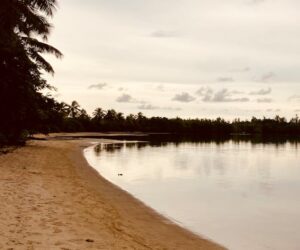
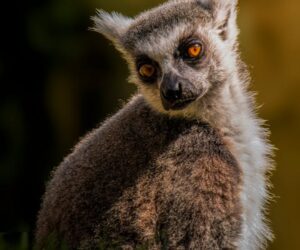
Nosy Be’s natural attractions make it an excellent destination independent of the festival, and many visitors extend their stay before or after Donia to explore the island properly. The surrounding waters are famous for whale shark encounters (typically May through September), scuba diving and snorkeling on coral reefs, and dolphin watching boat trips. The island’s interior contains ylang-ylang plantations (Nosy Be is one of the world’s primary producers of this essential oil), vanilla groves, and dense forest reserves home to lemurs and chameleons. The small island of Nosy Komba, accessible by short boat trip, has a village of brown lemurs habituated to human presence and offers easy wildlife encounters without the need for a national park visit. Nosy Tanikely marine reserve, another short boat trip away, offers some of the best snorkeling in Madagascar around a small island with a historic lighthouse. The beaches of Nosy Be — particularly the long beach at Ambatoloaka and the more secluded stretches on the island’s western side — are among the best in Madagascar. A week combining Donia festival attendance with island exploration and marine activities is an extremely satisfying travel structure that justifies the journey for most visitors.
How should visitors behave respectfully at Donia?
Donia is a Malagasy cultural event that welcomes international visitors but operates on Malagasy cultural norms. Several behavioral considerations help ensure that visitors are genuinely welcomed rather than merely tolerated. Dancing is not just permitted but expected — attempting to participate in the dancing, even clumsily, signals respect and enthusiasm that Malagasy festival-goers consistently respond to warmly. Learning a few words of Malagasy (salama = hello, misaotra = thank you, tsara = good/beautiful) makes a significant impression and opens conversational doors. Photographing performances and festival crowds is generally fine, but photographing individuals requires consent — asking directly (a gesture with your camera and a questioning look works cross-culturally) before photographing people is the appropriate norm. Alcohol is available and consumed at Donia, but public drunkenness is not the norm in Malagasy festive culture and will mark you as a different kind of visitor than the respectful guest most Malagasy people hope to encounter. Approach the festival as a guest at someone’s celebration rather than a consumer of entertainment, and the experience will be reciprocally enriching.