Madagascar Festivals Calendar: The Best Events to Plan Your Trip Around

Disclosure: This post contains affiliate links. If you book or buy through our links, we may earn a small commission at no extra cost to you. Thank you for supporting Voyagiste Madagascar!
Madagascar’s calendar is studded with festivals and cultural events that offer travelers a window into the island’s extraordinary diversity of traditions, beliefs, and artistic expression. Unlike many tourist destinations where festivals are staged primarily for outside audiences, Madagascar’s celebrations are deeply rooted in living community practice — they happen because the community needs them to happen, and visitors who are fortunate enough to witness them encounter something authentic and irreplaceable. From the Donia music festival on Nosy Be that draws tens of thousands to the beach for days of live salegy, to the deeply spiritual famadihana ceremony in the central highlands where families unwrap the bones of their ancestors and dance with them through the streets, Madagascar’s events calendar rewards travelers who plan with intention. This guide covers the major festivals and cultural events across the year, the regions where they occur, and what visitors should know to experience them respectfully and memorably. Whether you are a music lover, a cultural anthropologist at heart, or simply someone who wants to go where the life is, Madagascar’s festivals will change how you understand both the island and celebration itself.
Annual Festivals by Season
Donia Festival — Nosy Be (May–June)
The Donia Festival is Madagascar’s largest and most internationally known music event, held annually on the island of Nosy Be at the end of May or beginning of June. Spanning three to five days, the festival takes over the island’s beaches, open-air venues, and town centers with continuous live music from dawn to well past midnight. The lineup draws the biggest names in Malagasy music — salegy stars, contemporary pop artists, traditional performers — alongside occasional international acts from the African and Indian Ocean music world. For visitors, Donia is an immersive experience that goes far beyond the music itself: the festival brings together Malagasy people from across the country, creating a celebratory atmosphere where strangers share food, dance together, and trade stories in the warm night air with the Indian Ocean as backdrop. Accommodation on Nosy Be fills up months in advance for the festival period, so booking early is essential. The festival is free or very low-cost to attend, reflecting its identity as a celebration for the community rather than a commercial enterprise. Nosy Be’s natural beauty — the island is one of Madagascar’s most visited destinations for its beaches, marine life, and ylang-ylang plantations — makes the festival setting genuinely spectacular, and many travelers extend their stay before or after the event to explore the island properly.
Independence Day Celebrations — June 26
June 26 marks Madagascar’s Independence Day, commemorating the country’s declaration of independence from France in 1960. The national celebration is centered in Antananarivo but observed across the entire country with parades, performances, fireworks, and public gatherings. In the capital, the main events take place at the Place du 13 Mai (now often called the Place de la République), where military parades, traditional dance performances, and official ceremonies unfold before large crowds. In towns and cities across Madagascar, local celebrations often feel more intimate and genuinely festive than the formal capital events — community gatherings, street food markets, music performances in public squares, and evening fireworks that light up the highland sky. For travelers in Madagascar around June 26, the celebrations offer a fascinating insight into how the country understands its own identity and history — an independence that came with significant political complexity and that Malagasy people celebrate with both pride and nuance. The period around Independence Day also coincides with the height of the dry season in the highlands, making it one of the most comfortable times to travel in the central plateau region.
Famadihana — The Turning of the Bones (July–September)
Famadihana (literally “the turning of the bones”) is one of the most distinctive and spiritually significant traditions in Malagasy culture — a ceremony in which families exhume the remains of deceased relatives, rewrap them in fresh silk shrouds, and celebrate with music, dancing, and feasting in honor of the ancestors. Practiced primarily among the Merina and Betsileo peoples of the central highlands, famadihana typically takes place between July and September, when the dry season makes outdoor ceremonies practical. The ceremony is far from morbid in the Western sense — it is a joyful, deeply communal event in which the boundary between the living and the dead temporarily dissolves, and the ancestors are welcomed back among the family for a day of celebration. Live bands play throughout the ceremony, and it is not uncommon to see family members literally dancing with wrapped remains in their arms. For outsiders, witnessing a famadihana is a profound cultural experience that challenges assumptions about death, grief, and the nature of community. Visitors are sometimes invited to attend by local guesthouses or tour guides, and if offered the opportunity, it is generally appropriate to accept with respectful curiosity and a contribution of rum or other traditional gifts. Photography should only happen with explicit family permission.
Regional and Seasonal Celebrations
Santabary — The Rice Harvest Festivals
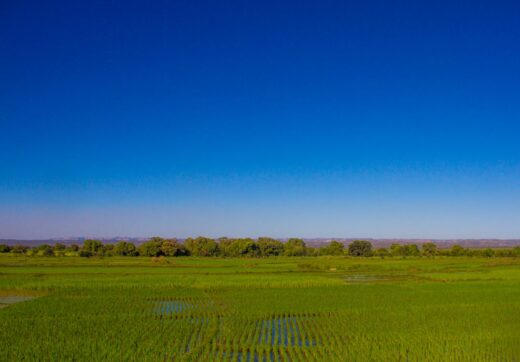
Rice is not merely a staple food in Madagascar — it is a cultural cornerstone, a spiritual substance, and the foundation of the agricultural economy that has shaped highland civilization for centuries. The santabary (rice harvest) is celebrated across the central highlands with ceremonies that vary significantly by region and clan but share a common core of gratitude to the ancestors and to the land for its abundance. Harvest timing varies by altitude and local conditions, generally falling between April and July in most highland areas. The ceremonies involve the ritual preparation of the first harvest, offerings to ancestral spirits, communal feasting, and performances of traditional music and oratory. For travelers fortunate enough to be in the highlands during harvest season, the sight of terraced rice paddies turning gold against the red laterite hills provides one of Madagascar’s most iconic landscape views, and the atmosphere in villages during the harvest period carries a warmth and communal energy that is genuinely moving. Some rural homestays and cultural tourism operators in the highlands offer travelers the opportunity to participate in harvest activities — not as spectators but as contributing participants — which deepens the experience enormously and provides meaningful income to farming families.
Zegny Zo — Eastern Coast Cultural Festival
The Zegny Zo festival celebrates the culture, music, and traditions of Madagascar’s eastern coastal communities, particularly the Betsimisaraka people who inhabit the long coastal strip between Toamasina (Tamatave) and Maroantsetra. The festival typically takes place in the Masoala Peninsula region, showcasing traditional coastal music genres, dance forms, and craft traditions that are distinct from highland Malagasy culture and largely unknown to international visitors. The eastern coast of Madagascar receives fewer tourists than the north or highlands, making Zegny Zo an opportunity to engage with a living cultural tradition in an environment that has not been shaped by heavy tourist infrastructure. The festival’s setting is also naturally spectacular — the eastern coast features tropical rainforest descending almost to the sea, with some of the country’s highest rainfall producing lush, intensely green landscapes that are dramatically different from the dramatic but drier highlands. Travelers reaching the eastern coast face more logistical challenges than other parts of Madagascar (the road network is limited and the coast is prone to cyclones from December to March), but the rewards for those who make the effort are proportionally greater.
New Year and Cultural Celebrations
Madagascar observes multiple new year celebrations reflecting its diverse cultural influences. The Gregorian New Year on January 1 is widely celebrated with parties, fireworks, and gatherings, particularly in urban areas. The Malagasy traditional new year (Alahamady Be) falls in the lunar month corresponding roughly to March or April and is observed by Merina families with specific rituals, special foods, and the consulting of astrologers (mpanandro) who determine auspicious dates for important events throughout the coming year. Muslim communities in the northwest and along the coast observe Islamic new year with prayers and communal meals. The overlap of multiple calendar systems in Madagascar reflects the island’s remarkable cultural complexity — a society that has absorbed influences from across the Indian Ocean world while maintaining distinctly Malagasy synthesizes of all these inputs. For travelers interested in the intersection of faith, tradition, and daily life, Madagascar’s layered celebration calendar offers endlessly fascinating material. The coexistence of ancestral Malagasy beliefs (often collectively described as “fomba gasy” or Malagasy custom) with Christianity and Islam — often practiced simultaneously by the same individuals — makes the island’s spiritual life one of the most genuinely complex in the world.
Travel Resources for Madagascar
Tours & Activities: Browse Madagascar tours on GetYourGuide — day trips, cultural experiences, and guided excursions.
Experiences: Explore Madagascar experiences on Viator — top-rated local tours and adventures.
Travel Insurance: SafetyWing Nomad Insurance — affordable health and travel coverage for long-term travelers.
Car Rental: Compare car rentals in Madagascar on Carla — find the best deals from top rental companies.
FAQ — Madagascar Festivals
When is the best time of year to visit Madagascar for festivals?
The richest period for festivals and cultural events in Madagascar runs from April through September, coinciding with the dry season across much of the island. June brings Independence Day celebrations on June 26, and May or June is when the Donia Festival takes place on Nosy Be. The highland summer months of July, August, and September are the primary season for famadihana ceremonies in the central plateau. The rice harvest festivals (santabary) typically occur between April and July depending on local conditions. For travelers who want to maximize their chances of encountering authentic cultural events, planning travel in the May–August window offers the best combination of good weather (particularly in the highlands), major national celebrations, and the possibility of witnessing famadihana ceremonies. The festival calendar is not rigidly fixed — famadihana dates in particular are determined by astrologers consulting traditional calendars, so flexibility in your travel plans increases the likelihood of attending. Connecting with local tour operators or cultural associations before your trip can help you identify specific events in the regions you plan to visit.
Is it appropriate for tourists to attend famadihana ceremonies?
Attendance at famadihana ceremonies by outsiders is generally welcomed by Malagasy families, as the event is a joyful celebration rather than a closed ritual — but it must be done correctly. The most important requirement is a personal invitation: simply showing up at a ceremony you heard about is inappropriate. The best way to receive an invitation is through a local guide, guesthouse owner, or cultural operator who has established relationships with families willing to welcome respectful visitors. When attending, bring traditional gifts: typically a bottle of rum (toaka gasy), money, and sometimes a length of silk fabric (lamba mena) used for rewrapping remains — your guide will advise on appropriate amounts and types. Dress modestly and follow all instructions from family members about where to stand and when to participate versus observe. Photography is a sensitive issue — always ask explicit permission from the family before photographing anything, and accept refusal gracefully. The ceremony will likely involve close contact with remains, and visitors with strong aversions to this should consider whether attendance is right for them. Those who attend with genuine openness and respect consistently report it as one of the most profound and life-expanding experiences of their travels.
What practical preparations are needed to attend the Donia Festival?
The Donia Festival on Nosy Be requires advance planning primarily around accommodation and transportation to the island. Nosy Be receives visitors by flights from Antananarivo (approximately one hour) and ferry connections from the mainland port of Ankify. During the festival period, flights and ferries fill up quickly, and accommodation across the island — from budget guesthouses to luxury resorts — typically sells out months in advance. Booking everything at least two to three months ahead is strongly recommended. During the festival itself, practical preparations are minimal: the music is free or very low-cost, food and drinks are readily available at vendor stalls throughout the event, and the atmosphere is friendly and welcoming to international visitors. Be prepared for heat, crowds, and the full sensory experience of an outdoor tropical festival — light clothing, sunscreen, and comfortable footwear for dancing are the essentials. The festival runs late into the night, and the energy builds as the temperature drops after sunset. Learning a few words of Malagasy (salama = hello; misaotra = thank you) will be rewarded with warm smiles and genuine appreciation from Malagasy festival-goers who rarely meet visitors who make any effort with the language.
Are there festivals specific to Madagascar’s coastal communities?
Yes — Madagascar’s coastal communities, which differ culturally from the highland Merina and Betsileo populations in significant ways, maintain their own distinct festival traditions. Along the western coast, the Sakalava people observe the Fitampoha ceremony — a ritual cleansing of royal relics that occurs every several years and draws large gatherings of the faithful for ceremonies that blend animist and Islamic elements, reflecting the historical influence of Arab traders on the Sakalava kingdoms. Along the northern coast, Antankarana communities hold the Tsangatsainy festival, which involves the raising of a sacred post and ceremonies connected to the royal clan’s ancestral traditions. The Bara people of the south are known for their zebu cattle festivals, in which young men demonstrate their status through cattle-related challenges and ceremonies. The eastern coast’s Betsimisaraka communities hold various ceremonies tied to the agricultural calendar and the sea, reflecting their identity as both farmers and fishermen. These regional festivals are rarely covered in mainstream travel resources, making them genuinely rare experiences for travelers who seek them out — and a reminder that Madagascar is not one culture but many, each with its own calendar of obligation and celebration.
How can I find out about local events happening during my visit?
Finding out about local events in Madagascar requires a different approach than in countries with well-developed tourist information infrastructure. The most reliable sources are local: your guesthouse or hotel owner is almost always the best first resource, as they are embedded in community networks and will know about upcoming events in the area. Cultural centers, Alliance Française offices in major cities, and local tour operators are also valuable contacts. The Facebook pages of Malagasy cultural organizations and regional tourism boards sometimes announce events, though not reliably. International travel forums and blogs occasionally carry event information, but this is often outdated. Arriving with flexibility in your schedule — avoiding the temptation to plan every day in advance — significantly increases your chances of encountering authentic events that cannot be found in any guidebook. Malagasy culture values spontaneous hospitality, and travelers who signal genuine interest in local life (through learning some Malagasy, asking questions respectfully, participating when invited) consistently find themselves drawn into events and celebrations that the most meticulously planned itinerary would never have reached.