Market Types in Madagascar: From Local Marchés to Modern Supermarkets
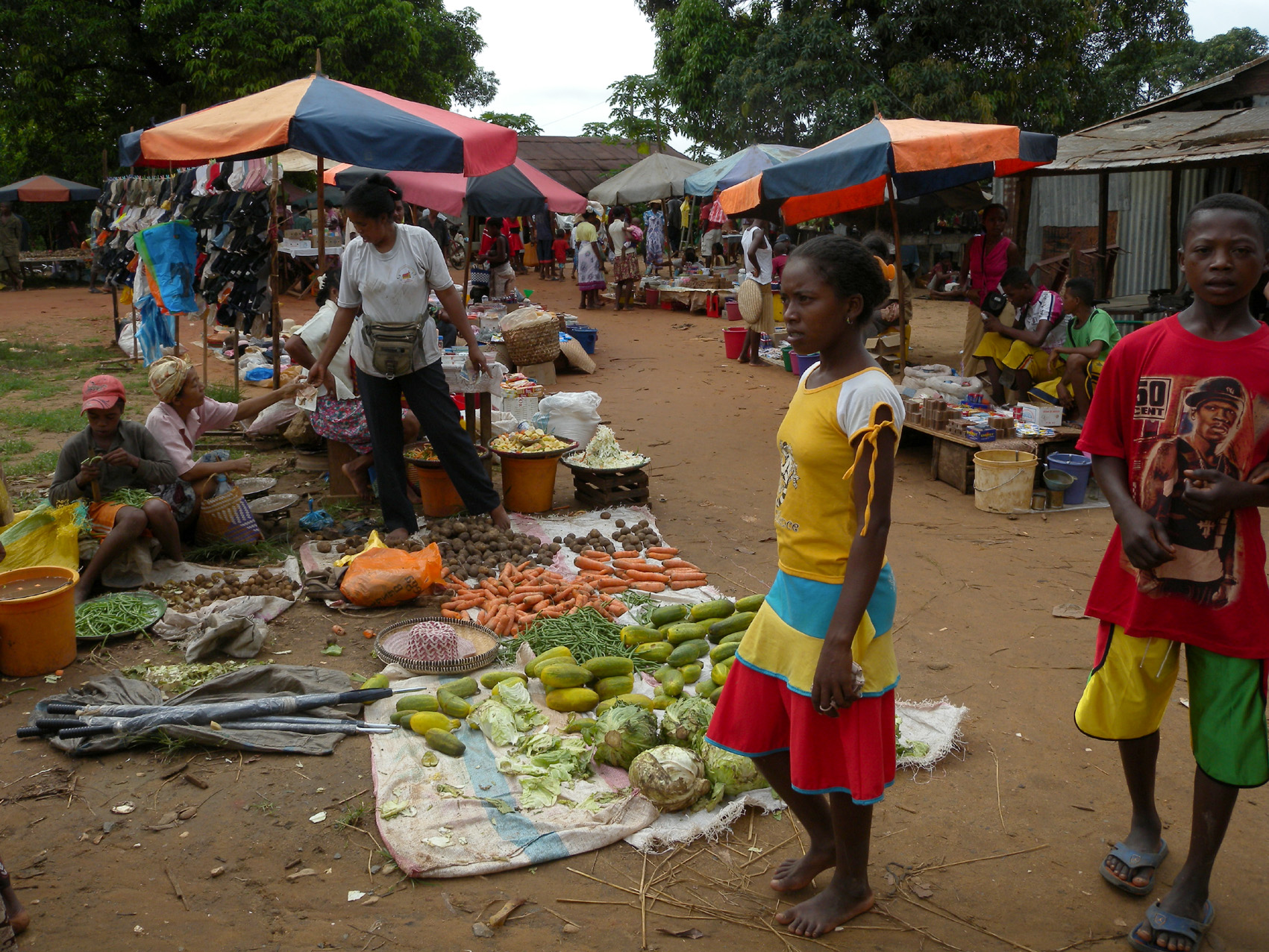
Shopping in Madagascar is an experience unlike any other. Whether you’re hunting for fresh produce at sunrise, browsing handcrafted souvenirs, or picking up everyday supplies, the variety of market formats across the country reflects Madagascar’s layered culture and economy.
Here’s what you’ll find, and what to expect from each type.
Marchés Locaux (Local Markets)
Local markets are the commercial heart of every Malagasy town and village. Open daily or on specific market days depending on the region, they sell everything from fresh fruits, vegetables, and meat, to clothing, household goods, and tools.
The most famous is Analakely market in Antananarivo — a sprawling, multi-storey complex in the city center where you’ll find almost anything. In smaller towns, the market is the social hub of the week, with farmers coming in from surrounding countryside to sell their produce.
What to know: Prices are not fixed. Bargaining is expected and normal. Go early for the best produce. Bring small Ariary bills.
Marchés à Bétail (Cattle Markets)
A uniquely Malagasy institution: zebu cattle markets, held weekly in many rural towns. Zebu are central to Malagasy culture — they’re a symbol of wealth, used in ceremonies, agriculture, and as bride price. If you’re traveling through rural Madagascar on market day, the sight of hundreds of zebu being traded is remarkable.
These are not tourist markets — they’re functional livestock trading events. Visitors are generally welcome to observe, but keep a respectful distance and ask before photographing.
Épiceries (Corner Stores)
Found in every neighborhood across Madagascar, épiceries are small, often family-run shops open from early morning to late evening. They stock basics: cooking oil, rice, flour, soap, phone credit, candles, and soft drinks.
Prices are usually slightly higher than markets but the convenience makes them the go-to for daily essentials. Unlike markets, prices in épiceries are often (but not always) fixed — though a polite ask for a discount on larger purchases rarely hurts.
Supermarchés (Supermarkets)
Modern supermarkets exist primarily in Antananarivo and a few larger cities. The main chains include Score and Leader Price. You’ll find imported goods, packaged foods, wine, and familiar international brands.
Prices are fixed, no bargaining expected. Payment by card is increasingly accepted. For travelers based in Tana, supermarkets are convenient for stocking up on snacks, toiletries, and anything you forgot to pack.
Marchés Artisanaux (Craft Markets)
Madagascar has a rich tradition of artisanal crafts: carved wood, raffia baskets, embroidered tablecloths, semi-precious stones, painted silk (lamba), and miniature zebu sculptures. Craft markets targeting tourists operate in Antananarivo (notably near the Rova and in the Haute-Ville area) and at the entrance of major national parks.
Quality varies widely. Take your time, compare across stalls, and don’t be pressured into buying immediately. Bargaining is always appropriate here.
Explore Madagascar’s markets with a guide
- Browse Antananarivo city tours on GetYourGuide — guided market visits included in many day tours
- Bradt Madagascar Guide on Amazon CA — market days by region listed in appendix
- SafetyWing travel insurance — essential for Madagascar travel
Related reading: Bargaining in Madagascar | Tips for a Successful Trip to Madagascar