Madagascar vs Zanzibar: Which Destination Should You Choose? (Complete 2026 Guide)
Disclosure: This post contains affiliate links. If you book or buy through these links, we earn a small commission at no extra cost to you.
Madagascar and Zanzibar are two of the Indian Ocean’s most celebrated destinations — yet they offer radically different experiences. Both have spectacular beaches and warm turquoise water, but everything else — wildlife, culture, cost, ease of travel, and atmosphere — diverges significantly. This guide gives you the full comparison to help you decide which destination is right for your trip.
At a Glance: Madagascar vs Zanzibar
| Category | Madagascar | Zanzibar |
|---|---|---|
| Location | Indian Ocean, off East Africa | Indian Ocean, off Tanzania |
| Beaches | World-class, less crowded | World-class, busier |
| Wildlife | Exceptional — 90%+ endemic species | Limited (dolphins, whale sharks seasonally) |
| Nature | Extraordinary — 8+ distinct biomes | Good — tropical forest, coral reefs |
| Daily budget (mid-range) | $40–80/day | $80–150/day |
| Safety | Generally safe, petty theft in cities | Generally safe, petty theft in tourist areas |
| Infrastructure | Challenging — 4×4 often needed | More accessible |
| Crowds | Low tourist numbers overall | More established tourism |
| Best for | Wildlife, adventure, off-the-beaten-path | Beach, culture, diving, honeymoon |
Beaches: How Do They Compare?
Both destinations produce genuinely stunning beaches. The difference is in their character and accessibility.
Madagascar Beaches
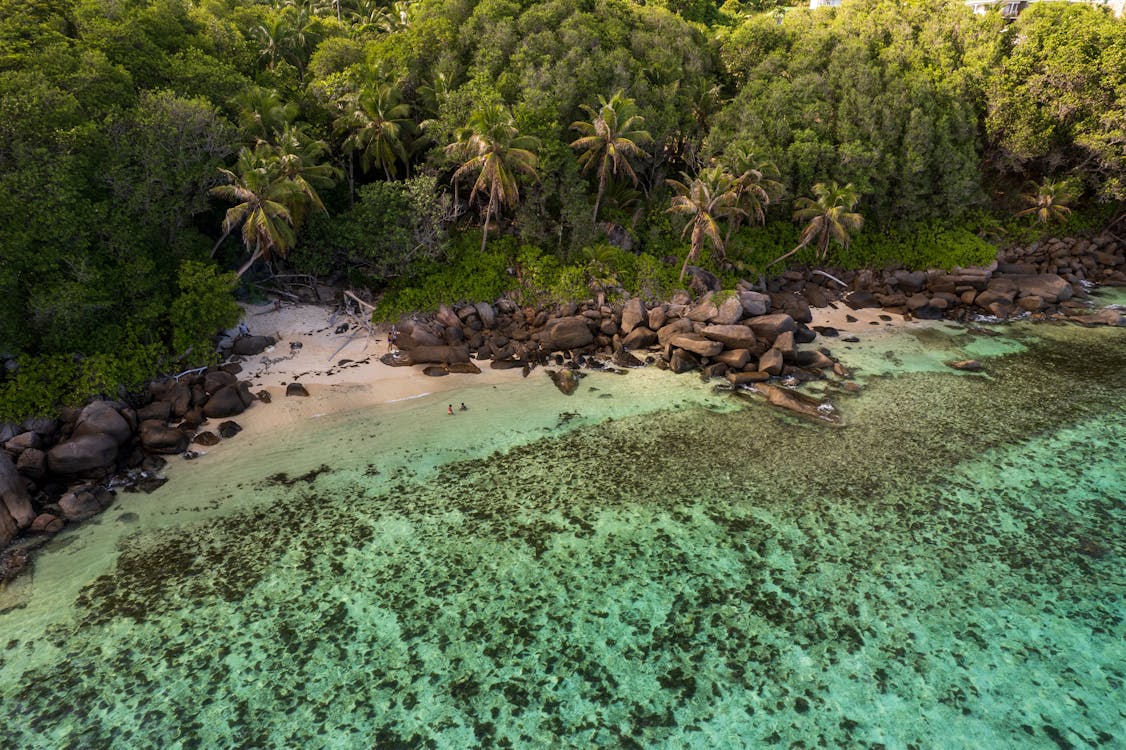
Madagascar’s finest beaches — Nosy Be, Île Sainte-Marie, Ifaty, Salary Bay — rival anywhere on earth. The defining characteristic is the lack of crowds. Even at peak season, you’ll often find stretches of white sand with no other visitors in sight. The trade-off: reaching the best beaches often requires effort — long 4×4 drives, boat crossings, or domestic flights.
The southwest coast (Ifaty, Anakao, Salary) offers a surreal landscape: baobabs meeting the sea, near-empty beaches, and world-class kitesurfing conditions. The north (Nosy Be, Nosy Komba) delivers turquoise water, coral gardens, and a more relaxed resort feel.
Zanzibar Beaches
Zanzibar’s beaches are consistently excellent and far easier to access. Nungwi in the north and Kendwa are the most famous — powdery white sand, vivid turquoise water, active beach scenes with bars, watersports, and sunset dhow cruises. The east coast (Paje, Jambiani) is better for kitesurfing and a quieter atmosphere. Zanzibar’s beaches are more tourist-developed, which means more facilities but also more people.
Verdict: For raw, uncrowded beauty, Madagascar wins. For ease of access and beach-town atmosphere, Zanzibar wins.
Wildlife and Nature
This is where Madagascar pulls decisively ahead — if wildlife is on your agenda.
Madagascar: Unrivalled Biodiversity
Madagascar is one of the world’s most important biodiversity hotspots. Over 90% of its wildlife is found nowhere else on earth. The highlights:
- Lemurs: 100+ species, ranging from mouse lemurs (the world’s smallest primates) to the indri. Ring-tailed lemurs, sifaka lemurs dancing sideways, the aye-aye nocturnal creature — Madagascar has them all.
- Chameleons: Over 150 species, more than half the world’s total. The Parson’s chameleon — the largest — is found here. The Brookesia micra — the smallest reptile on earth — is found here too.
- Fossas, tenrecs, exotic birds: Madagascar’s isolation for 160 million years has produced extraordinary evolutionary results. Nothing quite like it exists elsewhere.
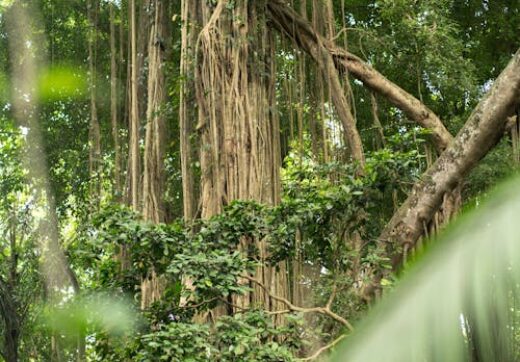
- Rainforests, spiny desert, coral atolls: Eight distinct biomes in a single country. A 15-day Madagascar circuit can move through completely different landscapes and ecosystems.
Zanzibar: Coastal Wildlife
Zanzibar’s wildlife highlights are primarily marine. The Mnemba Atoll is one of East Africa’s finest diving sites — excellent coral, sea turtles, and abundant fish life. Dolphin encounters at Kizimkazi are popular (though the quality varies with ethical operator standards). Whale sharks appear seasonally off the coast. On land, Jozani Forest has endemic red colobus monkeys — but nothing approaching Madagascar’s biodiversity.
Verdict: Madagascar is in a completely different league for wildlife. For marine life and diving, both destinations deliver.
Activities and Experiences
Madagascar
- Lemur and chameleon tracking in national parks (Andasibe, Ranomafana, Ankarana)
- Whale watching — humpback whales pass Île Sainte-Marie July–September
- Tsingy de Bemaraha — walking through the world’s largest tsingy landscape (razor-sharp limestone formations)
- Diving and snorkelling on pristine northern reefs
- Canal des Pangalanes — river/canal journey through the east coast
- Kitesurfing (Ifaty, Diego Suarez, some of the world’s best conditions)
- Baobab Avenue — dawn visits to the iconic trees near Morondava
Zanzibar
- Stone Town exploration — UNESCO World Heritage Site, Arab-African-Portuguese architecture, spice market, slave memorial
- Spice tours — cloves, vanilla, cinnamon plantations across the island
- Diving at Mnemba Atoll
- Sunset dhow cruise
- Kitesurfing (Paje)
- Day trip to Prison Island (giant tortoises)
Book Tours in Both Destinations
→ Madagascar wildlife and nature tours on GetYourGuide
Cost Comparison: Madagascar vs Zanzibar
| Category | Madagascar | Zanzibar |
|---|---|---|
| Budget accommodation | $10–25/night | $25–60/night |
| Mid-range hotel | $30–80/night | $80–180/night |
| Luxury resort | $100–300/night | $200–600+/night |
| Street meal | $0.50–2 | $3–8 |
| Restaurant meal | $5–15 | $10–25 |
| Guided national park day | $40–80 | $50–100 |
| Dive (single) | $40–70 | $50–80 |
| Internal transport | High (4×4, domestic flights) | Low (taxis, minibuses) |
Overall daily budget: Madagascar runs $40–80/day for mid-range travel; Zanzibar runs $80–150/day for comparable comfort. Madagascar’s transport costs are higher, but accommodation and food are significantly cheaper.
Safety
Madagascar
Madagascar is generally safe for tourists in the areas visited by foreigners. The main risk is petty theft in Antananarivo and around markets. Political instability has occurred historically but rarely affects tourists directly. Rural areas and national parks are very safe. Specific precautions: don’t walk alone after dark in cities, use reputable transport operators, hire guides for remote areas.
Zanzibar
Zanzibar is generally safe in tourist areas. Petty theft occurs in Stone Town and on beaches (unattended bags). Sexual harassment has been reported in tourist areas. More serious crimes are rare but do occur. Exercise standard precautions: don’t carry valuables to the beach, be cautious after dark in Stone Town.
Verdict: Both are safe with standard precautions. Neither is high-risk for prepared travelers.
Travel Insurance — Don’t Leave Without It
Medical evacuation from the Indian Ocean can cost $30,000–$80,000. Always travel with coverage.
- SafetyWing travel insurance — monthly subscription, covers evacuation, works for Madagascar and Tanzania
- World Nomads — best for adventure activities and diving
Getting There: Flights and Logistics
To Madagascar
Main entry point: Ivato International Airport (TNR), Antananarivo. Direct or one-stop flights available from Paris, Nairobi, Johannesburg, Dubai, and Réunion. Journey times: 10–14 hours from Europe. No direct flights from North America — typically route via Europe or Dubai. Once in Madagascar, domestic flights serve Nosy Be, Île Sainte-Marie, Fort Dauphin, and other regions.
→ Check flight delay compensation on AirAdvisor
To Zanzibar
Main entry point: Abeid Amani Karume International Airport (ZNZ), Zanzibar City. Direct charter flights from some European cities in peak season; otherwise connect via Dar es Salaam or Nairobi. Journey times: 10–12 hours from Europe. Also accessible by ferry from Dar es Salaam (2 hours).
Verdict: Zanzibar is marginally easier to reach from Europe. Madagascar has more routing options via Africa and the Middle East.
Best Time to Visit
| Month | Madagascar | Zanzibar |
|---|---|---|
| Jan–Mar | Wet season — avoid central and east | Short dry season — good |
| Apr–May | Shoulder — improving | Long rains — avoid |
| Jun–Sep | ⭐ Peak dry season — best conditions | ⭐ Peak dry season — best conditions |
| Oct–Nov | Shoulder — good in south/west | Short rains — variable |
| Dec | Rainy season starts — south is good | Good (pre-rains) |
The July–September window is excellent for both destinations — align your trip here if possible.
Who Should Choose Madagascar?
- Wildlife enthusiasts — there is no better land wildlife destination in the Indian Ocean
- Adventure travelers who want challenging, less-developed destinations
- Budget travelers — food and accommodation are significantly cheaper
- Photographers — endemic wildlife + extraordinary landscapes
- Long-stay travelers — the country rewards multiple weeks of exploration
Who Should Choose Zanzibar?
- Beach and relaxation seekers who want resort facilities and ease
- Culture travelers interested in Stone Town’s history and architecture
- Short-stay visitors — Zanzibar’s highlights are accessible in 5–7 days
- Divers targeting specific East African marine life
- Honeymooners who prioritize luxury and convenience over adventure
FAQ — Madagascar vs Zanzibar
Can you combine Madagascar and Zanzibar in one trip?
Yes — Nairobi is a natural hub connecting both. A 3-week trip could cover 10 days in Madagascar and 7 days in Zanzibar with a Nairobi stopover. Budget airlines (Kenya Airways, Ethiopian Airlines) connect the dots. It makes for an extraordinary Indian Ocean itinerary.
Which has better diving?
Zanzibar has more established dive infrastructure, particularly at Mnemba Atoll. Madagascar’s northern reefs (Nosy Be, Nosy Sakatia, Mitsio Archipelago) are spectacular but require more effort to reach. For pure diving focus, Zanzibar is more efficient. For a combined wildlife and diving trip, Madagascar is unbeatable.
Which is safer for solo travelers?
Both are manageable for solo travelers with preparation. Zanzibar is easier logistically; Madagascar requires more planning. Solo female travelers should note that street harassment is more common in Madagascar’s cities.
Is Madagascar more expensive than Zanzibar?
Overall, Madagascar is cheaper — but only if you account for lower accommodation and food costs. Transport (4×4 hire, domestic flights) adds up. A budget traveler will spend less in Madagascar; a luxury traveler may spend more due to the relative lack of price-competitive luxury options.
Which has better beaches overall?
Both have world-class beaches. Madagascar’s are less crowded and wilder; Zanzibar’s are more consistent and easier to reach. For a pure beach holiday, Zanzibar is more practical. For a combination of beach and wilderness, Madagascar wins.
The Verdict
Choose Madagascar if: you want a genuine off-the-beaten-path experience, extraordinary wildlife, and don’t mind some logistical complexity. Madagascar is one of the most unique destinations on earth — there is genuinely nowhere else like it.
Choose Zanzibar if: you want ease, beautiful beaches with resort facilities, cultural depth via Stone Town, and a self-contained island experience that doesn’t require extensive planning.
Both destinations reward the traveler who makes the effort to visit. If your schedule allows, do both.
→ Madagascar tours on GetYourGuide | → Zanzibar experiences on GetYourGuide | → SafetyWing travel insurance | → Flight delay compensation on AirAdvisor