Tsingy de Bemaraha: Complete Guide to Madagascar’s UNESCO Rock Forest
Disclosure: This post contains affiliate links. If you book or buy through these links, we earn a small commission at no extra cost to you.
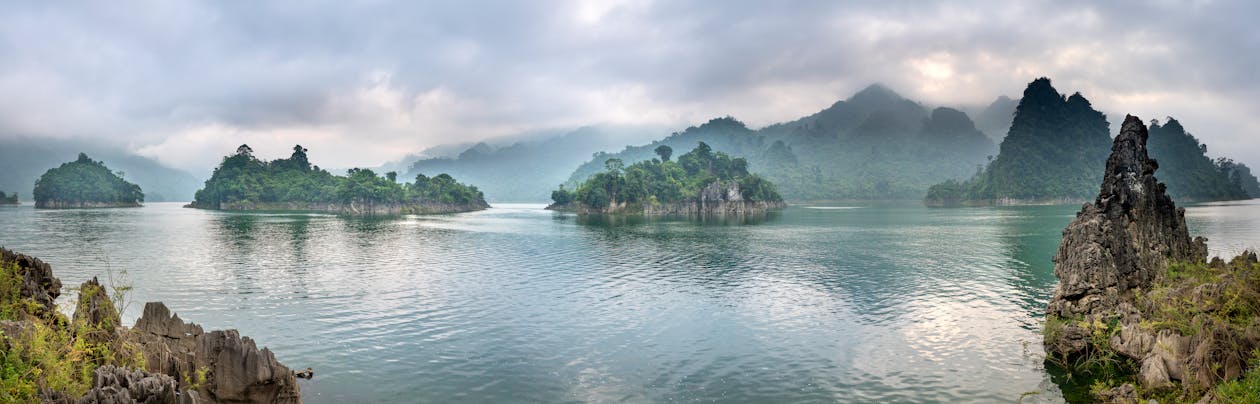
The Tsingy de Bemaraha Strict Nature Reserve is one of the most extraordinary landscapes on Earth — a vast plateau of razor-sharp limestone pinnacles rising from the Manambolo River gorge in western Madagascar. A UNESCO World Heritage Site since 1990, the Tsingy (“walking on tiptoes” in Malagasy) is unlike anything else in the natural world. Getting there is genuinely difficult; seeing it is genuinely unforgettable.
What Are the Tsingy?
The tsingy are limestone karst formations — jagged spires, arches, canyons, and sinkholes created over millions of years by underground water dissolving the limestone bedrock. The pinnacles are razor-sharp at their tips and can reach 30–40 meters tall. The entire formation is interconnected by caves, underground rivers, and subterranean passages that have created one of the most complex cave ecosystems in Africa.
The reserve also contains dry deciduous forest, deep river canyons, and endemic species found nowhere else on Earth — including several lemur species and specialized flora adapted to the extreme conditions.
Grands Tsingy vs Petits Tsingy
The reserve has two main circuit areas:
Grands Tsingy
The northern section and the main attraction. The pinnacles here are the largest and most dramatic. Access requires hiking through the formations via a network of cables, ladders, and suspension bridges — some over 20 meters above the canyon floor. The full circuit takes 5–7 hours and requires reasonable fitness and comfort with heights. This is where the classic Tsingy photographs are taken.
Petits Tsingy
The southern section, accessible from Bekopaka village. Less dramatic than the Grands Tsingy but easier terrain — suitable for visitors who want the Tsingy experience with less climbing. The Petits Tsingy circuit takes 2–3 hours.
Most visitors do both on consecutive days, staying in Bekopaka overnight.
- Tsingy + Baobabs tours on GetYourGuide
- Tsingy on Viator
- Compare 4WD rental rates on Carla (if self-driving — only recommended for experienced off-road drivers)
- SafetyWing travel insurance — mandatory for this destination
- Bradt Madagascar Guide — detailed Tsingy logistics section
Wildlife at Tsingy de Bemaraha
The reserve’s isolated limestone ecosystem has driven remarkable endemic evolution:
- Decken’s sifaka — white with a dark cap, found leaping between the pinnacles. Extraordinary to watch navigate the razor landscape.
- Western lesser bamboo lemur
- Fat-tailed dwarf lemur
- Fossa — Madagascar’s largest predator, the fossa is cat-like and surprisingly powerful. Sightings are uncommon but possible.
- Over 90 bird species — including the Madagascar fish eagle, one of the world’s rarest raptors
- Crocodiles — in the Manambolo River below the reserve
How to Get to Tsingy de Bemaraha
Getting to the Tsingy is an adventure in itself. The reserve is located 550 km from Antananarivo, in one of Madagascar’s most remote western regions.
Option 1: Via Morondava (Recommended)
Fly Antananarivo → Morondava (Tsaradia, ~1 hour). Then overland by 4WD to Bekopaka: approximately 230 km, taking 6–9 hours depending on road conditions and river ferry crossings. A 4WD with high clearance is absolutely mandatory — this road is impassable in a standard vehicle. The Manambolo River crossing requires a ferry that operates on limited hours.
This route passes the Avenue of the Baobabs — many visitors combine both sites in a single western circuit.
Option 2: Guided Tour from Antananarivo
Several operators run 4–7 day overland tours combining Morondava, the Baobabs, and Tsingy. This is the most practical option for most visitors — you’re not responsible for navigating the logistics, vehicle reliability, or ferry schedules.
Book Tsingy de Bemaraha tours | Tsingy tours on Viator
Best Time to Visit
- April–November (dry season): The only practical time to visit. The road from Morondava to Bekopaka becomes impassable in the wet season — river levels rise, the ferry may not operate, and the plateau becomes dangerously slippery.
- July–September: Peak season. Comfortable temperatures, best road conditions. More expensive and crowded (relatively — still few tourists compared to other UNESCO sites).
- December–March: Do not attempt. The reserve is effectively closed due to road conditions.
What to Bring for the Tsingy
- Closed-toe shoes with good grip — mandatory. The circuit involves climbing over razor limestone. Sandals and thin-soled shoes are not permitted for safety reasons.
- Gloves (thin work gloves) — highly recommended for gripping cables and handrails over the sharp rock
- 1.5–2L water minimum — there’s no resupply inside the circuit and the heat in the canyon is intense
- Sunscreen and hat — no shade on the exposed plateau sections
- Camera with strap — you need both hands for the cables; a loose camera is a hazard
Where to Stay: Bekopaka
Bekopaka village is the gateway to the Tsingy circuits. Several lodges operate here, ranging from basic bungalows to comfortable eco-lodges. Given the remoteness, most lodges offer full board options (recommended — restaurant options in Bekopaka are limited). Book ahead; availability is limited and fills up in peak season.
→ Browse Bekopaka lodges on Agoda
Travel Insurance
The Tsingy is one of Madagascar’s most remote destinations. Medical evacuation from Bekopaka is extremely complex — the nearest proper hospital is in Morondava (several hours away by 4WD) or Antananarivo. SafetyWing travel insurance covers emergency medical evacuation and is non-negotiable for this destination.
FAQ — Tsingy de Bemaraha
How hard is the Tsingy physically?
The Grands Tsingy circuit is demanding — expect ladders, harness traversals, and scrambling over sharp limestone. A basic level of fitness and comfort with heights is required. The Petits Tsingy is much gentler and suitable for most visitors.
Do I need a guide at Tsingy de Bemaraha?
Yes, guides are mandatory. You cannot enter the park without one. Book through the park office in Bekopaka or in advance through a licensed tour operator.
What is the best time of year to visit Tsingy?
May to October (dry season). The park closes during the wet season (roughly November to April) when roads to Bekopaka become impassable.
How do I get to Tsingy de Bemaraha?
The most common route is flying to Morondava then a 4–6 hour 4×4 drive north to Bekopaka. Some visitors add a boat crossing of the Tsiribihina River for a more scenic approach. The road is rough — a 4×4 is essential.