Student Life in Madagascar: Inside the World of a Malagasy University Student
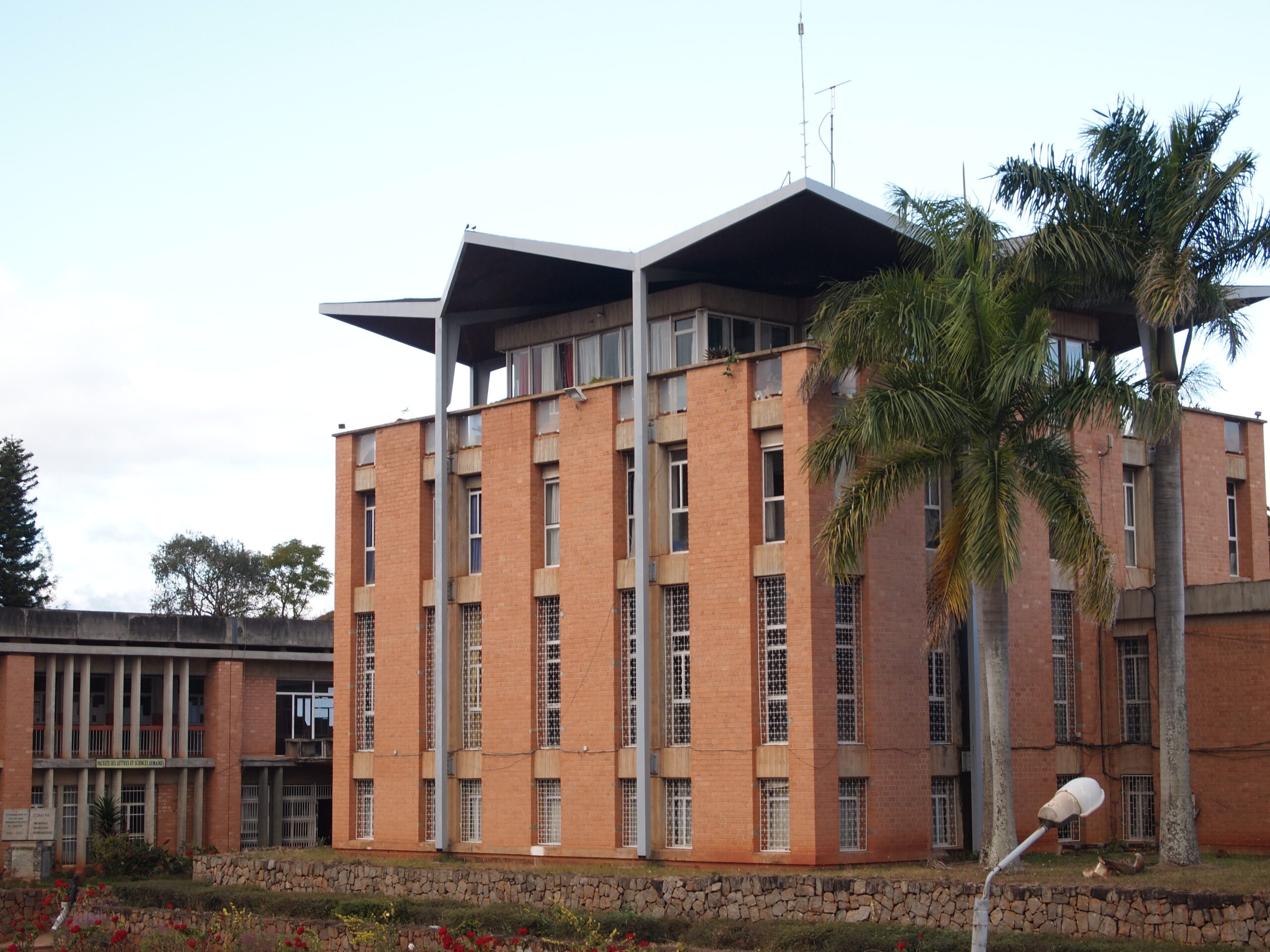
Known for its mineral wealth and extraordinary biodiversity, Madagascar is also home to a vibrant higher education culture. Malagasy graduates are known internationally for their resourcefulness, adaptability, and the ability to navigate complex challenges — qualities forged, in part, by the university experience itself.
Here’s what life looks like for a young Malagasy university student.
The Journey to University
For most young Malagasy people, university begins after obtaining the baccalauréat — the French-style secondary school diploma. At that point, it’s time to leave home, often traveling from rural provinces to the capital, Antananarivo, which offers the widest range of study options and disciplines.
Antananarivo is the most sought-after destination for higher education in Madagascar, partly because of its location, but primarily because universities there offer a far greater variety of fields compared to regional institutions.
Finding Housing and Funding
The first challenge on arrival is finding somewhere to live. Options include renting an apartment (often shared with other students), staying with family already in the city, or securing a room in a university residence (cité universitaire) — which is free if you’re enrolled at the corresponding institution.
Financially, students rely on a combination of family support and, for those at public universities, a monthly state scholarship. In theory, this scholarship should cover daily needs. In practice, it hasn’t kept pace with Madagascar’s rising cost of living — food, transport, and basic goods have all become more expensive while the scholarship amount has lagged.
Finding part-time work alongside studies is difficult. Most job postings require full-time availability, which makes holding a job while attending classes genuinely hard — not all students manage it.
For travelers to Madagascar, understanding the educational context adds depth to conversations with young Malagasy people you’ll meet — guides, staff at lodges, people in cities. Many have university backgrounds or are currently studying. It explains both their sophistication and their pragmatism.
Going deeper into Malagasy culture?
- Bradt Madagascar Guide on Amazon CA — includes cultural context and local life sections
- SafetyWing travel insurance — for travelers exploring Madagascar beyond the tourist trail
Related reading: Malagasy Traditional Marriage Customs | Tips for a Successful Trip to Madagascar
Campus Life
Despite the financial pressures, campus life in Madagascar is genuinely vibrant. Universities host inter-university sports competitions, cultural events, and a range of extracurricular activities. Campus grounds — especially at the University of Antananarivo — offer a degree of space and freedom that students value.
The contrast between financial difficulty and social richness is a defining feature of the Malagasy university experience. It creates resilience: the awareness that succeeding here requires discipline, creativity, and self-motivation that most students carry well beyond graduation.
FAQ — Student Life in Madagascar
What is the university system like in Madagascar?
Madagascar has several public universities, with the University of Antananarivo being the largest and most prestigious. French remains the primary language of instruction at university level, though Malagasy is used increasingly in some faculties.
How do students find housing in Madagascar?
Most students rent rooms or shared apartments near their university. Student residence halls (cités universitaires) exist but are limited and in high demand. Many students rely on family networks or community housing.
What do students eat day-to-day in Madagascar?
The Malagasy student diet is centred on rice (vary), eaten with beans (tsaramaso), leafy greens (brèdes), or small portions of meat or fish. Street food vendors near campuses sell affordable plates for under 2,000 ariary.
Is student life in Madagascar safe?
University towns like Antananarivo and Fianarantsoa are relatively safe for students who are aware of their surroundings. Petty theft in crowded areas is the main concern. Most students navigate daily life without serious incident.
Practical Information for Incoming Students
Whether you are coming for a semester abroad, a research placement, or a full degree program, navigating life as a student in Madagascar requires preparation beyond academics.
Language and Academic Life
The University of Antananarivo and most formal institutions use French as the primary language of instruction. Malagasy is spoken everywhere outside of classrooms. A working knowledge of French is effectively mandatory for academic life. Basic Malagasy will open doors socially and make daily errands significantly easier. Language apps and local tutors are available in Antananarivo for both languages.
Cost of Living as a Student
Madagascar is among the most affordable countries for student budgets in the region. Monthly accommodation in a shared house near the university in Antananarivo typically runs between 150,000 and 300,000 Ariary, approximately 35 to 70 USD. A restaurant meal costs 3,000 to 8,000 Ariary; cooking at home using local market produce is even cheaper.
Connectivity and Banking
SIM cards from Telma, Orange, or Airtel are available cheaply at major retailers and provide reasonable data coverage in cities. Mobile money, particularly Orange Money and MVola, is widely used and a practical alternative to carrying cash. International students should set up a local mobile money account as soon as possible. It is how rent, utilities, and many services are paid throughout the country.
Health and Insurance
Comprehensive travel health insurance is essential. Malaria prophylaxis is recommended for most regions outside the high central plateau. Register with your country’s embassy in Antananarivo upon arrival, and keep the contact details of the nearest quality medical clinic saved in your phone. Pharmacies in the capital are well-stocked, but rural areas have limited medical resources.