Antananarivo Travel Guide: Exploring Madagascar’s Capital City

Disclosure: This post contains affiliate links. If you book or buy through our links, we may earn a small commission at no extra cost to you. Thank you for supporting Voyagiste Madagascar!
Antananarivo — universally called “Tana” — is a city that rewards patience. Built across a dozen volcanic hills rising from the central highland plateau at 1,400 meters above sea level, the Malagasy capital is complex, hilly, traffic-choked, and at first glance overwhelming. But visitors who give it time discover a city of genuine charm: colonial-era churches crowning hilltops, traditional red-brick houses stacked improbably on steep slopes, a market culture of astonishing variety, live music most nights of the week, food that ranges from simple rice-with-stew to surprisingly sophisticated French-influenced cuisine, and a population defined by the characteristic Malagasy warmth and curiosity that makes every conversation an unexpected pleasure. This guide covers the essential Tana neighborhoods, attractions, practicalities, and tips that will help you make the most of time in a city that most travelers pass through too quickly to truly understand.
Neighborhoods Worth Exploring
Haute-Ville — The Historic Upper City
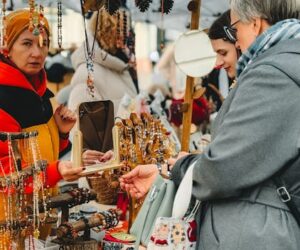
The Haute-Ville (Upper City) is Tana’s historic core, perched on the highest ridge and dominated by the Rova (royal palace complex), Queen’s Palace ruins, and a cluster of 19th-century churches including the Ambohimanga Rova precursor structures. The streets here are steep, narrow, and fascinating — traditional Merina architecture (tall, narrow red-brick townhouses with carved wooden balconies) crowds both sides, and the views across the lower city and surrounding highlands are exceptional. The Zoma market area nearby is Madagascar’s largest and most chaotic open-air market, a sensory overload of produce, textiles, electronics, and street food. The Haute-Ville rewards exploration on foot; allow several hours and wear comfortable shoes.
Isoraka and Analakely — Restaurants, Bars, and Commerce
Isoraka is the neighborhood most international visitors gravitate toward — a relatively flat area of restaurants, cultural centers, boutique hotels, and the Alliance Française Madagascar. It is the most accessible entry point into Tana’s social and cultural life, with reliable French and Malagasy cuisine, regular live music, and English and French spoken by most service staff. The adjacent Analakely commercial district contains the covered market, pharmacy rows, banks, and the organized chaos of a mid-sized African city center. Walking between Isoraka and Analakely takes 15–20 minutes and covers most of what visitors need.
Tsarasaotra and the Lake Districts
Tana’s lake districts — particularly the area around Lac Tsarasaotra (a Ramsar-listed wetland reserve hosting endemic and migratory waterbirds) — offer a slower, greener counterpoint to the city’s urban density. The lake is a surprising sanctuary minutes from downtown, where herons, ducks, and occasionally Madagascar’s endemic birds can be observed from the perimeter path. The surrounding residential neighborhoods are pleasant for slow exploration on foot and give a more authentic sense of how the city’s middle class lives, works, and moves. The Ambatobe neighborhood further northeast has the densest concentration of expatriate housing and international school facilities.
Key Attractions and Day Trips
The Rova of Antananarivo
The Rova (royal palace complex) atop the highest hill of the Haute-Ville was the seat of the Merina monarchy from the 17th century until the French colonial conquest of 1895. The palace was tragically devastated by fire in 1995 but has been partially restored, and the site — commanding panoramic views across the city and surrounding highlands — remains one of the most historically resonant places in Madagascar. The surrounding district contains several historic stone churches built during the reign of Queen Ranavalona III. Entry requires a guide (available at the site) whose local knowledge dramatically enriches the visit. Allow 2–3 hours for the Rova and the walk through the Haute-Ville streets surrounding it.
Ambohimanga — The Sacred Royal Hill
Ambohimanga, a UNESCO World Heritage Site 20km from central Antananarivo, is the original royal hill-city of the Merina kingdom and one of the most sacred sites in Madagascar. The hilltop enclosure contains the original royal palace (much more intact and atmospheric than the Antananarivo Rova), ancestral tombs, and the massive stone gate that was rolled across the entrance each evening to protect the royal family. Ambohimanga is an active pilgrimage site visited year-round by Malagasy people seeking ancestral blessing, and the atmosphere — especially in the early morning before day-trip crowds arrive — is genuinely moving. A half-day excursion by taxi from Tana.
Lemurs’ Park and Day Excursions
Lemurs’ Park, 23km west of Antananarivo along the RN1 road toward the airport, provides the easiest and most comfortable lemur encounter available from the capital. Seven species of rescued and semi-wild lemurs roam a forested riverside property where visitors walk guided trails in close proximity to ring-tailed lemurs, black-and-white ruffed lemurs, brown lemurs, and others. The park also hosts chameleons, birds, and a crocodile pool. Combining Lemurs’ Park with a visit to the Ampefy volcanic lake region (2.5 hours further west) makes an excellent full-day excursion. Other popular day trips from Tana include the Croc Farm (crocodile sanctuary at Rte des Hydrocarbures) and the craft town of Ambositra (4 hours south).
Travel Resources
Tours & Activities: Browse Madagascar tours on GetYourGuide — day trips, cultural experiences, and guided excursions.
Experiences: Explore Madagascar experiences on Viator — top-rated local tours and adventures.
Travel Insurance: SafetyWing Nomad Insurance — affordable health and travel coverage for long-term travelers.
Car Rental: Compare car rentals in Madagascar on Carla — find the best deals from top rental companies.
FAQ — Antananarivo Travel Guide
Is Antananarivo safe for tourists?
Antananarivo is broadly safe for tourists who apply standard urban common sense. Petty theft (bag snatching, pickpocketing in crowded markets) is the primary risk; violent crime targeting tourists is rare but not unknown. Avoid walking in unfamiliar neighborhoods after dark, keep valuables secured and out of sight, use taxis for nighttime transport, and stay alert in market areas. The Haute-Ville and Isoraka areas are generally safe during daylight hours. Hiring a local guide for the first day or two dramatically reduces the stress of navigation and simultaneously reduces exposure to opportunistic crime. The US and UK government travel advisories for Madagascar reflect general developing-country caution rather than specific threat assessments, and most visitors complete their time in Tana without incident.
How do I get around Antananarivo?
Antananarivo’s traffic is famously challenging — the city’s geography (multiple steep hills connected by narrow roads) creates bottlenecks that can make short distances take surprisingly long by vehicle. Taxis are the most practical option for inter-neighborhood transport; negotiate the fare before departure (rates are not metered). Pousse-pousse (human-pulled rickshaws) operate in flatter areas and are useful for short distances. Walking is ideal for exploring the Haute-Ville and the Isoraka-Analakely area but becomes impractical for longer distances due to hills and traffic. Taxi-brousse (shared taxis/minibuses) connect Tana to regional destinations and are the main long-distance transport option. Avoid attempting to drive yourself in Tana unless you have extensive experience with chaotic developing-city traffic; hiring a driver with the car is the standard arrangement for rented vehicles.
What is the best time of year to visit Antananarivo?
Antananarivo is at its most pleasant during the dry season (April through October/November), when days are sunny, temperatures are mild (15–25°C), and the red laterite highlands show their most dramatic colors. The rainy season (November through March) brings afternoon thunderstorms, occasional flooding of lower city areas, and muddier conditions for excursions but also lush green landscapes and lower tourist prices. June offers the combined attraction of Independence Day celebrations (June 26) and the dry-season climate. July and August are peak tourist months with the best weather and most reliable road conditions for highland travel. December through February is cyclone season for the coastal regions, though Antananarivo itself is rarely directly affected by cyclones — it does, however, experience heavy rain during this period.
What should I eat and drink in Antananarivo?
Antananarivo offers a surprisingly diverse food scene for a city of its size. Malagasy cuisine centers on vary (rice) as the indispensable foundation, accompanied by laoka — side dishes including romazava (the national meat-and-greens stew), ravitoto (pork with cassava leaves), brèdes (leafy green stews), and grilled zebu beef. Street food around the Analakely market includes mofo gasy (small rice cakes), mofo baolina (fried doughnut balls), samosas, and grilled skewers. The French colonial culinary influence persists strongly in mid-range and upscale restaurants, which serve respectable baguettes, pastries, crêpes, and French-style meat dishes. Three Horses Beer (THB), Madagascar’s local lager, is ubiquitous and excellent. Coffee from the highland regions is genuinely good — ask for café malgache for the local style. Tap water is not safe to drink; bottled water is inexpensive and widely available.
How many days should I spend in Antananarivo?
Most travelers treat Antananarivo purely as a transit point and spend only one to two nights. This is a mistake. Three to four days in Tana — with half-day excursions to Ambohimanga and Lemurs’ Park, genuine exploration of the Haute-Ville, an evening of live music, and market wandering — produces a qualitatively different and much richer understanding of Malagasy culture than a rushed overnight stop. The capital is not Madagascar’s most visually spectacular destination, but it is the country’s intellectual and cultural center, and the conversations, encounters, and context it provides carry forward into every subsequent destination on the island. Visitors who genuinely engage with Tana consistently report that it was more rewarding than they expected; those who rush through almost always say they wish they’d stayed longer.