
Bargaining in Madagascar
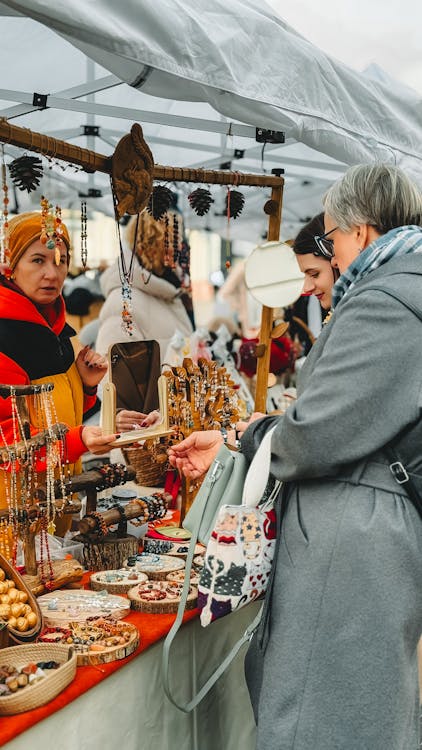
Bargaining is a business practice used in everyday life in Madagascar. It applies to everything from fruit and vegetable prices to taxi and rickshaw fares. How does it work? The merchant will give you a price well above the normal value of the product or service — it’s up to you to negotiate your way down to the “real” price.
Prices of goods and services quoted to you will generally be an overestimate compared to what a local would pay. Taxes are included in the displayed prices. Even prices shown on stall signs and in shops remain negotiable.
It’s important to have some idea of the true value of what you’re buying before you start negotiating. Shopping with a local your first time makes this much easier — the habit and instinct develop quickly after that.
How to Bargain Effectively in Madagascar
Do your research first
Visit a few stalls or shops for the same item before committing. Seeing multiple prices gives you a baseline. At local markets like Analakely in Antananarivo, you’ll quickly calibrate what a fair price looks like.
Stay calm and friendly
Bargaining in Madagascar is not confrontational — it’s social. A smile, patience, and a little Malagasy (even just “misaotra” for thank you) goes a long way. Aggressive negotiating is counterproductive.
Know when not to bargain
In supermarkets (Score, Shoprite) and modern restaurants, prices are fixed. Street food stalls and local markets are where bargaining is expected. Taxis always require negotiation — there are no meters.
Counter at 40–60% of the asking price
A starting counter of half the asking price is typical for tourist-facing vendors. Expect to meet somewhere in the middle. If the seller’s final offer still feels high, politely walk away — often they’ll call you back.
Practical Tips
- Carry small bills (Ariary) — exact change speeds up transactions and prevents sellers from “not having change”
- Don’t show too much enthusiasm for an item before negotiating — it raises the opening price
- Group purchases give you leverage: buying three of something makes a discount easier to justify
- Ask “mora mora?” (cheaper?) as a simple opener
Planning a trip to Madagascar?
- Browse guided tours of Antananarivo — explore local markets with an expert guide
- SafetyWing travel insurance — covers Madagascar with evacuation included
- Bradt Madagascar travel guide on Amazon CA — the most detailed guide available
Related reading: Tips for a Successful Trip to Madagascar | Market Types in Madagascar


tsara be ilay torohevitra
Je connais tsara be mais pouvez-vous traduire SVP?
Je connais bien ce système de marchandage quand j’ai passé quelques mois là-bas….Y faut savoir négocier c’est sûr…:)