Île Sainte-Marie (Nosy Boraha), Madagascar: Complete Travel Guide
Disclosure: This post contains affiliate links. If you book or buy through these links, we earn a small commission at no extra cost to you.
Île Sainte-Marie — officially Nosy Boraha — is a 60 km sliver of island off Madagascar’s northeast coast. It sits in the path of humpback whale migrations, has some of the island’s most pristine beaches, and carries an unusual history as a 17th-century pirate haven. It is quieter than Nosy Be, less developed, and for many travelers, exactly what they want from Madagascar.
Why Visit Île Sainte-Marie
- Humpback whale watching (July–September) — one of the most accessible whale encounters in the world
- Uncrowded beaches — the lagoon coast (west side) has calm, clear water with very few people
- Pirate history — a famous cemetery from the golden age of Indian Ocean piracy
- Relaxed pace — there is genuinely not much to do here except beach, boat, and eat — which is the point
When to Visit
- July–September: Humpback whale season. The peak reason to visit. Boats go out daily and sightings are almost guaranteed. Book accommodation well in advance — this is the island’s high season.
- April–June and October–November: Dry, warm, fewer tourists. Excellent for beaches and diving. No whale watching.
- December–March: Rainy season on the northeast coast. Île Sainte-Marie gets more rainfall than Nosy Be in this period. Some hotels close. Not recommended unless you’re flexible.
- Île Sainte-Marie hotels on Agoda
- Browse all Île Sainte-Marie tours on GetYourGuide
- Île Sainte-Marie on Viator
- SafetyWing travel insurance — buy before your outbound flight
- Bradt Madagascar Travel Guide — detailed island coverage
Humpback Whale Watching
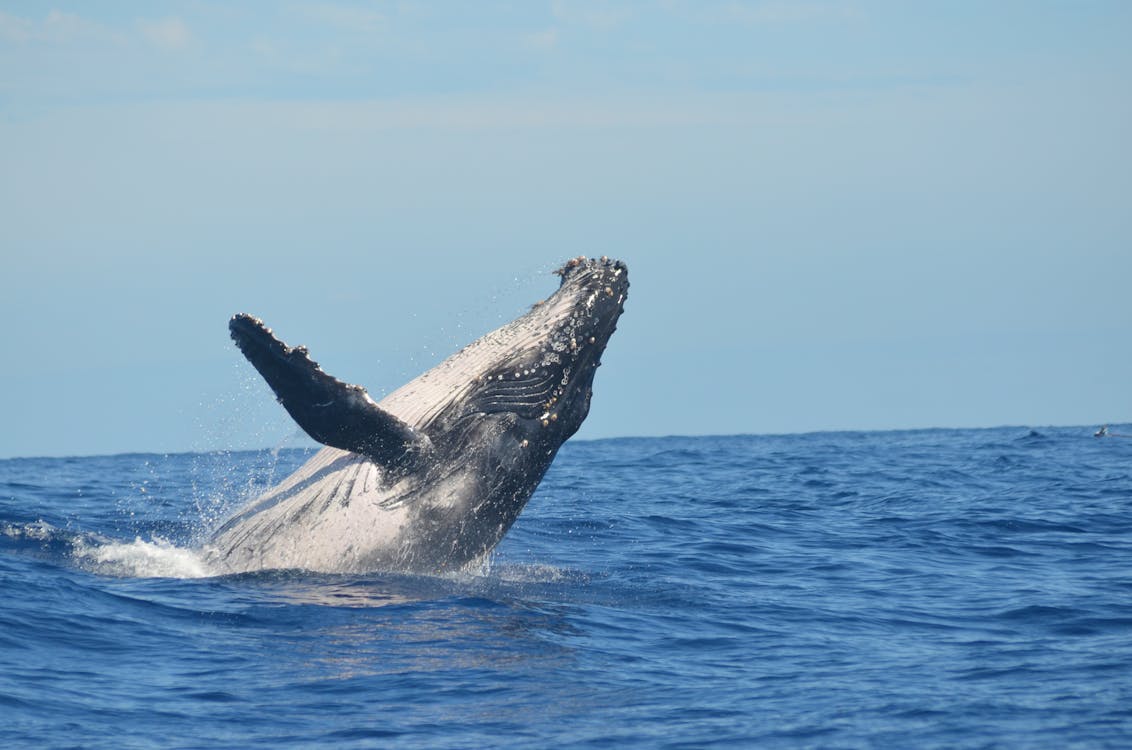
The Bay of Antongil — north of the island — is a critical calving and nursery ground for the southern population of humpback whales. Between July and September, hundreds of whales use the bay. Boats from the island’s main port (Ambodifotatra) reach the whale areas in 30–60 minutes.
What to expect on a whale watching tour:
- Tours typically run 5–7 hours including travel time
- Mother-calf pairs are the most common sighting — calves stay close to the surface
- Breaching, fin slapping, and tail-lobbing are regular behaviors during the breeding season
- On calm days, boats drift with engines off while whales surface within meters
- Bring seasickness medication — the open sea can be choppy in July
Book whale watching tours from Île Sainte-Marie | Île Sainte-Marie whale watching on Viator
Beaches
Île Sainte-Marie is long and narrow. The two coasts have different characters:
West Coast (Lagoon Side)
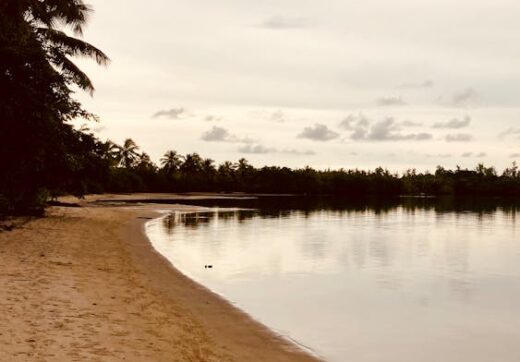
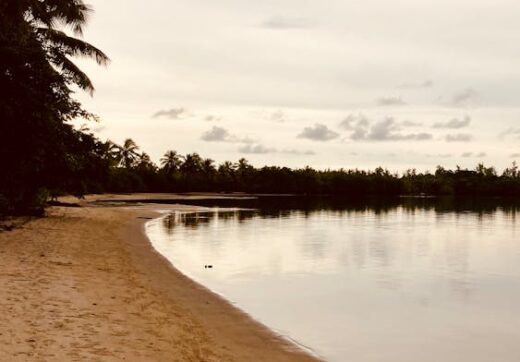
Protected by a coral reef, the lagoon coast has calm, flat water — ideal for swimming, snorkeling, and kayaking. The beaches here are wide and relatively uncrowded. Most hotels and restaurants are on this side. The lagoon water is clear and shallow, making it safe for children.
East Coast (Ocean Side)
The east coast faces the open Indian Ocean. Beaches are more dramatic — longer stretches of sand, larger waves, fewer facilities. Swimming can be rough depending on season and weather. Better for long walks and photography than for swimming.
Île aux Nattes (Nosy Nato)
A small island off the southern tip of Île Sainte-Marie, connected at low tide. Known for one of the most beautiful beaches in Madagascar — fine white sand, palm trees, clear water. Reached by pirogue (dugout canoe) in minutes from the south tip of the main island. A few small guesthouses operate here.
The Pirate Cemetery
In the 17th and 18th centuries, Île Sainte-Marie was a major base for pirates operating in the Indian Ocean and Red Sea. The island’s sheltered bay made it ideal for ship repairs and resupply. A small cemetery near Ambodifotatra contains the graves of several pirates, with old skull-and-crossbones gravestones still visible. The site is atmospheric and historically authentic — not a tourist reconstruction.
Walking distance from the main town. Local guides can provide historical context.
Getting Around
The island has one main road running roughly north-south. Getting around options:
- Scooter or motorbike hire — the most practical and popular option. Ask your hotel; daily rates are reasonable. Roads vary in quality.
- Tuk-tuk or taxi — available in and around Ambodifotatra for shorter trips
- Pirogue (dugout canoe) — for reaching Île aux Nattes and some coastal points
- Bicycle — possible for the more athletic; some sections of road are rough
Comparing rental options before arrival: check car and scooter rental rates on Carla.
Getting There
- By air: Tsaradia (domestic Air Madagascar) operates Antananarivo (TNR) → Île Sainte-Marie (SMS) regularly. About 1 hour. Book well ahead for July–September.
- By speedboat: From Soanierana-Ivongo on the northeast mainland coast. About 1 hour crossing. Weather-dependent — can be cancelled in rough conditions. Not recommended with large luggage.
- By road + boat: Drive/bus to Soanierana-Ivongo from Toamasina (several hours on rough roads), then speedboat. Scenic but slow.
Where to Stay
Most accommodation is on the west (lagoon) coast, concentrated around Ambodifotatra (the main town) and the villages north and south of it. Options range from simple bungalows to mid-range beach lodges. Luxury properties are fewer than on Nosy Be — the island’s appeal is precisely that it hasn’t been heavily developed.
→ Browse Île Sainte-Marie hotels on Agoda
Travel Insurance
Medical facilities on Île Sainte-Marie are minimal — a small infirmary handles minor issues. Anything serious means evacuation to Tamatave (Toamasina) or Antananarivo. SafetyWing travel insurance covers emergency medical evacuation and is essential for remote island travel.
FAQ — Île Sainte-Marie
How do you get to Île Sainte-Marie?
The main options are a 45-minute domestic flight from Antananarivo with Air Madagascar or Tsaradia, or a slower ferry from Soanierana-Ivongo on the mainland (4–6 hours, rough in heavy weather). Flying is strongly recommended for most visitors.
When is whale watching season at Île Sainte-Marie?
Humpback whale season runs from mid-June to mid-September, peaking in July and August. Whales are often visible from the shore during this period and boat trips get you within metres of them.
Is Île Sainte-Marie suitable for families?
Yes — calm lagoon beaches, gentle water, and manageable distances make it very family-friendly. The island is quieter and lower-key than Nosy Be, which suits families wanting a relaxed beach trip.
How many days should I spend on Île Sainte-Marie?
Three to five days is ideal — time for beaches, the Pirate Cemetery, whale watching (in season), and a boat trip to Île aux Nattes. A week is comfortable if you want to fully unwind.