Nosy Bé ou Sainte-Marie : comparatif complet
Divulgation : Cet article contient des liens d’affiliation. Si vous réservez ou achetez via ces liens, nous gagnons une petite commission sans frais supplémentaires pour vous.
En bref
- Où dormir : Disponibilités hôtels sur Agoda — Nosy Be
- Excursions : Excursions Madagascar sur GetYourGuide
Nosy Be et Île Sainte-Marie (Nosy Boraha) sont les deux destinations insulaires les plus populaires de Madagascar — et les deux sont véritablement exceptionnelles. Mais elles servent des types de voyageurs différents, offrent des paysages différents et livrent des atmosphères différentes. Choisir entre elles — ou décider de visiter les deux — nécessite de comprendre ce qui rend chacune unique. Cette comparaison complète couvre les plages, les activités, l’accès, les coûts, la meilleure période de visite et à qui chaque île convient le mieux.
En un coup d’œil : Nosy Be vs Île Sainte-Marie
| Catégorie | Nosy Be | Île Sainte-Marie |
|---|---|---|
| Localisation | Nord-ouest de Madagascar, près d’Ambanja | Côte est, près de Toamasina |
| Superficie | 312 km² | 222 km² |
| Accès | Vols directs depuis Antananarivo (~1,5h) | Vols directs depuis Antananarivo (~1,5h) |
| Plages | Excellentes — eau turquoise et cristalline | Excellentes — lagon calme, mer calme |
| Atmosphère | Plus active, axée sur les stations balnéaires | Détendue, intime, au rythme lent |
| Vie marine | Excellent plongée, requins-baleines | Baleines à bosse (juil–sep) — de classe mondiale |
| Vie nocturne | Présente — bars, restaurants | Mineure — très calme |
| Affluence | Plus de touristes, plus animé en haute saison | Plus calme dans l’ensemble |
| Idéal pour | Plongée, vacances en station balnéaire, voyageurs actifs | Observation des baleines, détente, couples |
S’y rendre : Comparaison d’accès
Nosy Be
Nosy Be (aéroport de Fascene, NOS) reçoit des vols directs depuis Antananarivo (environ 1h30 avec Air Madagascar / Tsaradia). Des vols charters internationaux directs opèrent depuis l’Europe en haute saison (principalement des tours-opérateurs français). De l’aéroport, une courte traversée en bateau vous mène à Hell-Ville (Andoany), la ville principale. Des bateaux inter-îles desservent Nosy Komba, Nosy Sakatia et Nosy Tanikely.
Nosy Be est l’île la plus facile d’accès au niveau international, particulièrement pour les visiteurs européens arrivant sur des charters directs.
Île Sainte-Marie
Île Sainte-Marie (aéroport Sainte-Marie, SMS) reçoit des vols directs depuis Antananarivo (environ 1h30 avec Air Madagascar / Tsaradia). Aucun charter international direct — tous les visiteurs doivent transiter par la capitale. L’île dispose également d’une connexion par ferry depuis le continent côte est (Soanierana-Ivongo — environ 3 heures en bateau rapide ou plus long en bateau traditionnel).
L’accès est légèrement plus complexe que Nosy Be, nécessitant une correspondance à Antananarivo. Planifiez les vols domestiques bien à l’avance car la capacité est limitée.
Activités sur les deux îles
→ Tours et activités à Nosy Be sur GetYourGuide
Plages : Comparaison côte à côte
Plages de Nosy Be
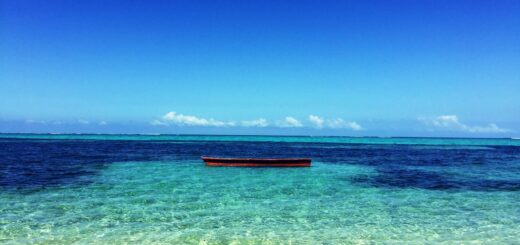
Les plages de Nosy Be se définissent par une eau turquoise cristalline et une qualité constante. La position nord-ouest de l’île dans le canal du Mozambique signifie des conditions calmes et abritées la plupart de l’année. Top plages :
- Plage Ambatoloaka : La plage principale près de la zone touristique. Scène active, restaurants, opérateurs de sports nautiques. Pas la plus paisible mais dispose de tout.
- Madirokely : Meilleure qualité qu’Ambatoloaka — plus large, moins fréquentée, eau turquoise. Bon snorkeling directement depuis la plage.
- Andilana : La plus belle plage de Nosy Be — sable blanc, eau cristalline, moins développée. Meilleur accès en quad ou transfert privé depuis Hell-Ville.
- Îles environnantes : Nosy Tanikely (parc marin protégé — snorkeling exceptionnel), Nosy Komba (lémurs noirs + plages), Nosy Sakatia (calme, tortues marines) — toutes accessibles en bateau depuis Hell-Ville en moins d’une heure.
Plages d’Île Sainte-Marie
Les plages de Sainte-Marie ont un caractère différent — calmes, protégées par le lagon, avec de belles baies sablonneuses encadrées de verdure :
- Île aux Nattes (Nosy Nato) : Une minuscule île accessible en pirogue à la pointe sud de Sainte-Marie. Plages tranquilles de sable blanc, quelques guesthouses, une atmosphère d’isolement complet. Beaucoup la considèrent comme la plus belle partie de l’expérience Sainte-Marie.
- Plage Ampanihy : Côte ouest centrale. Longue plage calme et protégée avec eau claire et peu profonde. Idéale pour la baignade et le kayak.
- Plage Lakana : Nord de Sainte-Marie — plus calme, moins de touristes. Longs tronçons de sable non développé.
- Plages du Cimetière des Pirates : Près du village de Saint-Louis — cadre magnifique avec l’histoire ajoutée du cimetière des pirates datant du 17ème siècle.
Verdict : Nosy Be a des plages mieux entretenues avec une infrastructure plus constante. Sainte-Marie a des plages plus tranquilles et atmosphériques avec un sens de l’isolement. Les deux sont exceptionnelles. Nosy Be gagne pour la clarté de l’eau et la variété d’accès aux plages ; Sainte-Marie gagne pour l’atmosphère et la solitude.
Vie marine et activités
Nosy Be — Plongée et requins-baleines
Nosy Be a la meilleure infrastructure de plongée à Madagascar. Les îles environnantes accueillent des récifs vierges avec une excellente visibilité, une vie aquatique diversifiée, des tortues marines et des requins-baleines occasionnels. L’archipel de Mitsio (accessible en croisière de plongée depuis Nosy Be) est parmi les plus spectaculaires plongées de l’océan Indien — remote, intouché et rempli de grands pélagiques.
Activités disponibles depuis Nosy Be :
- Plongée sous-marine (plusieurs opérateurs, cours PADI disponibles)
- Excursions de snorkeling au parc marin de Nosy Tanikely
- Rencontres avec les requins-baleines (saisonnier, mai–novembre)
- Pêche en eau profonde
- Kite surf (les conditions sont bonnes au nord-ouest)
- Quad biking sur l’île
- Saut d’île en pirogue
Île Sainte-Marie — Observation des baleines à bosse
L’expérience déterminante de Sainte-Marie — et celle qui la place sur une carte mondiale — est l’observation des baleines à bosse de juillet à septembre. La Baie d’Antongil, juste au nord de Sainte-Marie, est l’une des zones de reproduction et de mise bas les plus importantes des baleines à bosse de l’hémisphère sud. Des centaines de baleines à bosse se rassemblent ici chaque année. L’observation des baleines depuis Sainte-Marie — en petit bateau, souvent à très courte distance — est parmi les meilleures du monde.
Activités disponibles depuis Île Sainte-Marie :
- Observation des baleines à bosse (juil–sep) — le clou du spectacle
- Snorkeling dans la baie et le lagon
- Visite du Cimetière des Pirates — l’un des rares cimetières de pirates restants au monde
- Tours en pirogue et excursions sur les îles (Île aux Nattes)
- Kayak dans le lagon calme
- Cyclisme sur l’île (25 km de long, relativement plat)
- Visites de villages culturels
Assurance voyage — Ne partez pas sans elle
Équipement essentiel pour les activités côtières de Madagascar
Le monde sous-marin de Madagascar est de classe mondiale — filmez-le en 5.3K avant qu’il ne soit trop tard
Les jardins de corail au large de Nosy Be, les requins baleines du canal du Mozambique, les baleines à bosse vers l’Île Sainte-Marie — votre téléphone ne va pas sous l’eau. Le GoPro HERO13 Black filme en 5.3K60 et est étanche jusqu’à 10 mètres sans boîtier. Fixez-le sur votre masque de plongée, accrochez-le à votre kayak. Vendu directement par Amazon.
Vérifier le prix et la disponibilité sur Amazon →
L’indice UV à Madagascar dépasse 11 — votre peau a besoin de plus que de la crème solaire dans l’eau
Nosy Be, Île Sainte-Marie, les récifs au large de Fort Dauphin — sous un soleil équatorial dont l’indice UV dépasse régulièrement 11. La crème solaire se dissout dans l’eau en 20 minutes. Le rashguard O’Neill UPF 50+ bloque 98 % des UV toute la journée, dans et hors de l’eau, sans réapplication.
Vérifier le prix et la disponibilité sur Amazon →
Plonger sur les récifs de Madagascar sans protection UV — c’est rentrer avec une semaine de dégâts solaires
Les récifs de Nosy Be et de l’Île aux Nattes font partie des plus beaux spots de snorkeling de l’océan Indien — sous un soleil équatorial direct. Le rashguard Hurley Women’s UPF 50+ protège torse, bras et épaules avec une protection UV totale. Léger, séchage rapide, conçu pour les vraies conditions océaniques.
Vérifier le prix et la disponibilité sur Amazon →
Une vague, une traversée en pirogue, une averse — c’est tout ce qu’il faut pour perdre votre téléphone à Madagascar
Les traversées se font en pirogues — sans rebords dignes de ce nom. Une seule vague imprévue. Un seul pirogue surchargé. Une seule averse sans abri. La pochette étanche JOTO scelle votre téléphone dans un boîtier IPX8 jusqu’à 30 mètres de profondeur. Utilisez l’écran tactile à travers l’étui, photographiez sous l’eau. Moins de 15 $.
Vérifier le prix et la disponibilité sur Amazon →
Votre appareil photo, votre passeport et vos objets de valeur ont besoin d’une protection étanche pour les transferts en bateau
Transferts vers Nosy Komba, sites de plongée, plages reculées de Masoala — les vagues frappent, les embruns trempent tout. Un appareil photo détruit ou un passeport trempé est un problème difficile à résoudre dans un pays sans Apple Store. Le sac étanche Earth Pak se ferme pour une étanchéité totale certifiée IPX8. Recommandé par le NY Times Wirecutter, garanti 5 ans.
Vérifier le prix et la disponibilité sur Amazon →
L’évacuation médicale de l’océan Indien peut coûter 30 000 $ à 80 000 $. Voyagez toujours avec une couverture.
- SafetyWing — assurance médicale voyage par abonnement mensuel ; vous pouvez consulter leurs offres.
- World Nomads — assurance voyage à voyage unique avec options d’activités d’aventure.
Hébergement et coûts
Nosy Be
Nosy Be a la gamme d’hébergement la plus développée à Madagascar — des guesthouses bon marché (15–30 $/nuit) aux hôtels milieu de gamme (50–120 $/nuit) aux complexes balnéaires haut de gamme (150–400 $/nuit). L’île accueille les touristes en forfaits européens (les opérateurs français apportent des forfaits charters) ainsi que les voyageurs indépendants. Les prix sont plus élevés que dans la plupart de Madagascar mais bien en dessous des îles comparables de l’océan Indien.
Île Sainte-Marie
Sainte-Marie a de bonnes options d’hébergement mais à une échelle plus petite que Nosy Be. Les bungalows économiques commencent autour de 20–40 $/nuit ; les hôtels milieu de gamme coûtent 60–120 $/nuit ; les rares propriétés haut de gamme atteignent 150–300 $/nuit. Le niveau de prix global est similaire à Nosy Be mais avec moins d’options au haut de gamme. L’atmosphère calme de l’île signifie moins de restaurants et d’options en soirée.
| Niveau de budget | Nosy Be | Île Sainte-Marie |
|---|---|---|
| Économique | 15–30 $/nuit | 20–40 $/nuit |
| Milieu de gamme | 50–120 $/nuit | 60–120 $/nuit |
| Haut de gamme | 150–400 $/nuit | 150–300 $/nuit |
Atmosphère et vie nocturne
Nosy Be
Nosy Be a la scène touristique la plus active de Madagascar. Hell-Ville (Andoany) a des bars, des restaurants, des marchés et une activité en soirée. La plage d’Ambatoloaka a des restaurants en bord de plage et des bars qui restent ouverts tard. Si vous voulez des options pour manger, vous divertir et une activité sociale, Nosy Be en offre beaucoup plus qu’ailleurs à Madagascar.
Île Sainte-Marie
Sainte-Marie est délibérément calme. L’île a des restaurants et de petits bars, mais aucune vie nocturne à proprement parler. Après le dîner, les activités se terminent. C’est exactement ce que de nombreux visiteurs veulent — une déconnexion complète, des nuits précoces, un bon sommeil et des matins sur des plages vides. C’est une île de lune de miel pour une raison.
Verdict : Pour les activités et l’atmosphère sociale, Nosy Be. Pour la paix, la romance et la déconnexion, Sainte-Marie.
Meilleure période de visite
| Mois | Nosy Be | Île Sainte-Marie |
|---|---|---|
| Mai–octobre | ⭐ Meilleur — saison sèche, conditions excellentes | ⭐ Meilleur — saison sèche ; juil–sep = saison des baleines |
| Juil–sep | Bon — haute saison, un peu venteux | ⭐⭐ Pic — baleines à bosse présentes |
| Nov–avr | Saison humide — risque de cyclone, mers agitées | Saison humide — plus agité, risque de cyclone |
Différence clé : Si l’observation des baleines à bosse est votre priorité, vous devez visiter Sainte-Marie en juillet–septembre. Aucun autre moment n’offre cette expérience. Nosy Be n’a pas d’équivalent saisonnier — elle est constamment bonne mai–octobre.
Pouvez-vous visiter les deux ?
Oui — et de nombreux voyageurs le font. Les deux îles ont des vols directs vers/depuis Antananarivo. Un itinéraire combiné fonctionne bien :
- Option A (Focus nature, juil–sep) : 7 jours Nosy Be (plongée, saut d’île) → vol vers Antananarivo → vol vers Sainte-Marie (5 jours observation des baleines + détente)
- Option B (Plage et culture) : 5 jours Sainte-Marie (cimetière des pirates, plages calmes, kayak) → retour à Antananarivo → vol vers Nosy Be (5 jours station balnéaire, plongée)
Tenez compte : chaque île nécessite une correspondance via Antananarivo, ajoutant 1 jour de voyage entre elles. Les vols domestiques se remplissent rapidement en haute saison — réservez les deux trajets aussi tôt que possible.
Qui devrait choisir Nosy Be ?
- Les plongeurs et les amateurs de snorkeling voulant la meilleure infrastructure sous-marine à Madagascar
- Les voyageurs voulant des jours actifs — sports nautiques, quad biking, saut d’île
- Les voyageurs arrivant sur des forfaits charters européens
- Ceux qui veulent de bonnes options de restaurants et une activité en soirée
- Les visiteurs qui veulent des vacances balnéaires sans l’observation des baleines comme priorité
Qui devrait choisir Île Sainte-Marie ?
- Quiconque visite juillet–septembre pour l’observation des baleines à bosse — c’est non négociable
- Les couples et les jeunes mariés voulant une paix et une romance complètes
- Les voyageurs préférant des expériences tranquilles, sans hâte, de voyage lent
- Les passionnés d’histoire intéressés par le patrimoine pirate de l’île
- Ceux qui veulent des plages non fréquentées sans infrastructure de station balnéaire
FAQ — Nosy Be vs Île Sainte-Marie
Quelle île a la meilleure plongée ?
Nosy Be, de loin. Plus d’opérateurs, plus de sites de plongée et accès au circuit de croisière de plongée de l’archipel de Mitsio. Sainte-Marie a du snorkeling et de la plongée basique mais n’est pas principalement une destination de plongée.
Quelle est la meilleure période pour voir les baleines à Sainte-Marie ?
Juillet et août sont les mois de pointe — la plus haute concentration de baleines à bosse. Septembre est également excellent et légèrement moins fréquenté. Juin et octobre sont transitoires — moins de baleines mais observations possibles.
Île Sainte-Marie est-elle bonne hors saison des baleines ?
Oui — les plages, Île aux Nattes, le kayak et le cyclisme sont excellents toute l’année (si les conditions météorologiques le permettent). Mais si vous voyagez spécifiquement pour l’expérience des baleines, juillet–septembre est essentiel.
Quelle île est la plus chère ?
Similaire au global, Nosy Be ayant légèrement plus d’options d’hébergement aux deux extrémités du budget et du luxe. Nosy Be a également plus de concurrence entre restaurants, ce qui aide à maintenir les prix des aliments raisonnables.
Pouvez-vous visiter les deux en un seul voyage ?
Oui, mais budgétez 1 jour de voyage supplémentaire pour la correspondance à Antananarivo. Les deux îles ont des vols directs depuis la capitale. Un voyage de 14 jours peut couvrir confortablement 5–6 jours sur chaque île avec du temps pour la capitale.
Le verdict
Nosy Be est la destination insulaire la plus développée et accessible de Madagascar — excellente pour la plongée, les vacances en station balnéaire et les voyageurs actifs. C’est le choix plus facile pour les visiteurs pour la première fois à Madagascar qui veulent une infrastructure fiable et une qualité de plage.
Île Sainte-Marie est plus intime, plus calme et offre l’une des grandes expériences fauniques du monde en saison des baleines à bosse. Elle récompense les voyageurs qui veulent quelque chose au rythme plus lent et qui sont prêts à planifier leur visite pour un impact maximal.
Si vous ne pouvez en choisir qu’une : allez à Nosy Be si vous voulez la plongée et l’activité ; allez à Sainte-Marie en juillet–septembre si vous voulez l’observation des baleines et l’atmosphère la plus romantique de Madagascar.
→ Tours à Nosy Be sur GetYourGuide | → Observation des baleines à Sainte-Marie sur GetYourGuide | → Assurance voyage SafetyWing | → Compensation pour retard d’avion sur AirAdvisor
Se déplacer : Madagascar ne dispose pas de transports en commun fiables — les voyages indépendants nécessitent un 4×4. Comparez les locations de 4×4 à Antananarivo sur Carla →
Planifiez Votre Voyage à Madagascar
- Lire le guide de voyage complet Madagascar
- Explorer les itinéraires par style et durée
- Explorer le guide complet de la destination
Où Dormir