Complete Madagascar Passport Requirements Guide: Everything You Need to Know Before Traveling
This post contains affiliate links. We may earn a small commission at no extra cost to you.
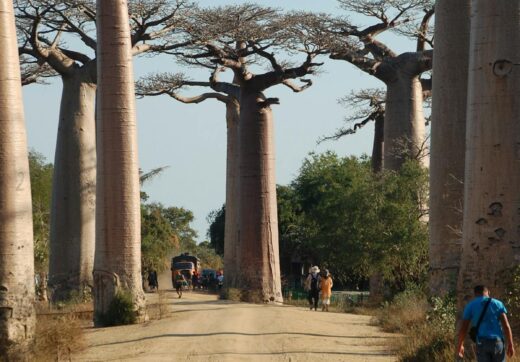
Planning a trip to Madagascar is exciting, but getting your travel documents in order is crucial. Understanding passport requirements is the first step toward ensuring a smooth journey to this island paradise. Whether you’re visiting the rainforests of Andasibe, exploring the Avenue of the Baobabs near Menabe, or diving in the waters off Nosy Be, having proper documentation will let you focus on the adventure rather than bureaucratic concerns.
This comprehensive guide covers everything you need to know about passport requirements for Madagascar, including validity periods, visa information, entry procedures, and practical tips from experienced travelers. We’ll help you navigate the documentation process so you can spend more time planning your activities with reputable operators like Turismo or local guides and less time worrying about paperwork.
Plan your Madagascar trip:
Passport Validity Requirements for Madagascar Entry
Your passport is your most important travel document for Madagascar, and it must meet specific validity requirements set by the Malagasy government. The most critical requirement is that your passport must be valid for at least six months beyond your intended date of departure from Madagascar. This is a standard requirement enforced by most African nations, and Madagascar is no exception. Many travelers make the mistake of assuming that a passport valid until their return date is sufficient, but immigration officers will often deny entry if your passport doesn’t meet the six-month validity rule.
If your passport expires within six months, you should renew it before booking your trip. The renewal process varies by country, but it typically takes several weeks to several months depending on where you apply. In the United States, standard passport renewal can take 6 to 9 weeks, while expedited services cost extra but reduce this to 2 to 3 weeks. In the United Kingdom, standard processing takes up to 10 weeks, while in Canada, it can take 4 to 6 weeks. Australia typically processes applications in 4 to 6 weeks as well.
Additionally, your passport should have at least two blank pages available for entry and exit stamps. While Madagascar officials may be lenient with space, having adequate blank pages prevents any potential complications. It’s also wise to make photocopies of your passport’s biographical information page before you travel. Keep one copy with you in a separate location from your original passport, and leave another copy with a trusted contact at home. These copies serve as important backup documentation if your passport is lost or stolen during your Madagascar adventure.
Visa Requirements and Application Process for Madagascar
Madagascar’s visa policy is relatively straightforward for most international visitors, though it varies depending on your nationality. Citizens of many countries, including the United States, Canada, Australia, the United Kingdom, and most European nations, can obtain a visa on arrival at Nadi Antananarivo International Airport or other designated border points. The on-arrival visa, called a ‘Travel Authorization’ or ‘Visitor’s Visa,’ is typically valid for 90 days and costs between USD 37 to USD 75, depending on the validity period you request. Payment must be made in cash upon arrival, and the process usually takes just 15 to 30 minutes at immigration.
However, if you prefer to arrange your visa before departure, you can apply at the nearest Malagasy embassy or consulate. Major embassies are located in key cities worldwide: in Washington DC for the United States, in Ottawa for Canada, in Canberra for Australia, and in London for the United Kingdom. The pre-arrival visa process typically takes 3 to 7 business days and costs roughly the same amount as the on-arrival visa. Some travelers prefer this option for peace of mind, particularly first-time visitors or those with complicated travel schedules. Processing times and exact costs can vary, so contact your nearest embassy directly before planning your timeline.
For extended stays beyond 90 days, you’ll need to apply for a longer-stay visa. This might be necessary if you’re conducting business, engaging in volunteer work, or planning an extended holiday. Extended visas can be obtained through the same embassy channels and may require additional documentation such as proof of employment, accommodation, or financial means. Some tour operators like Turismo offer visa assistance services for their clients, helping arrange documentation and ensuring all requirements are met before you arrive. It’s important to note that visa regulations can change, so always check the Malagasy Ministry of Foreign Affairs website or your nearest embassy for the most current requirements before booking your trip.
Read also:
Save money on your Madagascar trip:
Entry and Exit Procedures at Madagascar Borders
Arriving at Nadi Antananarivo International Airport, the main gateway to Madagascar, involves a straightforward immigration process if you have your documents prepared. Upon arrival, you’ll proceed through immigration where officials will examine your passport, visa (if pre-arranged), return ticket, and sometimes proof of accommodation. They’ll ask standard questions about the purpose of your visit, how long you’re staying, and where you’re planning to go. Having clear answers and maintaining a friendly demeanor with immigration officers helps expedite the process. Most visitors receive their 90-day tourist visa without complications, though processing times can occasionally extend to an hour during peak arrival periods.
It’s important to have your visa fee in either USD or EUR cash, as many border points may not accept credit cards or other currencies. While some airports are beginning to accept electronic payments, cash remains the most reliable method. Keep your immigration paperwork organized in an easily accessible folder or pocket. When you receive your visa stamp, the immigration officer will typically staple or stamp the visa into your passport. Make sure you understand the expiration date clearly before leaving the immigration desk. If there’s any confusion about your visa validity, ask for clarification immediately rather than discovering issues later.
When exiting Madagascar, the process is generally simpler. You’ll pass through airport security, then to an exit immigration desk where officials will verify your passport and ensure your visa hasn’t expired. As long as your documents are in order and you haven’t violated any immigration rules, exit is typically hassle-free. However, be aware that Madagascar doesn’t always issue exit stamps consistently; some travelers report leaving without receiving official stamps. This is generally not a problem for future travel, but it’s worth noting. If you’re departing through secondary airports like Antsiranana or Toliara rather than the main Antananarivo airport, procedures are similarly straightforward but may take slightly longer due to fewer staff resources.
Additional Documentation and Travel Tips for Madagascar Visits
Beyond your passport and visa, several other documents will enhance your Madagascar travel experience and provide necessary backup protection. A travel insurance policy is highly recommended, particularly one that covers medical evacuation, as Madagascar’s healthcare facilities outside the capital are limited. Your travel insurance documentation should be easily accessible and reviewed before departure. Additionally, many travel operators and accommodations may request proof of travel insurance, especially if you’re planning adventure activities like hiking in the Isalo National Park or diving near Nosy Be.
It’s wise to carry several copies of your passport’s biographical page, as these can be invaluable if your original passport is lost or stolen. Distribute these copies strategically: keep one in a separate luggage compartment, email one to yourself, and leave one with a trusted contact at home. This redundancy provides multiple recovery options in emergencies. Your return flight confirmation and hotel reservations aren’t legally required, but keeping these documents accessible can be helpful during immigration interviews or if you need to prove financial means and accommodation arrangements. Many travelers also carry an International Driving Permit if they plan to rent vehicles, though a valid driver’s license from your home country is generally sufficient for car rentals through established companies like Europcar.
Vaccinations aren’t legally required for Madagascar entry, but they’re strongly recommended by health organizations. The Centers for Disease Control and the World Health Organization recommend vaccinations for hepatitis A and B, typhoid, and Japanese encephalitis, depending on your planned activities and regions. Yellow fever vaccination is not required by Madagascar, though it may be required for entry into other countries if you’ve visited Madagascar. Consult with a travel health clinic at least 4 to 6 weeks before your departure to determine which vaccinations are appropriate for your specific itinerary. Finally, ensure your passport and any visas are clearly visible and undamaged. Torn pages, water damage, or obvious tampering can cause serious problems at immigration. Taking photos of your documents before travel creates additional backup records that can assist in document replacement if needed.
Ready to book your Madagascar trip?
Frequently Asked Questions
Can I enter Madagascar if my passport is valid for exactly 90 days?
No. Your passport must be valid for at least six months beyond your intended departure date from Madagascar. This is a hard requirement enforced at immigration. If your passport expires within six months from your departure date, you need to renew it before traveling. Plan ahead and check your passport expiration date at least three months before your trip.
How much does a visa on arrival cost, and what currency should I bring?
A 90-day tourist visa on arrival costs between USD 37 to USD 75, depending on the validity period. You must pay in cash, preferably USD or EUR. While some modern airports may accept cards, cash is the most reliable payment method. Visit an ATM at the airport if needed, though it’s safer to carry the exact amount in cash from home to avoid complications.
What should I do if my passport is lost or stolen in Madagascar?
Contact your embassy or consulate immediately. France’s embassy is in Antananarivo, as are consulates for most major countries. Having photocopies of your passport stored separately and emailed to yourself will greatly speed up replacement. Most embassies can issue emergency travel documents within 24-48 hours. Register with your embassy before traveling for added security. Tour operators like Turismo can assist with emergency contacts if needed.
Do I need vaccinations to enter Madagascar?
Vaccinations are not legally required for entry, but they are strongly recommended. The CDC recommends hepatitis A and B, typhoid, and Japanese encephalitis vaccinations depending on your itinerary and activities. Visit a travel health clinic 4-6 weeks before departure for personalized recommendations. Yellow fever vaccination is not required for Madagascar entry, though it may be needed for other countries if you’ve visited Madagascar.
Can I extend my 90-day tourist visa if I want to stay longer?
Yes, you can apply for extended visas through the Malagasy immigration office in Antananarivo. Extensions require additional documentation such as proof of accommodation, employment, or financial means. Processing typically takes 5-7 business days and costs around USD 50-100. Contact the immigration office or work with a travel operator for assistance. Plan extensions well before your original visa expires to avoid complications.
Obtaining proper travel documentation is essential for a smooth Madagascar adventure, but the process is more straightforward than many travelers imagine. As long as you verify your passport validity, understand the visa requirements for your nationality, and prepare backup copies of important documents, you’ll be well-prepared for immigration procedures. Start your preparations at least two to three months before your planned departure date to ensure all documents are in order. Whether you’re exploring the unique wildlife with experienced tour operators, hiking through national parks, or relaxing on pristine beaches, having your passport and visa requirements sorted allows you to focus entirely on creating unforgettable memories in Madagascar.