Taxi-brousse à Madagascar : guide complet pour voyager comme un local
Divulgation d’affiliation : Cet article contient des liens sponsorisés vers des hôtels, voyagistes, assureurs et autres services de voyage. Nous percevons une petite commission si vous réservez via nos liens, sans coût supplémentaire pour vous.
En bref — Voyager en taxi-brousse
Le taxi-brousse (littéralement « taxi de brousse ») est le réseau de minibus partagés de Madagascar et la colonne vertébrale des déplacements de la plupart des Malgaches entre villes, bourgs et villages. Il est bon marché, convivial et dessert presque partout — mais il est aussi lent, bondé et imprévisible : il quitte une gare routière uniquement lorsqu’il est plein, jamais selon un horaire. Il récompense la patience et la curiosité ; si le confort et un horaire fixe comptent davantage pour vous, une voiture privée avec chauffeur est l’alternative évidente.
- Vous préférez le confort et votre propre rythme : Réservez une voiture avec chauffeur via Carla — la façon détendue de parcourir les mêmes itinéraires.
- Où séjourner à Antananarivo : Vérifiez la disponibilité des hôtels à Antananarivo sur Agoda.
- Circuits guidés et excursions : Parcourez les circuits à Madagascar sur GetYourGuide.
- Assurance voyage : Assurez-vous avec SafetyWing avant tout long trajet terrestre.
🎒 L’essentiel pour Madagascar
Quelques articles bon marché changent tout sur le terrain à Madagascar :
- Répulsif à la picaridine — sans DEET, contre les moustiques du paludisme. Voir sur Amazon →
- Spray perméthrine vêtements — tue les moustiques au contact pendant des semaines. Voir sur Amazon →
- Moustiquaire pop-up — rare en hébergement économique; se plie très petit. Voir sur Amazon →
- Gourde filtrante — l’eau du robinet n’est pas potable à Madagascar. Voir sur Amazon →
- Adaptateur universel (USB-C) — Madagascar utilise des prises de type européen. Voir sur Amazon →
- Jumelles 8×42 — indispensables pour repérer lémuriens et caméléons. Voir sur Amazon →
En tant que Partenaire Amazon, nous réalisons un bénéfice sur les achats éligibles.
Voyager à travers Madagascar est une aventure en soi — et le taxi-brousse en est le battement de cœur. Pour les voyageurs en quête d’immersion, de vrais contacts culturels et de coûts de transport minimes, ce système informel de minibus partagés relie la capitale, les villes de province, les bourgs de marché poussiéreux et les villages reculés de la quatrième plus grande île du monde. C’est ainsi que des millions de Malgaches se déplacent chaque jour, et monter à bord de l’un d’eux est l’un des moyens les plus rapides de cesser d’être spectateur pour devenir acteur du pays que vous êtes venu découvrir.
C’est aussi, soyons honnêtes, inconfortable, lent et parfois exaspérant. Ce guide explique exactement ce qu’est un taxi-brousse, comment fonctionne le système du « départ quand c’est plein », comment acheter un billet et choisir une place correcte, à quoi ressemblent vraiment les conditions, combien de temps durent réellement les trajets et — surtout — quand le taxi-brousse en vaut la peine par rapport à la simple location d’une voiture avec chauffeur. Sans enjoliver, sans horaires inventés : juste ce qu’il vous faut pour voyager comme un local, en connaissance de cause.
Qu’est-ce qu’un taxi-brousse, exactement ?
Un taxi-brousse est un minibus, un van ou un petit camion partagé qui fait office de transport public longue distance. Le nom associe le taxi à la brousse, et cela résume tout : un taxi pour tous, en direction de la campagne. Contrairement à une compagnie de bus formelle avec services numérotés et horaires imprimés, le système de taxi-brousse est semi-organisé, géré de façon privée et infiniment adaptable.
Le véhicule le plus courant est un minibus de type Mercedes Sprinter équipé d’autant de rangées de banquettes qu’il peut physiquement en contenir, même si sur les trajets plus courts ou plus difficiles vous trouverez de vieux vans, des pick-up ou des camions aménagés. Les passagers voyagent aux côtés de leurs bagages — et il est tout à fait normal de partager le trajet avec des sacs de riz, des cageots de produits, un vélo arrimé sur le toit ou parfois une poule. Les véhicules partent quand ils sont pleins plutôt qu’à horaire fixe, et couvrent aussi bien un saut d’une heure entre deux villes voisines que d’éreintants trajets de plusieurs jours à travers l’île.
Un peu de vocabulaire est utile. Un taxi-brousse est le minibus interurbain standard. Un taxi-be est un véhicule partagé plus grand sur certains axes, et le taxi-ville désigne les petits taxis qui circulent au sein d’une ville. Pour se déplacer entre destinations, c’est presque toujours au taxi-brousse que vous aurez affaire. Pour une vue d’ensemble de la façon dont tout cela s’articule, consultez notre guide pratique complet des transports publics à Madagascar.
La gare routière et le système du « départ quand c’est plein »
Chaque trajet en taxi-brousse commence à une gare routière — la station de taxis de brousse. Dans les grandes villes, il s’agit d’une cour tentaculaire et chaotique remplie de minibus stationnés, de rabatteurs, de vendeurs de nourriture et de porteurs, chaque véhicule affichant à la craie ou criant une destination précise. Les grandes villes ont plus d’une gare routière, et chacune tend à se spécialiser dans une direction : une station pour le sud et l’ouest, une autre pour l’est et le nord. Savoir quelle gare dessert votre destination avant de partir vous évite bien des confusions — demandez à votre hôtel ou à votre maison d’hôtes de vous l’écrire.
La caractéristique déterminante de tout le système est qu’un taxi-brousse part quand il est plein, pas quand l’horloge le dit. Il n’y a aucun tableau des départs auquel se fier. Un véhicule se remplit place par place, et ce n’est qu’une fois la dernière vendue que le chauffeur quitte réellement la cour. Si vous arrivez devant un minibus presque plein, vous pouvez partir en quelques minutes. Si vous êtes le premier passager du matin, vous pourriez attendre une heure, deux heures, voire une bonne partie de la journée pour que les places restantes se vendent.
La conséquence pratique : plus le véhicule est plein à votre arrivée, plus vite vous partez. Le petit matin est en général le moment le plus chargé et votre meilleure chance d’un départ rapide, surtout sur les axes populaires. Hors des heures de pointe, ou vers un lieu obscur, attendez-vous à patienter. Cette imprévisibilité est la plus grande différence entre le taxi-brousse et tout système de transport que vous connaissez — considérez « l’heure de départ » qu’on vous annonce comme une suggestion optimiste, jamais comme une promesse.
Acheter son billet et réserver une place
Vous achetez les billets à la gare routière elle-même, généralement à un petit guichet ou directement auprès de la coopérative du véhicule (le kiosque de l’opérateur). Sur les axes interurbains fréquentés, vous pouvez souvent réserver une place la veille, ce qui vaut vraiment la peine si vous voulez une place précise plutôt que ce qui reste. Le paiement se fait uniquement en espèces — en ariary malgache — et il n’y a pas de terminal de carte, alors emportez suffisamment de petites coupures.
Quelques habitudes facilitent les choses :
- Réservez à l’avance pour les longs trajets ou les axes populaires. Sur les corridors les plus fréquentés, réserver la veille vous laisse choisir votre place et vous garantit d’embarquer plutôt que d’être renvoyé au véhicule suivant.
- Confirmez le tarif avant de payer. Les prix varient selon l’itinéraire et la saison ; renseignez-vous au guichet et, si possible, recoupez auprès d’un local. Les voyageurs étrangers se voient parfois annoncer un tarif un peu élevé — confirmer poliment maintient l’équité.
- Demandez si les bagages sont payants. Un gros sac arrimé sur le toit entraîne parfois un petit supplément. Clarifiez d’emblée pour éviter une surprise à l’arrivée.
- Gardez votre billet. Il confirme votre numéro de place là où les places sont numérotées, et on peut vous le demander en cours de route.
Nous évitons délibérément d’indiquer des tarifs exacts ici, car ils fluctuent avec le prix du carburant, la saison et l’itinéraire, et tout chiffre imprimé aujourd’hui vous induirait en erreur demain. Pour donner un ordre d’idée, les courts trajets sont peu coûteux et les plus longues traversées de l’île coûtent nettement plus — mais confirmez toujours le prix actuel sur place.
Quelle place choisir
L’endroit où vous vous asseyez façonne tout votre trajet, alors choisissez délibérément quand vous en avez la possibilité :
- La cabine avant, à côté du chauffeur : généralement la plus confortable — plus d’espace pour les jambes, une meilleure vue et un air plus frais. C’est la place à demander ou à réserver si elle est disponible, même si elle coûte un peu plus cher et part en premier.
- Les places côté fenêtre : à viser sur n’importe quelle rangée. Vous profitez de l’air, d’un appui, et vous n’êtes pas celui qui enjambe tout le monde à chaque arrêt.
- Évitez la toute dernière rangée : elle subit le pire des cahots sur les routes difficiles, offre le moins d’espace pour les jambes et est la plus éloignée de la porte — une épreuve sur un long trajet défoncé.
- Attention aux passages de roue : les places directement au-dessus des roues arrière empiètent sur l’espace pour les pieds. Si vous êtes grand, cela compte plus qu’on ne le croit.
Comme les véhicules partent une fois pleins, arriver tôt fait double emploi : cela améliore vos chances d’un départ rapide et vous donne le premier choix des bonnes places. Sur un trajet de neuf heures, ce choix fait la différence entre une aventure et une épreuve d’endurance.
À quoi ressemble vraiment le trajet : les conditions
Réglez vos attentes honnêtement et le taxi-brousse devient bien plus agréable. Voici la réalité sans fard :
La promiscuité. Les minibus sont remplis à pleine capacité, parfois au-delà. L’espace pour les jambes est limité, les banquettes se garnissent épaule contre épaule, et l’espace personnel est une notion étrangère. Si les courses, l’enfant ou le coude de quelqu’un se retrouvent sur vos genoux pour une partie du trajet, c’est simplement ainsi.
Bagages et marchandises. Les gros sacs sont arrimés sur la galerie du toit sous une bâche ou calés à l’arrière. Aux côtés des passagers, vous pourrez trouver des produits, des marchandises de marché, des pneus de secours et — oui — parfois un animal vivant. Cela fait partie de la texture du voyage.
Les arrêts. Attendez-vous à des haltes fréquentes : pour prendre et déposer des passagers en route, pour des pauses repas au bord de la route (un moment fort — brochettes, fruits et cuisine de rue tendus à travers les fenêtres), pour le carburant, et pour des vérifications ou réparations mécaniques. Ces arrêts allongent le trajet mais le rythment aussi et sont là où se joue une grande partie de la vie sociale.
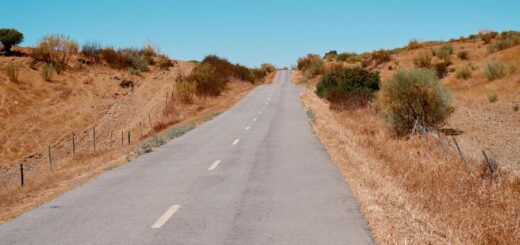
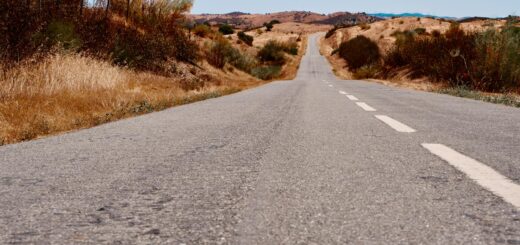
Les routes. Les revêtements vont du bitume correct près de la capitale à l’asphalte défoncé, au gravier et aux pistes de terre ravinées dans le sud et l’ouest. La qualité des routes est la principale raison pour laquelle les trajets sont si longs. Pour un tableau plus complet, lisez nos guides sur l’état des routes à Madagascar et, si vous envisagez de conduire vous-même, sur la conduite à Madagascar.
Sécurité et protection de vos affaires
Le taxi-brousse est généralement sûr de jour et utilisé par tout le monde, mais quelques précautions de bon sens font une vraie différence :
- Évitez les trajets de nuit. C’est la règle la plus importante. La mauvaise visibilité, la fatigue et le risque accru de pannes ou d’incidents après la tombée de la nuit jouent tous contre vous. Visez une arrivée à destination de jour et voyagez en début de journée.
- Choisissez un opérateur réputé. Certaines coopératives exploitent des véhicules mieux entretenus et des chauffeurs plus expérimentés que d’autres. Demandez à votre hôtel, votre maison d’hôtes ou un guide local à qui ils font confiance sur votre itinéraire.
- Gardez vos objets de valeur sur vous. Portez votre passeport, votre argent, votre téléphone et votre appareil photo dans un sac sur vos genoux ou porté devant — jamais dans les bagages envoyés sur le toit. Surveillez vos affaires lors des arrêts animés.
- Répartissez votre argent liquide. Gardez une petite somme accessible pour les snacks et les frais, et le reste rangé séparément.
- Restez flexible. Les retards, les pannes et les changements d’itinéraire sont courants. Prévoyez de la marge pour qu’une arrivée tardive ne fasse pas rater une correspondance ou un circuit réservé.
- Souscrivez une assurance. Une évacuation médicale depuis les régions reculées de Madagascar coûte une fortune. Ne voyagez pas par voie terrestre sans couverture — SafetyWing est une option simple pour les voyageurs et les longs séjours.
Notez qu’à Madagascar on roule à droite, et que les dépassements sur les routes de montagne sinueuses sont fréquents — une raison de plus de privilégier les trajets de jour et un chauffeur en qui vous avez confiance.
Temps de trajet réalistes par rapport à la distance
Le plus difficile à intégrer pour un primo-visiteur est à quel point distance et temps sont à peine corrélés à Madagascar. Un itinéraire qui ressemble à un court trajet sur la carte peut engloutir une bonne partie de la journée. Les routes lentes, sinueuses et souvent dégradées, les arrêts fréquents et l’attente du remplissage du véhicule conspirent tous à étirer les trajets bien au-delà de ce que suggèrent les kilomètres.
Plutôt que de citer des durées exactes qui varient énormément selon les conditions, planifiez avec de généreuses marges et une règle simple : attendez-vous à des vitesses moyennes bien inférieures à ce que vous supposeriez sur le papier, et ajoutez du temps de contingence par-dessus. Un trajet qui « devrait » prendre quelques heures peut facilement durer bien plus une fois pris en compte l’attente du remplissage, les arrêts en route et les éventuels ennuis de route. Les traversées de l’île doivent être envisagées comme des engagements d’une journée entière (voire de plusieurs jours).
C’est précisément pourquoi de nombreux voyageurs découpent les longs itinéraires terrestres en étapes, avec une nuit dans les villes en chemin — la classique route du sud en est un bon exemple, traitée dans notre guide du sud de Madagascar par la RN7. Si vous esquissez tout un voyage, notre guide d’itinéraire à Madagascar montre un rythme réaliste pour ne pas perdre vos vacances sur la route.
Étiquette et conseils de langue
Un peu de courtoisie et quelques mots de la langue locale transforment l’expérience :
- Saluez les gens. Un « Salama » (bonjour en malgache) amical ou un « Bonjour » font beaucoup. Les voyageurs malgaches sont en général chaleureux et curieux, et un sourire ouvre des portes.
- Le français de base aide. Le français est largement compris, surtout par les chauffeurs et aux guichets. Une poignée d’expressions malgaches — « misaotra » (merci), « eny » (oui), « tsia » (non) — vous vaut une réelle sympathie.
- Soyez patient et facile à vivre. S’énerver visiblement à cause des retards vous fait remarquer et ne change rien. Les locaux considèrent l’attente comme normale ; adopter cette attitude rend tout le trajet plus fluide.
- Respectez l’espace partagé. Gardez votre sac compact, ne vous étalez pas, et proposez d’aider à déplacer les bagages ou de tenir le paquet d’un inconnu. Ces petits gestes sont remarqués et appréciés.
- Demandez avant de photographier les gens. Les scènes sont magnifiques, mais un sourire et un geste demandant la permission relèvent de la simple courtoisie.
Quand le taxi-brousse en vaut la peine — et quand louer une voiture avec chauffeur
Le taxi-brousse est réellement le bon choix pour certains voyageurs et le mauvais pour d’autres. Soyez honnête avec vous-même sur celui que vous êtes.
Prenez le taxi-brousse si vous voyagez avec un budget serré, que vous voulez activement l’expérience immersive, conviviale et imprévisible, que vous disposez de beaucoup de temps et de flexibilité, et que l’inconfort ne vous dérange pas. Pour les routards en solo et les voyageurs lents, c’est un rapport qualité-prix imbattable et souvent le point fort du voyage.
Louez une voiture avec chauffeur si votre temps est limité, que vous voyagez en couple ou en famille, que vous voulez vous arrêter pour les photos et les sites à votre rythme, que vous avez un équipement lourd ou de valeur, ou que vous appréciez tout simplement le confort et la fiabilité. Un chauffeur privé connaît les routes, gère la logistique, attend pendant que vous explorez, et transforme un éreintant trajet terrestre en un road-trip détendu — et, surtout, vous permet de voyager en toute sécurité au lieu d’être enfermé sur un itinéraire de minibus fixe.
Pour la plupart des visiteurs sur un voyage de deux à trois semaines, une voie médiane sensée fonctionne le mieux : prenez un taxi-brousse une ou deux fois pour l’expérience sur un itinéraire gérable, et utilisez une voiture avec chauffeur pour les étapes longues, fatigantes ou où le temps est critique. Si vous préférez éviter complètement la file et la promiscuité, réservez une voiture avec chauffeur via Carla ou contactez-nous et nous vous aiderons à l’organiser.
Notes par région
La couverture en taxi-brousse atteint presque tous les recoins de Madagascar, mais le caractère de chaque itinéraire varie énormément :
- Hautes terres centrales (autour d’Antananarivo, Antsirabe, Fianarantsoa) : le corridor le plus fréquenté et le mieux desservi, sur les routes les plus fiables du pays. Les véhicules se remplissent vite et les départs sont fréquents — l’endroit le plus facile pour goûter au taxi-brousse.
- La RN7 vers le sud : la classique route terrestre vers le grand sud. Bien fréquentée et pittoresque, mais longue ; la plupart des gens la découpent en étapes plutôt que de la faire d’une traite.
- Vers l’est et la côte (vers Toamasina) : un axe majeur vers le principal port, généralement animé, même si la descente vers la côte peut être lente et sinueuse.
- Ouest et sud-ouest (vers Morondava et au-delà) : plus long, plus chaud et plus rude, avec une qualité de route qui se dégrade nettement. Les trajets y sont de sérieuses entreprises.
- Nord reculé et régions éloignées : desservis par le taxi-brousse, mais avec moins de départs, des attentes plus longues pour remplir les véhicules et les routes les plus difficiles. La patience n’est pas négociable.
Où que vous alliez, confirmez la situation actuelle sur place — les pluies saisonnières peuvent fermer ou fortement dégrader les routes, surtout dans le sud et l’ouest, modifiant à la fois les temps de trajet et le fait qu’un itinéraire soit assuré ou non.
Foire aux questions
Qu’est-ce qu’un taxi-brousse ?
C’est un minibus (ou van) partagé utilisé comme transport public longue distance à travers Madagascar. Il quitte une gare routière uniquement lorsqu’il est plein, transporte les passagers aux côtés des bagages et marchandises, et constitue le moyen habituel de déplacement de la plupart des Malgaches entre les villes.
Les taxis-brousses suivent-ils un horaire ?
Non. Ils partent quand le véhicule est plein plutôt qu’à une heure fixe. Arriver tôt — surtout au petit matin — vous donne la meilleure chance d’un départ rapide et d’une bonne place.
Le taxi-brousse est-il sûr pour les voyageurs étrangers ?
Généralement oui de jour, et les locaux de tous horizons l’utilisent. Les précautions clés sont d’éviter les trajets de nuit, de choisir un opérateur réputé, de garder vos objets de valeur sur vous plutôt que sur le toit, et de souscrire une assurance voyage pour les longs trajets terrestres.
Combien de temps durent les trajets ?
Plus longtemps que la distance ne le suggère. Les routes lentes et souvent dégradées, les arrêts fréquents et l’attente du remplissage du véhicule étirent les trajets bien au-delà des estimations de la carte. Planifiez avec de généreuses marges et considérez les traversées de l’île comme des engagements d’une journée ou de plusieurs jours ; confirmez les horaires sur place.
Dois-je prendre un taxi-brousse ou louer une voiture avec chauffeur ?
Prenez le taxi-brousse si vous avez un budget serré, du temps, et que vous voulez l’expérience authentique et sociale. Choisissez une voiture avec chauffeur si vous privilégiez le confort, un horaire flexible et la fiabilité, ou si vous manquez de temps — c’est bien plus détendu et cela vous permet de vous arrêter où bon vous semble.
Vous préférez le confort ? Réservez une voiture avec chauffeur
Le taxi-brousse est une tranche inoubliable de la vie malgache — mais si vous préférez parcourir les mêmes itinéraires dans le confort, à votre rythme, avec quelqu’un qui connaît les routes, une voiture privée avec chauffeur est la solution. Oubliez les banquettes bondées et l’attente du remplissage du véhicule, arrêtez-vous où vous voulez pour les photos, et arrivez détendu.
Réservez une voiture avec chauffeur via Carla → ou contactez-nous pour planifier votre itinéraire. Et avant tout long trajet terrestre, assurez-vous avec SafetyWing.
Vol retardé ou annulé ? Les vols vers Madagascar passent souvent par Paris ou Nairobi. Le règlement CE 261 peut vous donner droit à jusqu’à 600 € d’indemnité. Vérifiez votre réclamation gratuitement sur AirAdvisor →
Planifiez Votre Voyage à Madagascar
- Lire le guide de voyage complet Madagascar
- Explorer les itinéraires par style et durée
- Meilleures excursions et expériences guidées
Où Dormir