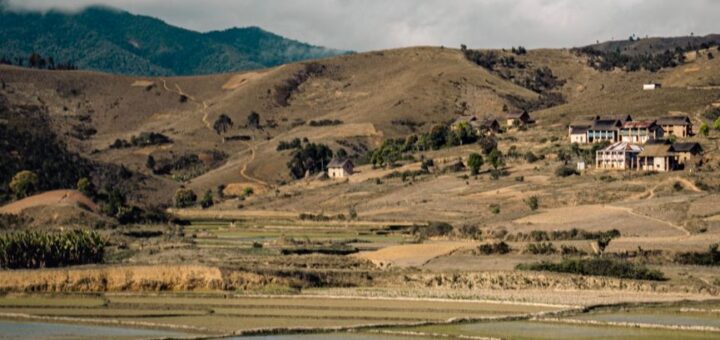
The Sacred Waters and Heights of the Betsileo Highlands
In the Betsileo highlands around Fianarantsoa, landscape and belief are one: rice terraces, ancestral tombs cut into the rock, holy mountains and waters protected by fady.

Hidden places, legends, everyday life, food, craft, nature and history — Madagascar beyond the tourist trail.
In the Betsileo highlands around Fianarantsoa, landscape and belief are one: rice terraces, ancestral tombs cut into the rock, holy mountains and waters protected by fady.
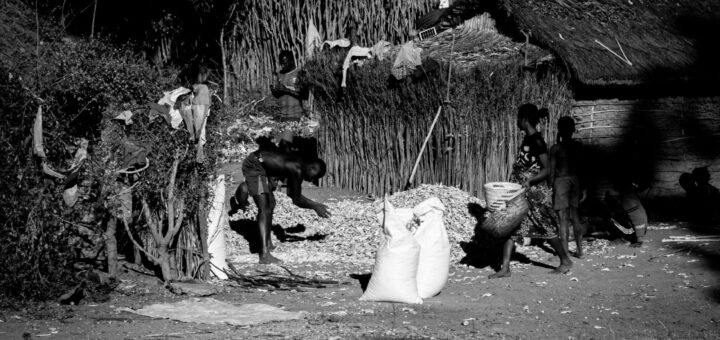
Cross an invisible line in Madagascar and a local may gently stop you. Fady — taboos that change village by village: pork, pointing, forbidden days. The island’s most local law, explained.
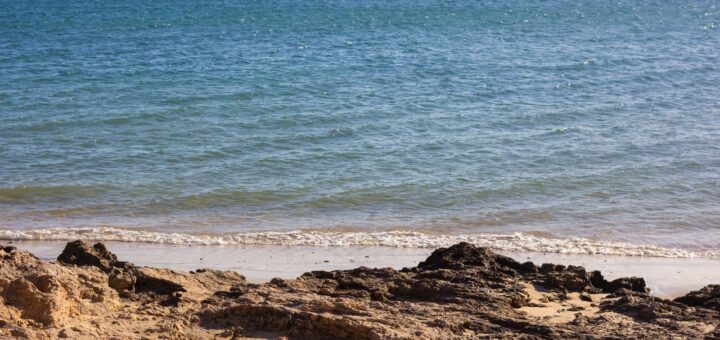
Hidden in Madagascar’s parched southwest lies a spring-fed oasis: the Seven Lakes of the Onilahy, a green seam of forest, birds and endemic life reached by pirogue from Toliara.
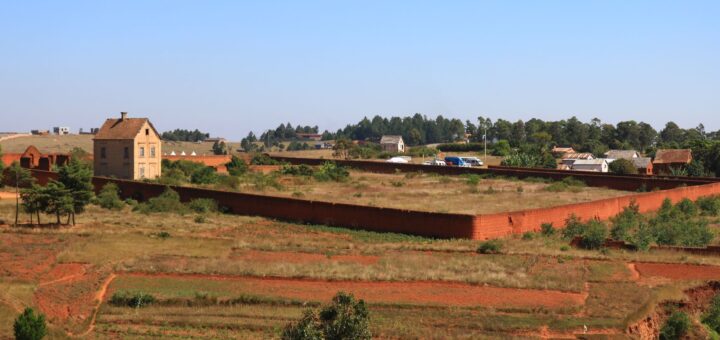
The omby sarety — Madagascar’s zebu-drawn cart — is no quaint survival. It is the real transport network of the rural island, a small business on two wheels, and generational wealth on the hoof.
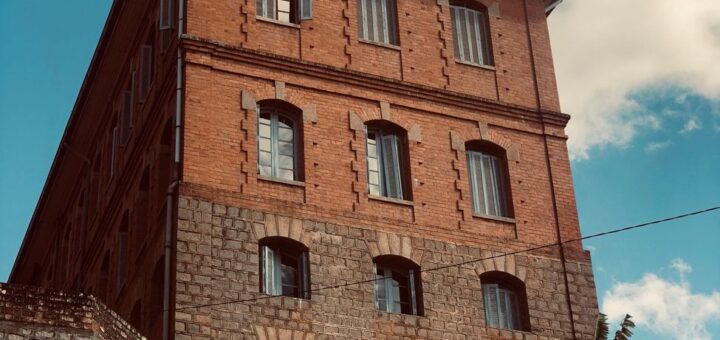
To see the real Antananarivo, come on a Sunday: families in their best climbing to church, massed hymns over the hills, and the long rice-centred family lunch that anchors the day.
In highland Madagascar the biggest bill a family faces is often for the dead. Grand tombs, week-long famadihana, herds of zebu — why families spend more on ancestors than on their own homes.
Three royal tombs stand in a line on a sacred hill 15 km from Antananarivo. Ambohidratrimo, one of Imerina’s twelve sacred hills, reads the Merina idea of kingship in stone.

Sacred wealth and everyday dinner at once. How Madagascar’s humped zebu became the island’s main meat — the cuts, the kitoza, and the meaning behind every steak and skewer.