
Family Travel in Madagascar: The Complete Guide for Traveling with Kids

Disclosure: This post contains affiliate links. If you book or buy through them, we earn a small commission at no extra cost to you. Thank you for supporting Voyagiste Madagascar!
Madagascar is a spectacular destination for families with children — but it requires more preparation than most destinations. The combination of extraordinary wildlife (lemurs that children can observe safely at close range, giant chameleons, glowing eyes of tarsiers at night), beaches warm enough for year-round swimming, and a culture that treats children as honored guests makes Madagascar one of the most rewarding family adventures possible. This guide covers the best family-friendly destinations, age-appropriate activities, health and safety considerations specific to traveling with children, practical logistics, and how to make the most of Madagascar’s wildlife encounters for young travelers.
Best Family-Friendly Destinations in Madagascar
Andasibe-Mantadia National Park
Andasibe is Madagascar’s most accessible national park and the best choice for families with young children. Just 140 km east of Antananarivo (3–4 hours by road), it offers the famous Indri indri lemur — Madagascar’s largest lemur, with an unforgettable haunting call that echoes through the rainforest each morning. The Lemur Island sanctuary within the park allows children to hold and interact with habituated lemurs in a controlled, ethical setting. Trails are relatively easy and the park can be fully experienced in 1–2 days without strenuous hiking. Night walks reveal chameleons, frogs, and eye-shine of mouse lemurs — a real highlight for children of all ages.
Isalo National Park
Isalo’s sandstone canyon landscapes resemble a fantasy film set — children respond to its dramatic scale immediately. Natural swimming pools (the famous Piscine Naturelle) set inside canyon walls are safe for children who can swim and absolutely magical to discover after a morning’s hike. Lemurs in Isalo are abundant and relatively habituated, often approaching picnic spots. The gentle walks to canyon viewpoints are manageable for children aged 6 and above; more challenging routes can be left for parents while younger children explore closer to the base camp. The lodge infrastructure around Ranohira is excellent.
Nosy Be & the Northwest Coast
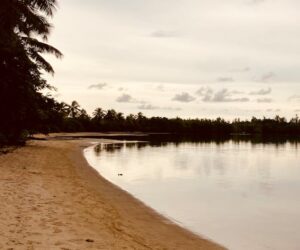
Nosy Be is Madagascar’s premier beach destination and an excellent base for families seeking sun, sea, and wildlife. The calm, warm waters of Lokobe Marine Reserve offer snorkeling with colorful reef fish, sea turtles, and octopus in shallow water accessible to children. Whale shark watching (October–December) is a once-in-a-lifetime experience for older children (8+). The island’s small size makes it easy to navigate, and the concentration of tourist infrastructure (family-friendly resorts, restaurants, activities) means logistical stress is lower than elsewhere in Madagascar. Day trips to surrounding islands take 20–40 minutes by boat.
Age-Appropriate Activities for Families
For Young Children (Ages 4–8)
Lemur Island encounters at Andasibe — safe, supervised, and extraordinary. Butterfly Park near Antananarivo. Boat trips on calm lagoons. Beach play at Nosy Be or Ifaty. Village visits with cultural demonstrations (weaving, cooking, music). Night walk chameleon spotting on easy trails. Zebu cart rides in rural villages. Swimming in natural pools at Isalo. These activities combine adventure and sensory richness at a pace manageable for young children, with minimal walking and maximum wildlife interaction.
For Older Children & Teenagers (Ages 9–16)
Trekking in Ranomafana’s rainforest for night lemur spotting. Snorkeling at Nosy Be’s Lokobe Reserve. Canyon hikes to Isalo’s natural pools. Whale watching (July–September in the south). Sea kayaking on calm coastal waters. Hands-on cooking classes with Malagasy families. Cycling tours through highland villages. Photography workshops at dawn for wildlife. Older children who are genuinely engaged with nature will find Madagascar one of the most compelling places on Earth — their enthusiasm invariably exceeds adults’.
Rainy Day & Cultural Activities
When rain keeps you indoors (a reality in the wet season), family-friendly rainy day activities include: craft workshops making traditional Malagasy woven goods, cooking classes preparing romazava and mofo akondro (banana fritters), visits to silk weaving cooperatives, and museum visits in Antananarivo (the Musée d’Art et d’Archéologie is excellent for older children). Antananarivo’s covered Analakely market is fascinating in any weather. Many upscale hotels have children’s activity programs and pools.
Practical Family Travel Tips
Health Precautions for Children
All standard health precautions (see our health guide) apply to children, often with modified medication doses. Malaria prophylaxis options for children: atovaquone-proguanil (Malarone) is available in pediatric doses and is generally well-tolerated; doxycycline is not suitable for children under 8. DEET repellent should be 10–30% for children rather than the adult 30–50% concentration. Oral rehydration salts are even more critical for children who are more vulnerable to dehydration from diarrhea. Keep a comprehensive pediatric travel health kit and consult a travel health clinic 6–8 weeks before departure for child-specific advice.
Packing for Families
Key items to bring from home: child-appropriate malaria prophylaxis (prescription), DEET 10–30% repellent, children’s oral rehydration sachets, baby wipes and hand sanitizer, a compact travel stroller for toddlers (paved areas in Antananarivo are rough but manageable), children’s sunscreen SPF 50, portable water filter or UV pen, small binoculars (transformative for wildlife viewing), and a lightweight baby carrier for parents with infants. Many baby and child products are not available in provincial Madagascar — stock up in Antananarivo’s larger supermarkets on arrival.
Accommodation for Families
Many guesthouses in Madagascar can set up family rooms (two double beds, or a double plus a single cot) at no or low extra charge — ask directly when booking. Several lodges along the RN7 and at Nosy Be have family bungalows. Nosy Be’s resort hotels offer the most comprehensive family infrastructure: children’s pools, activity programs, kids’ menus, and babysitting services. For budget families, guesthouses with common areas and gardens where children can play safely are ideal — ask about secure outdoor space when booking if children need room to move.
Travel Resources
Tours & Activities: Browse Madagascar day trips, guided excursions, and cultural experiences on GetYourGuide — instant booking, free cancellation on most tours.
More Experiences: Explore hundreds of Madagascar tours and activities on Viator — read traveler reviews and book with confidence.
Travel Insurance: Protect your Madagascar adventure with SafetyWing Nomad Insurance — affordable medical and travel coverage from $45.08/month.
Car Rental: Compare Madagascar car rental deals on Carla — find the best rates from trusted local and international agencies.
Frequently Asked Questions
At what age can children travel to Madagascar?
There is no minimum age — families with infants successfully visit Madagascar, though more preparation is required. The most practical age for children to begin fully enjoying Madagascar’s wildlife is around 4–5 years old (for lemur encounters and beach activities) and 7–8 years old for trekking, snorkeling, and rainforest experiences. Teenagers find Madagascar particularly compelling — the wildlife density and authenticity create genuine excitement that stands apart from more developed tourist destinations.
Which Madagascar destination is best for families?
For a first family visit, Andasibe National Park (near Antananarivo, easy access, lemur encounters) and Nosy Be (warm shallow sea, good infrastructure, whale sharks) are the two most family-friendly choices. Isalo is excellent for families with older children who can trek. Ranomafana is spectacular but involves more challenging walks and is better suited to children aged 8 and above. Antananarivo itself offers 1–2 days of cultural and market activities suitable for all ages.
Is malaria medication required for children visiting Madagascar?
Yes — malaria prophylaxis is as important for children as for adults, possibly more so. Children can deteriorate more quickly than adults from falciparum malaria. Atovaquone-proguanil (Malarone Paediatric) is the preferred option for most children and is taken daily. Doxycycline is not suitable for children under 8. Mefloquine is an option but has more side effects. Consult a travel health clinic with pediatric expertise at least 6–8 weeks before departure.
Are long journeys on Madagascar’s roads manageable with children?
They require planning but are manageable. The RN7 highway is reasonably smooth and suited to family road trips in a comfortable vehicle. Budget for private vehicle hire (€60–€100/day) rather than taxi-brousse for family journeys — the fixed departure times, cramped conditions, and variable quality of shared minibuses are poor for young children. Break long journeys (over 4 hours) with stops at villages, viewpoints, or market stalls. Children generally adapt to Madagascar’s road pace well when there is wildlife to spot out the window.
What wildlife will children most enjoy in Madagascar?
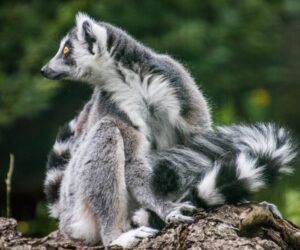
Lemurs are universally beloved — the ring-tailed lemur at Berenty and Isalo, the Indri at Andasibe, and the sifaka dancing across open ground are all magical for children. Giant chameleons (up to 70 cm) photographed at close range. Geckos and frogs on night walks with headlamps. Whale sharks at Nosy Be. Whales off the southern coast (July–September). Sea turtles while snorkeling. The concentration of visible, approachable, and uniquely Malagasy wildlife creates a natural history experience that children remember for life.


1 Response
[…] savoir à quelle période voyager à Madagascar, consulter notre article sur le sujet ou contacter nous. Recommend on Facebook Tweet about it Subscribe to the comments on […]