Guide complet du parc national de Ranomafana 2026 : lémuriens, forêt tropicale et marches nocturnes
Divulgation d’affiliation : Cet article contient des liens sponsorisés vers des hôtels, voyagistes, assureurs et autres services de voyage. Nous percevons une petite commission si vous réservez via nos liens, sans coût supplémentaire pour vous.
Parc national de Ranomafana 2026 — En bref
- Ce que c’est : l’un des parcs de forêt tropicale de montagne premiers de Madagascar, un site du patrimoine mondial de l’UNESCO sur la route RN7
- Faune vedette : le lémurien bambou doré (découvert ici), plus une douzaine d’autres espèces de lémuriens, caméléons, grenouilles, et une riche avifaune
- Meilleur pour : la faune de forêt tropicale, les lémuriens, les marches nocturnes, et une sérieuse biodiversité endémique
- Où : un court détour à l’est de la RN7 entre Antsirabe et Fianarantsoa, dans les hautes terres du sud-est
- Meilleur moment : la saison sèche (avril–novembre) est la plus facile, mais la forêt tropicale est humide et verte toute l’année — venez préparé à la pluie
- Temps nécessaire : une à deux journées complètes (marches de jour et de nuit) pour lui rendre justice
- Protection vols : EU261 600 € par passager sur vols entrants européens perturbés
- Assurance voyage : SafetyWing Nomad Insurance — essentielle pour le trekking en forêt tropicale
- Où séjourner : Séjours Madagascar sur Agoda
Réservez vos excursions à Madagascar
Les meilleurs circuits en petit groupe (faune, lémuriens et parcs) de Madagascar affichent complet des mois à l’avance en haute saison (juillet–octobre). Parcourez les excursions à Madagascar et vérifiez les disponibilités en direct sur GetYourGuide →
🐿 Matériel d’observation de la faune
Le bon matériel transforme une sortie nature :
- Jumelles 8×42 — indispensables pour repérer lémuriens et caméléons. Voir sur Amazon →
- Lampe frontale rechargeable — indispensable pour les marches de nuit. Voir sur Amazon →
- Bâtons de randonnée — ultralégers pour les longues randonnées. Voir sur Amazon →
- Sac à dos de randonnée — confortable pour eau, appareil et vêtements. Voir sur Amazon →
- Répulsif à la picaridine — sans DEET, contre les moustiques du paludisme. Voir sur Amazon →
En tant que Partenaire Amazon, nous réalisons un bénéfice sur les achats éligibles.
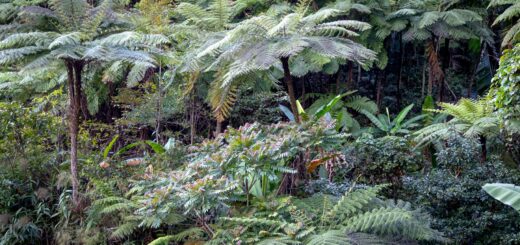
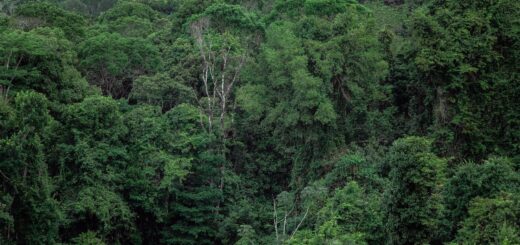
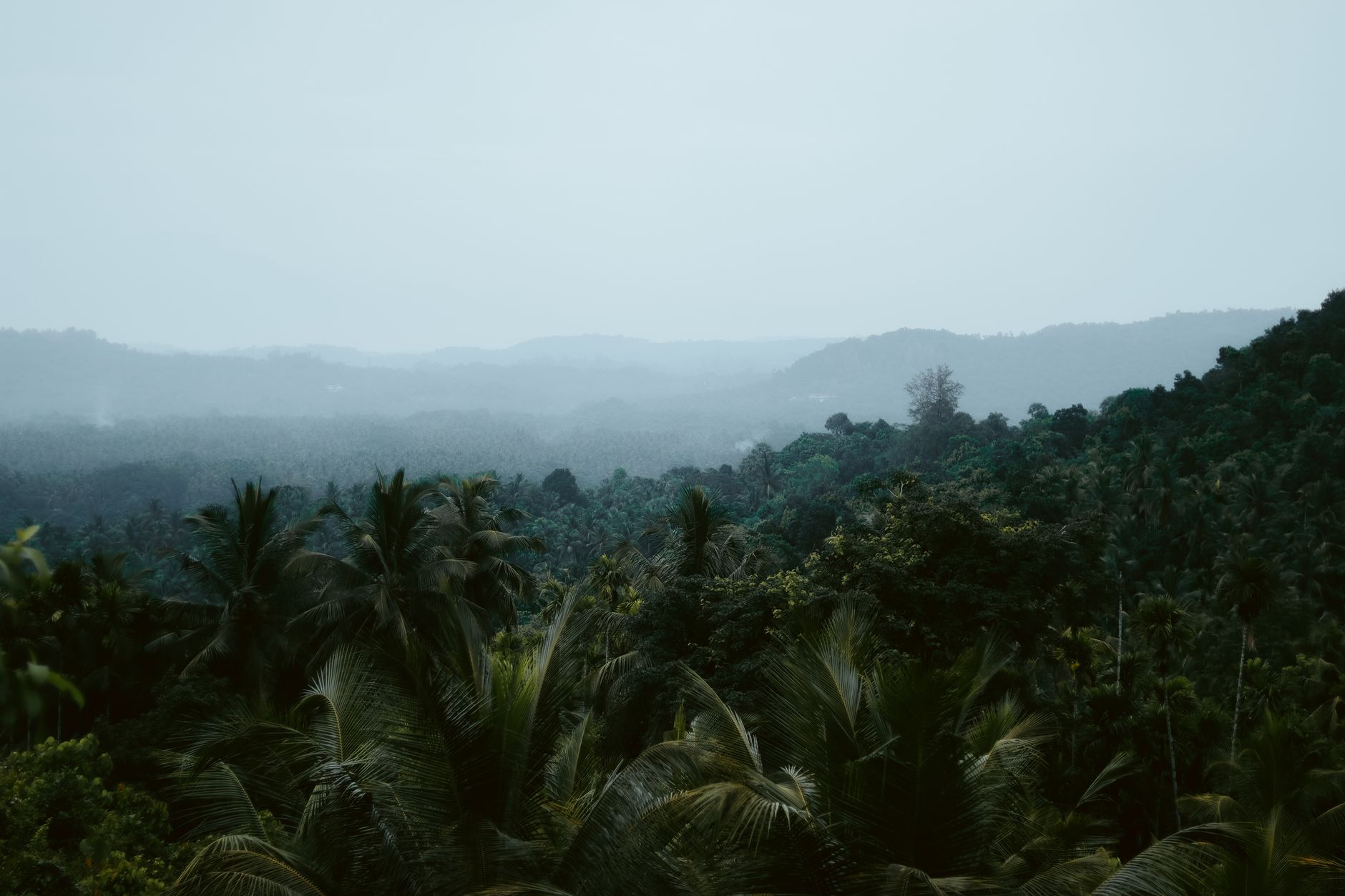
Le parc national de Ranomafana est l’une des grandes réserves de forêt tropicale de Madagascar — une étendue brumeuse et montagneuse de forêt de montagne dense qui protège une concentration étonnante de vie endémique, du célèbre lémurien bambou doré aux caméléons, grenouilles, et oiseaux qu’on ne trouve nulle part ailleurs sur Terre. Site du patrimoine mondial de l’UNESCO et point fort faunique de la RN7 nord, il offre l’expérience de forêt tropicale classique de Madagascar : marcher sur des sentiers verts et dégoulinants à la recherche de lémuriens le jour, puis revenir après la tombée de la nuit pour découvrir tout un autre monde de créatures nocturnes. Ce guide couvre tout ce dont vous avez besoin pour planifier une visite de Ranomafana — la faune, les sentiers, les marches nocturnes, quand partir, où séjourner, et comment il s’intègre dans un voyage au sud de Madagascar. Pour la route plus large, voyez notre guide du meilleur du sud de Madagascar et de la RN7.
Ce qui rend Ranomafana si spécial est la pure densité et l’endémisme de sa vie. C’est une véritable forêt tropicale de montagne — humide, verte, et primitive — et elle grouille de créatures qui n’existent qu’à Madagascar, et dans beaucoup de cas seulement ici. Le parc doit son existence même à la faune : la découverte du lémurien bambou doré dans les années 1980 a mené directement à sa création en 1991, et il est un porte-étendard de la conservation malgache depuis. Pour les voyageurs dont la priorité est la faune extraordinaire de l’île, Ranomafana est incontournable — et parce qu’il se situe juste à côté de la RN7 goudronnée, il est bien plus accessible que son ambiance sauvage et reculée ne le suggère.
Une visite récompense à la fois le passionné de faune dévoué et le voyageur curieux. Vous n’avez pas besoin d’être un expert pour être ému par l’expérience de marcher dans une forêt tropicale ancienne à la recherche de lémuriens, avec un guide local compétent repérant des créatures que vous ne verriez jamais seul. Les sentiers du parc vont de doux à ardus, le guidage est excellent, et le village voisin de Ranomafana — avec ses sources thermales qui donnent son nom au parc — constitue une base confortable et pleine de caractère. Le reste de ce guide vous montre comment en tirer le meilleur.
Pourquoi visiter Ranomafana
Ranomafana est, pour beaucoup de voyageurs, le point fort faunique de toute la RN7 — et l’une des meilleures expériences de forêt tropicale de Madagascar. Son attrait repose sur trois choses : l’extraordinaire biodiversité endémique, la qualité et l’accessibilité de la forêt tropicale elle-même, et la pure atmosphère du lieu. Peu d’environnements sur Terre semblent aussi vivants que la forêt tropicale de montagne de Madagascar, et Ranomafana est parmi les plus beaux exemples que vous puissiez facilement visiter, rempli de lémuriens, reptiles, amphibiens, et oiseaux sur ses pentes raides et boisées.
La biodiversité est véritablement de classe mondiale. Le parc protège au moins une douzaine d’espèces de lémuriens, dont le lémurien bambou doré dont la découverte l’a créé, le grand hapalémur (l’un des primates les plus menacés au monde), le lémurien à ventre roux, et l’acrobatique propithèque de Milne-Edwards. Au-delà des lémuriens se trouvent des dizaines d’espèces de caméléons et de grenouilles, les minuscules geckos à queue de feuille qui disparaissent contre l’écorce, et une riche communauté d’oiseaux forestiers qui attire les ornithologues du monde entier. Ce n’est pas un endroit où vous cochez une ou deux espèces vedettes et passez à autre chose — il récompense une exploration lente et attentive, et chaque marche fait surgir quelque chose de nouveau.
Ranomafana représente aussi l’une des grandes histoires de succès de conservation de Madagascar. La découverte du lémurien bambou doré, alors inconnu de la science, a galvanisé des efforts qui ont mené à la protection du parc et à l’établissement d’un centre de recherche qui continue d’étudier et de sauvegarder la forêt. Visiter soutient ce travail continu directement via les frais de parc et le guidage local, donc votre voyage contribue à la survie de la faune même que vous venez voir. Pour les voyageurs qui veulent que leur voyage signifie quelque chose au-delà de l’expérience elle-même, ce lien ajoute une réelle profondeur à une visite de Ranomafana.
Et puis il y a simplement le ressenti du lieu. La forêt tropicale de Ranomafana est souvent enveloppée de brume, la canopée dégoulinante, les pentes épaisses de fougères et de mousse et des appels de créatures invisibles. Marcher ici à l’aube, avec un guide pointant un lémurien haut dans la canopée ou un caméléon à quelques centimètres de votre visage, est l’une de ces expériences de voyage qui restent avec vous. C’est Madagascar à son plus sauvage et son plus biodivers, rendu accessible — et cette combinaison est rare et précieuse.
La faune de Ranomafana
Les lémuriens
Les lémuriens sont l’attrait phare, et Ranomafana délivre une variété remarquable. Le lémurien bambou doré — l’espèce dont la découverte dans les années 1980 a mené à la création du parc — se nourrit de bambou imprégné de cyanure qui tuerait la plupart des animaux, une bizarrerie de l’évolution qu’on ne trouve qu’à Madagascar. Le grand hapalémur en danger critique, l’un des primates les plus rares de la planète, vit aussi ici, aux côtés du roux lémurien à ventre roux, du saisissant propithèque de Milne-Edwards qui bondit entre les troncs, et de plusieurs autres. Avec un bon guide, les observations de plusieurs espèces en une seule journée de marche sont courantes, et peu d’endroits offrent une telle concentration de ces primates uniques.
Les lémuriens de Ranomafana sont des animaux de forêt sauvages, pas des résidents de parc habitués, donc les rencontres demandent de la patience et les yeux d’un guide expert — une partie de ce qui les rend si gratifiantes. Votre guide et les pisteurs qui travaillent les sentiers connaissent les rythmes et les territoires des troupes, et les traqueront à travers la forêt pour vous donner les meilleures vues possibles. Voir une famille de propithèques bondir à travers la canopée, ou un lémurien bambou mâcher calmement son petit-déjeuner toxique, est le genre de rencontre qui attire les voyageurs fauniques à Madagascar en premier lieu, et Ranomafana est l’un des endroits les plus sûrs pour la trouver.
Caméléons, grenouilles, et reptiles
Au-delà des lémuriens, Ranomafana est un paradis de plus petites créatures endémiques. Ses caméléons vont d’espèces substantielles à de minuscules à peine plus longues qu’un ongle, et la forêt est célèbre pour ses geckos à queue de feuille, dont le camouflage est si parfait qu’ils semblent se matérialiser depuis l’écorce quand un guide les pointe. La forêt humide grouille aussi de grenouilles — des dizaines d’espèces endémiques, beaucoup brillamment colorées — qui s’épanouissent lors des marches nocturnes. Les serpents (tous inoffensifs pour les humains), les insectes, et une abondance de vie invertébrée complètent un tableau de biodiversité stupéfiante. Pour beaucoup de visiteurs, ces plus petites créatures sont aussi mémorables que les lémuriens.
Les oiseaux
Ranomafana est l’une des destinations d’observation des oiseaux premières de Madagascar, foyer d’une longue liste d’oiseaux forestiers endémiques dont des rolliers terrestres, des asities, des vangas, et les espèces insaisissables qui amènent des ornithologues dévoués du monde entier. Même les non-ornithologues apprécient la bande-son constante d’appels et les éclairs de couleur à travers la canopée. Un guide ornithologique spécialisé peut transformer une visite pour ceux passionnés par l’avifaune, repérant des espèces que l’œil et l’oreille non entraînés manqueraient entièrement dans la forêt dense. Les petits matins sont les meilleurs pour l’ornithologie, quand le chœur de l’aube est à son apogée et que la canopée est vivante de mouvement, donc un départ matinal porte ses fruits pour les ornithologues comme pour les observateurs de lémuriens. Même un visiteur occasionnel, avec l’aide d’un guide, repartira probablement ayant vu plusieurs endémiques saisissants dont il ignorait l’existence.
Les sentiers et circuits du parc
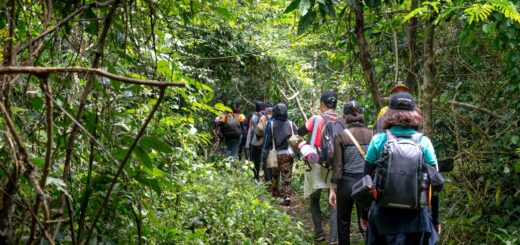
Ranomafana s’explore à pied via un réseau de sentiers guidés, allant de doux à véritablement ardus. Le terrain est raide et souvent boueux — c’est une forêt tropicale montagneuse — donc même les circuits plus faciles impliquent des montées et un sol inégal. Un guide local est obligatoire (et inestimable), et les pisteurs du parc travaillent en avant sur les sentiers pour localiser les lémuriens et autre faune, transmettant par radio pour que votre guide puisse vous mener à eux. Ce système est pourquoi les observations sont si fiables, et c’est une partie de ce qui rend les frais de guidage si avantageux.
Les circuits sont typiquement choisis par longueur et difficulté pour correspondre à votre forme et vos intérêts. Un circuit plus court de quelques heures peut délivrer lémuriens, caméléons, et un véritable aperçu de la forêt, idéal pour ceux à court de temps ou moins assurés sur leurs pieds. Un circuit plus long, d’une journée complète s’aventure plus profond dans la forêt primaire, atteignant des zones avec plus de faune et moins de gens, et récompense l’effort par une expérience plus riche et plus sauvage. Discutez de vos priorités — que ce soit les lémuriens les plus rares, les oiseaux, ou simplement une marche gérable — avec votre guide, qui adaptera l’itinéraire en conséquence. Quel que soit votre choix, de bonnes chaussures et une volonté de se salir sont essentielles. Il vaut la peine d’être réaliste sur le terrain : les sentiers de Ranomafana montent et descendent des pentes raides et enchevêtrées de racines qui peuvent être glissantes après la pluie, donc un niveau de forme raisonnable et un pied sûr rendent la journée bien plus agréable. Ceux moins assurés sur leurs pieds devraient le dire à leur guide à l’avance, qui peut choisir un circuit plus doux qui délivre toujours une excellente faune sans les montées les plus difficiles.
Les marches nocturnes
Une marche nocturne est une partie essentielle de l’expérience de Ranomafana, révélant un casting complètement différent de créatures de la forêt diurne. Conduites le long de la route et des lisières de forêt juste à l’extérieur du parc après la tombée de la nuit, les marches nocturnes guidées font surgir des microcèbes (les plus petits primates au monde), des caméléons endormis accrochés à des brindilles, un éventail de grenouilles en pleine voix, et des insectes et araignées nocturnes. Voir la forêt à la lumière de la torche, avec des yeux brillant en retour depuis l’obscurité, est magique et à ne pas manquer. C’est un point fort que beaucoup de voyageurs classent aux côtés des rencontres de lémuriens diurnes, et il ne requiert rien de plus qu’une lampe frontale et un guide.
Parce que la marche nocturne se déroule à l’extérieur de la limite du parc, c’est typiquement un ajout séparé et peu coûteux à votre visite du parc, et bien valant la peine d’être organisé pour la soirée de votre séjour. Les créatures nocturnes — surtout les minuscules microcèbes aux grands yeux et les caméléons endormis comme des bijoux — sont parmi la faune la plus charmante de tout le voyage, et l’expérience de la forêt tropicale la nuit, vivante de sons, est inoubliable. Apportez une bonne torche (ou louez-en une), portez des chaussures fermées, et laissez votre guide faire le repérage.
Le village de Ranomafana et les sources thermales
Le parc tire son nom — Ranomafana signifie « eau chaude » en malgache — des sources thermales du village voisin, une agréable agglomération à cheval sur une rivière tumultueuse dans une vallée raide et boisée. Le village est la base naturelle pour une visite du parc, avec une gamme d’hébergement, et les bains thermaux historiques offrent un trempage relaxant après une journée sur les sentiers boueux. C’est un petit endroit plein de caractère, et la combinaison de faune de forêt tropicale le jour et d’un trempage en source chaude le soir fait partie du charme particulier de Ranomafana.
Séjourner dans ou près du village rend aussi les départs matinaux que récompense l’observation de la faune bien plus faciles, vous mettant à la porte du parc quand la forêt est la plus active et la lumière la meilleure pour la photographie. Le village a une atmosphère détendue et conviviale pour les voyageurs, et son cadre au bord de la rivière dans la vallée boisée est ravissant en soi. Après les hautes terres fraîches et sèches plus au nord sur la RN7, arriver dans la vallée humide et verte de Ranomafana donne l’impression d’entrer dans un monde différent — ce qui, écologiquement, est le cas. La descente des hautes terres ouvertes et cultivées vers la forêt dense et dégoulinante est dramatique et rapide, et c’est l’une des transitions les plus saisissantes de toute la route. Beaucoup de voyageurs trouvent le village lui-même, enveloppé de brume et de sons de forêt, presque aussi mémorable que le parc, et un trempage du soir dans les bains thermaux après une longue journée de marche est l’un des plaisirs simples qui rendent un séjour à Ranomafana si réparateur.
Comment se rendre à Ranomafana
Ranomafana se trouve à un court détour à l’est de la RN7, entre Antsirabe et Fianarantsoa dans les hautes terres du sud-est, et est atteint par voie terrestre dans le cadre d’un voyage au sud de Madagascar. Depuis Antananarivo c’est un trajet de la meilleure partie d’une journée en descendant la RN7 goudronnée puis le long de la route latérale jusqu’au village du parc ; la plupart des voyageurs arrivent en véhicule privé avec un chauffeur-guide dans le cadre d’un voyage RN7, coupant le voyage à Antsirabe en chemin. La route d’accès est goudronnée et simple selon les normes de Madagascar, reflétant l’accessibilité du parc. Pour comment Ranomafana s’intègre à la route plus large, voyez notre guide du sud de Madagascar et de la RN7.
Parce qu’il se situe sur l’itinéraire RN7 classique, Ranomafana est presque toujours visité comme un arrêt sur un voyage au sud plus long plutôt qu’une destination autonome — bien que sa faune seule pourrait justifier le voyage. Le trajet depuis les hautes terres vers la vallée boisée est pittoresque, et arriver avec un chauffeur-guide bien informé signifie que la logistique, les guides de parc, et l’hébergement sont tous gérés, vous laissant libre de vous concentrer sur la forêt. Madagascar elle-même est atteinte par vol international vers Antananarivo, d’où le voyage terrestre au sud commence.
Quand visiter Ranomafana
Ranomafana peut se visiter toute l’année, mais l’expérience varie selon la saison. La saison sèche (avril–novembre) est le moment le plus confortable, avec des conditions de sentier plus faciles et les mois de pointe pour l’observation de la faune, et elle s’aligne avec le meilleur moment pour parcourir la RN7 en général. Cependant — et c’est crucial — Ranomafana est une véritable forêt tropicale de montagne, donc la pluie est possible en tout mois, et la forêt est humide et verte même en saison sèche. Ce n’est pas un inconvénient mais la raison même de sa richesse : l’humidité constante est ce qui soutient l’extraordinaire biodiversité. Venez préparé à la pluie et à la boue quand que vous visitiez. Pour la ventilation régionale complète, voyez notre guide de la météo de Madagascar par région.
Au sein de la saison sèche, les conditions sont à leur plus fiable d’environ juillet à octobre, bien que même alors une averse de forêt tropicale soit toujours possible. La saison humide (environ décembre–mars) apporte des pluies plus fortes et plus fréquentes, des sentiers plus boueux, et des sangsues, mais aussi une croissance luxuriante et une faune active — et bien moins de visiteurs. Quand que vous alliez, la clé est d’embrasser la forêt tropicale pour ce qu’elle est : humide, verte, et grouillante de vie. De bons imperméables et chaussures transforment la météo d’un obstacle en partie de l’aventure. Pour vous aider à choisir votre fenêtre globale, voyez notre guide du meilleur moment pour visiter Madagascar.
Où séjourner
Le village de Ranomafana et ses environs offrent une gamme d’hébergement, de pensions simples à des lodges confortables nichés dans la vallée boisée, plusieurs avec vues sur la forêt tropicale et la rivière. Séjourner près de la porte du parc rend les gratifiants départs matinaux bien plus faciles, et une base confortable est bienvenue après une journée boueuse sur les sentiers. Parcourez les séjours Madagascar sur Agoda pour jauger les options, et réservez à l’avance en haute saison (juillet–octobre), quand les meilleurs lodges se remplissent.
Parce que Ranomafana est un arrêt fixe sur la RN7 fréquentée, ses meilleurs lodges peuvent se vendre bien à l’avance durant les mois de pointe, donc sécuriser l’hébergement tôt est sage — surtout que le choix d’options véritablement confortables est limité par la petite taille du village. Un chauffeur-guide ou spécialiste saura quels lodges sont les mieux positionnés et les plus fiables, et peut les sécuriser dans le cadre de votre itinéraire. Après les sentiers, les sources thermales, et une marche nocturne, un lit confortable dans la vallée boisée complète une parfaite journée à Ranomafana.
Conseils pratiques pour Ranomafana
Prenez un guide — c’est obligatoire et inestimable. Les règles du parc exigent un guide local, et ils sont la différence entre voir la forêt et vraiment l’expérimenter, avec les pisteurs localisant une faune que vous ne trouveriez jamais seul.
Préparez-vous à la pluie et à la boue. C’est une forêt tropicale ; imperméables, vêtements à séchage rapide, et de bonnes chaussures fermées avec de l’adhérence sont essentiels en toute saison, ainsi qu’un sac étanche pour les appareils photo.
Faites une marche nocturne. La faune nocturne — microcèbes, caméléons endormis, grenouilles — est un point fort ; organisez la marche du soir à l’extérieur du parc comme un ajout séparé et peu coûteux.
Partez tôt. La faune est la plus active dans la fraîcheur du matin, et un départ matinal signifie de meilleures observations et une lumière plus douce ; séjournez près de la porte pour rendre cela facile.
Prévoyez au moins une journée complète. Quelques heures précipitées ne rendront pas justice à Ranomafana ; intégrez une journée complète (plus une marche nocturne), ou même deux, pour explorer les circuits plus longs.
Emportez du liquide pour les frais, guides, et pourboires. Les frais de parc, le guide obligatoire, les pisteurs, et les guides de marche nocturne sont payés localement en liquide ; apportez assez d’ariary malgache et budgétisez des pourboires justes.
Guides, frais de parc, et visite responsable
Une visite à Ranomafana implique des frais d’entrée au parc et un guide local obligatoire, avec des pisteurs optionnels et des guides de marche nocturne séparés — tous payés localement et tous modestes par rapport à l’expérience. Ces frais ne sont pas une nuisance mais le mécanisme qui finance la protection du parc et soutient l’économie de guidage locale, donc les payer en entier et donner des pourboires justes fait partie de voyager de façon responsable ici. La profession de guide à Ranomafana est hautement qualifiée, et les pisteurs en particulier accomplissent un service presque magique en localisant une faune bien camouflée ; leur travail mérite reconnaissance.
Visiter de façon responsable signifie aussi suivre les indications de votre guide pour garder une distance respectueuse de la faune, ne pas utiliser de flash sur les créatures nocturnes sensibles à la lumière, rester sur les sentiers pour protéger la forêt, et minimiser le bruit. Ranomafana existe parce que des gens se sont battus pour protéger sa faune unique, et chaque visiteur a un rôle à jouer pour assurer qu’elle perdure. Voyager avec un spécialiste ou chauffeur-guide qui comprend et respecte ces principes assure que votre visite soutient la forêt plutôt que de lui nuire — et fait aussi une expérience plus riche.
Combiner Ranomafana avec la RN7
Ranomafana est rarement visité seul — c’est l’un des grands arrêts de la RN7, et se combine naturellement avec les autres points forts du sud de Madagascar. La plupart des voyageurs l’atteignent après Antsirabe et les hautes terres, puis continuent au sud vers Fianarantsoa, les lémuriens à queue annelée d’Ambalavao à Anja, et les canyons dramatiques de l’Isalo, avant de finir à la côte sud-ouest. Cette séquence associe la forêt tropicale de Ranomafana au grès aride de l’Isalo pour un contraste saisissant de paysages et de faune. Pour une comparaison directe des deux parcs, voyez notre guide Ranomafana vs Isalo ; pour le parc de canyon lui-même, notre guide complet du parc national de l’Isalo.
Le contraste entre Ranomafana et les parcs plus au sud est l’une des joies de la RN7 : en l’espace de quelques jours vous passez d’une forêt tropicale brumeuse et dégoulinante pleine de lémuriens bambou aux canyons de grès cuits par le soleil de l’Isalo avec leurs lémuriens à queue annelée et piscines naturelles. Peu de voyages mettent en valeur la variété écologique de Madagascar si vivement. Ranomafana est le cœur vert et riche en faune de la RN7 nord, et il donne le ton d’un voyage qui ne fait que devenir plus spectaculaire en se dirigeant au sud. Planifier les arrêts en séquence, avec le bon temps à chacun, est ce qui transforme une série de parcs en un voyage cohérent et inoubliable.
S’y rendre et bien voyager
Madagascar est atteinte par des vols en correspondance via l’Europe, le Golfe, ou l’Afrique, atterrissant à Antananarivo, d’où Ranomafana est atteint par voie terrestre sur la RN7. Réservez les vols internationaux tôt et protégez-les sur les routes européennes — EU261 vous donne droit à jusqu’à 600 € par passager pour les longs retards, annulations, et refus d’embarquement. Enregistrez votre vol entrant pour la couverture EU261 avec AirAdvisor pour que toute réclamation éligible soit gérée pour vous.
Une assurance voyage exhaustive est essentielle pour une visite de Ranomafana, couvrant le trekking en forêt tropicale, le voyage terrestre, et les urgences médicales dans une région reculée. La couverture devrait inclure l’évacuation médicale, l’annulation et l’interruption de voyage, et vos activités, y compris la randonnée sur un terrain raide et boueux. SafetyWing Nomad Insurance offre une couverture flexible et abordable bien adaptée à un voyage au sud de Madagascar. Les sentiers de Ranomafana sont raides et glissants, et le parc est à des heures des grandes installations médicales, donc une bonne assurance n’est jamais optionnelle — confirmez qu’elle couvre la randonnée et l’évacuation en zone reculée avant de voyager. Une cheville tordue sur un sentier boueux est un événement mineur avec la bonne couverture et un problème sérieux sans elle.
Carla / Voyagiste Madagascar (planifiez votre visite de Ranomafana)
Spécialiste résidente de Madagascar qui peut construire un voyage au sud qui rend justice à Ranomafana. Contactez Carla directement pour planifier un voyage RN7 de saison sèche avec Ranomafana en son cœur — le bon lodge près du parc, les meilleurs guides et pisteurs, une marche nocturne organisée, et assez de temps pour explorer la forêt correctement, le tout tissé dans un voyage à travers les hautes terres, Anja, et l’Isalo. La connaissance locale assure que vous visitez le parc à son meilleur et voyez la faune qui le rend spécial.
Questions fréquentes
Pour quoi le parc national de Ranomafana est-il le meilleur ?
La faune de forêt tropicale — surtout les lémuriens, dont le lémurien bambou doré découvert ici, plus les caméléons, grenouilles, et oiseaux endémiques. C’est l’un des parcs de forêt tropicale premiers de Madagascar et le point fort faunique de la RN7 nord, superbe pour les marches de jour comme de nuit.
Combien de temps devrais-je passer à Ranomafana ?
Au moins une journée complète, idéalement avec une marche nocturne, et deux jours si vous voulez explorer les circuits plus longs et plus profonds. Une visite précipitée de quelques heures ne rend pas justice à la biodiversité du parc, et la marche nocturne en particulier est facile à sauter quand le temps est serré — donc prévoyez une nuitée plutôt que de passer directement.
Quel est le meilleur moment pour visiter Ranomafana ?
La saison sèche (avril–novembre) est la plus confortable, avec juillet à octobre le pic. Mais c’est une forêt tropicale de montagne, donc la pluie est possible toute l’année et la forêt est toujours humide — venez préparé. Voyez notre guide du meilleur moment pour visiter.
Comment se rendre à Ranomafana ?
Par voie terrestre sur la RN7, un court détour à l’est de la route principale entre Antsirabe et Fianarantsoa, généralement en véhicule privé avec un chauffeur-guide dans le cadre d’un voyage au sud de Madagascar depuis Antananarivo.
Ai-je besoin d’un guide pour Ranomafana ?
Oui — un guide local est obligatoire, et les pisteurs aident à localiser la faune. Le guidage est d’un excellent rapport qualité-prix et la différence entre voir la forêt et vraiment l’expérimenter. Les frais et guides sont payés localement en liquide.
Ai-je besoin d’assurance voyage pour Ranomafana ?
Oui — essentielle, couvrant la randonnée en forêt tropicale et l’évacuation médicale depuis une région reculée. Une couverture exhaustive est indispensable ; confirmez qu’elle couvre la randonnée avant de partir.
🧭 Planifiez votre visite de la forêt tropicale de Ranomafana avec Carla
Lémuriens bambou dorés, sentiers brumeux, et marches nocturnes inoubliables. Contactez Carla, notre spécialiste résidente de Madagascar, pour construire un voyage RN7 au sud avec Ranomafana en son cœur — le bon lodge, les guides, et le timing tous gérés.
Planifiez Votre Voyage à Madagascar
- Lire le guide de voyage complet Madagascar
- Explorer les itinéraires par style et durée
- Meilleures excursions guidées
Où Dormir