Où voir des grenouilles à Madagascar en 2026 : meilleures forêts, parcs et période
Divulgation d’affiliation : Cet article contient des liens sponsorisés vers des hôtels, voyagistes, assureurs et autres services de voyage. Nous percevons une petite commission si vous réservez via nos liens, sans coût supplémentaire pour vous.
Où voir des grenouilles à Madagascar en 2026 — En bref
- Où : les forêts tropicales de l’Est — Andasibe-Mantadia (la plus accessible), Ranomafana, Masoala, Marojejy
- Quand : la saison chaude et humide (novembre–mars), lorsque les grenouilles se reproduisent et chantent
- Comment : lors de marches nocturnes avec un bon guide et une lampe torche — écoutez les chants
- Réserver une marche nocturne / un tour faune : sur GetYourGuide
- Planifier le calendrier avec une locale : contacter Carla
- S’y rendre : voiture & chauffeur sur Carla
- Protection des vols : EU261 jusqu’à 600 € par passager
- Assurance voyage : SafetyWing Nomad Insurance
- Où dormir : hébergements à Madagascar près des parcs sur Agoda
🎒 L’essentiel pour Madagascar
Quelques articles bon marché changent tout sur le terrain à Madagascar :
- Répulsif à la picaridine — sans DEET, contre les moustiques du paludisme. Voir sur Amazon →
- Spray perméthrine vêtements — tue les moustiques au contact pendant des semaines. Voir sur Amazon →
- Moustiquaire pop-up — rare en hébergement économique; se plie très petit. Voir sur Amazon →
- Gourde filtrante — l’eau du robinet n’est pas potable à Madagascar. Voir sur Amazon →
- Adaptateur universel (USB-C) — Madagascar utilise des prises de type européen. Voir sur Amazon →
- Jumelles 8×42 — indispensables pour repérer lémuriens et caméléons. Voir sur Amazon →
En tant que Partenaire Amazon, nous réalisons un bénéfice sur les achats éligibles.
Les grenouilles sont l’une des merveilles discrètes de Madagascar. L’île abrite des centaines d’espèces, presque toutes introuvables ailleurs sur Terre, et pourtant la plupart des visiteurs n’y pensent jamais jusqu’au moment où ils pénètrent dans une forêt tropicale après la tombée de la nuit et entendent la forêt s’éveiller dans un concert de sifflements, de cliquetis et d’appels cristallins. Une fois qu’on commence à chercher, on en voit partout : éclatantes sur une feuille, pas plus grandes qu’un ongle, ou bien dodues et dorées sur un tronc moussu. La question n’est pas de savoir si Madagascar possède des grenouilles dignes d’être vues — c’est de savoir où et quand les chercher.
Ce guide répond précisément à cela. Il classe les meilleurs endroits pour observer les grenouilles, fixe la période cruciale, et explique comment se déroule réellement une marche nocturne afin que vous arriviez avec des attentes réalistes. Si vous voulez d’abord le tableau complet d’histoire naturelle, commencez par notre guide complet des grenouilles de Madagascar. Si vous savez déjà que vous voulez les voir, poursuivez votre lecture — le reste relève de la logistique, et bien gérer la logistique est ce qui distingue un voyage frustrant d’un voyage magique.
La réponse courte : forêts tropicales de l’Est, saison des pluies, après la tombée de la nuit
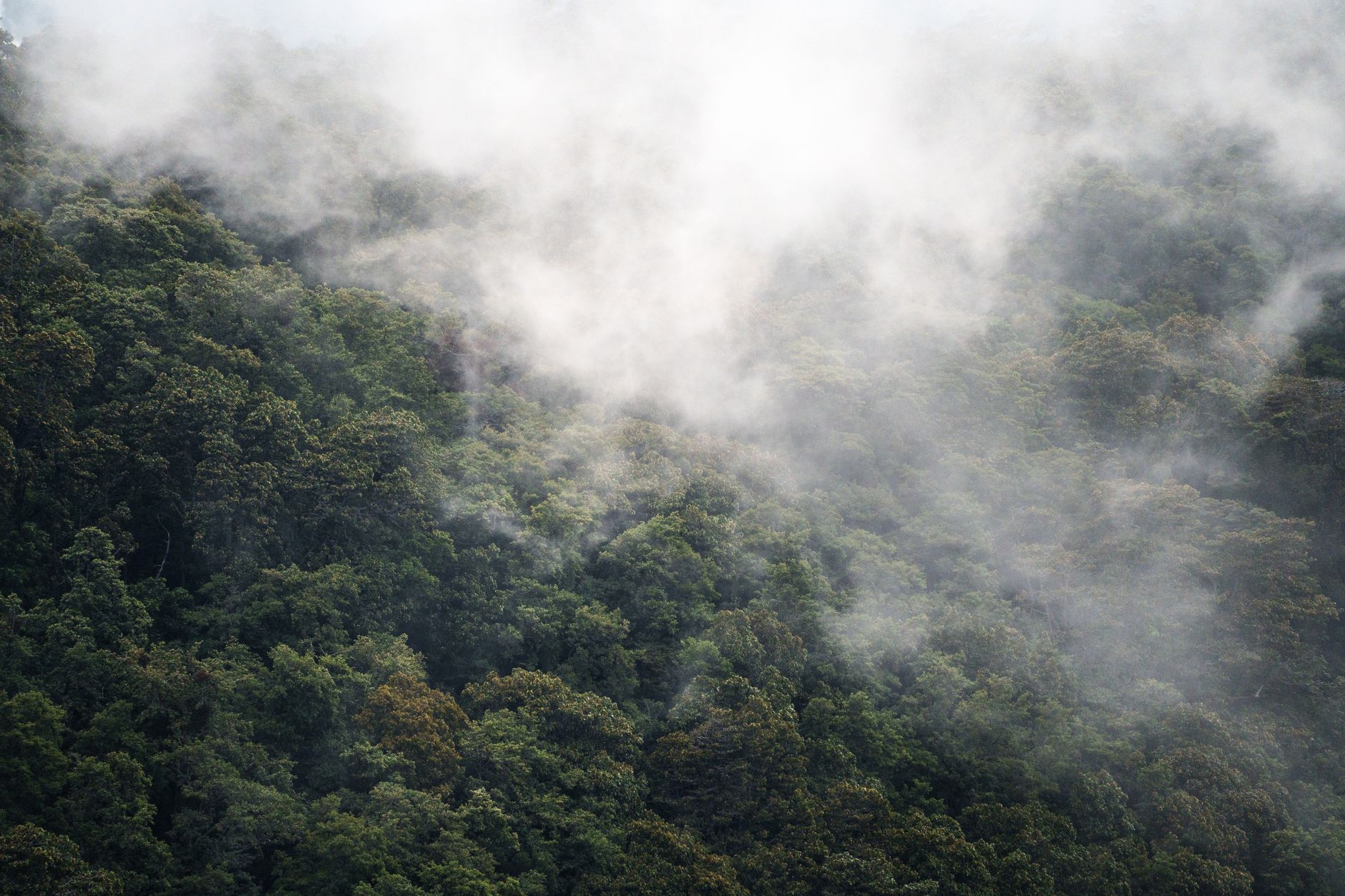
Si vous ne devez retenir que trois choses de cet article, retenez celles-ci. Premièrement, les grenouilles de Madagascar sont avant tout des créatures des forêts tropicales de l’Est — la ceinture humide de forêt qui descend le long du versant exposé au vent et arrosé de l’île. C’est là que la diversité culmine et que vivent les espèces célèbres, colorées et photogéniques. Les forêts plus sèches de l’Ouest et du Sud abritent aussi des grenouilles, mais en moins grand nombre, et elles sont plus difficiles à trouver.
Deuxièmement, la saison compte énormément. Les grenouilles sont des créatures d’eau et de chaleur. Elles se reproduisent, se déplacent et chantent pendant la saison chaude et humide, environ de novembre à mars. Visitez pendant les mois frais et secs et vous pourrez parcourir un sentier de forêt la nuit sans presque rien entendre ; visitez après les premières grosses pluies et le même sentier explose de sons. Troisièmement, on trouve les grenouilles après la tombée de la nuit, lors de marches nocturnes, avec un guide et une lampe torche. Quelques espèces sont actives le jour, mais la grande majorité ne se révèle qu’une fois le soleil couché.
Réussissez ces trois éléments — forêt tropicale de l’Est, saison des pluies, marche nocturne — et vous verrez des grenouilles. Manquez-les et vous risquez de n’en voir aucune, quelle que soit la qualité de votre guide. Tout ce qui suit n’est que du détail venant compléter ces trois piliers.
Les meilleurs endroits pour voir des grenouilles
Les forêts tropicales protégées de Madagascar sont les cibles évidentes, et une poignée se détachent. Elles diffèrent par leur facilité d’accès, leur richesse et ce qu’elles offrent par ailleurs, de sorte que le bon choix dépend du temps dont vous disposez et de votre disposition à sortir des sentiers battus.
Andasibe-Mantadia — l’excursion la plus accessible et la plus riche depuis Tana
Si vous ne faites qu’une seule forêt tropicale, choisissez Andasibe-Mantadia. Elle se situe à quelques heures à l’est d’Antananarivo sur la RN2, ce qui en fait le morceau de forêt tropicale de l’Est le plus accessible du pays, et elle est merveilleusement productive pour les grenouilles. La combinaison d’accessibilité et de richesse est imbattable : vous pouvez quitter la capitale le matin et faire une marche nocturne le soir même, dans une forêt qui bourdonne de vie amphibienne une fois les pluies arrivées.
Andasibe est surtout connue pour l’indri, le plus grand lémurien vivant, dont le chant matinal envoûtant porte sur des kilomètres. Mais la même forêt qui abrite l’indri grouille de grenouilles la nuit — vives grenouilles Mantella sur le sol forestier, rainettes accrochées aux feuilles, et un chœur que l’on entend avant de rien voir. Pour la plupart des voyageurs, c’est l’endroit qui offre le plus de récompense pour le moindre effort. Pour un regard plus approfondi sur la région et comment construire un voyage autour d’elle, voyez notre guide de l’est de Madagascar et d’Andasibe.
Ce que vous trouverez : un solide échantillon de grenouilles de forêt tropicale de l’Est, dont des espèces colorées actives le jour et un riche chœur nocturne. Accès : facile — une demi-journée de route depuis Antananarivo sur la RN2 goudronnée. Quand : la saison des pluies offre le plus de grenouilles ; même les mois intermédiaires peuvent être bons après la pluie.
Ranomafana — riche et variée, sur la RN7
Ranomafana, dans le Sud-Est, est l’un des grands parcs de forêt tropicale de Madagascar et un point fort du célèbre itinéraire terrestre de la RN7. Elle est escarpée, dense et notoirement humide, ce qui est exactement ce que les grenouilles aiment. Le parc est une destination sérieuse pour les naturalistes, avec une longue liste d’espèces et d’excellents guides qui savent précisément où se trouvent les spécialités.
Parce qu’elle se trouve sur la grande route du Sud, Ranomafana s’intègre parfaitement à un voyage plus large — de nombreux voyageurs la visitent dans le cadre d’un parcours sur la RN7 qui comprend aussi des réserves de lémuriens, les paysages des hautes terres et la route vers le Sud. Si vous descendez déjà la RN7, une marche nocturne ici est l’une des meilleures expériences de grenouilles du pays. Le terrain est plus exigeant que celui d’Andasibe, avec des pentes glissantes et beaucoup de boue en saison des pluies, alors préparez-vous à un effort.
Ce que vous trouverez : une faune de forêt tropicale variée et très diversifiée, avec des grenouilles allant de minuscules espèces de la litière à des rainettes colorées. Accès : modéré — sur la RN7 dans le Sud-Est, accessible par la route depuis Antananarivo ou Fianarantsoa. Quand : saison des pluies pour une activité maximale ; le parc est gratifiant dès qu’il a reçu de la pluie récemment.
Masoala — la forêt tropicale sauvage
Masoala, sur la péninsule reculée du Nord-Est, est la plus grande aire protégée de Madagascar et l’une de ses forêts tropicales les plus sauvages. Elle est de basse altitude, dégoulinante et magnifiquement intacte — le genre d’endroit où la forêt rencontre la mer et où la pluie ne s’arrête presque jamais. Pour les grenouilles, cela signifie abondance et variété, dont des espèces de basse altitude que vous ne trouverez pas facilement ailleurs.
La contrepartie est l’accès. Masoala n’est pas une visite anodine : y parvenir signifie généralement un vol vers le Nord-Est plus un transfert en bateau, et l’expérience convient aux voyageurs qui préfèrent l’immersion à la commodité. Si vous avez le temps et l’envie d’une véritable expédition, la récompense est une forêt tropicale d’allure primitive et une marche nocturne dans l’une des forêts les plus riches en grenouilles de l’île.
Ce que vous trouverez : d’abondantes grenouilles de forêt tropicale de basse altitude dans une forêt vierge, aux côtés d’une faune plus large. Accès : difficile — vol vers le Nord-Est, puis bateau ; à intégrer de préférence à un voyage dédié. Quand : chaud et humide une grande partie de l’année ; les mois les plus pluvieux apportent le plus d’activité amphibienne mais aussi les pluies les plus fortes.
Marojejy — pour les passionnés
Marojejy, dans l’extrême Nord-Est, est un massif spectaculaire de forêt tropicale s’élevant de la basse altitude à la forêt de nuages, protégeant un remarquable gradient d’habitats. C’est une destination de trek — on grimpe à travers une forêt changeante au fur et à mesure de l’ascension — et en chemin on traverse un superbe pays à grenouilles, dont des spécialités de haute altitude adaptées aux pentes supérieures fraîches et brumeuses.
C’est un parc pour les voyageurs heureux de marcher et de camper. Il récompense l’effort par un sentiment de découverte que peu d’autres endroits égalent, et la faune amphibienne change à mesure que l’on grimpe, de sorte qu’un trek de plusieurs jours peut révéler des espèces que l’on ne verrait jamais plus bas. Ce n’est pas l’endroit pour une rencontre rapide avec les grenouilles, mais pour un naturaliste passionné, il est inoubliable.
Ce que vous trouverez : une communauté amphibienne changeante le long d’un gradient d’altitude, dont des spécialités de forêt de nuages. Accès : difficile — un trek guidé de plusieurs jours depuis le Nord-Est. Quand : saison des pluies pour le plus d’activité, à mettre en balance avec des conditions de sentier plus rudes.
Autres forêts — et l’Ouest et le Sud plus secs
Au-delà des parcs phares, de nombreuses réserves de forêt tropicale de l’Est abritent des populations de grenouilles gratifiantes, et un bon guide peut trouver des amphibiens presque partout où la forêt est assez humide. De plus petites forêts communautaires et réserves privées le long du corridor oriental peuvent être excellentes, et elles sont souvent plus tranquilles que les parcs célèbres.
Les forêts plus sèches de l’Ouest et du Sud sont une autre histoire. La forêt épineuse et les forêts sèches de l’Ouest de Madagascar ont leurs propres grenouilles — des espèces adaptées à l’eau saisonnière et aux longues périodes sèches — mais elles sont moins nombreuses et plus localisées que dans la forêt tropicale. Si votre objectif principal est les grenouilles, c’est sur l’Est que vous devez vous concentrer ; l’Ouest et le Sud valent mieux d’être traités comme un bonus lorsque vous y êtes déjà pour les baobabs, les lémuriens de forêt sèche ou l’étrange flore de la forêt épineuse.
Comparaison des parcs
Le tableau ci-dessous met les principaux parcs d’observation des grenouilles côte à côte. Les évaluations de richesse et d’accès sont relatives — elles décrivent comment les parcs se comparent les uns aux autres, et non des scores absolus — et il n’y a pas de décomptes, car le nombre de grenouilles varie énormément selon la pluie et la saison.
| Parc | Région | Richesse en grenouilles | Meilleurs mois | À voir aussi | Accès |
|---|---|---|---|---|---|
| Andasibe-Mantadia | Est (près de Tana) | Élevée | Nov–mars | Indri & autres lémuriens, caméléons | Facile |
| Ranomafana | Sud-Est (RN7) | Très élevée | Nov–mars | Lémuriens, oiseaux, caméléons | Modéré |
| Masoala | Péninsule du Nord-Est | Très élevée (basse altitude) | Saison chaude/humide | Faune de basse altitude, littoral | Difficile |
| Marojejy | Extrême Nord-Est | Élevée (gradient d’altitude) | Saison des pluies | Propithèque soyeux, forêt de nuages | Difficile |
| Autres réserves de l’Est | Corridor oriental | Variable, souvent bonne | Saison des pluies | Faune variée | Facile–modéré |
Pour une vue d’ensemble des aires protégées de Madagascar et de leur articulation, voyez notre panorama des meilleurs parcs nationaux et réserves.
Quand partir : la saison des pluies (nov–mars)
Le calendrier est le facteur unique le plus important pour réussir l’observation des grenouilles, et c’est celui que la plupart des voyageurs se trompent. Les grenouilles se reproduisent et chantent quand il fait chaud et humide, donc la saison chaude et humide — environ de novembre à mars — est le moment où les forêts tropicales s’animent. Après les premières grosses pluies, les mâles commencent à chanter, les grenouilles se rassemblent dans les mares et ruisseaux de reproduction, et les espèces qui avaient passé les mois secs cachées apparaissent soudain en nombre. Une marche nocturne en janvier peut être une explosion de sons et de couleurs.
La contrepartie est honnête et mérite d’être dite clairement. Les mois les plus pluvieux apportent le plus de grenouilles, mais ils apportent aussi le plus de pluie — les sentiers se transforment en boue, les averses peuvent interrompre une marche, et l’humidité est implacable. Ils apportent aussi des sangsues, qui prospèrent dans la forêt tropicale humide et font normalement partie de l’expérience dans des endroits comme Ranomafana et Masoala. Rien de tout cela n’est dangereux ; c’est simplement le prix d’entrée pour la pleine saison des grenouilles. De bonnes chaussures, une couche imperméable et une attitude détendue font toute la différence.
Si vous visitez pendant les mois plus frais et plus secs, vous pouvez encore trouver quelques grenouilles, surtout après une pluie hors saison, mais le chœur est plus discret et les effectifs plus faibles. Pour le tableau saisonnier complet de toute la faune et de toutes les régions de Madagascar, voyez notre guide sur la meilleure période pour visiter Madagascar, puis pesez le calendrier des grenouilles face à tout ce que vous voulez faire d’autre.
Comment trouver des grenouilles : les marches nocturnes
L’observation des grenouilles à Madagascar est, de manière écrasante, une activité de marche nocturne, et la marche nocturne est l’une des grandes expériences de tout voyage en forêt tropicale. À la tombée de la nuit, quand la faune de jour s’installe, tout un autre monde s’éveille. Vous partez sur un sentier de forêt avec un guide et une lampe torche, en avançant lentement et silencieusement, et vous laissez la forêt se révéler quelques mètres à la fois.
Quatre choses font la différence entre voir peu et voir beaucoup. La première est un bon guide — les guides locaux connaissent les chants, savent quelles feuilles et quelles mares vérifier, et peuvent repérer une grenouille pas plus grande qu’un ongle devant laquelle vous passeriez tout droit. La deuxième est une lampe torche : une bonne lampe frontale libère vos mains et aide à balayer le feuillage, tandis que les reflets des yeux et l’éclat de la peau humide trahissent les grenouilles. La troisième est l’écoute — une grande partie de la recherche des grenouilles est acoustique, suivre un chant jusqu’à sa source, donc plus vous accordez votre oreille au chœur, plus vous en trouverez. La quatrième est tout simplement la patience : les marches nocturnes récompensent ceux qui avancent lentement et regardent attentivement plutôt que de filer sur le sentier.
Une marche nocturne typique dure une heure ou deux et reste près du départ du sentier — il n’est pas nécessaire d’être un athlète. Habillez-vous chaudement et contre l’humidité, prenez une protection contre les insectes, et laissez vos yeux s’adapter. Même une nuit ordinaire la forêt offre quelque chose ; lors d’une bonne nuit de saison des pluies, c’est extraordinaire.
Ce que vous verrez d’autre lors d’une marche nocturne
L’une des joies d’une marche nocturne à Madagascar est que les grenouilles ne sont qu’une partie du spectacle. La même sortie qui fait apparaître des amphibiens est votre meilleure chance d’observer une foule d’autres créatures nocturnes, ce qui explique pourquoi les marches nocturnes offrent un tel rapport qualité-prix même si les grenouilles sont votre intérêt principal.
Les caméléons endormis sont un point fort — la nuit, ils se perchent sur des brindilles et des feuilles, pâles et immobiles, et la lampe d’un guide les repère magnifiquement ; notre guide des caméléons de Madagascar explique où et quand chercher. Vous verrez probablement des geckos, dont des espèces à queue plate dont le camouflage doit être vu pour être cru, et vous avez une réelle chance de voir des lémuriens nocturnes — microcèbes, lépilémurs et autres dont les yeux renvoient l’éclat de votre lampe. Pour en savoir plus sur les mammifères emblématiques de l’île, voyez notre guide complet des lémuriens de Madagascar. Ajoutez-y des phasmes, des araignées et l’étrangeté générale de la forêt la nuit, et une seule marche peut être le couple d’heures le plus mémorable de tout le voyage.
Combiner l’observation des grenouilles avec un voyage plus large
Peu de gens s’envolent pour Madagascar uniquement pour les grenouilles, et vous n’y êtes pas obligé. La bonne nouvelle, c’est que les meilleures forêts à grenouilles se trouvent naturellement sur les itinéraires que la plupart des voyageurs empruntent déjà, de sorte que l’observation des grenouilles s’intègre à un itinéraire plus large sans aucun détour gênant.
L’approche classique est un circuit des forêts tropicales de l’Est. Andasibe-Mantadia est le point d’ancrage évident, facilement accessible depuis la capitale, et de là vous pouvez vous étendre — vers le sud le long de la RN7 jusqu’à Ranomafana et au-delà, ou, pour les aventureux, vers le nord-est jusqu’à Masoala et Marojejy. Chaque parc ajoute des grenouilles plus des lémuriens, des caméléons, des oiseaux et des paysages, de sorte que le voyage ne paraît jamais monomaniaque. Si vous préférez que la logistique soit prise en charge, un voyagiste faune dédié peut tout assembler ; voyez notre guide compagnon des forfaits de tours grenouilles à Madagascar. Et pour vous aider à intégrer les forêts tropicales dans un itinéraire et un calendrier sensés, lisez nos conseils pour planifier un voyage à Madagascar bien programmé et pesez les étapes en forêt tropicale face à vos autres priorités.
Se rendre aux parcs de forêt tropicale
La mécanique pour atteindre les parcs est simple pour les têtes d’affiche de l’Est et plus compliquée pour les plus lointains. Andasibe-Mantadia est la plus simple : une demi-journée de route à l’est d’Antananarivo sur la RN2 goudronnée, confortablement faite en une matinée. Ranomafana se trouve sur la RN7 dans le Sud-Est, accessible par la route depuis la capitale ou depuis Fianarantsoa dans le cadre d’un voyage terrestre vers le Sud. Masoala et Marojejy, en revanche, impliquent des vols vers le Nord-Est puis des bateaux ou des treks, et valent mieux d’être confiés à un voyagiste dédié.
Pour les parcs accessibles par la route, l’option de loin la plus confortable et flexible est une voiture privée avec chauffeur. Les routes de Madagascar sont lentes et fatigantes, les transports publics sont limités, et conduire soi-même est rarement conseillé aux visiteurs, alors un bon chauffeur-guide vaut chaque centime — vous couvrez la distance en sécurité, vous vous arrêtez où vous voulez, et vous arrivez frais pour la marche nocturne. Vous pouvez organiser une voiture et un chauffeur via Carla pour gérer les transferts de porte à porte. Pour le panorama complet des déplacements sur l’île, voyez notre guide sur comment se déplacer à Madagascar.
Où dormir près des parcs
Dormir près de la forêt fait partie du plaisir — et c’est un avantage pratique, car la meilleure observation des grenouilles se fait la nuit, et vous ne voulez pas d’un long trajet de retour ensuite. Autour d’Andasibe et des autres parcs de l’Est, vous trouverez un éventail de lodges forestiers et de maisons d’hôtes, de lieux simples et chaleureux à des éco-lodges plus confortables installés en lisière même de forêt, où l’indri pourra être votre réveille-matin.
Loger au portail du parc ou tout près vous permet de faire une marche nocturne et d’être couché quelques minutes plus tard, et cela rend aussi sans effort les sorties faune de bon matin. Parcourez et comparez les hébergements à Madagascar près des parcs sur Agoda pour verrouiller une base avant de partir ; en saison des pluies, les meilleurs lodges se remplissent, alors réserver à l’avance est avisé.
Combien coûte un voyage d’observation des grenouilles
L’observation des grenouilles en elle-même n’est pas chère — les coûts sont les coûts habituels de Madagascar : droits d’entrée des parcs et guides, transport vers et depuis la forêt, hébergement, et tout tour que vous réservez. Une marche nocturne avec un guide local est l’une des activités faune au meilleur rapport qualité-prix qui soit, et un voyage axé sur la forêt tropicale peut se faire avec un budget modeste si vous gardez un itinéraire resserré et voyagez par la route.
Les plus grosses dépenses sont le vol long-courrier jusqu’à Madagascar et, si vous choisissez Masoala ou Marojejy, les vols intérieurs et la logistique qu’exigent ces parcs reculés. Pour une ventilation claire et réaliste de ce que coûte un voyage d’observation des grenouilles et où va l’argent, voyez notre guide compagnon des coûts d’un tour grenouilles à Madagascar, et si vous voulez un tableau plus complet espèce par espèce avant de vous engager, parcourez notre panorama des types de grenouilles à Madagascar.
Observer les grenouilles de façon responsable
Les grenouilles sont fragiles, et un peu de retenue vous protège, vous et elles. La règle la plus importante est simple : ne manipulez pas les grenouilles. La peau des amphibiens est très perméable et sensible — les huiles, la crème solaire et le répulsif anti-insectes sur les mains humaines peuvent l’endommager — et manipuler les grenouilles peut propager des maladies entre animaux et entre populations. Admirez-les, photographiez-les, et laissez-les exactement là où elles sont.
Au-delà de cela, les courtoisies habituelles de la forêt tropicale s’appliquent : restez sur les sentiers pour éviter de piétiner le sol fragile et les sites de reproduction, faites peu de bruit pour ne pas perturber les chants, et suivez votre guide pour l’éclairage — une lampe trop vive maintenue trop longtemps sur une grenouille peut la stresser. Ne prenez rien d’autre que des photos. Les forêts qui rendent possibles les grenouilles de Madagascar sont sous pression, et voyager avec attention aide à les garder intactes pour le prochain visiteur et, bien plus important, pour les grenouilles elles-mêmes.
S’y rendre et bien voyager
Atteindre Madagascar implique un long trajet, souvent acheminé via l’Europe ou un hub régional, et les longs itinéraires peuvent mal tourner — retards, annulations, correspondances manquées. Si votre vol international acheminé via l’Europe est retardé ou annulé, vous pourriez avoir droit à une indemnisation pouvant aller jusqu’à 600 € par passager au titre du règlement EU261. Il vaut la peine de connaître vos droits avant de voler ; notez que cette protection s’applique au vol international acheminé via l’Europe, et non aux sauts intérieurs de Madagascar.
Tout aussi importante est l’assurance voyage. Vous serez au fond d’une forêt tropicale reculée, à des heures d’un hôpital, dans un pays où l’évacuation médicale peut être compliquée et coûteuse. SafetyWing Nomad Insurance est conçue exactement pour ce genre de voyage — une couverture flexible et abordable pour les voyageurs qui passent un vrai temps hors des sentiers battus. Que vous pataugiez dans la boue à Ranomafana ou que vous fassiez un trek à Marojejy, avoir une couverture SafetyWing en place fait d’une cheville foulée ou d’un épisode de maladie un désagrément plutôt qu’une crise. Réglez à la fois la protection des vols et l’assurance avant de quitter votre domicile, pas après.
Planifier le calendrier avec une spécialiste résidente
L’observation des grenouilles tient ou tombe sur le calendrier, et le calendrier à Madagascar est vraiment délicat — la saison des pluies varie selon la région et l’année, et la différence entre un sentier silencieux et un chœur tonitruant peut tenir à quelques semaines. C’est exactement là qu’une locale fait la différence. Carla est une spécialiste résidente qui peut lire la saison, choisir les bons parcs et organiser les meilleures marches nocturnes et les meilleurs guides, afin que vous arriviez quand la forêt est à son plus bruyant. Plutôt que de deviner de loin, dites à Carla ce que vous voulez voir et laissez-la construire le voyage autour des grenouilles. Si vous préférez réserver vous-même une marche nocturne guidée ou un tour faune, vous pouvez aussi parcourir les options sur GetYourGuide.
Foire aux questions
Quel est le meilleur endroit pour voir des grenouilles à Madagascar ?
Les forêts tropicales de l’Est, et la plus accessible et la plus riche d’entre elles est Andasibe-Mantadia, à une demi-journée de route d’Antananarivo. Ranomafana sur la RN7 est aussi superbe, tandis que Masoala et Marojejy récompensent ceux prêts à voyager plus loin. Toutes donnent le meilleur lors de marches nocturnes en saison des pluies.
À quelle période de l’année dois-je partir pour voir des grenouilles ?
La saison chaude et humide, environ de novembre à mars, lorsque les grenouilles se reproduisent et chantent. Les mois les plus pluvieux apportent le plus de grenouilles mais aussi le plus de pluie et de sangsues. Les mois secs plus frais sont beaucoup plus calmes pour les amphibiens.
Puis-je voir des grenouilles pendant la journée ?
Quelques espèces, comme les grenouilles Mantella aux couleurs vives, sont actives le jour, mais la grande majorité sont nocturnes. La meilleure observation des grenouilles se fait lors de marches nocturnes guidées après la tombée de la nuit, quand la forêt s’anime de chants.
Ai-je besoin d’un guide pour trouver des grenouilles ?
Oui — un bon guide local est le facteur unique le plus important pour en voir beaucoup. Les guides connaissent les chants, les bonnes mares et feuilles à vérifier, et peuvent repérer des grenouilles devant lesquelles vous passeriez tout droit. Les marches nocturnes sont guidées dans tous les parcs principaux.
Est-il sûr de marcher dans la forêt tropicale la nuit ?
Oui, avec un guide et une lampe torche. Les marches nocturnes restent près du départ du sentier, durent une heure ou deux, et n’exigent aucune condition physique particulière. Attendez-vous à de la boue, de l’humidité et des sangsues en saison des pluies — rien de dangereux, juste une partie de l’expérience.
🐸 Tombez juste pour les grenouilles — Demandez à Carla
Une spécialiste résidente peut programmer votre visite en forêt tropicale pour la saison des pluies et organiser les meilleures marches nocturnes. Contactez Carla.
Planifiez Votre Voyage à Madagascar
- Lire le guide de voyage complet Madagascar
- Explorer les itinéraires par style et durée
- Meilleures excursions guidées
Où Dormir