Nosy Be Sailing Routes 2026: Complete Guide to Madagascar’s Premier Yacht Charter Region
Affiliate disclosure: This article contains sponsored links to hotels, tour operators, insurance providers, and other travel services. We earn a small commission if you book through our links, at no extra cost to you.
Nosy Be Sailing Routes 2026 — At a Glance
- Charter base: Hellville port, Nosy Be — Madagascar’s primary yacht charter operations center
- Standard 7-day route: Nosy Be → Komba → Tanikely → Sakatia → Iranja → Mitsio chain → return Nosy Be
- Extended 10-day route: Adds Radama Islands south of standard loop
- Comprehensive 14-day route: Northwest Madagascar including Anjajavy approach
- Best sailing months: April-November dry season; July-September peak with whale shark season October-December
- Total distance covered (7-day standard): Approximately 180-220 nautical miles
- Daily sailing time: Typically 2-5 hours, with snorkeling, beach, and village engagement between sails
- Insurance: SafetyWing Nomad Insurance Complete — essential for marine activities
- Flight protection: EU261 €600 per passenger for European inbound flight disruptions
- Pre-charter Nosy Be hotels: Nosy Be premium hotels on Agoda
🎒 Madagascar Trip Essentials
A few inexpensive items make the biggest difference on the ground in Madagascar:
- Picaridin insect repellent — DEET-free protection against malaria mosquitoes. See on Amazon →
- Permethrin clothing spray — treat clothes; kills mosquitoes on contact for weeks. See on Amazon →
- Pop-up mosquito net — budget lodges rarely provide one; packs down tiny. See on Amazon →
- Water filter bottle — tap water isn’t safe to drink in Madagascar. See on Amazon →
- Universal travel adapter (USB-C) — Madagascar uses European-style plugs. See on Amazon →
- 8×42 binoculars — essential for spotting lemurs and chameleons in the canopy. See on Amazon →
As an Amazon Associate we earn from qualifying purchases.
Why Nosy Be Is Madagascar’s Premier Sailing Destination
Nosy Be in northwest Madagascar is the country’s primary yacht charter base for multiple practical reasons: international flight access via Fascene Airport (direct from Réunion, Mauritius, occasional European charters), established port infrastructure at Hellville, the largest charter operator concentration in Madagascar, and proximity to a remarkably diverse cruising ground extending in multiple directions. For sailors, Nosy Be offers what few global charter destinations can: 20+ distinct islands within 50nm radius, marine wildlife observation opportunities, traditional Sakalava cultural engagement, and genuinely uncrowded anchorages.
The Nosy Be archipelago sailing region extends from Nosy Komba (south, 30 minutes sail) through Mitsio chain (north, half-day sail) to Radama Islands (south, full-day passage) and west to remote Mozambique Channel anchorages. The diversity of island characters — volcanic peaks, white sand atolls, fishing villages, luxury resort islands, marine reserves — creates a charter experience with substantial variety. For broader Madagascar sailing context, see our Best Madagascar Sailing & Yacht Charter 2026 pillar.
Standard 7-Day Nosy Be Classic Route
Day 1: Embarkation and Nosy Komba (1 hour sailing)
Morning international/Tsaradia arrival at Nosy Be Fascene airport. Transfer to Hellville port (30-45 minutes road). Charter embarkation typically 14:00-16:00 with safety briefing, provisioning consultation, and crew introduction. Late afternoon departure for short sail to Nosy Komba (1 hour, southeast). Anchor in protected bay near Ampangorinana village. Evening welcome dinner aboard with first Madagascar sunset.
Optional activities: Ampangorinana village walk to observe habituated black lemur population (40-minute walk with local guide), evening swim in protected anchorage waters, sundowner on yacht deck.
Day 2: Nosy Komba to Nosy Tanikely (2 hours sailing)
Morning departure for Nosy Tanikely marine reserve. Snorkeling at protected coral reef — among the best snorkeling in Madagascar. Lunch at anchorage. Afternoon hike to Tanikely lighthouse summit (45 minutes one way) for panoramic views. Late afternoon sail to Nosy Sakatia for overnight anchorage (1 hour).
Tanikely is a strict marine reserve with mooring buoys to protect coral. Park fees apply ($8-$15 per person). Snorkeling reveals colorful reef fish, sea turtles in residence, and occasional reef shark sightings.
Day 3: Nosy Sakatia to Nosy Iranja (3 hours sailing)
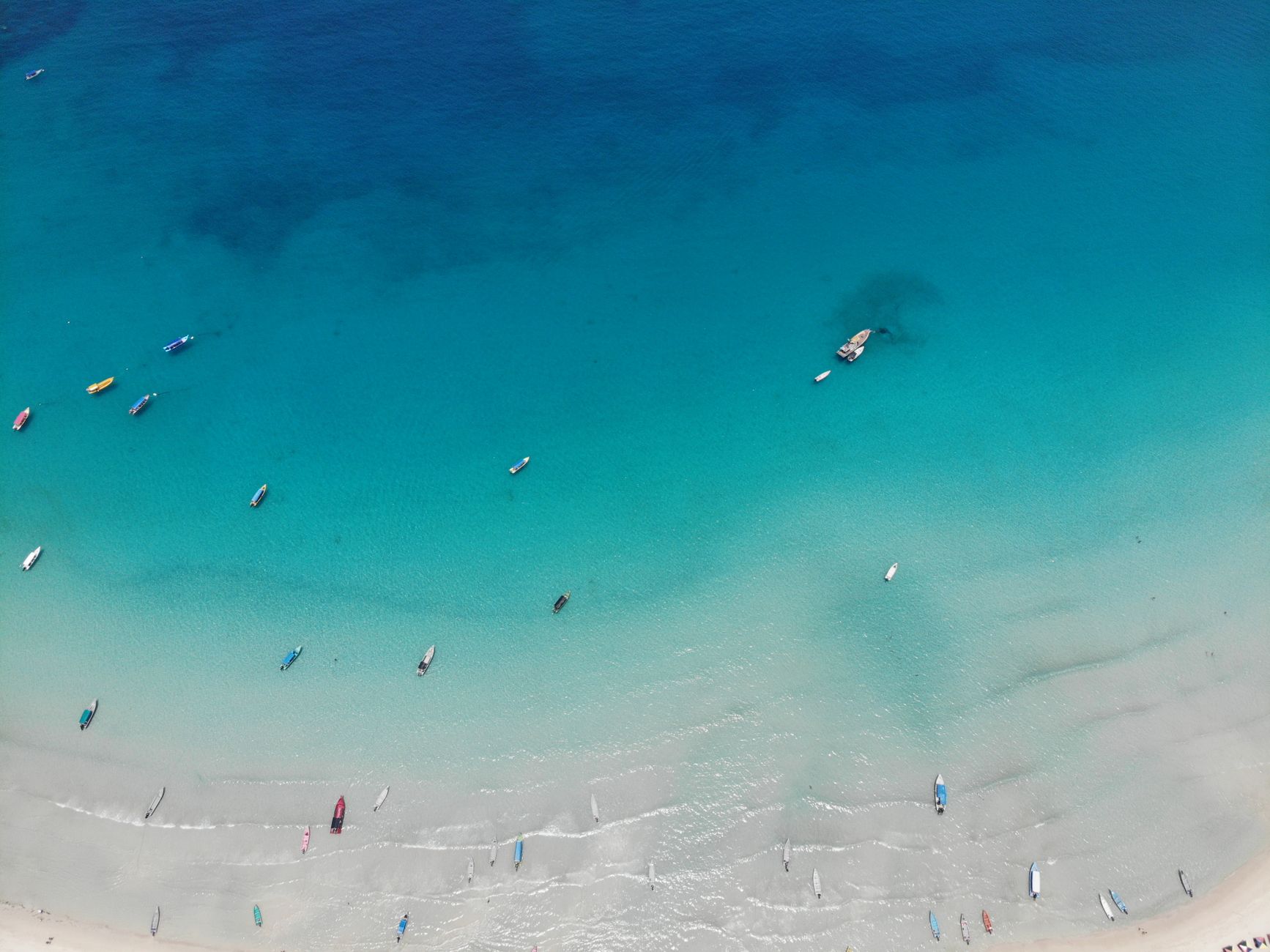
Morning departure heading northwest toward Nosy Iranja. The 3-hour sail crosses open water and provides good opportunities for marine wildlife observation. Arrival at Nosy Iranja by midday. The two small islands connected by white sand bar (visible only at low tide) provide one of Madagascar’s most iconic photographs.
Beach time, swimming, and exploration of the sand bar. Traditional fishing village visit on the larger Iranja island. Overnight anchorage in protected waters between the two islands.
Day 4: Nosy Iranja to Mitsio Chain (4-5 hours sailing)
The longest passage of the standard route — northwest into the Mitsio archipelago. Open-water sailing for several hours with potential dolphin and seabird observation. Mid-afternoon arrival at Mitsio chain, typically Tsarabanjina island (luxury resort) or Grande Mitsio.
Tsarabanjina offers beach restaurant access for charter clients (consultation with operator needed; lunch available at resort for non-guests). Grande Mitsio offers traditional Sakalava village engagement and reef diving access.
Day 5: Mitsio Islands Exploration (multiple short sails)
Full day exploring Mitsio chain — typically 2-3 short sails between different islands for snorkeling, beach time, and village visits. Whale shark observation October-December.
The Mitsio chain contains multiple smaller islands suitable for day exploration. Crews know best anchorages, snorkeling sites, and weather-appropriate routes.
Day 6: Return south toward Nosy Be (4-5 hours sailing)
Morning departure south from Mitsio. The return sail provides opportunity for additional marine wildlife observation and final open-water sailing experience. Overnight anchorage at smaller island en route (Nosy Mamoko or similar) or direct return to Nosy Komba area depending on schedule.
Day 7: Final morning sail and disembarkation
Brief morning sail returning to Hellville port. Standard disembarkation 09:00-11:00. Onward transfer to airport or hotel for post-charter recovery. Most charter clients add 2-4 nights at Anjajavy or Tsara Komba post-charter; consider this when booking flights.
Extended 10-Day Route with Radama Islands
For travelers wanting more comprehensive Nosy Be region coverage, the 10-day route adds Radama Islands to the south.
Days 1-3: Standard Nosy Be classic (Komba → Tanikely → Sakatia → Iranja). Day 4: Long sail south to Radama Islands (6-8 hours, requires good weather window). Days 5-7: Radama exploration — these islands see substantially fewer visitors than Mitsio chain, providing more remote experience. Day 8: Return sail north to Mitsio. Day 9: Mitsio chain or Tsarabanjina anchorage. Day 10: Return to Nosy Be, disembarkation.
Radama Islands offer genuine off-the-beaten-path Madagascar sailing. Cultural village engagement opportunities, less developed snorkeling but reef diving available, and the satisfaction of genuinely uncrowded anchorages. Best for charter clients with previous Madagascar sailing experience or strong adventure orientation.
Comprehensive 14-Day Northwest Madagascar Route
The most extensive Nosy Be region charter combines all major archipelagos with optional Anjajavy approach.
Days 1-3: Nosy Be familiarization (Komba → Tanikely → Sakatia → Iranja). Days 4-6: Mitsio chain extended exploration. Days 7-9: Open-water passage south to Radama Islands and exploration. Days 10-11: Anjajavy approach sail (note: Anjajavy lodge accepts limited yacht visits — confirm with operator; not all anchorages permit yacht-based shore excursions). Days 12-13: Return passage north. Day 14: Final sailing day and return to Nosy Be.
This route covers approximately 350-450 nautical miles total. Suitable for experienced charter clients wanting comprehensive coverage. Premium pricing reflects increased complexity and duration.
Distinctive Mitsio Region Routes
The Mitsio archipelago deserves specific attention as it contains the most distinctive sailing within the broader Nosy Be region.
The “Four Brothers” rock formations
Four prominent volcanic rock formations rising from the sea between Tsarabanjina and Grande Mitsio. Dramatic photographic backdrop and reef diving site. Standard stop on Mitsio routes.
Grande Mitsio circumnavigation
Full day sailing around Grande Mitsio with multiple anchorage stops. Traditional Sakalava fishing village access, reef diving, and snorkeling. Reveals island character not visible from single anchorage.
Whale shark observation routes (October-December)
Charter operators know specific Mitsio waters where whale sharks aggregate during plankton bloom periods. Routes timed for late-morning to mid-afternoon when whale shark observation most likely. Snorkel encounters require operator coordination — protocols protect both wildlife and snorkelers.
Tsarabanjina overnight
Anchor near Tsarabanjina luxury resort. Charter clients can typically visit beach/restaurant facilities (advance confirmation with operator). The resort provides the most luxurious shore experience available in the Mitsio chain. Beach picnic on the resort’s spectacular white sand beach particularly memorable.
Eastward Coast Routes from Nosy Be
While most Nosy Be charters focus on the western archipelagos, some operators offer eastern coast extensions.
Diego Suarez Bay (Antsiranana) approach: 2-3 day passage from Nosy Be along Madagascar’s north coast to Diego Suarez. Diego Suarez Bay is the world’s second-largest natural bay with dramatic geography. The passage requires good weather windows but rewards with genuinely distinctive cruising. Most operators offer this only as bespoke addition to standard routes; pricing premium reflects complexity.
North coast exploration: The Madagascar north coast between Nosy Be and Diego Suarez offers remote anchorages, Sakalava fishing villages, and reef diving access. Less established as charter region but available through specialist operators with experienced skippers.
Weather and Sailing Conditions
Trade wind patterns
April-November dry season features reliable trade winds from southeast. Typical wind speeds 10-18 knots in protected archipelago waters, 15-25 knots in open Mozambique Channel passages. Wind direction allows comfortable beam-reach sailing on most standard routes.
Sea state expectations
Nosy Be archipelago waters typically 1-2m sea state in standard conditions. Open passages to Mitsio or Radama can reach 2-3m. Rough conditions (3m+) uncommon during dry season but possible with weather events. Crewed operators monitor weather closely and adjust routes for client comfort.
Daily weather rhythms
Typical daily pattern: calm morning conditions, building winds 10:00-14:00, peak winds 14:00-17:00, calming evening. Plan major passages for late morning departure to use trade wind window. Sunsets typically calm conditions ideal for sundowner photography.
Cyclone season caution
December-March cyclone season makes Nosy Be sailing impractical or unsafe. Most operators close completely during this window. Even named cyclone passes affecting Madagascar (typically 1-3 per season) can disrupt sailing operations for 7-14 days. Plan charters during April-November window to avoid these risks.
Specialty Routes for Specific Interests
Wildlife photography focus
Routes timed for marine wildlife peaks — humpback whales (Sainte-Marie if combined; limited Nosy Be presence), whale sharks (Mitsio October-December), manta rays (Nosy Be waters year-round, peak September-November). Operator coordination for photography platforms and stable approach to wildlife essential.
Honeymoon and couples focus
Private bareboat or small crewed catamaran focusing on quiet anchorages. Nosy Iranja sand bar overnight stays (when permitted), private Mitsio anchorages, sunset sail experiences. Premium operators arrange private beach picnics and special occasion service.
Family with children focus
Routes prioritizing snorkeling-accessible anchorages, shorter daily sails, swimming-protected waters. Tanikely marine reserve and Nosy Iranja beach time particularly suited. Operator pre-coordination for child safety equipment and child-friendly meal planning.
Cultural immersion focus
Routes incorporating multiple Sakalava village visits, traditional dhow encounters, cultural performances at certain villages, local meal experiences. Operator coordination essential — not all villages welcome unannounced visitors, and respectful visit protocols vary.
Reef diving focus
Routes combining yacht charter with reef diving at multiple sites. Operator pre-coordination for dive equipment, certified dive operations, and yacht-to-dive-site logistics. Premium tier service adds dedicated dive guide.
Real Charter Stories from Nosy Be
The Classic Honeymoon Charter
UK couple in mid-30s, honeymoon. 10-day program: 1 night Nosy Be pre-charter, 7-day classic Nosy Be loop on 42ft crewed catamaran ($18,400 couple all-inclusive), 2 nights Anjajavy luxury recovery. Reported “the Iranja sand bar at sunset was the defining photograph of our honeymoon.”
The Multi-Generational Family Charter
US family group, 10 people across three generations. 10-day program on 60ft crewed catamaran with chef ($38,500 group). Combined Nosy Be classic + Mitsio extended exploration. Reported “yacht format was perfect for keeping everyone together while enabling different daily activities for different family members.”
The Whale Shark Photography Charter
Professional wildlife photographer from Australia, solo. November 2026 timed for whale shark season. 12-day program on small crewed catamaran ($16,200 solo with cabin charter), focused on Mitsio chain whale shark observation. Reported “World-class whale shark encounters — captured imagery I’ve been chasing for years.”
Detailed Anchorage-by-Anchorage Guide
Beyond route overviews, understanding what specific Nosy Be anchorages offer helps charter clients prioritize their preferred experiences.
Nosy Komba Ampangorinana
The standard southern anchorage 30 minutes from Hellville. Protected by Komba’s cone-shaped volcano from prevailing winds. Anchorage suitable for moderate yacht traffic. Village access via short tender ride. Habituated black lemur population at village edge — encounters reliable and well-managed for tourist photography. Standard Day 1 anchorage on most charters.
Nosy Tanikely marine reserve
Day anchorage only (overnight not permitted in reserve). Mooring buoys protect coral; operators familiar with buoy allocation. Snorkeling from yacht tender or directly from yacht. Reef structure includes coral gardens, sand patches with garden eels, and outer reef slope with larger species. Park fees collected at landing point.
Nosy Sakatia
Comfortable overnight anchorage with calm conditions. Sea turtle observation possible from yacht. Sakatia Lodge offers shore facilities access for charter clients. Quieter than Komba; suitable for couples preferring calm anchorage experience.
Nosy Iranja sand bar
The signature anchorage of any Nosy Be charter. Anchor between the two islands with sand bar visible (or submerged depending on tide). Iconic photography location. Beach picnics on the sand bar are a charter highlight. Traditional fishing village on the larger island provides cultural engagement. Overnight anchorage protected from most prevailing winds.
Tsarabanjina (Mitsio chain)
Premium anchorage adjacent to luxury Constance Tsarabanjina resort. Anchorage protected and comfortable. Charter clients can typically access resort beach/restaurant with advance arrangement. The contrast between yacht-based experience and resort access creates interesting hybrid experiences.
Grande Mitsio bay anchorages
Multiple anchorages around Grande Mitsio. South Bay typical primary anchorage with village access. North Bay offers more isolated anchorage with reef diving. Sakalava fishing village engagement opportunities. The Four Brothers rock formations provide dramatic backdrop.
Banc du Coreil (Coral Bank)
Reef diving anchorage near Mitsio chain. Mooring requires careful positioning to protect coral. Day anchorage only — overnight not appropriate due to exposure. Reef diving here is among the best in Mitsio region.
Antsoha and Berafia (Radama region)
Northern and southern Radama anchorages when extended routes include Radama segment. More remote feeling than Nosy Be archipelago anchorages. Reef diving available. Cultural village engagement opportunities. Most remote standard charter anchorages.
What Each Major Stop Costs
Understanding additional costs at specific anchorages helps budget planning beyond the basic charter fee.
Nosy Komba village visit: $5-$10 per person village entry; $10-$20 per person for guided lemur observation. Tips for village guides $5-$10 per person.
Nosy Tanikely marine reserve: $8-$15 per person park entry. Diving (if conducted) additional $30-$50 per dive with operator-coordinated diving.
Nosy Iranja: $5-$10 per person village entry on larger island. No fee for sand bar visit.
Tsarabanjina (Constance resort): Resort access negotiated through operator. Lunch at resort restaurant typically $40-$80 per person. Beach access often free with restaurant reservation.
Grande Mitsio village visits: $5-$10 per person village entry. Cultural performances if arranged $15-$30 per person.
Diving day rates: $40-$80 per dive depending on operator. Equipment rental additional if needed.
Total typical incidental costs: $150-$400 per person across 7-day charter beyond base charter fee.
Tides, Currents, and Local Conditions
Madagascar charter sailing requires basic understanding of local marine conditions even when sailing with experienced crew.
Tide variations: Madagascar tide range varies by location and lunar cycle, typically 1.5-3.5m during spring tides. Nosy Iranja sand bar visibility entirely dependent on tide — operators time visits for optimal viewing. Plan to ask operator about tide timing for key anchorages.
Currents: Mozambique Channel currents generally manageable for charter sailing but require attention during passages. Currents around Mitsio chain can be substantial — affecting both sailing time and anchorage selection. Experienced skippers manage these naturally.
Wind shifts: Trade wind patterns reliable but with daily variations. Morning calms followed by building afternoon winds is typical. Plan major passages for late morning departure.
Squall potential: Even in dry season, brief intense squalls possible. Modern weather forecasting and operator experience handle these effectively. Comfortable cabins on quality charter vessels handle weather events without disrupting trip experience.
Visibility: Daytime visibility typically excellent. Night sailing rarely necessary on standard routes but available if specific itinerary requires. Most operators prefer to be at anchor overnight for client comfort.
Daily Life Aboard a Nosy Be Charter
For travelers unfamiliar with multi-day charter sailing, understanding what daily life aboard actually looks like helps set realistic expectations.
Morning routines
Typical wake-up 06:30-07:30 with crew already preparing breakfast. Continental breakfast (fruit, pastries, coffee, juice) served around 07:30-08:30. Most clients enjoy morning swim or paddleboard before breakfast. Captain provides briefing on day’s planned route and activities. Pre-departure conditions check and safety review if conditions warrant.
Sailing periods
Standard sailing happens during late morning to mid-afternoon to coincide with reliable trade winds. Sailing is typically 2-5 hours per day on standard routes. Most clients enjoy time on deck during sailing, with optional below-deck rest. Crew handles all sailing operations; clients can participate in helm work or sail handling on request, but participation is entirely optional.
Anchorage activities
Each anchorage typically allows 3-6 hours of shore-based or water activities. Snorkeling is most popular activity. Beach time, village visits, paddleboarding, and swimming are standard. Crew provides snorkeling equipment, paddleboards, and (on premium charters) Hobie cat sailing dinghies. Tender service to shore is provided by crew.
Meals
Lunch typically served on deck at anchor — fresh local ingredients, often featuring seafood acquired from village markets en route. Dinner served at anchor — more substantial menu including local Madagascar cuisine. Premium charters include chef preparing more elaborate meals; standard charters have captain or crew preparing competent if simpler meals. Dietary restrictions accommodated with advance notice.
Evening activities
Sundowner cocktails on deck around 17:30-18:30 — universal charter ritual. Dinner around 19:00-20:00. After-dinner activities range from stargazing (Madagascar skies away from light pollution are exceptional) to evening swims (in clear conditions) to early sleep (sailing days are physically tiring even when passive).
Sleep accommodations
Charter catamaran cabins are typically 8-12 m² with double beds, dedicated head (bathroom) per cabin on premium charters or shared head on standard charters. Air conditioning standard on premium charters; natural ventilation on standard charters. Quality bed linens included. Most travelers find cabin sleep on calm anchorage waters genuinely restful.
Communication and connectivity
WhatsApp data coverage at most archipelago anchorages allows text messaging and casual photo sharing. Open water passages typically lose coverage. Plan for digital detox during charter — embrace the disconnection. Most travelers report this digital break as one of the most valuable aspects of charter experience.
Practical Charter Logistics
Pre-charter Nosy Be accommodation
Andilana Beach area (north Nosy Be) has the highest concentration of premium hotels. Properties include Andilana Beach Resort, Royal Beach Hotel, and several boutique options. Rates $200-$450 per night for premium tier. Hellville town (south Nosy Be where charter port located) has fewer premium options but adequate business hotels. Plan minimum 1 pre-charter night for logistics.
Provisioning
Crewed catamarans handle provisioning before client arrival. Specific dietary requirements (vegetarian, gluten-free, allergies) communicated at booking ensure appropriate food on board. Premium beverage requirements (specific wine, spirits, champagne) communicated separately and typically charged extra.
Communication during charter
WhatsApp coverage at most Nosy Be anchorages (mobile data coverage). Open-water passages lose coverage. Yacht VHF radio for emergencies; some operators carry satellite communication. Plan for limited internet access during charter — embrace digital detox.
Safety equipment and protocols
Crewed catamarans carry comprehensive safety equipment: life jackets, EPIRB emergency beacon, first aid supplies, VHF radio, often satellite communication. Briefings on safety protocols at embarkation. SafetyWing comprehensive insurance covers any incidents requiring evacuation.
Customization Options for Nosy Be Charters
Standard charter itineraries cover well-trodden ground but charter clients increasingly customize their experience. Common customizations and what they cost.
Private chef upgrade: Standard charters have crew preparing meals; private chef upgrades food quality dramatically. Add $400-$1,200 to weekly charter cost for dedicated chef. Worth the premium for food-focused travelers.
Photography services: Some operators offer professional photographer aboard for documentation. Add $1,200-$2,800 to weekly charter cost. Particularly valuable for honeymoons or milestone celebrations.
Helicopter transfer: Replace road transfer from airport with helicopter direct to charter base or remote anchorage. Add $1,500-$3,800 per helicopter transfer. Saves substantial time on multi-day charter itineraries.
Yacht-to-shore lodge access: Premium operators arrange yacht-based lunches or experiences at luxury lodges (Anjajavy, Tsara Komba). Coordination fees vary by lodge and operator.
Diving certifications: PADI Open Water or similar certifications during charter. Add $400-$700 per certification. Suitable for clients who want to gain certification while on charter.
Cultural performance evenings: Coordinated traditional Sakalava music and dance evenings at certain village anchorages. Add $250-$800 per evening.
Massage and wellness aboard: Some operators offer aboard-yacht spa services with mobile therapist. Add $150-$400 per treatment.
Private island half-day: Coordinated private use of small uninhabited island for half-day experience. Add $400-$1,200 per half-day depending on island and arrangements.
Birthday/anniversary celebration packages: Cake, decoration, special menu, photographer. Add $400-$1,200 depending on scale.
These customizations add genuine value for travelers who can afford them. For first-time Nosy Be charterers, standard programs deliver excellent experiences without customizations. The most cost-effective single upgrade for most travelers is the private chef enhancement — meals are an outsized component of charter satisfaction and the upgrade transforms ordinary meals into memorable culinary moments throughout the week. For honeymoon charters, the photography services upgrade also justifies its premium because the resulting documentation becomes a lasting trip artifact rather than ordinary phone snapshots. For larger group celebrations, the cultural performance and private island upgrades together create signature memorable experiences that justify their combined cost. Specialist coordinators like Carla can advise on which customizations match your specific group and trip occasion, since the right combination depends heavily on traveler profile rather than any universal recommendations across charter clients of varying interests and trip occasions.
Frequently Asked Questions
How do I get to Nosy Be from international locations?
Most international travelers fly via Antananarivo (Tana) with Tsaradia connection to Nosy Be Fascene Airport (90 minutes). Direct international flights to Nosy Be available from Réunion and Mauritius regularly, and seasonal European charter flights operate. Plan minimum 1 buffer night in Tana between international arrival and onward to Nosy Be.
Do I need sailing experience for Nosy Be charter?
For crewed catamarans: no experience required — captain handles all sailing. For bareboat: ICC or equivalent qualification plus demonstrated multi-day experience required.
What’s the minimum charter duration?
Most operators offer 7-day minimum. Some allow 5-day shorter options at premium per-day rate. Day charters (8-10 hours) available for Nosy Be visitors not wanting overnight commitment.
Are children appropriate on Nosy Be charters?
Yes — Nosy Be archipelago waters are typically protected and suitable for families. Children 6+ manage well; younger children require careful safety planning. Many operators have specific child safety equipment.
What if weather forces route changes?
Crewed operators have substantial route flexibility and will adjust based on weather conditions. The Nosy Be archipelago’s variety means alternative routes are typically available. Quality operators don’t pressure clients into unsafe conditions.
Can I combine Nosy Be charter with luxury lodges?
Yes — many charter clients add 2-4 nights at Anjajavy, Tsara Komba, or Constance Tsarabanjina post-charter for luxury recovery. The contrast between active sailing and luxury lodge wind-down creates memorable trip narratives.
What if I get seasick?
Nosy Be archipelago waters are typically protected and gentle. Open passages can be challenging for prone-to-seasickness clients. Bring standard motion-sickness medications. Crewed operators can adjust routes to favor protected waters if needed.
🌴 Plan Your Nosy Be Charter With Carla
Nosy Be yacht charter benefits from specialist coordination — vessel selection, route planning, pre/post-charter accommodation integration. Reach out to Carla, our Madagascar-resident specialist. She’ll match your group size, sailing experience, and Madagascar travel goals to the right charter program.
Related Madagascar sailing reading:
- Best Madagascar Sailing & Yacht Charter 2026
- Best Cruises Madagascar 2026
- Madagascar Luxury Itinerary 2026
Plan Your Trip to Madagascar
- Read the full Madagascar Travel Guide
- Explore itineraries by style and duration
- Best Tours and Guided Experiences
Where to Stay