Traditional Food in Madagascar: Complete Guide to Malagasy Cuisine, Dishes, and Eating Culture (2026)
At a Glance
- Book tours: Browse Madagascar tours on GetYourGuide
🎒 Madagascar Trip Essentials — Pack These Before You Go
A few inexpensive items make the biggest difference on the ground. These are the ones experienced travelers order before they leave:
- Picaridin insect repellent — malaria is a real risk here — the mosquito defence most travelers rely on. See options on Amazon →
- Permethrin clothing spray — treat your clothes before you fly; keeps working for weeks. See options on Amazon →
- Water filter bottle — tap water isn’t safe to drink in Madagascar. See options on Amazon →
- Universal travel adapter — Madagascar uses type C/E plugs. See options on Amazon →
- 8×42 binoculars — essential for spotting lemurs and chameleons. See options on Amazon →
As an Amazon Associate we earn from qualifying purchases, at no extra cost to you.
Disclosure: This post contains affiliate links. We may earn a small commission if you book through our links, at no extra cost to you.
Madagascar is often celebrated for its extraordinary biodiversity and breathtaking landscapes, but one of its most underrated treasures is its cuisine. Malagasy food reflects centuries of cultural blending, shaped by African, Asian, Arab, and French influences, yet it remains deeply rooted in local traditions and ingredients.
Food in Madagascar is not just nourishment — it is culture, identity, and social connection. This comprehensive guide explores everything you need to know about traditional food in Madagascar, including staple dishes, street food, regional specialties, dining culture, and what travelers should expect when eating across the island.
Plan your Madagascar trip: Browse guided tours and experiences on GetYourGuide and Viator. Book in advance during peak season.
Understanding Malagasy Cuisine: A Cultural Perspective
Malagasy cuisine is shaped by geography and history. As an island nation, Madagascar developed its food culture in relative isolation, but trade routes across the Indian Ocean brought influences from Africa, India, Indonesia, and later Europe.
Despite this diversity, one element remains constant: rice. Rice is the foundation of nearly every meal, often eaten two or even three times a day. Typically served with a variety of side dishes known locally as “laoka” — which can include meat, vegetables, seafood, or sauces — it is the anchor around which all Malagasy eating is organized.
Staple Traditional Dishes You Must Know
Romazava: The National Dish
Found in nearly every region, romazava is a traditional meat and vegetable stew made with leafy greens and beef or pork, flavored with local herbs that give it a slightly bitter and aromatic taste. A staple in Malagasy households and the dish most closely associated with national culinary identity.
Ravitoto: Crushed Cassava Leaves with Meat
One of the most iconic dishes in Madagascar. Made from finely crushed cassava leaves cooked with pork, often in coconut milk. Rich, thick, and deeply flavorful — comforting and filling. Especially popular in coastal and rural regions where the recipe has been passed down through generations.
Akoho Sy Voanio: Chicken with Coconut Milk
A popular dish in coastal Madagascar that reflects tropical ingredient influences. Chicken cooked in coconut milk creates a creamy texture and mild sweetness that balances the savory flavors. Commonly served with rice and especially popular in northern coastal regions like Nosy Be.
Zebu Beef Dishes
Zebu cattle are central to Madagascar’s food culture. Leaner than Western beef with a distinct flavor, zebu appears in grilled steak, stews, and thinly sliced preparations with sauces. Consuming zebu meat carries cultural weight — it is associated with wealth and important occasions.
Health & Safety Essentials for Madagascar
Madagascar Has Some of the Highest Malaria Risk in the World
The rainforests of Andasibe, the wetlands of Morondava, the rice paddies outside every village — mosquitoes are relentless and bite at dusk and dawn. DEET burns skin and destroys gear. Natrapel 20% Picaridin is the CDC-recommended alternative that repels mosquitoes, ticks, and sandflies for up to 12 hours without damaging your equipment.
Check current price and availability on Amazon →
Madagascar’s Water Will Make You Sick — Unless You’re Carrying This
Tap water in Madagascar is not safe to drink anywhere — and the real danger is viruses (cholera, typhoid, hepatitis A) that standard filters don’t remove. The Grayl GeoPress removes viruses, bacteria, protozoa, and heavy metals in one 8-second press. Fill from any tap or river. Press. Drink. No chemicals, no waiting.
Check current price and availability on Amazon →
A Lighter Way to Never Pay for Bottled Water Again in Madagascar
Trekking through Isalo, cycling the RN7 — bottled water is bulky, expensive, and gone in an hour under Madagascar’s sun. The LifeStraw Go filters bacteria, parasites, and microplastics directly through the straw as you drink. No pumping, no waiting, no chemicals. Under $35 — the lightest way to guarantee safe hydration across Madagascar.
Check current price and availability on Amazon →
Travel insurance: Protect your trip with SafetyWing (flexible, affordable) or World Nomads (adventure coverage). Essential for Madagascar.
Street Food: An Essential Part of Traditional Malagasy Eating
Street food plays an essential role in everyday life and is not considered “lesser” food in Madagascar — it is authentic daily culture.
- Sambos — Fried pastries filled with meat or vegetables, similar to samosas
- Mofo gasy — Rice cakes eaten for breakfast, freshly made over charcoal
- Koba — Sweet snack from rice flour, peanuts, and banana, wrapped in banana leaves
- Grilled skewers — Zebu or chicken grilled over charcoal, a staple evening street food
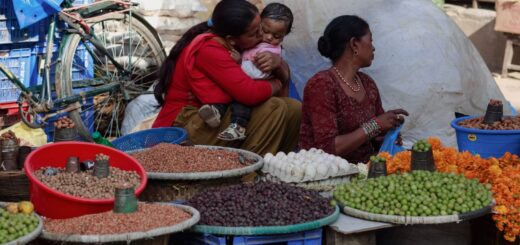
Street food is typically sold in markets, roadside stalls, and near transport hubs. Choosing freshly cooked items from busy stalls is the key to safe enjoyment.
Related articles:
Seafood in Traditional Madagascar Cuisine
As an island nation, Madagascar has access to abundant seafood. Coastal regions, especially around Nosy Be and eastern Madagascar, offer some of the freshest seafood in the Indian Ocean. Common preparations include grilled fish, octopus stew, garlic prawns, and seafood curry with coconut milk. Seafood is often prepared simply, allowing natural freshness to stand out.
Regional Food Differences
| Region | Character | Key Dishes |
|---|---|---|
| Coastal (Nosy Be, East) | Tropical, light, seafood-forward | Grilled fish, coconut prawns, octopus stew |
| Highlands (Antananarivo) | Hearty, rice-heavy, beef-focused | Romazava, zebu stew, ravitoto |
| Southern Madagascar | Rustic, zebu-dominant, cassava-based | Zebu skewers, cassava dishes, simple stews |
Eating Culture and Table Habits
Malagasy dining culture is simple, communal, and relaxed. Meals are often shared from a central dish. Rice is served in large communal portions with side dishes placed in the center of the table. Eating is unhurried and social. In rural areas, meals may be eaten with hands rather than utensils — this is entirely normal and culturally accepted.
Food in Tourist Areas vs Local Areas
Tourist areas: International menus available, higher prices, more variety, cleaner facilities, less authentic but more predictable.
Local areas: Authentic Malagasy dishes, lower prices, simpler presentation, strong cultural immersion. Both experiences have value depending on what travelers seek.
Budget Expectations
- Street food: $0.50–$2
- Local restaurant meal: $2–$6
- Tourist restaurant meal: $8–$20
- Seafood meal: $5–$15 in coastal areas
Plan Your Madagascar Adventure
- GetYourGuide — Guided tours, food experiences, and excursions
- Viator — Wildlife safaris, island hops, coastal tours
- Agoda — Hotels across Madagascar
- Carla — Car rentals for independent travel
- SafetyWing — Travel insurance for your trip
Common Mistakes Travelers Make with Food in Madagascar
- Expecting heavy spice levels — food is mild and flavor-forward without heat
- Not trying local dishes and sticking only to tourist restaurants
- Avoiding street food entirely out of unnecessary concern
- Ignoring regional specialties that only exist in certain areas
Frequently Asked Questions
What is traditional food in Madagascar?
Traditional food is based on rice served with meat, vegetables, or seafood — dishes like romazava, ravitoto, and akoho sy voanio are central to the national cuisine.
Is Malagasy food spicy?
No, most Malagasy food is mild compared to Indian or Thai cuisine. Spicy options like sakay are served separately.
What is the national dish of Madagascar?
Romazava is widely considered the national dish — a light zebu beef and leafy greens stew served with rice.
Is food expensive in Madagascar?
No, food is very affordable, especially at local restaurants and street stalls.
Do people in Madagascar eat seafood often?
Yes, especially in coastal regions where seafood is a daily staple.
Final Thoughts
Madagascar’s food culture is simple yet deeply meaningful. It reflects the island’s history, geography, and way of life. While it may not rely on complex spices or elaborate techniques, Malagasy cuisine offers something equally valuable: authenticity. From rice fields to street stalls to coastal seafood grills, every meal tells a story of tradition, community, and connection to the land — making food an essential part of any journey through Madagascar.
Ready to explore Madagascar? Book tours on GetYourGuide or Viator, accommodation on Agoda, and travel insurance with SafetyWing.
Flight delayed or cancelled? Flights to Madagascar often connect through Paris or Nairobi. EU regulation EC 261 may entitle you to up to €600 in compensation. Check your claim free on AirAdvisor →
Plan Your Trip to Madagascar
- Read the full Madagascar Travel Guide
- Explore itineraries by style and duration
- Explore the full destination guide
Where to Stay