Observation oiseaux Andasibe-Mantadia 2026 : guide complet de l’observation forêt pluviale la plus accessible Madagascar
Divulgation d’affiliation : Cet article contient des liens sponsorisés vers hôtels, opérateurs touristiques, assureurs et autres services voyage. Nous percevons une petite commission si vous réservez via nos liens, sans coût supplémentaire.
Observation oiseaux Andasibe-Mantadia 2026 — En un coup d’œil
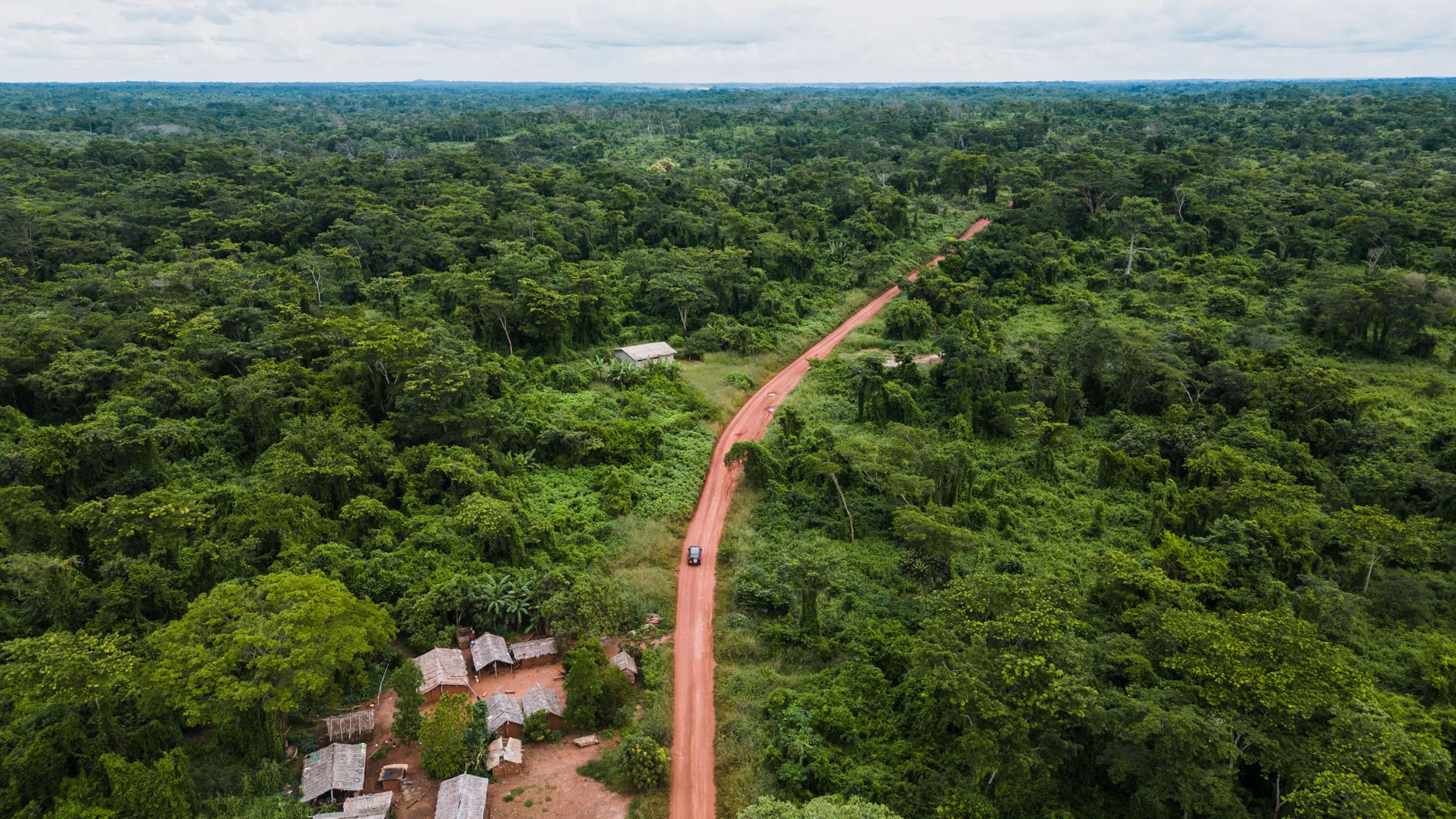
- Localisation : Madagascar est, 130 km est d’Antananarivo, accédé par voyage route 3-4 heures
- Composants parc : Andasibe (forêt pluviale plaine/mi-élévation), Mantadia (forêt pluviale montagnarde élévation supérieure), réserve privée VOIMMA
- Nombre espèces oiseaux : 110+ espèces enregistrées à travers système parc, incluant ~70 endémiques
- Cibles endémiques étoiles : Rollier terrestre pitta-comme, asity velours, coua bleu, coua front-rouge, râle bois Madagascar, vanga sittelle, vanga tête-blanche
- Meilleure saison : Septembre-novembre (pic activité reproduction), avril-novembre saison sèche globale
- Durée voyage standard : 3-4 jours observation dédiée, 5-7 jours combinés avec autres régions Madagascar
- Hébergement : Vakôna Forest Lodge (meilleur pour observateurs), Mantadia Lodge, plusieurs options niveau-intermédiaire (120-320 $/nuit)
- Assurance : SafetyWing Nomad Insurance Complete — essentielle pour couverture médicale forêt
- Protection vol : EU261 600 € par passager pour perturbations vols européens entrants
- Hôtels tampon Tana : Suites premium Antananarivo sur Agoda
🐿 Matériel d’observation de la faune
Le bon matériel transforme une sortie nature :
- Jumelles 8×42 — indispensables pour repérer lémuriens et caméléons. Voir sur Amazon →
- Lampe frontale rechargeable — indispensable pour les marches de nuit. Voir sur Amazon →
- Bâtons de randonnée — ultralégers pour les longues randonnées. Voir sur Amazon →
- Sac à dos de randonnée — confortable pour eau, appareil et vêtements. Voir sur Amazon →
- Répulsif à la picaridine — sans DEET, contre les moustiques du paludisme. Voir sur Amazon →
En tant que Partenaire Amazon, nous réalisons un bénéfice sur les achats éligibles.
Pourquoi Andasibe-Mantadia est la destination observation oiseaux la plus accessible Madagascar
Le Parc National Andasibe-Mantadia est la destination observation oiseaux forêt pluviale est la plus accessible Madagascar — l’introduction standard pour observateurs visitant à la suite famille endémique Madagascar. Situé 130 km est d’Antananarivo le long route vers Toamasina, le parc offre observation forêt pluviale authentique sans complexité logistique Masoala ou long voyage route à Ranomafana. Pour observateurs Madagascar première fois, Andasibe-Mantadia est essentiellement obligatoire et fréquemment le point fort des tours observation Madagascar exhaustifs.
Le système parc inclut trois composants distincts : Andasibe (la zone forêt pluviale plaine originale autour village Andasibe), Mantadia (forêt élévation-supérieure 45 minutes nord), et réserve privée VOIMMA (forêt gérée-communauté immédiatement adjacente à Andasibe). Chacun offre différentes espèces oiseaux et conditions habitat. Pour contexte observation Madagascar plus large, voir notre pilier Meilleur observation oiseaux & espèces endémiques Madagascar 2026.
Les trois composants parc — Ce que chacun offre
Parc National Andasibe (Périnet) — La fondation accessible
La section originale Andasibe protège approximativement 8 100 hectares de forêt pluviale mi-élévation immédiatement autour village Andasibe. Sentiers sont relativement doux (comparés à Mantadia ou Ranomafana) avec routes bien-marquées. Ceci est l’introduction standard à l’observation oiseaux forêt pluviale est.
Espèces étoiles fiables ici : rollier terrestre pitta-comme (multiples paires territoriales), coua front-rouge, coua bleu, étourneau Madagascar, asity velours, newtonia commun, bulbul Madagascar. Les appels célèbres lémurien indri dominent paysages sonores matin.
Parc National Mantadia — L’extension élévation-supérieure
La section Mantadia est 45 minutes nord du village Andasibe, accédée via route dédiée. Sentiers sont plus raides et plus exigeants mais révèlent espèces forêt pluviale élévation-supérieure non trouvées à Andasibe.
Espèces étoiles fiables à Mantadia : rollier terrestre écailleux (le rollier terrestre plus insaisissable, parfois seulement fiable aux stake-outs Mantadia), rollier terrestre pitta-comme (aussi présent), vanga tête-blanche, vanga bleu, vanga sittelle, Madagascar yellowbrow.
Réserve privée VOIMMA — L’alternative gérée-communauté
VOIMMA est une réserve gérée-communauté immédiatement adjacente au village Andasibe. Plus petite que le parc national mais avec observation oiseaux fiable et valeur additionnelle d’engagement communauté direct.
Les cibles observation oiseaux étoiles à Andasibe-Mantadia
Rollier terrestre pitta-comme (Atelornis pittoides)
Andasibe-Mantadia est l’emplacement Madagascar le plus fiable pour rollier terrestre pitta-comme. Multiples territoires établis permettent bonnes chances même pour visiteurs première fois. Tête électrique-bleu et corps orange de l’oiseau en font parmi les espèces les plus photogéniques Madagascar.
Rollier terrestre écailleux (Geobiastes squamiger)
Plus insaisissable que rollier terrestre pitta-comme. Stake-outs Mantadia sont l’emplacement le plus fiable n’importe où à Madagascar pour cette espèce.
Asity velours (Philepitta castanea)
L’asity velours (une des 5 familles endémiques Madagascar) est fiable à Andasibe. Passereau mi-canopée avec forme corps arrondie distinctive.
Coua bleu (Coua caerulea)
Le plus grand des espèces coua Madagascar et un des observations les plus fiables à Andasibe-Mantadia. Plumage bleu cobalt et peau faciale rouge le rendent photogénique.
Coua front-rouge (Coua reynaudii)
Coua plus petit avec tache front rouge distinctive. Fiable à Andasibe en particulier.
Râle bois Madagascar (Mentocrex kioloides)
Râle secret sol-forêt. Andasibe-Mantadia est parmi les emplacements plus fiables. Souvent entendu avant vu.
Vanga tête-blanche (Artamella viridis)
Un des vangas les plus distinctifs avec tête blanche et corps gris. Fiable à Mantadia.
Vanga sittelle (Hypositta corallirostris)
Petit vanga qui cherche nourriture comme sittelle sur troncs arbres. Espèce spécialiste à Mantadia.
Vanga bleu (Cyanolanius madagascarinus)
Vanga frappamment bleu fiable à Mantadia. Souvent en troupes mélangées-espèces. Plumage bleu brillant en fait parmi les vangas les plus photographiés Madagascar.
Tchitrec paradis Madagascar (Terpsiphone mutata)
Sexuellement dimorphe — mâles montrent extensions queue blanches frappantes pendant reproduction. Fiable à travers les deux sections parc.
Exemple itinéraire observation Andasibe-Mantadia 4 jours
Jour 1 : Tana → Arrivée Andasibe + orientation soir
Départ matin de Tana (voyage route 3-4 heures). Déjeuner en route. Arrivée zone Andasibe, enregistrement lodge. Marche soir dans environs pour orienter (observation espèces introductives). Espèces standards observées : bulbul Madagascar, newtonia commun, pie-merle Madagascar, souvent coua bleu et coua front-rouge. Dîner et nuit à Vakôna Forest Lodge ou similaire.
Jour 2 : Parc National Andasibe journée complète
Petit-déjeuner pré-aube 4:30. Entrée parc à 5:30. Marche circuit matin ciblant stake-outs rollier terrestre pitta-comme, asity velours, et espèces endémiques centrales. Extension mi-matin vers sections forêt plus profondes. Retour lodge pour déjeuner et repos. Session après-midi ciblant différente section forêt ou revisitant succès matin pour photographie. Session nocturne optionnelle pour chouettes et engoulevents. Dîner et nuit.
Jour 3 : Parc National Mantadia journée complète
Départ pré-aube vers Mantadia (45 minutes nord). Journée complète à Mantadia ciblant rollier terrestre écailleux, vangas spécifiques-Mantadia (vanga sittelle, vanga bleu), Madagascar yellowbrow, et autres espèces élévation-supérieure. Sentiers raides requièrent forme. Déjeuner en terrain. Retour lodge Andasibe pour dîner. Observation nocturne optionnelle.
Jour 4 : VOIMMA + revisite Andasibe, départ destination suivante
Matin à réserve privée VOIMMA pour espèces additionnelles et engagement communauté. Départ fin matin ou midi pour destination suivante (typiquement Ranomafana via Tana, ou extension vers autres régions Madagascar). Total décompte espèces 4 jours : typiquement 70-100 espèces à travers système Andasibe-Mantadia.
Options hébergement pour observateurs
Vakôna Forest Lodge (meilleur pour observateurs)
Le lodge observation standard à Andasibe. Chambres confortables avec vues forêt, restaurant décent, réserve forêt sur place avec espèces oiseaux additionnelles, proximité à entrée parc. Tarifs 180-280 $ par nuit incluant petit-déjeuner. Eau chauffée, électricité générateur, confortable mais pas luxe.
Mantadia Lodge
Option confortable alternative au village Andasibe. Niveau tarification similaire. Généralement fiable pour groupes observation.
Andasibe Hotel
Option niveau-intermédiaire au village Andasibe. Confortable mais plus basique que Vakôna ou Mantadia Lodge. Tarifs 120-180 $ par nuit.
Eulophiella Lodge
Option boutique plus petite. Atmosphère plus calme. Niveau tarification plus haut reflète échelle plus petite et service plus raffiné.
Option camping
Installations camping existent à Mantadia pour voyages véritablement focalisés-budget. La plupart des tours observation internationaux n’utilisent pas camping.
Logistique — Y arriver à Andasibe-Mantadia
Voyage route depuis Tana
Voyage standard 3-4 heures sur RN2 (Route Nationale 2). Qualité route raisonnable pour Madagascar — pavée partout. Retards trafic possibles autour Tana. La plupart des tours observation utilisent véhicule privé avec chauffeur.
Combiner avec autres destinations Madagascar
Andasibe-Mantadia est naturellement combiné avec Ranomafana (voyage route 6-8 heures sud) pour observation oiseaux forêt pluviale est exhaustive. Tours combinés Andasibe-Ranomafana de 8-10 jours couvrent ~70 % d’espèces endémiques Madagascar est.
Considérations véhicule et chauffeur
Véhicule privé avec chauffeur/guide coûte 80-140 $ par jour à travers voyage Madagascar plus large. Pour Andasibe-Mantadia spécifiquement, véhicule gère à la fois arrivée/départ Tana et aller-retour Mantadia 45 minutes.
Information observation pratique
Guides MNP — obligatoires et comment maximiser valeur
Madagascar National Parks requiert guides pour toute entrée parc. Guides Andasibe-Mantadia varient en expertise observation — demandez spécifiquement guide oiseau expérimenté lors réservation via opérateur spécialiste. Les meilleurs guides connaissent paires territoriales spécifiques d’espèces clés, temps observation optimaux, et ont relations travail avec emplacements stake-out.
Conditions sentier
Sentiers section Andasibe relativement doux avec quelques inclinaisons modérées. Sentiers Mantadia substantiellement plus raides et glissants. Sentiers VOIMMA modérés. Chaussures robustes essentielles. Bâtons marche utiles pour Mantadia.
Considérations météo
Climat forêt pluviale tropicale — même en saison sèche, brèves averses possibles. Couches utiles — frais matin précoce, chaud midi, occasionnellement frais soir. Jumelles imperméables et protection caméra essentielles.
Conditions photographie
Canopée dense crée conditions lumière difficiles. Planifiez pour prise vue haut-ISO (1600-6400 typique pour intérieur forêt). Téléobjectif essentiel. Quelques espèces observables seulement brièvement — temps réaction rapides comptent.
Erreurs observation oiseaux Andasibe-Mantadia courantes
Erreur 1 : Temps insuffisant. 1-2 jours est inadéquat pour observation sérieuse ici. Minimum 3 jours, idéalement 4 jours, pour couvrir à la fois Andasibe et Mantadia appropriément.
Erreur 2 : Sauter Mantadia. Sans Mantadia, rollier terrestre écailleux, plusieurs vangas spécifiques-Mantadia, et espèces montagnardes restent non comptés. La conduite 45 minutes vaut l’effort.
Erreur 3 : Mauvaise allocation guide. Guides parc génériques ne sont pas suffisants pour observation spécialiste. Demandez guide oiseau expérimenté spécifiquement.
Erreur 4 : Chaussures inadéquates. Sentiers Mantadia requièrent chaussures randonnée robustes. Baskets causent glissements et blessures.
Erreur 5 : Sauter sessions nocturnes. Plusieurs espèces chouette et engoulevent plus faciles ici qu’ailleurs à Madagascar.
Erreur 6 : Assurance inadéquate. Couverture exhaustive SafetyWing essentielle pour évacuation médicale si nécessaire.
Indri et autre observation faune
Au-delà espèces oiseaux, Andasibe-Mantadia offre observation faune exceptionnelle qui rehausse voyage observation.
Indri (Indri indri) : Le plus grand lémurien vivant au monde. Andasibe est essentiellement le seul emplacement mondialement fiable pour observation indri. Leurs appels territoriaux forts (similaires à chants baleines) dominent paysages sonores matin. Observation visuelle fiable à la fois Andasibe et Mantadia.
Sifaka diadémé : Belle espèce sifaka fiable à Andasibe et Mantadia. Plus grand et plus arboricole que autres sifakas.
Autres espèces lémuriens : Lémurien brun commun, lémurien ventre-rouge, lémurien laineux est (nocturne), et lémurien souris Goodman (nocturne) tous fiables.
Reptiles et amphibiens endémiques : Grenouilles mantella Madagascar, divers caméléons, geckos queue-feuille tous observables.
Papillons et insectes : Papillon lune Madagascar et autres Lépidoptères distinctifs. Insectes endémiques partout.
La combinaison d’observation classe mondiale plus observation lémuriens plus biodiversité plus large fait d’Andasibe-Mantadia l’introduction la plus accessible à la richesse histoire naturelle Madagascar.
Saisonnalité à Andasibe-Mantadia
La qualité observation Andasibe-Mantadia varie significativement à travers l’année, et aligner votre visite avec conditions optimales améliore à la fois observation espèces et expérience globale.
Septembre-novembre (pic saison) : Oiseaux forêt pluviale est en plumage reproduction avec activité vocale pic. Rolliers terrestres et asities le plus fiablement observés pendant périodes affichage territorial. Indri le plus vocal. C’est la fenêtre optimale pour visiteurs première fois et achèvement liste-vie sérieux.
Décembre-mars (saison pluies) : Précipitations fortes rendent sentiers dangereux et réduisent activité oiseau. Indri moins vocal. Beaucoup observateurs évitent cette fenêtre. Pas recommandé pour observation dédiée.
Avril-mai (post-pluies, excellent) : Conditions s’améliorant rapidement. Oiseaux actifs. Moins de foules que pic septembre-novembre. Sentiers séchant. Période valeur excellente avec bonne observation.
Juin-août (saison sèche, très bon) : Températures fraîches confortables pour marche forêt. Tous sentiers accessibles. Observation fiable bien que moins activité reproduction que pic septembre-novembre.
La fenêtre septembre-novembre délivre la meilleure observation, mais avril-mai et juin-août fournissent toutes deux excellentes expériences avec moins de foules. Décembre-mars devrait être évité pour observation sérieuse.
Combiner Andasibe-Mantadia avec Ranomafana
La route observation Madagascar est exhaustive standard combine Andasibe-Mantadia avec Parc National Ranomafana plus au sud. Comprendre pourquoi cette combinaison fonctionne aide planification voyage.
Espèces complémentaires : Andasibe-Mantadia couvre forêt pluviale est mi-élévation et quelque élévation-supérieure. Ranomafana couvre forêt pluviale montagnarde élévation-supérieure avec différentes espèces. Ensemble elles couvrent approximativement 70 % d’oiseaux endémiques Madagascar est.
Logistique : Voyage route 6-8 heures sud d’Andasibe à Ranomafana. La plupart des tours incluent nuit tampon Tana entre les deux sites. Le segment combiné Andasibe-Ranomafana court typiquement 8-11 jours.
Séquençage : Séquence standard est Andasibe-Mantadia d’abord (acclimatation, introduction accessible), puis Ranomafana (terrain plus exigeant, espèces spécialistes).
Implications coût : Tours observation combinés Andasibe-Ranomafana courent 4 500-8 500 $ par personne pour 10-14 jours selon niveau et taille groupe.
Ce qui fait un grand guide observation Andasibe-Mantadia
Qualité guide est la plus grande variable unique en succès observation Andasibe-Mantadia. Comprendre ce qui distingue excellents guides aide lors réservation.
Connaissance emplacement espèces : Les meilleurs guides connaissent paires territoriales spécifiques d’espèces clés — quel arbre fréquente le rollier terrestre pitta-comme, quel stake-out Mantadia produit fiablement rollier terrestre écailleux.
Reconnaissance vocale : Oiseaux forêt Madagascar fréquemment entendus avant vus. Excellents guides identifient espèces par appel instantanément.
Maîtrise anglais : Pour observateurs internationaux, guides anglophones essentiels pour discussion espèces, explication comportementale, et confirmation ID.
Pratique éthique : Les meilleurs guides minimisent usage playback, respectent oiseaux nidifiant, et priorisent bien-être oiseau sur observations garanties.
Patience et rythme : Observation qualité requiert patience. Excellents guides fixent rythme lent approprié, attendent espèces difficiles, et lisent niveaux énergie groupe.
Stratégie réservation : Demandez spécifiquement guide oiseau expérimenté lors réservation. Guides parc génériques peuvent manquer expertise observation spécialiste. L’assurance exhaustive SafetyWing couvre tout incident pendant observation forêt éloignée indépendamment guide.
La routine quotidienne à Andasibe-Mantadia
Pour observateurs non familiers avec routine observation forêt pluviale, comprendre structure journée aide se préparer appropriément.
Préparation pré-aube (4:00-5:15)
Réveil 4:00-4:30. Petit-déjeuner continental rapide au lodge (pain, fruit, boisson chaude). Vérification équipement : jumelles nettoyées, guide terrain accessible, bouteille eau remplie, collations pour mi-matin. Bref vérification météo et discussion route avec guide. Départ véhicule 5:00-5:15 pour court trajet vers entrée parc.
Observation première lumière (5:30-7:30)
Entrée parc à première lumière. Appels indri commencent souvent autour ce temps — coups distants tonitruants qui portent kilomètres. Observation initiale focalise sur espèces les plus actives en lumière précoce : espèces intérieur forêt, rolliers terrestres aux stake-outs établis, pics et grimpereaux. Rythme délibérément lent — la plupart des espèces répondent à stimulation vocale par guide.
Exploration forêt mi-matin (7:30-10:30)
Activité culmine pendant cette fenêtre. Troupes mélangées-espèces se déplaçant à travers canopée fournissent opportunités pour multiples espèces vanga simultanément. Guide identifie appels et dirige attention groupe rapidement. Décompte espèces cumulatif atteint typiquement 30-50 d’ici 10:30 sur matins productifs.
Repos mi-journée (10:30-13:30)
Activité oiseau diminue substantiellement pendant chaleur midi. Retour au lodge pour repas approprié et repos. Quelques observateurs gardent utilisent cette fenêtre pour observation reptile et amphibien (moins lumière-sensibles que oiseaux), photographie papillons, ou étude guide terrain pour consolider observations matin.
Observation après-midi (13:30-17:00)
Activité reprend alors que températures se rafraîchissent. Différent sentier ou section que matin. Quelques espèces plus fiables en après-midi — buse Madagascar, quelques vangas, espèces bord-forêt. Conditions photographie parfois meilleures alors que angle soleil change.
Pré-crépuscule et crépuscule (17:00-18:30)
Fenêtre observation finale. Appels indri à nouveau communs alors que familles retournent aux arbres perchage. Écoute chouette commence — quelques espèces appellent depuis crépuscule. Groupe retourne typiquement au lodge d’ici 18:30 pour dîner.
Observation nocturne (19:30-21:00, optionnelle)
Observation spécialisée chouette et engoulevent. Lampes frontales avec filtres rouges (préférés pour observation oiseau-conviviale) essentielles. Chouette grandes-oreilles Madagascar, engoulevent Madagascar, espèces hibou-scops toutes possibles.
Stratégies observation espèces spécifiques
Différentes espèces requièrent différentes approches observation. Les stratégies suivantes aident maximiser succès observation pour cibles Andasibe-Mantadia clés.
Stratégie rollier terrestre pitta-comme
Mieux observé aux emplacements stake-out établis sur sentiers Parc National Andasibe. Multiples paires territoriales rendent observation fiable mais rarement à première tentative. Aube (5:30-7:30) la plus productive. Approche calme essentielle.
Stratégie rollier terrestre écailleux
Mantadia est l’emplacement primaire. Points stake-out spécifiques connus aux guides spécialistes. Arrivée pré-aube importante — ces oiseaux actifs très tôt. Multiples jours effort parfois nécessaires.
Stratégie asity velours
Passereau mi-canopée, plus facile à repérer que espèces sol. Écoutez vocalisations distinctives. Andasibe et Mantadia produisent observations.
Stratégie observation vanga
Beaucoup vangas observés en troupes mélangées-espèces. Attendez troupe à passer, scannant canopée pour multiples espèces simultanément. Photographie opportunités souvent brèves alors que troupes se déplacent rapidement.
Stratégie observation coua
Coua bleu et coua front-rouge tous deux relativement fiables à Andasibe. Souvent observés en paires se déplaçant à travers mi-canopée ou sur le sol.
Stratégie observation indri
Différent de observation oiseau mais intégré dans observation Andasibe-Mantadia. Indri appellent tôt matin depuis territoires famille établis. Guides connaissent emplacements groupe famille spécifiques.
Équipement observation spécialiste pour Andasibe-Mantadia
Au-delà équipement observation Madagascar général, considérations équipement spécifique-Andasibe-Mantadia comptent.
Jumelles : 8×42 ou 10×42 standard. Optiques premium significativement mieux en conditions forêt dense.
Téléobjectif : 400-600 mm essentiel pour observation forêt. Stabilisation image significative pour prise vue main libre.
Trépied : Utile pour photographie sérieuse aux emplacements stake-out connus.
Veste pluie : Obligatoire toute année. Brèves averses possibles même en saison sèche.
Bottes imperméables robustes : Sentiers Mantadia spécialement requièrent chaussures robustes.
Lampe frontale avec filtre rouge : Essentielle pour observation nocturne.
Répulsif insectes : DEET ou picaridin.
Hydratation : Bouteille eau pour marches multi-heures.
Guide terrain : Référence « Birds of Madagascar ». Livre physique plus sauvegarde app.
Contexte conservation pour Andasibe-Mantadia
Andasibe-Mantadia représente une des histoires succès conservation les plus accessibles Madagascar. Le système parc protège habitat forêt pluviale est critique, incluant les seules populations indri viables restant mondialement.
Frais parc financent conservation : Frais entrée Madagascar National Parks financent directement gestion et protection habitat. Le frais 65 000 MGA (~15 $) par-personne quotidien est contribution conservation substantielle.
Alternatives gérées-communauté : Réserve privée VOIMMA fournit alternative conservation gérée-communauté. Frais flueront directement à communauté locale plutôt qu’au budget conservation gouvernement.
Culture pourboires : Guides locaux gagnent typiquement salaires base modestes avec pourboires formant portion substantielle revenu. 15-30 $ par guide par jour pourboire standard.
Éthique photographie : N’utilisez pas playback excessivement pour leurrer espèces. N’approchez pas oiseaux nidifiant ou espèces nocturnes au repos trop près. Ne dérangez pas groupes famille indri.
Menaces habitat : Pression de hors du parc (exploitation forestière, agriculture sur-brûlis) continue. Revenu touriste visitant aide financer efforts anti-braconnage et protection habitat.
Histoires observation Andasibe-Mantadia réelles
Le premier tour endémique Madagascar
Couple US fin 40+, observateurs intermédiaires, premier voyage Madagascar. Visite Andasibe-Mantadia 4 jours comme partie tour observation Madagascar 14 jours plus large. Octobre 2026. Résultat : observé rollier terrestre pitta-comme (Jour 2), asity velours, coua bleu, coua front-rouge, vanga tête-blanche, et rollier terrestre écailleux à Mantadia (Jour 3, après deux tentatives). Total 78 espèces à travers segment Andasibe-Mantadia. Rapporté « le rollier terrestre écailleux à Mantadia était le point fort voyage — notre guide savait exactement où attendre. »
La visite focalisée-photographie
Photographe oiseau UK milieu 50+, voyage photographie dédié. Séjour Andasibe-Mantadia étendu 5 jours. Septembre 2026. Résultat : photographié rollier terrestre pitta-comme sur multiples sessions (le temps étendu a permis attendre lumière et poses optimales), capturé groupe famille indri, vanga bleu, et tchitrec paradis Madagascar. Rapporté « étendre à 5 jours versus standard 3 valait pour photographie sérieuse. »
L’introduction rapide
Couple australien fin 30+, voyage Madagascar plus large avec observation comme un élément. Visite Andasibe 2 jours (pas de Mantadia). Novembre 2026. Résultat : observé indri, sifaka diadémé, coua bleu, et approximativement 45 espèces oiseaux. Rapporté « même comme observateurs occasionnels, l’expérience indri seule a justifié la visite. » Leçon : même visites courtes délivrent expériences mémorables, bien que observateurs sérieux ont besoin 3-4 jours minimum.
Conseils planification voyage pratique
Réservez hébergement tôt : Vakôna Forest Lodge et autres options qualité se réservent pendant pic septembre-novembre. Réservez 4-6 mois à l’avance pour pic saison.
Allouez temps adéquat : Minimum 3 jours, idéalement 4 jours, pour couvrir à la fois Andasibe et Mantadia appropriément.
Demandez guide oiseau expérimenté : Spécifiez spécialiste oiseau lors réservation. La différence qualité guide est dramatique pour résultats observation.
Emballez appropriément : Chaussures imperméables robustes (sentiers Mantadia), veste pluie, couches, jumelles, téléobjectif si photographiant, lampe frontale pour sessions nocturnes, répulsif insectes.
Construisez tampon Tana : Planifiez nuit Tana avant arrivée Andasibe (récupération décalage horaire) et considérez tampon Tana lors transfert vers Ranomafana ou autres destinations.
Assurance exhaustive : Couverture exhaustive SafetyWing avec évacuation médicale essentielle pour régions observation forêt.
Gérez attentes sur espèces rares : Quelques espèces (rollier terrestre écailleux) requièrent patience et multiples tentatives. Même avec excellents guides, certaines espèces peuvent être manquées. L’expérience famille endémique est l’objectif, pas nécessairement 100 % d’espèces cibles.
Combiner observation avec expériences Madagascar plus larges
Au-delà observation pure, Andasibe-Mantadia se combine naturellement avec autres expériences Madagascar pour voyages équilibrés.
Observation + lémuriens : Andasibe est le seul emplacement fiable mondialement pour observation indri, plus sifaka diadémé et multiples autres espèces lémuriens. Observation oiseaux et lémuriens se chevauchent naturellement pendant marches forêt.
Observation + culturel : Villages traditionnels autour Andasibe offrent engagement culturel. Réserve VOIMMA gérée-communauté combine observation avec engagement communauté direct.
Observation + récupération luxe : Après segment observation intensif, ajoutez nuits lodge luxe (Anjajavy ou autre) pour récupération. Contraste crée arc voyage satisfaisant.
Observation + photographie générale : Andasibe-Mantadia offre opportunités photographie au-delà oiseaux — paysages forêt pluviale, indri, reptiles et amphibiens endémiques, papillons.
L’accessibilité Andasibe-Mantadia depuis Tana en fait l’introduction Madagascar idéale, que vous soyez observateur dédié ou voyageur cherchant exposition à la richesse biodiversité endémique extraordinaire Madagascar. Pour beaucoup de visiteurs, Andasibe-Mantadia devient la pièce maîtresse émotionnelle du voyage — l’endroit où la distinctivité évolutive Madagascar devient tangible à travers observation directe d’espèces et familles trouvées nulle part ailleurs sur Terre.
Questions fréquentes
Combien d’oiseaux puis-je voir à Andasibe-Mantadia ?
Visite observation dédiée 4 jours : typiquement 70-100 espèces observées incluant ~35-50 endémiques. Visites rapides 2 jours : 40-60 espèces. Visites étendues semaine : 100-130+ espèces.
Puis-je visiter indépendamment ou ai-je besoin d’un tour ?
Guide MNP obligatoire requis à entrée parc. Voyage indépendant possible mais tour observation spécialiste ajoute valeur substantielle à travers allocation guide expert et connaissance route.
Et photographie spécifiquement ?
Photographie excellente pour espèces iconiques mais techniquement exigeante en raison lumière forêt. Planifiez pour configuration téléobjectif sérieux.
Andasibe est-il famille-convivial ?
Oui — accessibilité Andasibe le rend approprié pour familles avec enfants 8+. Observation indri est particulièrement engageante pour visiteurs plus jeunes. Sentiers Mantadia trop exigeants pour jeunes enfants.
Et observation la nuit ?
Observation nocturne ajoute lifers chouette et engoulevent. Sessions soir optionnelles (90-120 minutes) communes à Andasibe.
Et s’il pleut ?
Pluie brève n’arrête pas typiquement observation. Pluie forte peut pauser activité brièvement. La plupart des opérateurs ont contingences pluie.
Puis-je combiner avec autres destinations Madagascar ?
Oui — modèle standard combine Andasibe-Mantadia avec Ranomafana pour couverture forêt pluviale est exhaustive.
🌴 Planifiez votre voyage observation Andasibe-Mantadia avec Carla
Voyages observation Andasibe-Mantadia bénéficient de coordination spécialiste — allocation guide oiseau expert, correspondance hébergement, personnalisation route. Contactez Carla, notre spécialiste résidente à Madagascar. Elle structurera votre programme Andasibe-Mantadia correspondant à votre expérience observation, priorités espèces cibles, et objectifs voyage Madagascar plus larges.
Lectures observation oiseaux Madagascar associées :
- Meilleur observation oiseaux & espèces endémiques Madagascar 2026
- Madagascar pour ornithologues 2026 — Route espèces endémiques 7 jours
- Meilleures destinations photographie faune Madagascar 2026
Planifiez Votre Voyage à Madagascar
- Lire le guide de voyage complet Madagascar
- Explorer les itinéraires par style et durée
- Meilleures excursions guidées
Où Dormir