Observation baleines Sainte-Marie 2026 : guide complet de la capitale baleines à bosse Madagascar
Divulgation d’affiliation : Cet article contient des liens sponsorisés vers hôtels, opérateurs touristiques, assureurs et autres services voyage. Nous percevons une petite commission si vous réservez via nos liens, sans coût supplémentaire.
Observation baleines Sainte-Marie 2026 — En un coup d’œil
- Localisation : Île Sainte-Marie (Nosy Boraha), au large côte est Madagascar, accédé par vol 1 heure depuis Antananarivo
- L’expérience baleine : Des milliers de baleines à bosse dans le canal Sainte-Marie juillet–septembre ; paires mère-baleineau, sauts, groupes compétitifs, chant baleine audible
- Pic saison : Juillet–septembre (pic juillet–août), avec le Festival des Baleines en juillet
- Opérateur leader : Cétamada — organisation recherche et éco-tourisme fixant le standard mondial pour observation baleines responsable
- Hébergement : Princesse Bora Lodge & Spa (luxe), plusieurs lodges niveau-intermédiaire (120-600 $+/nuit)
- Au-delà baleines : Cimetière pirate, Île aux Nattes, plages, plongée, Festival des Baleines
- Assurance : SafetyWing Nomad Insurance Complete — essentielle pour couverture activité marine
- Protection vol : EU261 600 € par passager pour perturbations vols européens entrants
- Hôtels Sainte-Marie : Séjours premium Madagascar sur Agoda
Réservez vos excursions à Madagascar
Les meilleurs circuits en petit groupe (faune, lémuriens et parcs) de Madagascar affichent complet des mois à l’avance en haute saison (juillet–octobre). Parcourez les excursions à Madagascar et vérifiez les disponibilités en direct sur GetYourGuide →
🏖 Kit plage & snorkeling
Pour les îles et récifs malgaches, emportez :
- Rashguard anti-UV UPF50 — protection solaire toute la journée, dans l’eau ou non. Voir sur Amazon →
- Pochette étanche téléphone — IPX8 pour bateaux, plages et snorkeling. Voir sur Amazon →
- Sac étanche — garde vos affaires au sec en bateau. Voir sur Amazon →
- Serviette microfibre — compacte, sèche vite sous la chaleur. Voir sur Amazon →
- Crème solaire respectueuse des récifs — vous protège et préserve le corail. Voir sur Amazon →
En tant que Partenaire Amazon, nous réalisons un bénéfice sur les achats éligibles.
Pourquoi Île Sainte-Marie est la capitale observation baleines Madagascar
Île Sainte-Marie (Nosy Boraha), une île mince de 60 kilomètres au large côte est Madagascar, est la destination observation baleines premier du pays et un des meilleurs emplacements baleines à bosse au monde. Entre juillet et septembre chaque année, des milliers de baleines à bosse se rassemblent dans le canal entre Sainte-Marie et le continent pour se reproduire, mettre bas, et allaiter leurs jeunes. Les eaux relativement protégées du canal, la concentration des baleines, et l’infrastructure tourisme développée (par standards Madagascar) de l’île se combinent pour faire de Sainte-Marie la base observation baleines Madagascar optimale.
Au-delà des baleines, Sainte-Marie offre une destination véritablement distinctive : histoire pirate 17e-18e siècle (incluant un cimetière pirate), l’idyllique Île aux Nattes, belles plages, et le Festival des Baleines annuel en juillet. La combinaison d’observation baleines classe mondiale avec héritage pirate et beauté tropicale fait de Sainte-Marie une destination multi-dimensionnelle plutôt qu’un arrêt activité-unique. Pour contexte observation baleines Madagascar plus large, voir notre pilier Meilleure observation baleines & mammifères marins Madagascar 2026.
L’expérience observation baleines Sainte-Marie
Le canal — où les baleines se rassemblent
Le canal Sainte-Marie, entre l’île et le continent Madagascar, est le cœur de l’expérience observation baleines. Les eaux relativement protégées, chaudes fournissent conditions reproduction et mise bas idéales. Pendant pic saison (juillet–août), le canal accueille une concentration remarquable de baleines à bosse — observation est hautement fiable, avec multiples rencontres baleines typiques sur chaque excursion.
Ce que vous observez
L’observation baleines Sainte-Marie délivre la gamme complète de comportements baleines à bosse : sauts (baleines se lançant hors de l’eau), claquements queue, claquements nageoire pectorale, spy-hopping, interactions mère-baleineau (allaitement, enseignement, protection), et groupes compétitifs dramatiques où multiples mâles poursuivent une femelle. Avec bateaux équipés hydrophone (Cétamada et autres), vous pouvez entendre le chant baleine envoûtant que baleines à bosse mâles produisent pendant saison reproduction.
Paires mère-baleineau
Parce que Sainte-Marie est un terrain mise bas et allaitement, observation inclut fréquemment paires mère-baleineau. Regarder une mère baleine à bosse allaiter et enseigner son baleineau nouveau-né est parmi les expériences faune les plus émouvantes disponibles n’importe où. Ces paires vulnérables requièrent observation particulièrement soigneuse, respectueuse — c’est pourquoi opérateurs responsables (Cétamada) comptent tellement.
Le chant baleine
Baleines à bosse mâles chantent chants complexes, évoluant pendant saison reproduction. Opérateurs Sainte-Marie avec hydrophones abaissent le dispositif dans l’eau, vous permettant d’entendre ce phénomène naturel extraordinaire. L’expérience chant baleine — assis sur un bateau calme, écoutant chant baleine à bosse à travers hydrophone — est un des moments définissants Sainte-Marie et une expérience que peu de destinations offrent.
Cétamada — Le standard observation baleines responsable
Cétamada est l’organisation observation baleines leader sur Sainte-Marie et fixe le standard mondial pour observation responsable. Comprendre ce qui rend Cétamada distinctive aide voyageurs à choisir responsablement.
Intégration recherche-tourisme
Cétamada est à la fois organisation recherche et opérateur éco-tourisme. Ils conduisent recherche photo-identification baleines à bosse, surveillance population, et études comportementales — et intègrent observation touriste avec cette recherche. Quand vous observez baleines avec Cétamada, votre observation supporte directement science baleines à bosse. Vos photographies de nageoires queue baleines peuvent contribuer à la base données photo-ID.
Protocoles observation
Cétamada maintient protocoles observation responsable stricts : distances minimum (baleines approchées seulement à distances respectueuses, plus près seulement si baleines approchent volontairement), nombres bateaux limités par groupe baleine, pas de poursuite ou encerclement, et soin particulier autour paires mère-baleineau vulnérables. Ces protocoles protègent baleines tout en délivrant meilleure observation.
Éducation et sensibilisation
Cétamada inclut contenu éducatif dans leur observation baleines, enseignant participants sur biologie baleines à bosse, la recherche conduite, et conservation. Cela transforme observation baleines d’observation passive en apprentissage engagé.
Pourquoi opérateurs responsables comptent
Quelques opérateurs priorisent rencontres rapprochées sur bien-être baleine, potentiellement stressant baleines (spécialement paires mère-baleineau). Choisir opérateurs responsables comme Cétamada protège baleines et délivre meilleure expérience. L’observation baleines est véritablement meilleure avec opérateurs responsables — et vous contribuez à conservation plutôt que perturbation.
Exemple itinéraire observation baleines Sainte-Marie
Jour 1 : Arrivée et orientation
Vol Tana → Sainte-Marie (1 heure). Transfert vers lodge (Princesse Bora ou option niveau-intermédiaire). Orientation après-midi, installation lodge, relaxation plage. Briefing soir sur observation baleines jour suivant. Dîner au lodge.
Jour 2 : Première excursion baleines
Excursion observation baleines matin (2-4 heures) avec Cétamada ou opérateur responsable choisi. Briefing biologie baleine, voyage bateau vers canal, rencontres baleines avec paires mère-baleineau et activité surface, écoute chant baleine hydrophone. Repos après-midi, temps plage, ou exploration île. Réflexion soir sur rencontres journée.
Jour 3 : Deuxième excursion baleines + exploration île
Deuxième excursion baleines matin (différentes baleines, différents comportements). Excursion journée Île aux Nattes après-midi (petite île idyllique au large sud Sainte-Marie) ou visite cimetière pirate. Relaxation plage. Dîner soir.
Jour 4 : Troisième excursion baleines + option plongée
Troisième excursion baleines matin assurant observation exhaustive à travers comportements baleines divers. Option plongée/snorkeling après-midi, ou exploration île continue. Les multiples excursions garantissent observation qualité à travers conditions variées.
Jour 5 : Excursion matin finale + départ
Excursion baleines matin finale (optionnelle). Transfert midi vers aéroport, vol Sainte-Marie → Tana. Coût total : 2 800-4 500 $ par personne incluant vols et hébergement (varie par niveau hébergement).
Hébergement sur Sainte-Marie
Princesse Bora Lodge & Spa (luxe)
La propriété luxe premier Sainte-Marie. Villas plage, spa, restauration raffinée, et accès observation baleines. La base observation baleines luxe, combinant faune marine avec luxe plage. Tarifs 300-600 $+ par nuit pendant pic saison. Observation baleines de jour, luxe plage de soir. Le lodge a son propre programme observation baleines avec protocoles responsables.
Lodges niveau-intermédiaire
Plusieurs lodges niveau-intermédiaire confortables le long côte Sainte-Marie offrent bases observation baleines qualité sans prime luxe. Tarifs 120-280 $ par nuit. Confortables, bien-situés, et bonne valeur pour voyageurs focus-baleines. Exemples incluent Libertalia, Masoandro, et autres.
Options budget
Pensions basiques et hébergement budget pour observateurs baleines conscients-coût. Tarifs 40-100 $ par nuit. Bases fonctionnelles priorisant observation baleines sur luxe hébergement.
Stratégie réservation
Hébergement pic saison (juillet–août) se réserve mois à l’avance étant donné capacité limitée Sainte-Marie. Princesse Bora et options niveau-intermédiaire qualité se remplissent le plus tôt. Réservez 4-8 mois à l’avance pour pic saison.
Au-delà baleines — Autres attractions Sainte-Marie
Histoire pirate et le cimetière pirate
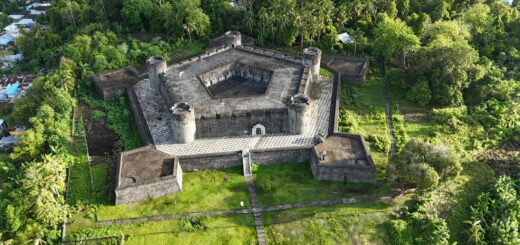
Sainte-Marie était un bastion pirate majeur aux 17e-18e siècles — ses ports protégés et emplacement stratégique le rendaient idéal pour pirates raidant routes commerce océan Indien. Le cimetière pirate de l’île (Cimetière des Pirates) contient tombes de pirates historiques, incluant certaines marquées de tête-de-mort-et-os-croisés. L’héritage pirate ajoute une dimension historique unique à l’expérience observation baleines.
Île aux Nattes
Une petite île au large pointe sud Sainte-Marie, Île aux Nattes (Nosy Nato) offre plages pristines, eaux turquoise, et paysage tropical idyllique. Accessible par courte traversée bateau (parfois traversable à pied à marée basse). Une excursion demi-journée ou journée parfaite combinant relaxation plage avec voyage observation baleines.
Plages et beauté naturelle
Sainte-Marie offre belles plages, littoral bordé palmiers, et atmosphère tropicale décontractée. La beauté naturelle de l’île fournit relaxation entre excursions baleines et complémente le focus faune marine.
Plongée et snorkeling
Sainte-Marie offre plongée récif et snorkeling. Le focus marin s’étend au-delà baleines aux récifs corail et poissons récif, complémentant l’expérience observation baleines pour voyageurs focus-marin.
Festival des Baleines (juillet)
Le Festival des Baleines annuel en juillet célèbre la migration baleines à bosse avec événements culturels, musique, et observation baleines. Visiter pendant le festival ajoute dimension culturelle à observation baleines, combinant culture malgache avec célébration faune marine.
Information Sainte-Marie pratique
Y arriver
La plupart des voyageurs volent Tana → Sainte-Marie (aéroport Nosy Boraha), approximativement 1 heure, via Tsaradia. Vols peuvent faire face perturbations liées-météo ; construisez temps tampon. Alternative : conduire vers Soanierana-Ivongo (8+ heures de Tana) puis ferry vers Sainte-Marie (1-1,5 heures).
Conditions mer
Le canal Sainte-Marie est relativement protégé, mais bateaux observation baleines s’aventurent en eaux côtières qui peuvent être agitées. Voyageurs sujet-au-mal-de-mer devraient apporter médicaments. Excursions matin rencontrent typiquement conditions plus calmes.
Météo pendant saison baleines
Juillet–septembre est saison sèche avec conditions généralement agréables, bien que plus fraîches et occasionnellement venteuses. Apportez couches pour voyages bateau (matins peuvent être frais sur l’eau) et protection soleil pour midi.
Quoi apporter pour observation baleines
Protection soleil, eau, caméra avec téléobjectif (200-400 mm), médicament mal de mer si sujet, couches chaudes, protection imperméable pour caméras (embruns mer), et jumelles.
Photographie sur Sainte-Marie
L’observation baleines Sainte-Marie offre opportunités photographie exceptionnelles.
Les plans définissants : Baleines sautant (le plan iconique), nageoires queue levées avant plongées, paires mère-baleineau surfaçant ensemble, activité surface groupe compétitif, et le littoral Sainte-Marie comme arrière-plan.
Équipement : Téléobjectif (200-400 mm) essentiel pour photographie baleines depuis bateaux. Stabilisation image utile. Vitesses obturateur rapides (1/1000+) figent sauts. Corps étanchéifiés préférés. Chiffons objectif pour embruns mer.
Techniques : Anticipez comportement saut, gardez caméra prête continuellement, tirez mode rafale pour action, acceptez taux échec élevé pour plans saut. Au-delà stills, vidéo capture comportement baleine et chant efficacement.
Combiner Sainte-Marie avec autres expériences Madagascar
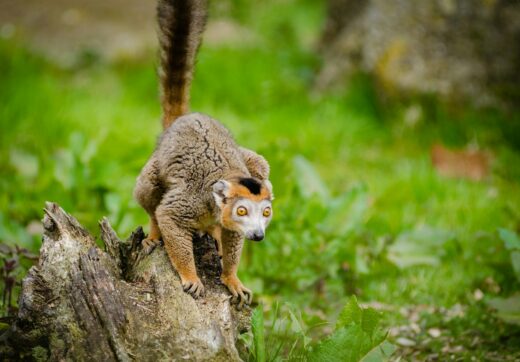
Sainte-Marie + forêt pluviale Andasibe : Andasibe-Mantadia (forêt pluviale est, lémuriens indri) se trouve en route entre Tana et le ferry/vol Sainte-Marie. Combinez baleines avec lémuriens et oiseaux forêt pluviale.
Sainte-Marie + récupération luxe : Princesse Bora sur Sainte-Marie même combine observation baleines avec luxe plage, ou ajoutez Anjajavy ailleurs pour luxe post-baleine.
Sainte-Marie + plongée : La plongée récif Sainte-Marie complémente observation baleines pour voyageurs focus-marin.
Sainte-Marie + culture : L’histoire pirate et Festival des Baleines juillet ajoutent dimensions culturelles.
Histoires observation baleines Sainte-Marie réelles
La rencontre liste-seau
Couple UK dans leurs 50+, enthousiastes faune marine, focus baleines Sainte-Marie 5 jours. Août 2026. Résultat : multiples rencontres baleines à bosse incluant paires mère-baleineau sautant et chant baleine audible via hydrophone avec Cétamada. Rapporté « le chant baleine à travers l’hydrophone était l’expérience faune la plus émouvante de nos vies — et savoir que Cétamada utilisait nos observations pour recherche l’a rendue significative. »
La combinaison pirate-et-baleine
Famille US, parents et deux adolescents, voyage Sainte-Marie 6 jours. Juillet 2026 pendant le Festival des Baleines. Résultat : observation baleines plus exploration cimetière pirate plus événements culturels Festival. Rapporté « baleines et pirates en une destination — les enfants étaient captivés par les deux. »
La lune-de-miel baleine luxe
Couple lune-de-miel australien fin 30+, voyage Sainte-Marie luxe 7 jours à Princesse Bora. Août 2026. Résultat : observation baleines matin, luxe plage après-midi, excursion journée romantique Île aux Nattes. Rapporté « la combinaison d’observation baleines classe mondiale avec luxe plage Princesse Bora a fait la lune-de-miel parfaite. »
Erreurs Sainte-Marie courantes
Erreur 1 : Mauvais timing. Hors juillet–septembre signifie aucune baleine à bosse. Confirmez alignement saison avant réservation.
Erreur 2 : Choisir opérateurs irresponsables. Choisissez Cétamada ou opérateurs pratique-responsable pour à la fois bien-être baleine et meilleure expérience.
Erreur 3 : Excursions insuffisantes. Observation baleines journée-unique peut rencontrer conditions calmes. Réservez 3-4 excursions à travers multiples jours.
Erreur 4 : Réservation tardive. Hébergement pic saison se remplit mois à l’avance. Réservez 4-8 mois à l’avance.
Erreur 5 : Pas de tampon vol. Vols Sainte-Marie font face perturbations météo. Construisez temps tampon Tana. Couverture SafetyWing protège contre perturbations.
Vie quotidienne sur voyage baleines Sainte-Marie
Comprendre le rythme quotidien d’un voyage observation baleines Sainte-Marie aide fixer attentes et planifier efficacement.
Excursions baleines matin
Excursions observation baleines partent typiquement matin (7:00-9:00) quand mers sont plus calmes et activité baleine pic souvent. Le bateau se dirige dans le canal où guides scannent pour souffles baleines, activité surface, et autres indicateurs. Une fois baleines localisées, observation procède suivant protocoles distance-responsable. Excursions matin sont le cœur de chaque journée observation baleines.
Repos midi et vie île
Après excursions matin, les heures midi offrent repos, déjeuner, et exploration île. L’atmosphère tropicale décontractée Sainte-Marie encourage relaxation entre activités baleines. Temps plage, piscines lodge, ou exploration légère remplissent ces heures.
Options après-midi
Après-midis pourraient inclure une deuxième excursion baleines (quelques opérateurs courent voyages après-midi), excursions journée Île aux Nattes, visites cimetière pirate, plongée/snorkeling, ou simple relaxation plage.
Atmosphère soir
Soirs Sainte-Marie sont décontractés — dîners lodge, parfois vedettant fruits de mer frais, avec rencontres baleines journée comme conversation. Pendant le Festival des Baleines juillet, événements culturels soir ajoutent vibrance.
Le rythme multi-jours
Un voyage baleines Sainte-Marie typique alterne excursions baleines matin avec plaisir île, construisant sur plusieurs jours vers observation baleines exhaustive. Le rythme équilibre faune marine active avec relaxation tropicale.
Choisir votre opérateur observation baleines
Choix opérateur affecte significativement l’expérience observation baleines Sainte-Marie.
Cétamada — le standard or
L’intégration recherche-tourisme Cétamada, protocoles responsables, accès chant baleine hydrophone, et contenu éducatif en font le choix premier. Pour voyageurs priorisant observation responsable et expérience significative, Cétamada est la recommandation claire.
Opérateurs basés-lodge
Princesse Bora et quelques autres lodges courent leurs propres programmes observation baleines avec protocoles responsables. Convenable pour invités de ces lodges.
Opérateurs indépendants
Divers opérateurs indépendants offrent observation baleines Sainte-Marie. Qualité et responsabilité varient — priorisez opérateurs avec pratiques responsables démontrées.
Quoi vérifier
Confirmez protocoles observation responsable, qualité bateau et équipement sécurité, connaissance guide, disponibilité hydrophone (pour chant baleine), et tailles groupe. Opérateurs réputés fournissent volontiers cette information.
Saison baleines Sainte-Marie mois par mois
Timing précis dans la saison baleines affecte qualité observation.
Fin juin : Premières arrivées baleines. Nombres croissants. Moins de foules, prix plus bas, mais moins baleines. Quelques opérateurs pas encore pleinement opérationnels.
Juillet : Nombres baleines forts avec célébration Festival des Baleines. Comportement mâle compétitif, sauts, premières paires mère-baleineau. Excellente observation. Festival ajoute dimension culturelle.
Août : Nombres baleines et activité maximum. Paires mère-baleineau abondantes, comportement surface dramatique, chant baleine fiable. Le meilleur mois unique pour observation baleines Sainte-Marie.
Septembre : Observation excellente continue. Baleineaux maintenant plus grands et plus actifs. Mères enseignant baleineaux.
Début octobre : Nombres déclinants alors que migration sud commence. Dernières opportunités observation baleines. Moins de foules.
Pour la plupart des voyageurs, juillet–août délivre observation baleines pic, tandis que fin septembre offre observation excellente avec légèrement moins de foules.
Le Festival des Baleines
Le Festival des Baleines annuel en juillet est un événement Sainte-Marie distinctif combinant observation baleines avec culture malgache.
Ce que le festival implique : Le festival célèbre la migration baleines à bosse avec événements culturels, musique et danse traditionnelles, programmes éducatifs sur baleines et conservation, et observation baleines. Il transforme l’ouverture saison baleines en célébration communauté.
Pourquoi visiter pendant le festival : Visiter pendant le festival ajoute richesse culturelle à observation baleines — vous expérimentez non juste les baleines mais la célébration de la communauté locale de celles-ci.
Logistique festival : Le festival attire visiteurs additionnels, donc hébergement se réserve spécialement tôt pour dates festival. Réservez bien à l’avance si ciblant le festival.
Au-delà le festival : Même hors dates festival, juillet–septembre délivre observation baleines excellente. Voyageurs priorisant moins de foules pourraient choisir août ou septembre hors pic festival.
Arriver à et autour de Sainte-Marie
Voler vers Sainte-Marie
La route standard est vol Tsaradia depuis Antananarivo (Tana) vers Sainte-Marie (aéroport Nosy Boraha), approximativement 1 heure. C’est l’accès le plus rapide, le plus fiable. Réservez tôt pour pic saison car vols se remplissent.
L’alternative ferry
Alternativement, conduire de Tana à Soanierana-Ivongo (8+ heures, requérant une nuit) puis prendre le ferry vers Sainte-Marie (1-1,5 heures). Le ferry est dépendant-météo et peut être agité. Plus long et moins confortable mais une alternative si vols indisponibles.
Se déplacer autour Sainte-Marie
Sainte-Marie est une île mince de 60 km. Se déplacer implique tuk-tuks, scooters/vélos location, ou transferts lodge. La ville principale (Ambodifotatra) a services. Lodges arrangent transferts observation baleines.
Recommandation temps tampon
Étant donné risque perturbation vol, planifiez nuit tampon Tana avant et après segment Sainte-Marie. Protection AirAdvisor EU261 s’applique sur vols européens entrants.
Photographie sur voyages baleines Sainte-Marie
Sainte-Marie offre opportunités photographie baleines exceptionnelles pour photographes préparés.
Les plans définissants : Baleines sautant (le plan iconique requérant anticipation), nageoires queue levées avant plongées, paires mère-baleineau surfaçant ensemble, claquements nageoire pectorale, activité groupe compétitif, et littoral Sainte-Marie comme arrière-plan tropical.
Équipement : Téléobjectif (200-400 mm) essentiel pour photographie baleines depuis bateaux. Stabilisation image aide avec mouvement bateau. Vitesses obturateur rapides (1/1000+) figent action saut. Corps caméra étanchéifiés préférés étant donné embruns mer.
Techniques : Anticipez sauts — baleines montrent souvent modèles avant sauter. Gardez caméra prête continuellement. Tirez mode rafale pour séquences action. Acceptez taux échec élevé.
Au-delà stills : Vidéo capture comportement baleine efficacement, et enregistrement audio pendant sessions hydrophone capture chant baleine. Photographie drone est restreinte près baleines.
La récompense : Un voyage photographie Sainte-Marie réussi délivre baleines à bosse sautant, paires mère-baleineau, et plans nageoire queue qui deviennent points forts portefeuille durables.
Conservation et tourisme responsable sur Sainte-Marie
L’observation baleines Sainte-Marie a un fort éthos conservation, mené par intégration recherche-tourisme Cétamada.
Pourquoi observation responsable compte : Baleines à bosse — spécialement paires mère-baleineau — peuvent être stressées par comportement bateau irresponsable. Opérateurs responsables protègent baleines tout en délivrant meilleure observation. Votre choix opérateur affecte directement bien-être baleine.
Contribution recherche Cétamada : En choisissant Cétamada, votre observation baleines supporte directement recherche photo-identification baleines à bosse, surveillance population, et science conservation.
L’économie conservation : Tourisme observation baleines fournit incitation économique pour conservation baleines. Quand communauté Sainte-Marie bénéficie de baleines vivantes (tourisme), l’incitation favorise protection.
Comment maximiser votre contribution conservation : Choisissez Cétamada ou opérateurs responsables, suivez protocoles observation, supportez conservation baleines, et partagez votre expérience pour sensibiliser à la population baleines à bosse globalement significative Madagascar.
Combiner Sainte-Marie avec le circuit Madagascar est plus large
Sainte-Marie combine naturellement avec attractions Madagascar est pour voyages plus riches.
Le voyage baleines-plus-lémuriens : Andasibe-Mantadia (forêt pluviale est, lémuriens indri, oiseaux endémiques) se trouve en route entre Tana et points accès Sainte-Marie. Un voyage combinant forêt pluviale Andasibe (lémuriens et oiseaux) avec baleines Sainte-Marie délivre nature Madagascar est exhaustive.
Le voyage baleines-plus-luxe : Princesse Bora propre Sainte-Marie délivre luxe plage aux côtés observation baleines, ou combinez baleines Sainte-Marie avec luxe Anjajavy ailleurs.
Le voyage baleines-plus-Masoala : Pour voyageurs nature dédiés, combiner observation baleines Baie d’Antongil (près Maroantsetra) avec Parc National Masoala (forêt pluviale, vanga casqué) délivre baleines plus la forêt pluviale Madagascar la plus pristine.
Le voyage baleines-plus-culture : L’histoire pirate Sainte-Marie et Festival des Baleines juillet intègrent déjà dimensions culturelles. Étendre avec expériences culturelles et culinaires Tana ajoute profondeur culturelle.
Planifier votre durée Sainte-Marie idéale
Combien de jours devriez-vous allouer à observation baleines Sainte-Marie ? La réponse dépend de priorités.
Minimum 3 jours : Le minimum absolu pour observation baleines sérieuse, permettant 2-3 excursions pour assurer observation qualité malgré variabilité météo. Convient voyageurs contraints-temps mais laisse peu de marge pour jours mauvaise-météo.
Point optimal 5 jours : La durée idéale pour la plupart observateurs baleines. Permet 3-4 excursions baleines (garantissant observation exhaustive à travers conditions et comportements divers), plus exploration île (Île aux Nattes, cimetière pirate), relaxation plage, et tampon pour météo. C’est la durée observation baleines Sainte-Marie recommandée.
Exhaustif 7 jours : Pour voyageurs voulant observation baleines plus plaisir île substantiel et relaxation. Multiples excursions baleines, plongée, exploration île extensive, et relaxation authentique. Convient couples et ceux traitant Sainte-Marie comme destination.
Pourquoi pas journée-unique : Observation baleines journée-unique risque mauvaise météo ou conditions baleines calmes ruinant l’expérience. Les baleines sont fiables à travers la saison, mais jours individuels varient. Multiples jours garantissent observation qualité.
Combiner durée : Beaucoup de voyageurs passent 4-5 jours sur observation baleines Sainte-Marie, puis continuent vers autres expériences Madagascar (Andasibe, récupération luxe) pour voyage Madagascar total 10-14 jours. Le segment baleines Sainte-Marie ancre un voyage Madagascar plus large, et la plupart des voyageurs trouvent l’observation baleines le point fort émotionnel du voyage entier — le souvenir qu’ils ramènent à la maison le plus vivement. La combinaison de baleines à bosse, chant baleine, héritage pirate, et beauté tropicale crée une destination que peu d’endroits au monde peuvent égaler en distinctivité.
Questions fréquentes
Quand est le meilleur temps pour observation baleines Sainte-Marie ?
Juillet–septembre (pic juillet–août). Le Festival des Baleines est en juillet. Hors cette fenêtre signifie aucune baleine à bosse.
Quelle est la fiabilité observations baleines ?
Hautement fiable pendant pic saison (juillet–août) — des milliers de baleines dans le canal. Excursions individuelles varient, donc 3-4 excursions assurent observation qualité.
Puis-je entendre chant baleine ?
Oui — Cétamada et autres opérateurs équipés hydrophone vous permettent d’entendre chant baleine à bosse. Une expérience définissante Sainte-Marie.
Puis-je nager avec baleines ?
Nage responsable limitée permise à travers opérateurs licenciés sous protocoles stricts.
Comment arrive-je à Sainte-Marie ?
Vol Tana → Sainte-Marie (1 heure) via Tsaradia, ou conduire + ferry (plus long). Construisez temps tampon vol étant donné risque perturbation.
Est-ce famille-convivial ?
Oui — observation baleines engage enfants. Considérez mal de mer pour enfants plus jeunes. Plages Sainte-Marie et histoire pirate ajoutent appel famille.
Et activités non-baleines ?
Cimetière pirate, Île aux Nattes, plages, plongée, et Festival des Baleines (juillet) fournissent activités non-baleines. Sainte-Marie fonctionne véritablement comme destination multi-dimensionnelle plutôt qu’arrêt activité-unique, c’est pourquoi séjours 5-7 jours lui conviennent bien.
Combien à l’avance devrais-je réserver ?
Pour pic saison (juillet–août), réservez hébergement et observation baleines 4-8 mois à l’avance étant donné capacité limitée Sainte-Marie. Dates Festival des Baleines (juillet) se remplissent spécialement tôt. Réservation pic-saison dernière minute est véritablement difficile, donc planification précoce est essentielle.
Quelle est la sécurité observation baleines Sainte-Marie ?
Sûre avec opérateurs responsables et équipement sécurité approprié. Assurance exhaustive SafetyWing recommandée pour couverture activité marine et évacuation si nécessaire. Avec opérateurs responsables suivant protocoles établis, les incidents sont rares et l’expérience reste sûre et profondément gratifiante pour voyageurs de tous niveaux d’expérience.
🌴 Planifiez votre voyage observation baleines Sainte-Marie avec Carla
L’observation baleines Sainte-Marie bénéficie de coordination spécialiste — sélection opérateur responsable (Cétamada), correspondance hébergement, logistique vol, timing saison. Contactez Carla, notre spécialiste résidente à Madagascar. Elle structurera votre voyage observation baleines Sainte-Marie correspondant à vos objectifs et préférences voyage Madagascar.
Lectures observation baleines Madagascar associées :
- Meilleure observation baleines & mammifères marins Madagascar 2026
- Saison baleines Madagascar juillet–septembre guide planification 2026
- Itinéraire luxe Madagascar 2026
Planifiez Votre Voyage à Madagascar
- Lire le guide de voyage complet Madagascar
- Explorer les itinéraires par style et durée
- Meilleures excursions guidées
Où Dormir