Madagascar Budget Tour Packages 2026: The Cheapest Way to See the Parks
Affiliate disclosure: This article contains sponsored links to hotels, tour operators, insurance providers, and other travel services. We earn a small commission if you book through our links, at no extra cost to you.
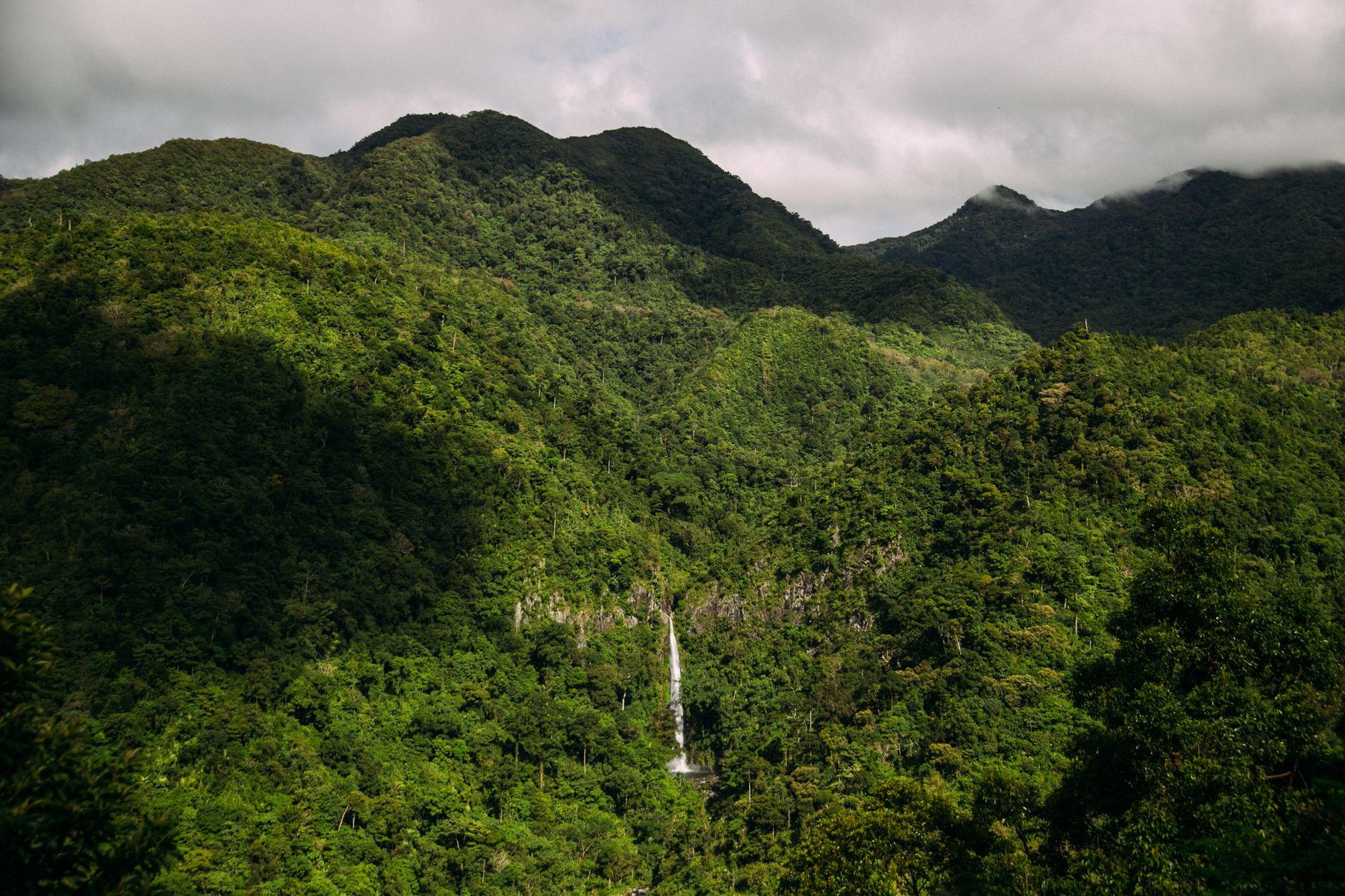
Madagascar Budget Tour Packages 2026 — At a Glance
- The value play: a shared group tour spreads the big costs (vehicle, driver-guide, fuel) across several travellers — the cheapest way to reach the parks comfortably
- Most popular: a budget group tour down the RN7, taking in the southern parks over one to two weeks
- How they work: small-group departures, or a private trip in a simpler vehicle with shared costs
- The trade-off: a set itinerary and travelling with others, in exchange for big savings over a private trip
- Find tours: group tours on GetYourGuide
- Plan a budget trip: a resident specialist can arrange a shared, cost-split trip — contact Carla
- Flight protection: EU261 €600 per passenger on disrupted European inbound flights
- Travel insurance: SafetyWing Nomad Insurance — cheap and essential
- Where to stay: budget stays in Madagascar on Agoda
💰 Carry Your Cash Safely in Madagascar
Madagascar runs largely on cash. Keep your money secure:
- Hidden money belt — keeps cash and passport out of a pickpocket’s reach. See on Amazon →
- RFID-blocking wallet — organises cards and blocks electronic skimming. See on Amazon →
- Neck wallet / passport pouch — discreet document holder for transit days. See on Amazon →
As an Amazon Associate we earn from qualifying purchases.
For budget travellers in Madagascar, a tour package can — counterintuitively — be the cheapest way to see the wildlife. Because the biggest cost here is the vehicle, driver-guide, and fuel, a shared group tour that spreads those costs across several travellers often works out far cheaper per person than travelling independently in a private vehicle, while still being far more comfortable and efficient than the taxi-brousse. This guide explains the budget tour package options in Madagascar — group tours, cost-shared private trips, and the routes they cover — and how to use them to see the island affordably. For the full budget picture, see our Madagascar budget travel guide.
The key insight is that in Madagascar, “budget tour” usually means sharing the cost of a guided trip rather than going it alone — the opposite of how it works in cheaper backpacker countries, where independent travel is always cheapest. Here, the fixed costs of a vehicle and guide are so dominant that splitting them with others is the smart budget move, especially for reaching the parks and harder-to-access regions. Below, we set out the types of budget package, what they include, and how to choose, so you can get the most wildlife for your money. For budgeting, see our budget trip cost guide.
Why a Tour Can Be Cheaper Than Independent Travel
It seems backwards, but in Madagascar a budget group tour is often cheaper than independent travel — because of how the costs work. The dominant expense is the vehicle, driver-guide, and fuel, which cost roughly the same whether one person or six are in the vehicle. Travel independently and hire a vehicle alone, and you bear that whole cost; join a group tour, and it is split across everyone, dropping the per-person price dramatically. Only the taxi-brousse undercuts a shared tour on pure cost, and it is far slower, harder, and less able to reach the parks.
So for budget travellers who want to reach the wildlife comfortably and efficiently, a shared group tour is frequently the best-value option — cheaper than a private vehicle, faster and easier than the taxi-brousse, and with the bonus of a guide, a set itinerary, and travel companions. The savings are greatest for solo travellers and couples, who otherwise bear the full vehicle cost alone. Browse group tours on GetYourGuide to compare options and prices. This cost logic is the key to budget touring in Madagascar, and understanding it helps you choose the cheapest way to see what you want.
Types of Budget Tour Package
The shared group tour
The mainstay of budget touring: a small-group departure on a set itinerary, with the vehicle, driver-guide, and often accommodation and some meals shared across the group. These are the best-value way to reach the parks comfortably, dropping the per-person cost well below a private trip. They run on fixed dates and routes, so less flexible than independent travel, but the savings and the ease — no logistics to arrange, a guide throughout, and ready-made company — make them ideal for budget-conscious travellers, especially solos and couples. Because the group absorbs the fixed costs, the more travellers on board, the lower each person pays — which is why a well-filled departure can be remarkably cheap for the wildlife it delivers.
The budget RN7 tour
The most popular budget group route follows the RN7 through the south — Antsirabe, Ranomafana, Anja, Isalo, and on to the coast — taking in a string of the country’s best parks over one to two weeks. It is the classic Madagascar wildlife circuit, and on a shared budget tour it becomes affordable, with the costs of the long route and the multiple parks split across the group. For budget travellers who want to see the southern highlights without the slow grind of the taxi-brousse, the budget RN7 tour is the sweet spot. Because the road is paved the whole way, the vehicle can be a comfortable car rather than an expensive 4×4, which keeps the shared cost lower still. See our RN7 guide.
The cost-shared private trip
An alternative to a fixed group departure is to assemble your own small group — travellers met in hostels or online — and share a private vehicle and guide, splitting the cost. This combines the flexibility of a private trip (your own dates, route, and pace) with the savings of sharing, and is a popular budget approach for those who want more control than a set group tour but can’t afford a private trip alone. A specialist can arrange a simpler, budget-level private vehicle and guide for a self-assembled group. Even two or three travellers sharing one vehicle bring the per-person cost down sharply compared with a couple going it alone, so this route suits friends travelling together or strangers willing to coordinate dates.
The camping or basic-lodging tour
Some budget tours cut costs further by using camping or very basic lodging rather than hotels, especially in the parks and remote areas. Camping tours appeal to adventurous budget travellers happy to trade comfort for savings (and a closer connection to the wilderness), and are common for harder-to-reach regions where lodging is scarce. They are among the cheapest organised options, and a genuine adventure. Bring a warm layer and a head torch — highland and park nights get cold — and accept that bathrooms will be basic; in exchange you sleep close to the forest and often catch the night-walking wildlife the comfort-seekers miss.
The short budget tour
For budget travellers short on time, a short group tour — a few days to Andasibe for the lemurs, or a quick southern loop — delivers a wildlife fix affordably without a long commitment. These pair well with independent taxi-brousse travel for the rest of a trip, letting you take an organised tour for the bits that are hard or costly to do alone, and travel independently for the rest. A flexible, money-saving approach that also suits travellers tacking a wildlife taster onto a beach holiday on Nosy Be or Île Sainte-Marie, or anyone whose schedule won’t stretch to the full RN7 circuit. Short tours run frequently from the capital, so they are easy to slot in at short notice.
What Budget Tours Include
A typical budget group tour includes the vehicle and driver-guide, the route and itinerary, and usually basic accommodation (guesthouses or camping) and some meals, plus the park transfers. Park entry fees and the compulsory local park guides may be included or extra — always check. The shared nature is the point: you get the comfort and efficiency of a guided vehicle trip at a fraction of the private cost, because everyone splits the fixed expenses.
What is usually extra: international flights, travel insurance, some meals and drinks, park fees (if not included), tips for the driver-guide and park guides, and personal spending. Budget tours keep costs down by using simpler vehicles, basic lodging or camping, and group sharing, so the standard is functional rather than plush — but for budget travellers, that is exactly the trade they want. Always confirm what is and isn’t included before booking, so you can compare tours fairly and budget for the extras. A tour that looks dearer on paper can prove the better deal once the bundled park fees, meals, and guides are counted, so always compare on the all-in figure. For the full cost breakdown, see our budget trip cost guide.
Choosing the Right Budget Tour
The right budget tour depends on your priorities. For the best value reaching the parks, a shared group tour down the RN7 is the standout. For more flexibility, assembling your own group for a cost-shared private trip works well. For the lowest cost, a camping or basic-lodging tour cuts the price furthest. And for a quick fix alongside independent travel, a short group tour fills the gaps. Solo travellers and couples save the most from any shared option, since they otherwise bear the full vehicle cost.
When comparing tours, look beyond the headline price: check exactly what’s included (park fees, meals, guides), the group size (smaller is more comfortable but may cost more per head), the standard of vehicle and lodging, and the itinerary’s pace. The cheapest tour isn’t always the best value if it skimps on the experiences or crams in too much. For budget travellers, the ideal is a shared tour that reaches the wildlife you want, includes the essentials, and splits the cost across enough people to be genuinely affordable. A specialist can help you find or assemble the right cost-shared trip; or browse group departures on GetYourGuide.
What’s Included — and What’s Not
Knowing what a budget tour price covers is the key to comparing quotes honestly and avoiding nasty surprises. A typical budget tour package includes the vehicle and fuel, the driver-guide, and usually accommodation in basic but clean hotels or guesthouses. Most include breakfast, and many include the services of a local guide. The headline per-person price almost always assumes you are sharing the vehicle with others — that shared cost is the whole reason a tour can undercut going alone.
What a budget tour usually excludes is just as important: national park entry fees and the mandatory local park guides (a real cost at every reserve — Ranomafana, Isalo, Andasibe and the rest each charge separately), lunches and dinners, drinks, tips for the driver-guide, and any optional activities. Some budget operators quote a low headline figure precisely by stripping these out, so a cheaper-looking tour can end up costing more once the extras are added. Always ask for an itemised breakdown and confirm exactly which meals, fees, and guides are covered before comparing two prices.
The honest way to compare budget tours is therefore on the all-in cost, not the headline. A slightly higher quote that bundles park fees and meals may well be cheaper in reality than a bargain figure that adds them on later. Because these inclusions vary so much between operators, this is exactly where it pays to have someone translate the quotes into a true like-for-like comparison. Always insist on a written, itemised breakdown so you can see which budget tour is genuinely the best value, not just the cheapest on paper.
Tips for Getting the Best Value
A few simple moves stretch a budget tour further. Travel in a group, or join one. Since the vehicle-and-guide cost is fixed, every extra person sharing it lowers your price — so a solo traveller or couple joining a scheduled group departure, or teaming up with other travellers, pays far less than going alone. If you can be flexible on dates, ask the operator when the next group departure is forming.
Travel in shoulder season. April–May and October–November sit just outside the peak, with thinner crowds and softer prices on both tours and the hotels they use, yet generally good conditions. Keep the route tight. Long transfers burn fuel and days; a focused southern-RN7 or eastern loop delivers more wildlife per dollar than a sprawling itinerary criss-crossing the island. Be honest about comfort. A genuine budget tour means basic lodging and simple meals — accept that, and the value is excellent; expect mid-range comforts at a budget price and you’ll be disappointed.
Finally, book the tour, not just the transport. Travellers who try to assemble everything piecemeal — a car here, a guide there, hotels separately — often pay more and get less than those who let one operator bundle it, because the operator’s fixed costs are already spread across a group. The single highest-value decision a budget traveller makes is simply sharing the ride — everything else is a rounding error next to splitting that fixed vehicle-and-guide cost across more people. For help finding a well-run, fairly priced shared departure that matches your dates and route, browse budget group tours on GetYourGuide or have a specialist match you to one.
Sample Budget Tour Itineraries
To picture how a budget tour comes together, here are three typical shapes. None is fixed in stone — operators flex the length, the stops, and the lodging standard to hit a price — but they show the rough trade-off between time, distance, and cost that every budget itinerary balances. The longer and farther you travel, the more you see, but the more fuel and days you pay for; the shorter and tighter the loop, the cheaper and faster, but the fewer parks you reach.
The 8-day southern budget loop. A shared group tour from Antananarivo down the RN7 to Isalo and back (or on to Tuléar): highland Antsirabe, the rainforest and lemurs of Ranomafana, the ring-tailed lemurs of Anja, and the canyons of Isalo, in basic but comfortable lodging, with the vehicle and guide costs split across the group. The classic, best-value introduction to Madagascar’s wildlife.
The 5-day Andasibe-and-east taster. A short group tour from the capital to Andasibe for the indri and night walks, perhaps with a nearby reserve — a quick, affordable wildlife fix that pairs well with independent travel for the rest of a trip.
The 12-day grand budget circuit. A longer shared tour combining the RN7 south with extra stops or a stretch of coast, for budget travellers with more time who want to see more in one organised, cost-split trip — still far cheaper per person than doing it privately.
These are illustrative; group departures follow set itineraries, while a self-assembled cost-shared trip can be tailored. Either way, the saving comes from splitting the fixed vehicle-and-guide cost. For the routes in depth, see our RN7 guide and national parks guide.
Budget Tour vs Independent Travel
So should a budget traveller take a tour or go independent? It comes down to cost, time, and temperament. A shared tour wins on comfort, efficiency, and — crucially in Madagascar — often on cost too, especially for reaching the parks, since the vehicle-and-guide expense is split. It also removes the logistics and provides a guide and company. Independent travel (the taxi-brousse) wins only on pure rock-bottom cost and on flexibility and immersion — but it is slow, demanding, and less able to reach the wildlife. For many budget travellers, the smartest approach is a hybrid.
The hybrid approach — independent taxi-brousse travel for the easy, cheap legs (towns, the paved RN2 to Andasibe), plus a shared tour or cost-split vehicle for the harder, park-focused, or remote stretches — gets the best of both: rock-bottom cost where it’s easy, and shared-cost guided access where it counts. This is how many savvy budget travellers do Madagascar: backpacking the cheap bits, teaming up for the expensive bits. Deciding the mix depends on your budget, time, and how much you value independence versus ease — and a specialist can advise on where a tour adds value and where the taxi-brousse suffices.
Who Budget Tours Suit
Budget tours suit several kinds of traveller. Solo travellers and couples benefit most, since sharing the vehicle-and-guide cost with a group slashes their per-person price compared with hiring alone — for them, a group tour can be dramatically cheaper than independent vehicle hire. Time-pressed budget travellers who can’t afford the slow taxi-brousse grind get the wildlife efficiently for a shared cost. Less confident or first-time travellers get a guide, a plan, and company, easing the demands of independent travel in a challenging country. And those who want the wildlife but not the logistics get reach and ease without the private-trip price.
Budget tours suit less well the traveller for whom rock-bottom cost is the only priority and who has unlimited time — they will save more on the taxi-brousse, accepting the slower, harder travel. And they suit less the traveller who prizes total independence and spontaneity, since group tours follow set dates and routes. But for the large middle ground of budget travellers who want to see the wildlife affordably, comfortably, and without endless logistics, a shared tour — or a cost-split self-assembled trip — is often the sweet spot, delivering far more than its modest per-person price suggests.
When to Book
Budget group tours run mainly in the dry season (April–November), when the roads are passable and wildlife-watching is good. The popular departures — especially the RN7 tours in peak season (July–August) — fill up, so book ahead for the best dates and prices, and note that group tours need a minimum number of travellers to run, so booking early also helps ensure your chosen departure goes ahead. The shoulder months (April–May, October–November) offer good conditions, more availability, and often slightly better value. Booking a little ahead also gives you the pick of the better-value, better-reviewed operators before they fill. For self-assembled groups, connecting with other travellers in advance (online or in hostels) helps line up companions to share with.
Getting There and Travelling Well
Madagascar is reached by connecting flights via Europe, the Gulf, or Africa, landing at Antananarivo, where most tours begin. Book international flights early and compare fares — it’s often the biggest cost of a budget trip — and protect them on European routes, where EU261 entitles you to up to €600 per passenger for long delays, cancellations, and denied boarding. Register your inbound flight for EU261 coverage with AirAdvisor, free and a welcome budget bonus. If you’re combining a tour with independent travel, the taxi-brousse covers the rest cheaply, and Carla can arrange a shared vehicle for a self-assembled group.
Travel insurance is a small, essential cost on any budget tour — covering medical emergencies and evacuation from remote regions, which could cost tens of thousands of euros. SafetyWing Nomad Insurance is inexpensive, flexible, and popular with budget travellers. Confirm it covers your activities and remote-area evacuation before you travel — it’s the one budget essential never to skip.
Carla / Voyagiste Madagascar (arrange a cost-shared trip)
Madagascar-resident specialist who can arrange a budget-friendly trip — a place on a shared group departure, or a cost-split private vehicle and guide for a self-assembled group of travellers wanting to keep costs down. Contact Carla directly for honest advice on the cheapest way to reach the wildlife, whether that’s joining a group, sharing a vehicle, or mixing an organised tour with independent taxi-brousse travel. Local knowledge helps you find the best-value option and avoid overpaying.
Frequently Asked Questions
Why is a tour cheaper than independent travel in Madagascar?
Because the biggest cost — the vehicle, driver-guide, and fuel — is roughly fixed, sharing it on a group tour drops the per-person price below hiring a vehicle alone. Only the slower, harder taxi-brousse is cheaper. See our budget travel guide.
What’s the best budget tour route?
The RN7 through the south — Antsirabe, Ranomafana, Anja, Isalo — taking in the best parks over one to two weeks, affordable on a shared group departure. See our RN7 guide.
How do I keep a tour cheap?
Join a shared group departure (or assemble your own group to share a vehicle), choose camping or basic lodging, travel in the shoulder season, and confirm what’s included. Solo travellers and couples save most by sharing.
What’s included in a budget tour?
Typically the vehicle, driver-guide, route, basic accommodation, and some meals; park fees, insurance, flights, and tips are often extra. Always check before booking. See our cost guide.
When should I book a budget tour?
Ahead of the dry-season peak (July–August) for the best dates and prices; the shoulder months offer good value and availability. Group tours need minimum numbers, so early booking helps your departure go ahead.
Do I need travel insurance?
Yes — cheap and essential, covering medical evacuation from remote regions. Comprehensive coverage is the one budget essential never to skip.
🧭 Reach the Wildlife Affordably — Share the Cost With Carla
A place on a shared group tour, or a cost-split private vehicle for your own small group — the cheapest comfortable way to see the parks. Reach out to Carla, our Madagascar-resident specialist, for honest advice on the best-value option.
Plan Your Trip to Madagascar
- Read the full Madagascar Travel Guide
- Explore itineraries by style and duration
- Explore the full destination guide
Where to Stay