Voyage d’aventure à Madagascar 2026 : le guide complet du trek sauvage et peu fréquenté
Divulgation d’affiliation : Cet article contient des liens sponsorisés vers des hôtels, voyagistes, assureurs et autres services de voyage. Nous percevons une petite commission si vous réservez via nos liens, sans coût supplémentaire pour vous.
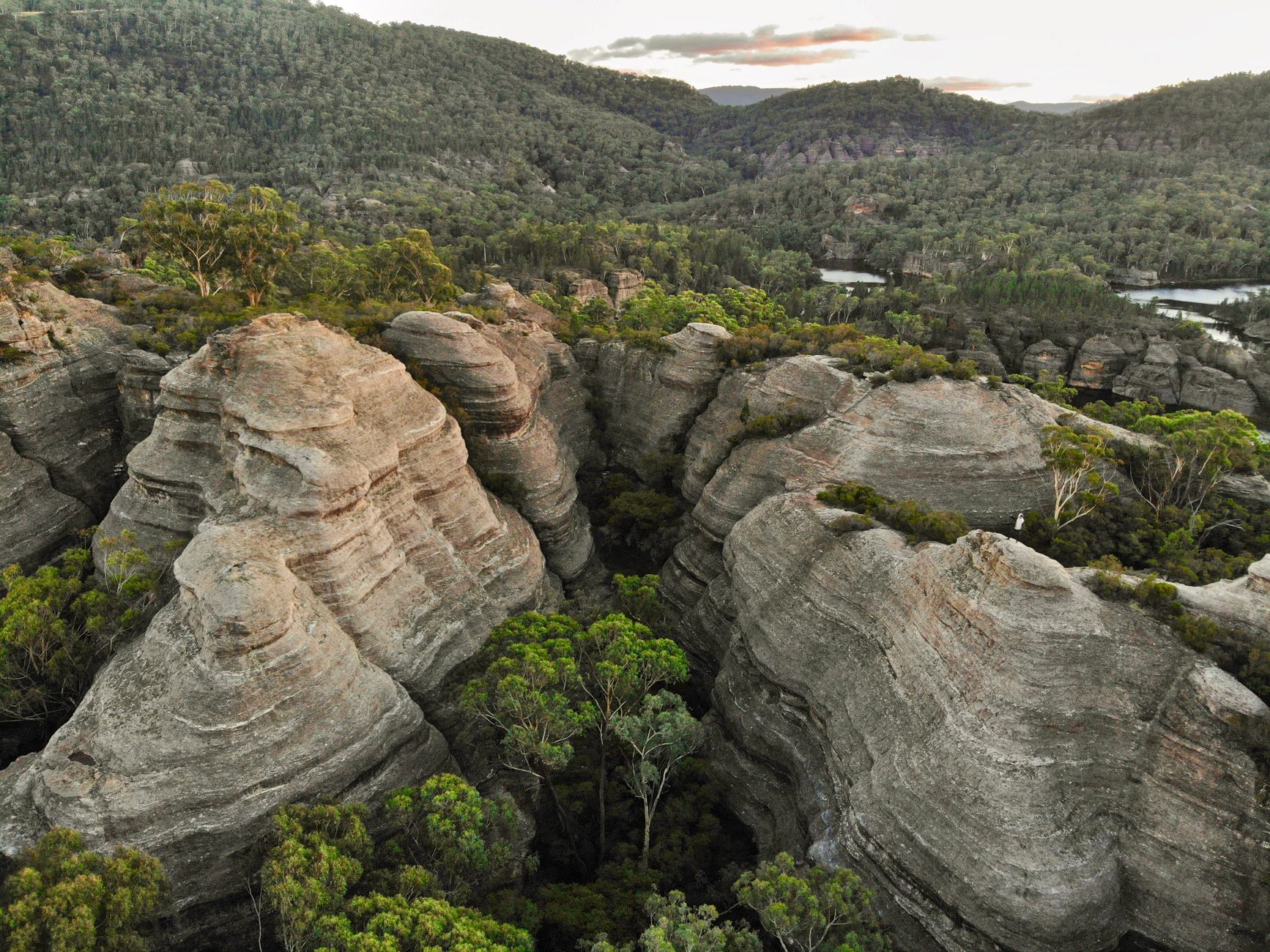
Voyage d’aventure à Madagascar 2026 — En bref
- Ce qui rend ça spécial : une aventure sauvage brute et peu fréquentée — massifs granitiques, canyons, tsingy karstique, et rivières — associée à une faune introuvable ailleurs sur Terre
- Trek phare : le Pic Boby (Imarivolanitra, 2 658 m) dans l’Andringitra — le plus haut sommet que l’on peut gravir à pied à Madagascar
- Meilleure période : la saison sèche, environ avril–novembre ; les sentiers et les pistes reculées sont praticables et le temps est stable
- Comment le faire : avec un guide, toujours — guides locaux et porteurs sont obligatoires dans les parcs et essentiels en terrain reculé
- Réserver des aventures : treks et circuits d’aventure sur GetYourGuide
- Planifier une expédition : une spécialiste résidente peut bâtir un trek ou un voyage d’aventure multi-activités — contactez Carla
- Protection vols : EU261 600 € par passager sur vols entrants européens perturbés
- Assurance voyage : SafetyWing Nomad Insurance — essentielle, et vérifiez qu’elle couvre le trek
- Où séjourner : séjours en ville-base à Madagascar sur Agoda
🎒 L’essentiel pour Madagascar
Quelques articles bon marché changent tout sur le terrain à Madagascar :
- Répulsif à la picaridine — sans DEET, contre les moustiques du paludisme. Voir sur Amazon →
- Spray perméthrine vêtements — tue les moustiques au contact pendant des semaines. Voir sur Amazon →
- Moustiquaire pop-up — rare en hébergement économique; se plie très petit. Voir sur Amazon →
- Gourde filtrante — l’eau du robinet n’est pas potable à Madagascar. Voir sur Amazon →
- Adaptateur universel (USB-C) — Madagascar utilise des prises de type européen. Voir sur Amazon →
- Jumelles 8×42 — indispensables pour repérer lémuriens et caméléons. Voir sur Amazon →
En tant que Partenaire Amazon, nous réalisons un bénéfice sur les achats éligibles.
Madagascar est l’une des grandes frontières du voyage d’aventure dans le monde — et l’une des moins fréquentées. C’est un endroit où vous pouvez marcher des jours à travers massifs granitiques et canyons sans croiser un autre randonneur étranger, descendre une rivière sauvage en pirogue, escalader des pinacles calcaires aux arêtes tranchantes, et finir la journée à regarder les lémuriens bondir dans la forêt près du camp. L’aventure ici ne consiste pas à cocher un sommet célèbre sur un sentier rebattu ; elle concerne une véritable nature sauvage, brute et peu aménagée, dans des paysages et avec une faune que vous ne trouverez nulle part ailleurs sur la planète. Ce guide est l’aperçu complet du voyage d’aventure et actif à Madagascar — ce que l’île offre, les meilleures aventures région par région, quand partir, comment se préparer et rester en sécurité, à qui cela convient, ce que cela coûte, et comment cela se compare aux destinations d’aventure les plus célèbres du monde. Pour le contexte plus large, voyez notre guide des parcs nationaux.
La caractéristique déterminante du voyage d’aventure à Madagascar est la combinaison de terrain sauvage et de faune endémique. D’autres destinations offrent des montagnes plus hautes ou des sentiers plus célèbres, mais peu associent une véritable nature sauvage à des créatures introuvables ailleurs — les lémuriens, les caméléons, et les étranges plantes endémiques qui font de chaque trek une expédition faunique autant que physique. Le compromis est l’infrastructure : les sentiers ne sont pas balisés, les installations sont basiques ou absentes, et vous voyagez avec des guides locaux plutôt qu’en suivant des panneaux. Pour les aventureux, c’est exactement l’attrait. Ci-dessous, nous exposons les paysages, les activités, et les aspects pratiques, pour que vous puissiez planifier un voyage actif à Madagascar les yeux ouverts. Pour les itinéraires terrestres qui relient les aventures, voyez notre guide de la RN7.
Ce que signifie vraiment le voyage d’aventure à Madagascar
Le voyage d’aventure à Madagascar se définit moins par l’altitude ou la difficulté technique que par l’isolement, l’autonomie, et la sauvagerie. Le plus haut sommet accessible à pied du pays, le Pic Boby, culmine à 2 658 mètres — modeste selon les standards himalayens ou andins — et pourtant l’expérience d’y parvenir ressemble bien plus à une expédition que sa hauteur ne le suggère, parce que le terrain est sans route, les camps sont simples, et vous êtes véritablement loin de tout secours. C’est une aventure mesurée en isolement et en rudesse plutôt qu’en air raréfié, et elle convient aux voyageurs qui valorisent la nature sauvage et la découverte plutôt que la célébrité et l’infrastructure.
Cela signifie aussi de la variété. Sur une seule île vous pouvez gravir de hauts massifs granitiques, randonner des canyons boisés, traverser le tsingy calcaire, descendre des rivières, explorer des grottes, et combiner tout cela avec l’observation de la faune. Peu de destinations rassemblent autant de paysages d’aventure distincts en un seul voyage. Et parce que Madagascar voit une fraction des visiteurs des pays d’aventure phares du monde, vous vivez ces lieux avec une solitude qui a presque disparu de l’Himalaya ou du Chemin de l’Inca. Le revers — et il faut le comprendre dès le départ — est qu’il s’agit d’un voyage exigeant et peu encadré qui récompense la préparation, la forme physique, et une attitude souple et résiliente. Pensez-y comme à une frontière plutôt qu’à un produit fini : c’est précisément le manque de vernis — pas de foules, pas de files, pas de sentiers manucurés — qui fait que l’expérience ressemble à une véritable exploration plutôt qu’à du tourisme emballé, et c’est exactement pourquoi les voyageurs qui viennent ont tendance à le classer parmi les voyages les plus mémorables de leur vie.
Les meilleures aventures
Les aventures de Madagascar couvrent montagnes, canyons, karst, rivières, et grottes. Voici les expériences phares qui définissent le voyage actif sur l’île.
L’Andringitra et le Pic Boby
Le joyau du trek à Madagascar. Le parc national de l’Andringitra, dans le sud près de la RN7, protège un haut massif granitique de dômes, vallées, et cascades, et le trek de plusieurs jours jusqu’au sommet du Pic Boby (Imarivolanitra, 2 658 m) — le plus haut sommet que l’on peut gravir à pied à Madagascar — est l’aventure montagnarde classique du pays. L’itinéraire grimpe à travers des étages de végétation changeants jusqu’à un haut plateau froid et irréel, avec une ascension finale avant l’aube récompensée par des vues immenses. C’est une randonnée sérieuse de plusieurs jours exigeant de la forme, un équipement chaud, et un guide, et c’est le trek que la plupart des voyageurs d’aventure les plus engagés viennent faire à Madagascar. L’itinéraire standard prend deux à trois jours, dormant dans des camps de montagne basiques ou un refuge, et les dômes granitiques et cascades en chemin sont spectaculaires en eux-mêmes avant même le sommet. Le haut plateau près du sommet est un monde étrange et sans arbres de plantes endémiques et de roche sculptée, sans pareil sur l’île, et la vue du sommet à l’aube s’étend sur tous les hauts plateaux du sud.
L’Isalo et ses canyons
Le parc national de l’Isalo, également au bord de la RN7 dans le sud, est un massif gréseux érodé en canyons, gorges, et roche ruiniforme, parcouru d’oasis cachées, de piscines naturelles, et de ruisseaux bordés de palmiers. Le trek ici va de randonnées à la journée à des circuits de plusieurs jours, traversant un plateau aride et plongeant dans des canyons luxuriants où l’on peut se baigner. C’est plus accessible que l’Andringitra mais pas moins spectaculaire, et le contraste de la roche sèche et de l’oasis verte en fait l’une des randonnées les plus photogéniques et gratifiantes du pays. Les classiques — la Piscine Naturelle, les piscines Bleue et Noire, le Canyon des Makis avec ses lémuriens — peuvent s’enchaîner sur deux ou trois jours de trek et de bivouac, ou s’échantillonner sur de plus courtes randonnées à la journée pour ceux qui ont moins de temps ou d’appétit. Le coucher de soleil sur le massif érodé, depuis le célèbre point de vue surnommé la « fenêtre de l’Isalo », est l’un des grands spectacles du sud de Madagascar.
Le Tsingy de Bemaraha
Dans l’ouest, le Tsingy de Bemaraha est une forêt de pinacles calcaires aux arêtes tranchantes — le mot tsingy signifie « là où l’on ne peut marcher pieds nus » — parcourue de câbles fixes, d’échelles, et de ponts dans une aventure de style via ferrata sans pareille. Naviguer le labyrinthe de roche-aiguille, de grottes, et de canyons tient à la fois de la randonnée et de l’escalade, et reste totalement inoubliable. C’est reculé et difficile d’accès, ce qui tient les foules à l’écart. Les circuits vont d’un aperçu d’une demi-journée du petit tsingy à des itinéraires d’une journée complète à travers le grand tsingy, avec des traversées exposées et des sections harnachées qui donnent un vrai sentiment d’aventure sans exiger d’expérience d’escalade. Des lémuriens et oiseaux endémiques vivent parmi les pinacles, et l’étrange forêt poussant de la roche ne ressemble à aucun autre habitat de l’île. Voyez notre guide de l’ouest de Madagascar.
Le massif du Makay
Pour une véritable aventure d’expédition, le Makay est un massif gréseux reculé en forme de labyrinthe, fait de canyons et de forêts isolées, à peine exploré et accessible seulement lors d’expéditions guidées de plusieurs jours. C’est la nature sauvage à son état le plus brut — il n’y a aucune installation, vous campez et marchez des jours, et les récompenses sont des canyons immaculés, une faune endémique, et un sentiment de véritable exploration que presque aucune autre destination ne peut encore offrir. C’est réservé aux personnes sérieusement engagées et bien préparées. Les expéditions ici ne sont généralement organisées que quelques fois par an par des opérateurs spécialistes, voyagent avec une équipe complète de camp et de porteurs, et peuvent durer une semaine ou plus sur le terrain. Pour l’aventurier qui a déjà marché ailleurs et veut un endroit véritablement hors carte, il y a peu d’expériences sur Terre à la hauteur.
La descente de la rivière Tsiribihina
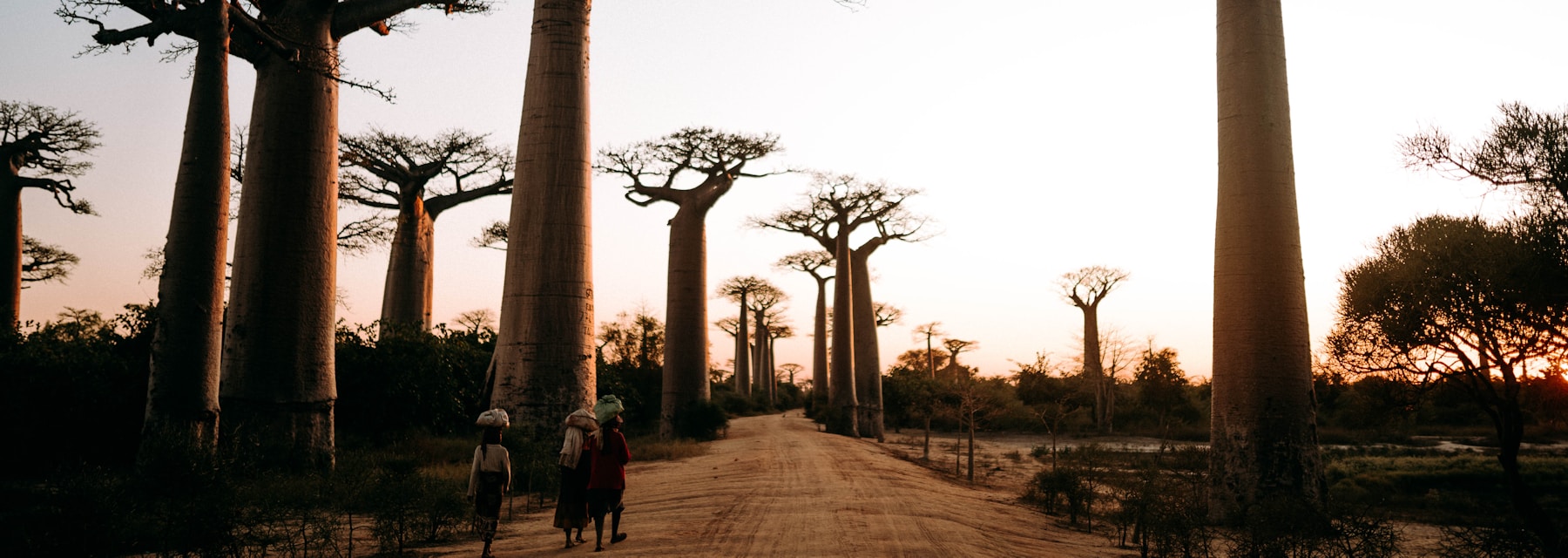
Toute l’aventure malgache n’est pas à pied. La descente de plusieurs jours de la rivière Tsiribihina dans l’ouest — en pirogue motorisée ou en bateau affrété — dérive à travers gorges et savane, campant sur des bancs de sable, repérant oiseaux et lémuriens le long des rives, et finissant près des fameux baobabs. C’est une aventure plus lente et plus douce qui s’associe magnifiquement au circuit tsingy-et-baobabs de l’ouest, et un changement de rythme bienvenu après un trek difficile. Sur deux ou trois jours sur l’eau vous passez des villages riverains, des sources chaudes, et de la forêt, avec des soirées autour d’un feu de camp sur le sable sous d’immenses ciels. Parce qu’elle demande peu à votre forme, elle ouvre l’aventure en rivière aux voyageurs qui ne pourraient pas gérer l’Andringitra, et elle constitue une excellente première ou dernière étape d’un voyage dans l’ouest.
L’Ankarana et ses grottes
Dans l’extrême nord, le massif de l’Ankarana combine le tsingy avec un monde souterrain extraordinaire de grottes, rivières, et chambres, abritant des chauves-souris et des créatures cavernicoles aveugles. Le trek et la spéléologie ici sont un autre genre d’aventure — dans l’obscurité autant qu’à travers la roche — et s’associent au circuit nordique plage-et-aventure autour de Diego Suarez.
Le Marojejy et les massifs de forêt tropicale
Pour le trek en forêt tropicale, le Marojejy dans le nord-est est un massif raide, sauvage, couvert de jungle, une ascension de plusieurs jours à travers une forêt dense jusqu’à de hauts camps, avec le rare propithèque soyeux parmi ses attraits. C’est humide, exigeant, et glorieusement reculé — l’aventure en forêt tropicale dans sa forme la plus pure, et un contraste avec les treks de pays sec du sud et de l’ouest. La récompense de l’effort est l’une des dernières grandes forêts tropicales immaculées de Madagascar, dense de vie endémique, et la chance de pister le propithèque soyeux en danger critique, une créature que peu de voyageurs voient un jour. Attendez-vous à de la boue, des sangsues, et un terrain raide, et à la profonde satisfaction d’un lieu sauvage qui ne livre ses récompenses qu’à ceux qui les méritent.
VTT et compléments actifs
Au-delà des treks phares, Madagascar offre du VTT sur les pistes des hauts plateaux et rurales, des itinéraires cyclables de plusieurs jours, de l’escalade sur son granite, et des combinaisons avec la plongée, le surf, et le kitesurf réputés de l’île sur les côtes. Pour la plupart des voyageurs actifs, cependant, le trek est le cœur du voyage, avec ceux-ci comme compléments aventureux. Les hauts plateaux autour d’Antsirabe et les routes secondaires du sud sont particulièrement bons pour le vélo, et le granite de l’Andringitra attire un petit mais croissant groupe de grimpeurs. De nombreux voyages d’aventure finissent sur la côte, échangeant les chaussures contre les palmes, donc une combinaison terre-et-mer est facile à bâtir.
Exemples d’itinéraires d’aventure
Les aventures de Madagascar se combinent naturellement en voyages thématiques. Voici trois formes qui montrent comment les pièces s’assemblent — chacune peut être raccourcie, prolongée, ou adaptée à votre forme et à votre temps.
La boucle de trek du sud (10–14 jours)
Le voyage actif classique : par voie terrestre sur la RN7 depuis Antananarivo, à pied dans les canyons de l’Isalo puis dans le haut pays granitique de l’Andringitra avec une ascension du Pic Boby, avec la faune de forêt tropicale à Ranomafana en chemin. Il rassemble les deux treks phares du pays, une grande réserve faunique, et la route panoramique du sud en une aventure bien rythmée, et c’est le voyage que la plupart des voyageurs d’aventure débutants devraient envisager. Il demande une bonne forme mais aucune compétence technique, et la RN7 goudronnée rend la logistique relativement simple.
L’expédition de l’ouest (8–12 jours)
Un voyage plus sauvage et plus rude dans l’ouest : l’aventure via ferrata du Tsingy de Bemaraha, les baobabs autour de Morondava, et — pour les véritablement engagés — une descente de plusieurs jours de la rivière Tsiribihina ou une expédition dans le massif reculé du Makay. C’est plus difficile d’accès et plus brut, avec de longs trajets sur de mauvaises routes, mais il offre une partie de la nature sauvage la plus immaculée qui reste où que ce soit. Il convient aux voyageurs d’aventure expérimentés qui veulent un véritable isolement plutôt que la commodité.
Le nord aventure-et-détente (9–12 jours)
Un voyage deux-en-un autour de l’extrême nord : trek et spéléologie dans l’Ankarana et la Montagne d’Ambre, le tsingy et la Mer d’Émeraude autour de Diego Suarez, puis détente sur les plages et les récifs de Nosy Be. Il associe l’aventure terrestre à la côte et à la récompense, en faisant un bon choix pour les voyageurs qui veulent des journées actives mais aussi du temps libre, ou pour les couples et groupes aux appétits mêlés pour l’effort.
L’aventure avec la faune — le vrai atout
Ce qui distingue Madagascar de toute autre destination d’aventure, c’est que la nature sauvage vient remplie de faune endémique. Sur le Chemin de l’Inca vous marchez parmi des ruines ; au Népal vous marchez sous des pics géants ; à Madagascar vous randonnez à travers des laboratoires vivants de l’évolution, où les lémuriens appellent depuis la canopée, les caméléons s’accrochent aux branches à hauteur des yeux, et les plantes poussent sous des formes introuvables ailleurs. Chaque trek est simultanément une expédition faunique, et un bon guide repérera et expliquera des créatures que vous dépasseriez sans les voir seul. Les marches nocturnes qui suivent de nombreux treks ajoutent une autre couche entièrement — caméléons endormis sur des brindilles, microcèbes aux yeux réfléchissants, grenouilles et geckos qui ne sortent qu’après la tombée de la nuit — transformant les alentours du camp en une seconde expédition. Nulle part ailleurs le trek sérieux ne vient enveloppé de façon aussi constante de rencontres avec la faune.
Cette fusion est l’offre d’aventure déterminante de l’île. Vous ne choisissez pas entre le trek en nature sauvage et l’observation de la faune — vous obtenez les deux à la fois, dans la même forêt, sur le même sentier. Pour de nombreux voyageurs d’aventure, cette combinaison, dans des paysages aussi bruts et peu fréquentés, est une raison suffisante de choisir Madagascar plutôt que des rivaux plus célèbres mais plus aménagés. Pour comprendre la faune que vous rencontrerez, voyez notre guide des parcs nationaux.
Quand partir pour l’aventure
La saison d’aventure à Madagascar est la saison sèche, environ avril à novembre, quand les sentiers sont praticables, les rivières navigables, les pistes reculées ouvertes, et le temps stable. Les mois plus frais (juin–août) sont idéaux pour le trek difficile, bien que les hauts camps comme l’Andringitra puissent être véritablement froids la nuit — le gel est possible sur le haut plateau. Les mois intermédiaires de part et d’autre offrent de bonnes conditions avec moins de voyageurs. Avril et mai, juste après les pluies, apportent des paysages verdoyants et des cascades pleines, tandis qu’octobre et novembre sont chauds et secs avec le bonus des bébés lémuriens dans les forêts — les deux sont d’excellentes fenêtres pour un voyage actif qui combine un bon temps de trek avec une faune gratifiante.
La saison des pluies (environ décembre–mars) rend une grande partie du voyage d’aventure difficile ou impossible : les sentiers se transforment en boue, les rivières débordent, les pistes reculées deviennent impraticables, et l’est et le nord font face au risque de cyclone. Certaines activités continuent, mais pour le trek sérieux et les expéditions reculées, la saison sèche est fortement préférée. Planifiez votre aventure autour d’elle, et réservez les treks populaires à l’avance pour les mois de pointe. Pour le tableau saisonnier complet, voyez notre guide des hauts plateaux centraux, qui couvre le climat du cœur du trek.
Forme physique, préparation, et ce à quoi s’attendre
Le voyage d’aventure à Madagascar récompense une véritable préparation. Les treks phares — Andringitra, Makay, Marojejy — exigent une bonne forme physique et de l’endurance : longues journées sur terrain accidenté, dénivelé important, camps basiques, et l’autonomie qui vient du terrain reculé. Vous n’avez pas besoin de compétences d’escalade technique pour les itinéraires principaux, mais vous devez être à l’aise avec la randonnée soutenue, les conditions simples, et l’absence des conforts et des options de repli des destinations plus aménagées.
La préparation signifie le bon équipement (de vraies chaussures, des couches chaudes pour les hauts camps froids, une protection contre la pluie, un bon sac de couchage pour la montagne), un entraînement réaliste avant de venir, et le bon état d’esprit — souplesse, patience, et résilience quand les plans changent, comme ils le font. Cela signifie aussi une auto-évaluation honnête : choisissez des aventures qui correspondent à votre forme et à votre expérience, des randonnées accessibles à la journée dans l’Isalo aux expéditions complètes dans le Makay. Un bon opérateur ou une spécialiste adaptera le voyage à votre niveau. Attendez-vous à être mis au défi, à être loin de tout secours, et à être récompensé par une nature sauvage que peu de voyageurs voient un jour. Il est aussi utile d’arriver un jour ou deux à l’avance pour se remettre des longs vols avant un grand trek, et d’intégrer des jours de repos dans un itinéraire plus long — la chaleur, les routes difficiles, et les départs matinaux à répétition vous épuisent plus que les mêmes journées ne le feraient chez vous.
Comment le faire : guides, logistique, et sécurité
Le voyage d’aventure à Madagascar est un voyage guidé. Les guides locaux sont obligatoires dans les parcs nationaux et essentiels partout en zone reculée — ils connaissent les itinéraires non balisés, gèrent la logistique, vous gardent en sécurité, repèrent la faune, et soutiennent les communautés locales. Sur les plus gros treks vous voyagerez aussi avec des porteurs et une équipe de camp. Partir véritablement en indépendant en terrain reculé n’est ni autorisé dans les parcs ni sensé ailleurs ; la façon intelligente, sûre, et gratifiante est avec un bon guide et un opérateur bien géré. Un bon guide fait bien plus que naviguer : il lit la météo, gère le rythme du groupe, trouve la faune, s’occupe des camps et des repas, et traduit entre vous et les communautés que vous traversez. Sur un trek de plusieurs jours, la relation avec votre guide et vos porteurs devient l’un des plaisirs discrets du voyage, et les pourboiriser équitablement à la fin est à la fois attendu et bien mérité.
La logistique est l’autre moitié de l’équation. Atteindre les départs de sentiers signifie souvent de longs trajets sur de mauvaises routes vers des régions reculées, et les expéditions vers des endroits comme le Makay nécessitent une organisation sérieuse — véhicules, ravitaillement, équipes de camp. C’est là qu’un opérateur spécialiste gagne ses honoraires, assemblant les guides, le transport, les permis, et l’équipement en un voyage qui fonctionne. Parcourez les treks et circuits d’aventure guidés sur GetYourGuide, ou faites bâtir une expédition sur mesure par une spécialiste résidente. Sur la sécurité : une assurance voyage qui couvre explicitement le trek et l’évacuation en zone reculée est non négociable ici — voyez la section ci-dessous.
Ce que coûte un voyage d’aventure
Le voyage d’aventure à Madagascar n’est pas la façon la moins chère de voir l’île, mais il offre une valeur extraordinaire pour la nature sauvage à laquelle vous accédez. Les coûts principaux sont les guides et porteurs, les frais de parc, le transport spécialisé vers les départs de sentiers reculés, et la logistique d’expédition — équipes de camp, ravitaillement, et véhicules pour les voyages plus difficiles. La vie quotidienne reste bon marché, mais la nature organisée, guidée, et lourde en logistique de l’aventure sérieuse s’additionne, surtout pour les expéditions reculées comme le Makay.
Comme pour tout voyage à Madagascar, partager les coûts au sein d’un groupe abaisse le prix par personne, puisque les guides, véhicules, et équipes de camp sont largement des coûts fixes. Les aventures accessibles (randonnées à la journée dans l’Isalo, la descente de la Tsiribihina) sont bien moins chères que les expéditions reculées complètes. Pour une ventilation détaillée, voyez notre guide du coût d’un voyage d’aventure dédié, et pour le tableau budgétaire plus large notre guide du voyage à petit budget.
À qui convient le voyage d’aventure à Madagascar
Ce genre de voyage convient aux personnes en forme, souples, et éprises de nature sauvage — les voyageurs qui veulent une nature brute, un véritable défi, et la solitude plutôt que l’infrastructure et les foules, et qui valorisent l’observation de la faune endémique en cadres sauvages. Il récompense ceux qui viennent préparés, embrassent les conditions basiques, et traitent l’imprévisibilité comme partie de l’aventure. Pour eux, Madagascar offre l’une des aventures les plus gratifiantes et les moins fréquentées sur Terre.
Il convient moins bien aux voyageurs qui veulent confort, prévisibilité, sentiers bien balisés, et options de repli faciles, ou qui ne sont pas préparés aux exigences physiques et aux conditions basiques. Il y a un éventail, cependant — des douces randonnées à la journée et voyages en rivière adaptés aux voyageurs modérément actifs, aux expéditions intenses pour les très en forme et expérimentés — donc la plupart des voyageurs actifs peuvent trouver une aventure qui leur convient, à condition de choisir honnêtement. Une spécialiste peut adapter le voyage à votre niveau et à vos ambitions. Les familles avec des adolescents plus âgés et actifs, les groupes aux capacités mêlées, et les voyageurs qui s’initient à l’aventure peuvent tous être accommodés en choisissant le bon mélange de journées plus dures et plus douces — l’île est assez flexible pour étirer ou adoucir un itinéraire autour des personnes qui le composent.
Les erreurs courantes des voyageurs d’aventure
Quelques erreurs évitables font trébucher les voyageurs d’aventure débutants à Madagascar. La plus grosse est de sous-estimer les distances et les routes : les départs de sentiers sont éloignés, les trajets sont longs et lents, et un voyage bourré de trop d’aventures finit passé dans un véhicule plutôt que sur le sentier. Prévoyez un temps de transfert réaliste, ou concentrez-vous sur une région. La deuxième est de surestimer sa forme ou sous-estimer le terrain — les hauteurs modestes trompent les gens en leur faisant croire que les treks sont faciles, alors que les longues journées, le terrain accidenté, et les camps basiques les rendent véritablement exigeants.
Autres erreurs classiques : venir à la mauvaise saison et trouver les pistes impraticables ou les rivières en crue ; lésiner sur l’équipement, surtout un sac de couchage chaud et de bonnes chaussures, et en souffrir sur les hauts camps froids ; réserver trop serré, ne laissant aucune marge pour la météo et les pannes que le voyage reculé apporte inévitablement ; et partir sans assurance correcte couvrant le trek et l’évacuation. Le remède pour toutes est le même : planifiez de façon réaliste, préparez-vous correctement, et voyagez avec un bon opérateur ou une spécialiste qui connaît le terrain. L’aventure à Madagascar récompense l’humilité et la préparation bien plus que la bravade.
L’aventure responsable
Les lieux sauvages de Madagascar sont fragiles, et son peuple parmi les plus pauvres du monde, donc l’aventure responsable compte. Utilisez des guides et porteurs locaux (obligatoires dans les parcs, et la bonne chose à faire partout), payez les frais de parc qui financent la conservation, ne laissez aucune trace dans la nature immaculée, et choisissez des opérateurs qui emploient et soutiennent les communautés locales. La faune et les paysages qui rendent l’aventure malgache unique subissent une réelle pression de la déforestation et de la pauvreté ; voyager de façon responsable aide à les protéger. Remportez tout ce que vous apportez, tenez-vous aux itinéraires établis pour éviter d’abîmer les sols fragiles, n’achetez jamais de produits faits de faune protégée ou de bois durs rares, et demandez avant de photographier les gens. De petits choix, multipliés par chaque visiteur, font une vraie différence dans un pays où le tourisme est l’une des rares forces qui donne à la nature sauvage une raison économique de survivre.
Bien fait, le voyage d’aventure est l’une des formes de tourisme les plus positives pour Madagascar — il apporte des revenus directement aux communautés reculées, finance les parcs, et donne une valeur économique à une nature sauvage qui pourrait autrement être défrichée. Choisir un opérateur responsable et respecter les lieux que vous traversez fait partie d’être un bon voyageur d’aventure ici.
Que mettre dans son sac pour une aventure à Madagascar
Bien faire son sac fait ou défait un voyage actif à Madagascar. Les essentiels commencent par de bonnes chaussures — des chaussures de trek rodées avec de l’adhérence pour le granite accidenté et la forêt tropicale boueuse — et un système de couches qui couvre tout, de la chaleur étouffante des canyons aux hauts camps proches du gel : vêtements de randonnée légers, couches intermédiaires chaudes et un bonnet pour la montagne, et une protection fiable contre la pluie pour la forêt. Un bon sac de couchage conçu pour le froid est vital sur l’Andringitra et les hauts treks, où les températures chutent fortement la nuit.
Au-delà des vêtements, apportez une lampe frontale (indispensable pour les grottes, les marches nocturnes, et les départs au sommet avant l’aube), une bouteille d’eau réutilisable avec un filtre ou une purification, une protection solaire, un répulsif anti-insectes et tout antipaludéen conseillé par votre médecin, une trousse de premiers secours personnelle basique, et un sac à dos de journée pour le sentier pendant que les porteurs ou les véhicules transportent le reste. Gardez des bagages légers et souples pour les petits véhicules et les vols de brousse. Un opérateur spécialiste vous donnera une liste d’équipement adaptée à votre trek spécifique — suivez-la, car en terrain reculé il n’y a pas de magasins pour combler un manque.
Comment Madagascar se compare aux autres destinations d’aventure
Les voyageurs pesant Madagascar contre les icônes mondiales de l’aventure devraient comprendre clairement le compromis. Face au Népal, le temple du trek en haute altitude, Madagascar offre des sommets bien plus bas et aucune infrastructure de lodges, mais infiniment moins de foules et la dimension faunique unique. Face au Pérou, avec son Chemin de l’Inca et son Amazonie, Madagascar échange l’archéologie mondialement célèbre contre une nature sauvage brute et peu visitée et des espèces endémiques. Dans les deux cas le schéma est le même : Madagascar abandonne la célébrité et l’infrastructure, et vous donne solitude, rudesse, et des créatures introuvables ailleurs. Pour le face-à-face complet, voyez notre comparaison Madagascar vs Népal vs Pérou.
S’y rendre et bien voyager
Madagascar se rejoint par vols avec correspondance via l’Europe, le Golfe, ou l’Afrique, atterrissant à Antananarivo, d’où vous voyagez par voie terrestre vers les départs de sentiers. Réservez les vols internationaux tôt et protégez ceux passant par l’Europe : selon le règlement européen CE261, un long retard, une annulation, ou un refus d’embarquement sur un vol entrant européen peut vous donner droit à jusqu’à 600 € par passager. Enregistrez votre vol pour la couverture EU261 avec AirAdvisor — gratuite, et un filet de sécurité utile avant une grande aventure. Atteindre les départs de sentiers reculés signifie habituellement un véhicule loué et un chauffeur sur de longs trajets difficiles ; Carla peut arranger le transport jusqu’au début de votre trek.
L’assurance voyage est absolument essentielle pour le voyage d’aventure ici — et elle doit couvrir explicitement le trek, votre altitude prévue, et l’évacuation en zone reculée, qui depuis la nature sauvage de Madagascar pourrait coûter des dizaines de milliers d’euros. SafetyWing Nomad Insurance est populaire auprès des voyageurs aventureux ; confirmez qu’elle couvre vos activités et altitudes spécifiques avant de partir. Ne faites jamais de trek à Madagascar sans assurance — l’isolement qui rend l’aventure formidable rend aussi un sauvetage lent et coûteux.
Carla / Voyagiste Madagascar (planifiez un voyage d’aventure)
Spécialiste résidente à Madagascar qui peut bâtir un trek ou un voyage d’aventure multi-activités — adaptant l’itinéraire à votre forme et à vos ambitions, arrangeant les guides, porteurs, permis, transport, et logistique de camp que l’aventure sérieuse exige ici. Contactez Carla directement pour des conseils honnêtes sur quelles aventures vous conviennent, comment les combiner, et comment le faire de façon sûre et responsable. La connaissance locale est la différence entre une expédition bien gérée et un chaos logistique en terrain reculé.
Foire aux questions
Quelle est la meilleure aventure à Madagascar ?
Le trek de plusieurs jours jusqu’au Pic Boby (2 658 m) dans l’Andringitra est le phare classique ; les canyons de l’Isalo, le Tsingy de Bemaraha, et le massif reculé du Makay sont les autres incontournables. Voyez notre guide du trek.
En quelle forme dois-je être ?
Pour les grands treks, véritablement en forme — longues journées, terrain accidenté, vrai dénivelé, camps basiques. Mais il y a un éventail des randonnées accessibles à la journée (Isalo) aux expéditions complètes (Makay), donc choisissez honnêtement selon votre niveau.
Quelle est la meilleure période pour le voyage d’aventure ?
La saison sèche, environ avril–novembre, quand les sentiers et pistes reculées sont praticables. La saison des pluies (décembre–mars) rend le trek sérieux difficile et risque les cyclones dans l’est et le nord.
Ai-je besoin d’un guide ?
Oui — les guides locaux sont obligatoires dans les parcs nationaux et essentiels en tout terrain reculé. Le voyage d’aventure à Madagascar est un voyage guidé, avec porteurs et équipes de camp sur les plus gros treks.
Combien coûte un voyage d’aventure ?
Cela varie largement selon l’ambition — les randonnées accessibles sont bon marché, les expéditions reculées bien plus. Guides, frais de parc, transport reculé, et logistique de camp sont les coûts principaux. Voyez notre guide des coûts.
L’assurance voyage est-elle nécessaire ?
Absolument — et elle doit couvrir le trek, votre altitude, et l’évacuation en zone reculée. Une couverture complète est non négociable pour le voyage d’aventure à Madagascar.
🧭 Planifiez votre aventure à Madagascar — avec Carla
D’un trek au sommet du Pic Boby à une expédition reculée dans le Makay, adaptée à votre forme et entièrement organisée. Contactez Carla, notre spécialiste résidente à Madagascar, pour des conseils honnêtes et un voyage d’aventure bien géré.
Planifiez Votre Voyage à Madagascar
- Lire le guide de voyage complet Madagascar
- Explorer les itinéraires par style et durée
- Explorer le guide complet de la destination
Où Dormir