Photographie de faune à Madagascar 2026 : lémuriens, caméléons, matériel et où photographier
Divulgation d’affiliation : Cet article contient des liens sponsorisés vers des hôtels, voyagistes, assureurs et autres services de voyage. Nous percevons une petite commission si vous réservez via nos liens, sans coût supplémentaire pour vous.
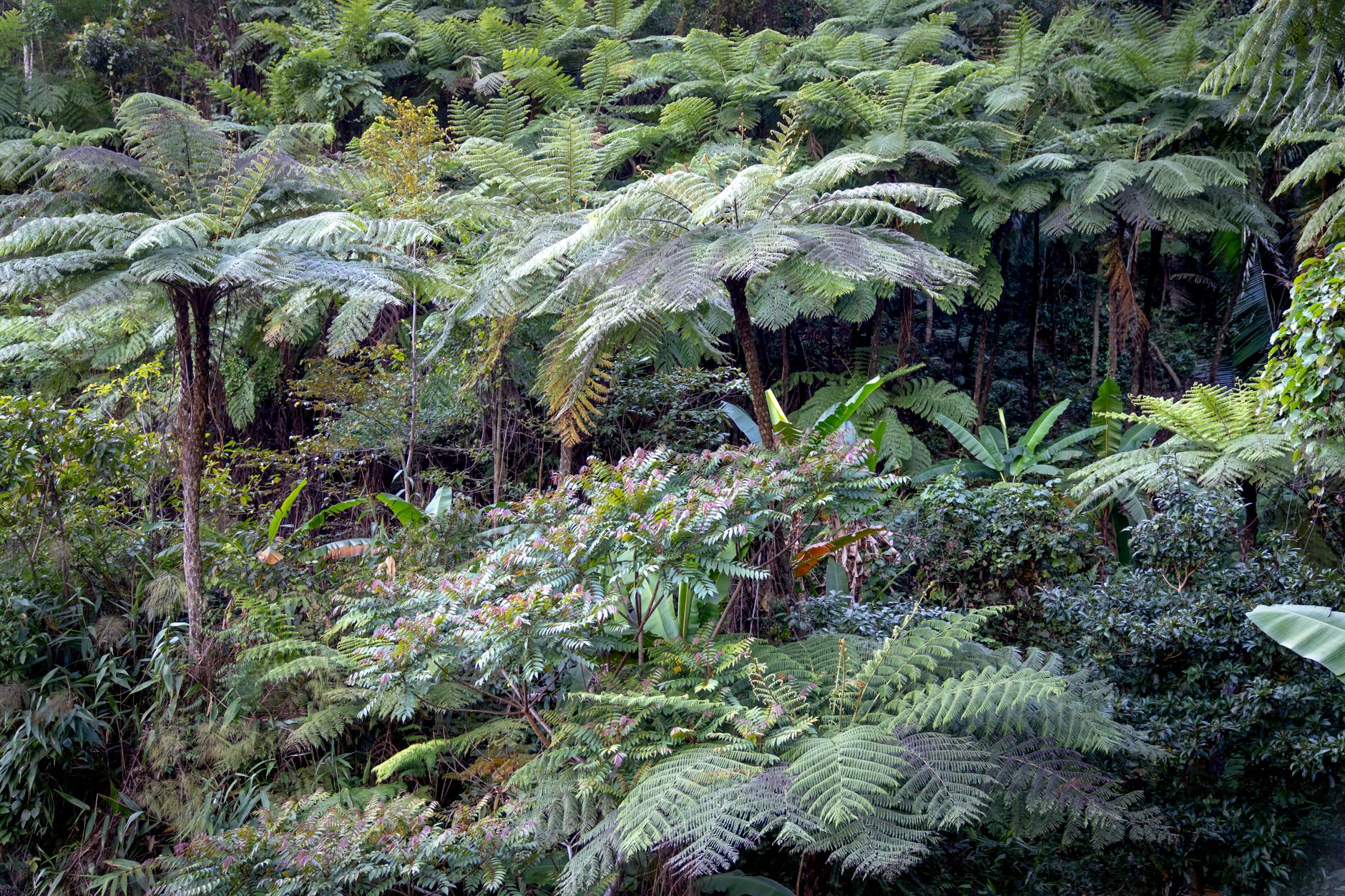
Photographie de faune à Madagascar 2026 — En bref
- Les sujets : lémuriens, caméléons, geckos à queue plate, grenouilles, et oiseaux endémiques — introuvables presque nulle part ailleurs sur Terre
- Le défi : la faible lumière de forêt et des sujets rapides, souvent hauts — téléobjectif lumineux, ISO élevé, objectif macro, et patience sont essentiels
- Meilleurs parcs : Ranomafana et Andasibe pour la faune de forêt tropicale, Anja pour les lémuriens à queue annelée, Kirindy pour les espèces nocturnes
- À ne pas manquer : les marches nocturnes, où les sujets nocturnes immobiles font les clichés macro les plus faciles et les plus frappants
- Réserver des circuits faune : circuits faune sur GetYourGuide
- Planifier un voyage photo faune : une spécialiste résidente peut bâtir l’itinéraire — contactez Carla
- Protection vols : EU261 600 € par passager sur vols entrants européens perturbés
- Assurance voyage : SafetyWing Nomad Insurance — couvrez votre matériel et vous-même
- Où séjourner : séjours aux portes des parcs à Madagascar sur Agoda
🐿 Matériel d’observation de la faune
Le bon matériel transforme une sortie nature :
- Jumelles 8×42 — indispensables pour repérer lémuriens et caméléons. Voir sur Amazon →
- Lampe frontale rechargeable — indispensable pour les marches de nuit. Voir sur Amazon →
- Bâtons de randonnée — ultralégers pour les longues randonnées. Voir sur Amazon →
- Sac à dos de randonnée — confortable pour eau, appareil et vêtements. Voir sur Amazon →
- Répulsif à la picaridine — sans DEET, contre les moustiques du paludisme. Voir sur Amazon →
En tant que Partenaire Amazon, nous réalisons un bénéfice sur les achats éligibles.
Madagascar est l’une des destinations de photographie de faune les plus extraordinaires sur Terre — non pour l’abondance ou la facilité de ses sujets, mais pour leur unicité. Environ neuf espèces sur dix de l’île n’existent nulle part ailleurs, donc un photographe ici rentre avec des images de lémuriens, caméléons, geckos à queue plate, et grenouilles qui ne peuvent tout simplement pas être faites ailleurs dans le monde. Ce guide est l’approfondissement complet de la photographie de faune à Madagascar : les sujets, les meilleurs endroits pour les photographier, le matériel et la technique, les marches nocturnes si importantes, et comment le faire de façon éthique. Pour le tableau photographique plus large, voyez notre guide de la photographie à Madagascar.
Le défi déterminant est que ces sujets uniques viennent dans des conditions exigeantes : la lumière de forêt tropicale est faible, les lémuriens sont rapides et souvent hauts dans la canopée, et beaucoup des créatures les plus photogéniques sont petites, camouflées, ou nocturnes. Le succès dépend du bon matériel (un téléobjectif lumineux, un objectif macro, une capacité haut-ISO), d’un bon savoir-faire de terrain, et surtout d’un guide local compétent qui trouve les animaux et lit leur comportement. Réussissez cela, et les récompenses sont des images d’une rareté et d’une beauté véritables. Ci-dessous, tout ce qu’il faut pour bien photographier la faune de Madagascar. Pour connaître vos sujets, voyez notre guide des lémuriens.
Pourquoi Madagascar pour la photographie de faune
L’argument pour Madagascar repose sur un mot : l’endémisme. C’est une île où l’évolution a suivi son propre cours pendant des millions d’années, produisant lémuriens, caméléons, tenrecs, et une distribution de créatures introuvables ailleurs. Pour le photographe de faune, cela signifie que votre portfolio n’est pas un autre ensemble des mêmes espèces africaines ou asiatiques photographiées mille fois, mais un témoignage d’animaux que la plupart des gens n’ont jamais vus photographiés à l’état sauvage. L’originalité est tout l’intérêt. Considérez que les lémuriens à eux seuls couvrent plus d’une centaine d’espèces, les caméléons environ la moitié du total mondial, et les geckos et grenouilles une richesse d’endémiques — une diversité de sujets uniques et photogéniques concentrée dans un seul pays qui a peu d’équivalents où que ce soit. Pour un photographe, c’est moins une question de savoir si vous rentrerez avec des images extraordinaires que de combien.
Au-delà de l’unicité, Madagascar offre une remarquable variété et accessibilité de sujet dans les parcs : lémuriens le jour, caméléons et geckos jour et nuit, grenouilles dans la forêt humide, oiseaux endémiques pour les patients, et spécialités nocturnes lors des marches nocturnes guidées. Peu de destinations rassemblent autant de créatures distinctes, photogéniques, et introuvables ailleurs dans des réserves accessibles. Le compromis — faible lumière, sujets rapides ou petits, sites reculés — est ce qui garde les images rares et récompense les photographes qui font l’effort. Et contrairement à un safari en véhicule dans la savane, une grande partie de la faune de Madagascar se photographie à pied, sur des sentiers forestiers, ce qui donne une intimité et une immersion dans l’habitat qu’un véhicule ne peut jamais offrir — vous êtes dans le monde des lémuriens, pas en train de le regarder par une fenêtre. Pour comprendre les sujets reptiles, voyez notre guide des caméléons.
Les sujets
La faune de Madagascar se divise en plusieurs riches catégories photographiques, chacune avec sa propre approche.
Lémuriens
Le sujet signature. Des sifakas dansants et lémuriens à queue annelée du sud à l’indri et aux sifakas à diadème de la forêt tropicale de l’est, les lémuriens sont charismatiques, expressifs, et infiniment photogéniques — et introuvables ailleurs. Ils récompensent un téléobjectif lumineux (pour la canopée et la faible lumière), des vitesses d’obturation élevées (pour figer les bonds), et de la patience. Différentes espèces conviennent à différentes approches : les makis terrestres habitués d’Anja posent obligeamment, tandis que les indris bondissants exigent anticipation et chance. Un guide qui connaît les troupes est inestimable. Visez le contact visuel et un arrière-plan net, et cherchez au-delà du simple portrait le comportement — toilettage, alimentation, une mère et son petit, la fameuse « danse » latérale du sifaka de Verreaux traversant un terrain découvert. Tôt le matin, quand les lémuriens se chauffent au soleil et se nourrissent, est souvent le plus productif et la lumière la plus flatteuse. Photographier à pleine ouverture isole votre sujet contre la forêt chargée, mais surveillez votre profondeur de champ sur un animal en mouvement.
Caméléons
Madagascar est la capitale mondiale du caméléon, et ils sont le rêve d’un photographe macro — du géant Parson au Brookesia de la taille d’un ongle, dans une couleur et une texture extraordinaires. Lents et coopératifs, ils vous laissent composer avec soin, faire la mise au point sur l’œil, et exploiter la lumière. Un objectif macro dédié transforme les résultats, et une source de lumière diffusée aide dans la pénombre de la forêt. On les trouve le jour avec l’œil aiguisé d’un guide, et encore plus facilement lors des marches nocturnes quand ils dorment, pâles et immobiles, sur les brindilles. Mettez-vous à leur niveau pour une perspective intime, faites la mise au point sur cet œil pivotant, et utilisez une petite ouverture pour garder la tête nette tout en laissant l’arrière-plan s’estomper. Les textures — la crête, la queue enroulée, la peau granuleuse — récompensent un cadrage proche et soigné, et le géant Parson et le caméléon panthère changeant de couleur sont aussi photogéniques que les minuscules Brookesia sont charmants. La patience paie : un caméléon laissé tranquille reprendra souvent son mouvement et son alimentation, vous donnant du comportement en plus du portrait.
Geckos à queue plate et reptiles
Les geckos à queue plate (Uroplatus) sont parmi les sujets photographiques les plus extraordinaires de la planète — maîtres du camouflage, presque invisibles contre l’écorce jusqu’à ce que votre guide les désigne, avec des formes et textures bizarres. Ajoutez les verts vifs des geckos diurnes, les serpents, et les autres reptiles endémiques, et Madagascar est un paradis du photographe herpétologique. Le matériel macro et gros plan, et la patience de travailler le camouflage et la texture, apportent les meilleurs résultats, surtout lors des marches nocturnes quand beaucoup sont actifs. Les Uroplatus récompensent à la fois le cadre large « trouvez le gecko » qui met en valeur le camouflage en contexte et le détail serré de la peau frangée et des yeux impossibles ; l’éclairage latéral fait merveilleusement ressortir leur texture. Les geckos diurnes, en revanche, sont des éclats audacieux de vert et de rouge contre l’écorce et la feuille, plus faciles à repérer et un sujet de couleur vif. Les serpents et les bizarres espèces inoffensives à nez de feuille complètent un riche portfolio de reptiles pour l’herpétologue patient.
Grenouilles et amphibiens
Les grenouilles de Madagascar — les mantellas vives, la grenouille tomate, et une foule d’endémiques — sont des sujets macro semblables à des joyaux, surtout dans les forêts humides de l’est. Elles récompensent un objectif macro, une approche soignée, et les conditions humides et les marches nocturnes quand elles émergent et appellent. Pour le photographe macro, les amphibiens de l’île sont un sujet coloré et peu photographié. La mantella dorée et ses proches aux couleurs de joyau ressortent contre la litière de feuilles sombre, tandis que la comique grenouille tomate est un portrait en soi. Photographiez bas et près, diffusez votre lumière pour éviter les reflets brûlants sur la peau humide, et cherchez les grenouilles après la pluie et la nuit quand elles émergent pour appeler. Parce qu’elles sont petites et souvent cachées, l’œil d’un guide et une approche soignée et sans hâte comptent autant ici que partout.
Oiseaux
Pour le photographe d’oiseaux, Madagascar offre une centaine d’espèces endémiques — couas, vangas, les brachyptérolles, et plus — beaucoup timides et forestières, exigeant patience, un long objectif, et la connaissance d’un guide. Ils sont plus de travail que les lémuriens mais une spécialité gratifiante, et les familles endémiques sont un véritable attrait pour l’ornithologue dévoué avec un appareil. Les brachyptérolles semblables à des joyaux, le bizarre vanga à bec en faucille, et le comique grand coua récompensent les départs matinaux, un long objectif, et la volonté d’attendre tranquillement. La photographie d’oiseaux ici est plus une question de patience et d’une bonne oreille (celle de votre guide) que de nombres spectaculaires, mais les endémiques sont spéciaux, et l’observation dans la forêt épineuse du sud-ouest est une spécialité particulière pour les engagés.
Faune nocturne
Certaines des créatures les plus remarquables de Madagascar sont nocturnes — microcèbes, lépilémurs, le bizarre aye-aye, caméléons et geckos au repos, et l’insaisissable fossa (le prédateur suprême de l’île). Les marches nocturnes et le repérage à la lampe, menés par des guides, révèlent ce monde caché, et les sujets immobiles éclairés à la torche peuvent faire des images frappantes. Kirindy dans l’ouest est célèbre pour les espèces nocturnes et le fossa. Photographier le monde nocturne est exigeant — faible lumière, sujets en mouvement, et la nécessité d’éclairer de façon éthique — mais les récompenses sont des images que peu de photographes ont : les yeux en soucoupe d’un microcèbe, l’étrange aye-aye, un fossa en chasse. Gardez le flash doux et bref sur les yeux sensibles, laissez le projecteur du guide faire la recherche, et acceptez que certains de ces sujets soient autant une question de rencontre chanceuse que de technique. Voyez notre guide où voir les lémuriens.
Où photographier la faune
Certaines réserves se distinguent pour le photographe de faune. Ranomafana (forêt tropicale du sud) pour les lémuriens du bambou, les caméléons, et la dense biodiversité ; Andasibe (forêt tropicale de l’est, facilement atteinte depuis la capitale) pour l’indri, les sifakas à diadème, et une superbe macro ; Anja (sud) pour les lémuriens à queue annelée accessibles et photogéniques parmi les blocs de granite ; Isalo pour les makis dans un décor de canyon spectaculaire ; Kirindy (ouest) pour les espèces nocturnes et le fossa ; et l’extrême nord (Montagne d’Ambre, Ankarana) pour d’autres endémiques. Un voyage photo de faune en enchaîne plusieurs pour la gamme complète de sujets.
Chaque réserve a ses propres spécialités et meilleurs moments, et un bon itinéraire les adapte à vos priorités photographiques — macro et lémuriens de forêt tropicale dans l’est et le sud, espèces nocturnes et de forêt sèche dans l’ouest. Les guides de chaque parc sont centraux : ils savent où sont les animaux, comment ils se comportent, et comment vous positionner pour le cliché. Il vaut aussi la peine de vous baser dans un lodge à l’intérieur ou juste à côté de chaque réserve plutôt que dans une ville lointaine, pour pouvoir être sur les sentiers aux premières lueurs et sortir pour les marches nocturnes sans qu’un long trajet ne grignote les heures précieuses. La différence entre un lodge à la porte et un hôtel à une heure de route peut être la différence entre attraper l’aube et la manquer. Pour les parcs en profondeur, voyez notre guide des parcs nationaux.
Un exemple d’itinéraire de photographie de faune
Un voyage photo de faune productif enchaîne des réserves complémentaires avec assez de temps à chacune pour travailler les sujets. Voici une forme classique sur deux à trois semaines.
Andasibe (est), 3–4 jours. Un début facile depuis la capitale sur la RN2 goudronnée, fort pour l’indri, les sifakas à diadème, et une superbe macro de forêt tropicale — caméléons, geckos, et grenouilles le jour et lors des marches nocturnes. Un endroit idéal pour trouver votre rythme et remplir des cartes avant les étapes plus dures.
Le sud via la RN7, 7–10 jours. Ranomafana pour les lémuriens du bambou et la dense biodiversité de forêt tropicale, Anja pour les obligeants lémuriens à queue annelée parmi les blocs de granite (certaines des photographies de lémuriens les plus faciles et gratifiantes de l’île), et l’Isalo pour les makis dans un décor de canyon. Les visites forestières répétées et les marches nocturnes ici donnent le gros d’un portfolio.
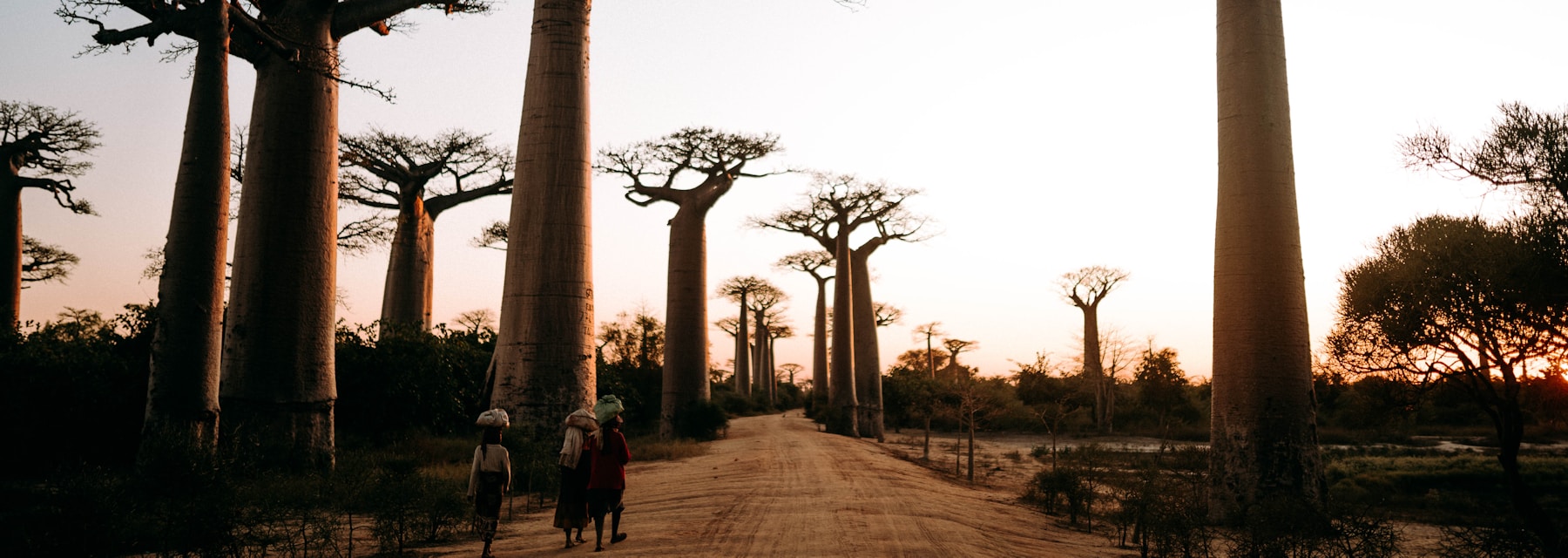
L’ouest (Kirindy et Morondava), 4–6 jours. Kirindy pour les espèces nocturnes et la chance du fossa, l’insaisissable prédateur suprême de l’île, plus les lémuriens de forêt sèche — une distribution différente de la forêt tropicale, et le pays des baobabs de l’ouest pour un contraste de paysage.
Le principe tout du long est le temps plutôt que la distance : mieux vaut travailler trois réserves à fond, avec la patience pour le comportement et la discipline des sessions de l’aube, du crépuscule, et de la nuit, que d’en survoler six. Une spécialiste peut adapter les réserves et le rythme à vos espèces cibles. Contactez Carla pour le planifier.
Matériel pour la photographie de faune
La faune de Madagascar exige un kit réfléchi. Un téléobjectif lumineux (un 100–400mm, ou un 500/600mm à focale fixe pour les sérieux) est essentiel pour les lémuriens et oiseaux de la canopée, et les grandes ouvertures (f/2.8–f/5.6) aident énormément dans la faible lumière de forêt. Un objectif macro dédié transforme la photographie de caméléons, geckos, et grenouilles. Un appareil avec une forte performance haut-ISO est inestimable, puisque vous photographierez souvent à ISO 3200 ou au-delà dans la pénombre. Un flash ou une lumière LED, idéalement diffusée, aide pour la macro et le travail nocturne.
Complétez-le avec beaucoup de mémoire et de batterie (la recharge est limitée dans les lodges reculés), une protection robuste contre la poussière et l’humidité (la forêt tropicale est humide, l’ouest poussiéreux), un beanbag ou un monopode pour stabiliser les longs objectifs, et une lampe frontale avec un mode rouge pour les marches nocturnes. Apportez des secours pour l’essentiel — le matériel est difficile à trouver ou réparer sur place. Un guide photo spécialiste peut conseiller la configuration idéale pour vos espèces cibles. Une note pratique sur le poids et la polyvalence : de nombreux photographes de faune ici optent pour une configuration à deux boîtiers ou à changement rapide — un téléobjectif prêt pour les lémuriens et oiseaux, et un système macro pour les reptiles et grenouilles qui apparaissent à tout moment — parce que la forêt donne peu d’avertissement et que changer d’objectif vous coûte le cliché. Si vous devez faire un compromis, un zoom 100–400mm plus un seul objectif macro couvre la majeure partie de la faune de Madagascar, et les boîtiers hybrides modernes avec un bon autofocus et des fichiers haut-ISO ont rendu la faible lumière de forêt bien plus indulgente qu’autrefois. Pour le tableau complet du kit, voyez notre guide de la photographie.
Technique et savoir-faire de terrain
Bien photographier la faune de Madagascar est autant une question de savoir-faire de terrain que de matériel. Travaillez étroitement avec votre guide, qui trouve les animaux et prédit le comportement ; bougez lentement et silencieusement, gardez une distance respectueuse, et laissez l’animal se calmer. Pour les lémuriens, utilisez des vitesses d’obturation élevées (1/1000s ou plus rapide) pour figer les bonds, montez l’ISO sans crainte, et surveillez votre arrière-plan — une plaque de ciel ou une feuille trop lumineuse peut ruiner un cadre autrement net. Anticipez le comportement : la pause avant un bond, le tournant d’une tête, le moment d’interaction.
Pour la macro (caméléons, geckos, grenouilles), ralentissez beaucoup : faites la mise au point sur l’œil, utilisez une petite ouverture pour la profondeur où vous le pouvez, stabilisez l’appareil, et diffusez toute lumière pour éviter les ombres dures et les reflets. Tout du long, le plus grand facteur de votre succès est le temps — rester avec un sujet assez longtemps pour le bon comportement et la bonne lumière, et revisiter les spots productifs. C’est pourquoi un voyage cadencé pour la photo, avec des séjours plus longs et la patience d’attendre, donne bien plus qu’un circuit général. Il aide aussi de connaître votre appareil sur le bout des doigts avant d’arriver — la mise au point au bouton arrière, les changements rapides d’ISO et de correction d’exposition, le bon mode autofocus pour un lémurien en mouvement versus un caméléon statique — parce qu’en forêt vous avez rarement le temps de réfléchir. Photographiez en rafales pour saisir le pic de l’action, révisez moins et photographiez plus, et faites confiance à votre guide quand il dit d’être prêt : le bond de l’indri ou la course du sifaka vient sans avertissement, et les photographes qui l’obtiennent sont ceux déjà en position avec les bons réglages affichés. Pour les options de circuit, voyez notre guide des forfaits circuits photo.
Photographie et marches nocturnes
La marche nocturne guidée est l’arme secrète du photographe de faune à Madagascar. Après la tombée de la nuit, une distribution différente émerge — microcèbes aux yeux réfléchissants, caméléons endormis pâles sur les brindilles, geckos à queue plate actifs sur l’écorce, grenouilles appelant, et l’occasionnel plus grand lémurien nocturne. Crucialement, beaucoup de ces sujets sont immobiles, les rendant bien plus faciles à bien photographier que les mobiles rapides du jour : vous pouvez composer soigneusement, les éclairer doucement, et réussir la mise au point.
La photographie nocturne récompense une configuration macro ou gros plan, un flash ou une lumière LED diffusée (utilisée avec parcimonie et éthique sur les espèces sensibles), et une lampe frontale avec un mode rouge pour préserver la vision nocturne de chacun. L’immobilité et l’étrangeté des sujets font des marches nocturnes l’une des parties les plus productives et gratifiantes d’un voyage photo de faune à Madagascar — ne les sautez jamais. De nombreux lodges et parcs les proposent, et elles nécessitent un guide. Une technique utile est de laisser la torche du guide localiser et éclairer légèrement le sujet pendant que vous ajoutez votre propre lumière diffusée et de faible puissance pour l’exposition réelle, en gardant le faisceau hors des yeux de l’animal. La mise au point manuelle fonctionne souvent mieux que l’autofocus dans l’obscurité, et un objectif plus lumineux gagne son prix ici plus que partout. Habillez-vous pour les nuits fraîches et humides de forêt, surveillez votre pied sur le sentier, et acceptez que toutes les marches ne livrent pas l’aye-aye ou le fossa — mais les caméléons endormis et les microcèbes aux grands yeux récompensent presque toujours l’effort.
Photographie de faune éthique
La faune de Madagascar est fragile et une grande partie menacée, donc l’éthique passe en premier. Gardez une distance respectueuse, n’appâtez, ne manipulez, ni ne stressez jamais un animal pour un cliché, et suivez l’exemple de votre guide. Soyez parcimonieux et prudent avec le flash, surtout sur les espèces nocturnes dont les yeux sont sensibles. Tenez-vous aux sentiers pour protéger l’habitat fragile. Le bien-être de l’animal doit toujours l’emporter sur l’image — et, commodément, les photographies les plus calmes et les plus naturelles viennent d’animaux non dérangés, donc l’éthique et les bons résultats s’alignent.
Choisissez des guides et des opérateurs qui respectent ces normes et soutiennent la conservation, et laissez vos images faire le bien en sensibilisant à la faune unique et menacée de Madagascar. Les guides de parc qui font respecter les règles de distance et de comportement protègent les sujets mêmes dont votre photographie dépend. Être un photographe de faune responsable ici est à la fois juste et, à long terme, le seul moyen pour que ces créatures et leurs forêts survivent pour être photographiées tout court. Méfiez-vous aussi de toute situation où des animaux sont appâtés, retenus, ou « arrangés » pour les photographes — c’est contraire à l’éthique, cela stresse l’animal, et produit des images non naturelles ; un guide et un opérateur réputés ne le feront jamais, et vous devriez refuser si on vous le propose. Il en va de même pour casser de la végétation afin de dégager un cliché ou serrer un sujet pour un cadre plus proche. Les meilleurs photographes de faune ne laissent aucune trace de leur passage sauf l’image, et cette retenue fait partie du métier.
Quand partir
La meilleure saison de photographie de faune est la saison sèche (avril–novembre), quand les sentiers sont praticables, la faune active et plus facile à trouver, et la lumière fiable. La fin de la saison sèche (septembre–novembre) apporte des bébés lémuriens et une faune très active (bien qu’une lumière plus brumeuse), tandis que les mois verts après les pluies offrent des décors luxuriants et des amphibiens actifs. Le milieu plus frais de la saison sèche est confortable pour les longues journées sur le terrain. Au sein de toute saison, le rythme quotidien compte le plus : la faune est la plus active et la lumière la meilleure dans les premières et dernières heures, donc un photographe de faune sérieux planifie autour de l’aube, du crépuscule, et de la marche nocturne, traitant le midi dur comme du temps pour se reposer, réviser, et sauvegarder. Aligner votre voyage sur ces fenêtres, et permettre de la flexibilité pour la météo, fait plus pour vos résultats que le mois précis que vous choisissez.
La saison des pluies (décembre–mars) apporte les grenouilles les plus actives et des forêts luxuriantes mais aussi la pluie, les sangsues, un accès difficile, et un risque de cyclone, donc la plupart des photographes de faune préfèrent les mois secs — bien que le photographe d’amphibiens ou de macro dévoué puisse braver l’humide pour les grenouilles. Adaptez votre timing à vos sujets cibles, et réservez à l’avance pour les réserves populaires en haute saison. Pour le tableau saisonnier, voyez notre guide de la photographie.
S’y rendre et bien voyager
Madagascar se rejoint par vols avec correspondance via l’Europe, le Golfe, ou l’Afrique, atterrissant à Antananarivo, d’où vous voyagez par voie terrestre vers les réserves. Réservez les vols internationaux tôt et protégez ceux passant par l’Europe : selon le règlement européen CE261, un long retard, une annulation, ou un refus d’embarquement sur un vol entrant européen peut vous donner droit à jusqu’à 600 € par passager — utile quand on voyage avec du matériel précieux. Enregistrez votre vol pour la couverture EU261 avec AirAdvisor. Atteindre les réserves signifie des trajets sur de mauvaises routes ; Carla peut arranger le transport.
L’assurance voyage est essentielle — et les photographes devraient s’assurer qu’elle couvre le matériel photo de grande valeur autant que les urgences médicales et l’évacuation en zone reculée. SafetyWing Nomad Insurance couvre le voyageur ; vérifiez une couverture séparée ou supplémentaire pour votre équipement, et confirmez les détails avant de voyager en forêt reculée avec des milliers d’euros de matériel.
Carla / Voyagiste Madagascar (planifiez un voyage photo faune)
Spécialiste résidente à Madagascar qui peut bâtir un itinéraire de photographie de faune — choisissant les réserves pour vos espèces cibles, intégrant le temps et les marches nocturnes que les images nécessitent, et arrangeant les guides, le transport, et l’accès que la photographie de faune exige ici. Contactez Carla directement pour des conseils honnêtes sur où et quand photographier quelles espèces, et comment structurer un voyage autour de vos objectifs photographiques. La connaissance locale est la différence entre espérer une observation et être au bon endroit au bon moment.
Foire aux questions
Quelle faune puis-je photographier à Madagascar ?
Lémuriens, caméléons, geckos à queue plate, grenouilles, oiseaux endémiques, et espèces nocturnes — presque tous introuvables ailleurs sur Terre. Voyez notre guide de la photographie.
Quel matériel me faut-il pour la photographie de faune ?
Un téléobjectif lumineux pour les lémuriens et oiseaux, un objectif macro pour les caméléons et reptiles, une forte capacité haut-ISO pour la faible lumière de forêt, et un flash ou LED diffusé pour la macro et le travail nocturne. Apportez des secours.
Où est la meilleure photographie de faune ?
Ranomafana et Andasibe (lémuriens de forêt tropicale, macro), Anja (lémuriens à queue annelée), Kirindy (espèces nocturnes, fossa). Un voyage enchaîne plusieurs réserves. Voyez notre guide des parcs nationaux.
Les marches nocturnes en valent-elles la peine ?
Absolument — elles sont souvent la partie la plus productive d’un voyage photo de faune. Les sujets nocturnes immobiles (caméléons endormis, geckos, microcèbes) font les images macro les plus faciles et les plus frappantes.
Quelle est la meilleure période ?
La saison sèche (avril–novembre) pour une faune active et une lumière fiable ; la fin de la saison sèche pour les bébés lémuriens ; la saison des pluies pour les grenouilles actives (mais des conditions plus dures). Adaptez le timing à vos sujets cibles.
Mon assurance devrait-elle couvrir mon matériel photo ?
Oui — assurez-vous que votre couverture inclut l’équipement de grande valeur autant que le médical et l’évacuation. Une assurance voyage est essentielle ; vérifiez la couverture du matériel séparément.
📷 Planifiez votre voyage photo faune à Madagascar — avec Carla
Les bonnes réserves, la bonne saison, le temps et les marches nocturnes que les images nécessitent. Contactez Carla, notre spécialiste résidente à Madagascar, pour des conseils honnêtes et un voyage bâti autour de votre photographie de faune.
Planifiez Votre Voyage à Madagascar
- Lire le guide de voyage complet Madagascar
- Explorer les itinéraires par style et durée
- Explorer le guide complet de la destination
Où Dormir