Nosy Be Madagascar Travel Guide: The Ultimate Luxury Island Escape
At a Glance
- Where to stay: Check hotel availability on Agoda — Nosy Be
- Book tours: Browse Madagascar tours on GetYourGuide
This post contains affiliate links. We may earn a small commission at no extra cost to you.
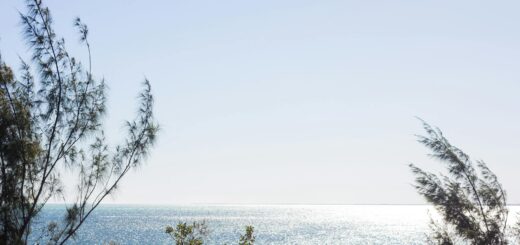
Nosy Be is not simply a destination—it is an experience shaped by scent, light, ocean, and rhythm. Floating off the northwestern coast of Madagascar in the warm waters of the Mozambique Channel, this island has steadily become the country’s most sought-after travel destination. It delivers something rare in the world of travel: a place that feels both exotic and accessible, both wild and refined, both authentic and comfortable.
For travelers planning a trip to Madagascar, Nosy Be is often the first—and sometimes only—stop. It acts as a gateway into the island nation’s biodiversity while offering a level of infrastructure, hospitality, and ease that is not always guaranteed on the mainland. Yet despite its growing popularity, Nosy Be has preserved a sense of laid-back charm that continues to attract honeymooners, families, divers, and seasoned explorers alike.
Planning your Nosy Be getaway?
Beach resorts and villas fill up fast during peak season (July–September).
→ Browse Nosy Be hotels on Agoda
Understanding Nosy Be: Geography, Climate, and Identity
Nosy Be, which translates to “Big Island” in Malagasy, spans roughly 320 square kilometers and is part of an archipelago that includes smaller satellite islands such as Nosy Komba, Nosy Tanikely, and Nosy Iranja. The island’s volcanic origins are evident in its rolling hills, crater lakes, and fertile soils, which support dense vegetation and aromatic plantations.
The island experiences a tropical climate with two main seasons: a dry season from May to October and a wetter, warmer season from November to April. The dry season is widely regarded as the best time to visit, offering lower humidity, comfortable temperatures, and optimal conditions for marine activities. However, the wet season should not be dismissed entirely—it often brings fewer crowds, lower prices, and short rain bursts rather than all-day downpours.
What truly sets Nosy Be apart is its combination of accessibility and authenticity. It is one of the few locations in Madagascar with direct international flights, particularly from Europe and nearby African hubs, significantly reducing travel time and complexity for first-time visitors.
Why Nosy Be Is Called the Perfume Island
One of the most distinctive aspects of Nosy Be is its nickname: the “Perfume Island.” This is not a marketing invention but a reflection of the island’s agricultural identity. Nosy Be is a major producer of ylang-ylang, a fragrant flower used in high-end perfumes around the world. As you move across the island, particularly inland, you will notice the subtle yet persistent scent of these flowers carried by the breeze.
Combined with the salty air of the ocean and the earthy aroma of tropical vegetation, Nosy Be creates a multisensory environment that is difficult to replicate elsewhere. The island’s color palette—deep greens, bright blues, and golden sunsets—creates a visual experience that is equally memorable. Meanwhile, the sounds of waves, distant music, and local life contribute to an atmosphere that feels both vibrant and relaxing.
Read also:
Best hotels in Nosy Be
Top-rated accommodations sell out fast during peak season.
The Best Beaches of Nosy Be
The coastline of Nosy Be is one of its most defining features. Unlike many tropical destinations where strong currents or steep drop-offs can limit swimming, Nosy Be’s beaches are generally characterized by gentle slopes and calm waters, making them suitable for all ages and skill levels.
Andilana Beach, located on the northwest coast, is often considered the most beautiful beach on the island. Its wide stretch of white sand and crystal-clear water make it a favorite for both relaxation and photography. Madirokely Beach offers a more lively atmosphere, with restaurants, bars, and local vendors creating a vibrant social scene—particularly popular for sunset views. Ambatoloaka Beach serves as the island’s nightlife hub, attracting travelers who want to combine beach time with evening entertainment. Each beach has its own character, allowing travelers to tailor their experience based on preferences for solitude, activity, or convenience.
Best tours & activities in Nosy Be
Book in advance — popular island-hopping and diving tours fill up weeks ahead.
Wildlife, Culture, and Experiences Beyond the Beach
Nosy Be is not just a beach destination—it is also a gateway to Madagascar’s unique biodiversity. Lokobe Reserve, located on the southeastern side of the island, is one of the last remaining primary forests in the region. Guided tours allow visitors to see black lemurs, chameleons, and a variety of bird species. The experience is both educational and immersive, providing a glimpse into Madagascar’s ecological richness.
The surrounding marine environment is equally impressive. Coral reefs, seagrass beds, and open waters support a wide range of marine life. Snorkeling and diving excursions reveal colorful fish, sea turtles, and—during certain seasons—larger species such as manta rays and whale sharks. The nearby islands of Nosy Tanikely and Nosy Iranja are among the best snorkeling spots in the western Indian Ocean.
Hell-Ville, the island’s main town, serves as the administrative and commercial center. Its colonial architecture, bustling markets, and everyday rhythms provide genuine insight into Malagasy culture. Visiting the local market is particularly rewarding, offering a chance to see fresh produce, spices, and handcrafted goods that reflect the island’s diverse cultural heritage.
Ready to plan your Nosy Be trip?
Accommodation, Getting Around, and Practical Tips
One of Nosy Be’s greatest strengths is its range of accommodations. Luxury travelers can choose from beachfront resorts featuring private villas, infinity pools, and full-service amenities—many offering all-inclusive packages that simplify budgeting. Mid-range options include boutique hotels and eco-lodges that combine comfort with a more personalized experience. Budget travelers will find guesthouses and smaller hotels that provide basic amenities at affordable rates, often with a more authentic connection to local life.
Transportation on the island is straightforward. Taxis are widely available—prices should be negotiated in advance, as meters are not typically used. Scooter and car rentals offer independence for those who prefer to explore at their own pace. For excursions to nearby islands, boat transfers are organized by tour operators and hotels and should be booked in advance during peak season.
Currency is the Malagasy Ariary, and cash is widely used. Credit cards are accepted in some hotels and restaurants but should not be relied upon exclusively. Health precautions—including vaccinations and mosquito protection—are recommended. Travel insurance is highly advisable, particularly for activities such as diving, as medical evacuation from Madagascar carries significant cost.
Travel Insurance for Madagascar
Essential Gear for Madagascar’s Coastal Activities
Madagascar’s Underwater World Is World-Class — Film It in 5.3K Before It’s Gone
The coral gardens off Nosy Be, the whale sharks of the Mozambique Channel, the humpback whales migrating to Île Sainte-Marie — your phone doesn’t go underwater. The GoPro HERO13 Black shoots 5.3K60 video and is waterproof to 10 metres without any housing. Mount it on your snorkel mask, clip it to your kayak, hand it to your dive guide. Sold directly by Amazon.
Check current price and availability on Amazon →
Madagascar’s UV Index Hits 11+ — Your Skin Needs More Than Sunscreen in the Water
Nosy Be, Île Sainte-Marie, the reefs off Fort Dauphin — spectacular coastal waters under an equatorial sun with UV regularly hitting 11+. Sunscreen washes off within 20 minutes in water. O’Neill’s UPF 50+ long-sleeve rash guard blocks 98% of UV radiation all day, in and out of the water, without reapplication. Stays in place during snorkelling and dives.
Check current price and availability on Amazon →
Snorkelling Madagascar’s Reefs Without UV Protection Is How You Come Home With a Week of Sun Damage
The coral reefs of Nosy Be and Île aux Nattes are some of the most beautiful snorkelling in the Indian Ocean — in direct equatorial sunlight every minute you’re in the water. Hurley’s Women’s UPF 50+ long-sleeve rashguard covers your core, arms, and shoulders with full-spectrum UV protection. Lightweight, fast-drying, designed for real ocean conditions.
Check current price and availability on Amazon →
One Wave, One Pirogue Crossing, One Rain Shower — That’s All It Takes to Lose Your Phone in Madagascar
Madagascar’s water crossings are done in pirogues — narrow dugout canoes with no sides to speak of. One unexpected wave. One overfilled pirogue. One downpour on the RN7 with nowhere to shelter. The JOTO Universal Waterproof Pouch seals your phone in an IPX8-rated case to depths up to 30 metres. Use the touchscreen through the case, take underwater photos. Under $15.
Check current price and availability on Amazon →
Your Camera, Passport, and Valuables Need a Waterproof Shell for Madagascar’s Boat Transfers
Boat transfers to Nosy Komba, dive sites, and the remote beaches of Masoala — waves hit the deck, spray soaks everything unprotected. A wet camera, a soaked passport, or a ruined MacBook is not a one-hour problem in a country where Apple Stores don’t exist. The Earth Pak Dry Bag rolls and clips shut to create a 100% waterproof seal rated to IPX8. NY Times Wirecutter-recommended, 5-year warranty.
Check current price and availability on Amazon →
Madagascar’s Power Cuts Will Kill Your Phone — Here’s 4 Full Charges of Insurance
Délestage — Madagascar’s rolling blackouts — can last 8 to 14 hours a day. Your navigation app, offline maps, and boarding pass for tomorrow’s Tsaradia flight will all be dead. The Anker PowerCore 20,000mAh gives 4 full phone charges with fast USB-C delivery. Charge it during the hotel’s morning power window and you’re covered all day.
Check current price and availability on Amazon →
Madagascar Uses European Plugs Only — Your North American Charger Won’t Work Without This
Madagascar runs on Type C and E/F European plugs, 220V. North American plugs don’t fit. The TESSAN European adapter accepts North American plugs and adds 2 USB ports, so you can charge your phone and power bank simultaneously from a single outlet. Compact, grounded — one of those items that’s obvious in hindsight and impossible to find when you need it.
Check current price and availability on Amazon →
One Adapter for Every Country on Your Madagascar Journey — Including Stopovers in Paris or Réunion
Many travellers reach Madagascar via Paris CDG or Réunion — and face a different outlet at each stop. The GaN Universal Adapter covers all outlet types worldwide with USB-C PD fast charging — one device, 4 ports, every country. GaN technology runs cooler and charges faster than standard adapters.
Check current price and availability on Amazon →
Medical evacuation from Madagascar can cost $30,000–$80,000. Don’t skip it.
- SafetyWing — monthly-subscription travel medical cover; you can check their plans.
- World Nomads — single-trip travel insurance with adventure-activity options.
Frequently Asked Questions About Nosy Be
Is Nosy Be worth visiting compared to mainland Madagascar?
Yes, especially for first-time visitors. It offers a balance of accessibility, comfort, and natural beauty that is difficult to match elsewhere in the country.
How many days should you spend in Nosy Be?
A minimum of 4 to 5 days is recommended to fully experience the island and its surrounding islands.
Is Nosy Be safe for tourists?
Generally, yes. Basic precautions should be taken, but the island is considered one of the safer destinations in Madagascar.
Do you need a visa to visit Nosy Be?
Most travelers require a visa for Madagascar, which can often be obtained on arrival at the airport.
What language is spoken in Nosy Be?
Malagasy and French are the primary languages, though some English is spoken in tourist areas.
Is Nosy Be suitable for families?
Yes, thanks to its calm beaches, safe swimming conditions, and a range of activities suitable for children.
Nosy Be stands as a compelling introduction to Madagascar—a destination that captures the imagination while delivering on practical expectations. Whether you are seeking luxury, adventure, or a blend of both, this island offers a travel experience that is as enriching as it is unforgettable.
Ready to book your Nosy Be trip?
Affiliate link — commission earned at no extra cost to you.
Flight delayed or cancelled? Flights to Madagascar often connect through Paris or Nairobi. EU regulation EC 261 may entitle you to up to €600 in compensation. Check your claim free on AirAdvisor →
Plan Your Trip to Madagascar
- Read the full Madagascar Travel Guide
- Explore itineraries by style and duration
- Where to See Lemurs in Madagascar
Where to Stay