Best Dive Sites in Nosy Be: Complete 2026 Scuba Guide
This post contains affiliate links. We may earn a small commission at no extra cost to you.
At a Glance
- Where to stay: Check hotel availability on Agoda — Nosy Be
- Book tours: Browse Madagascar tours on GetYourGuide
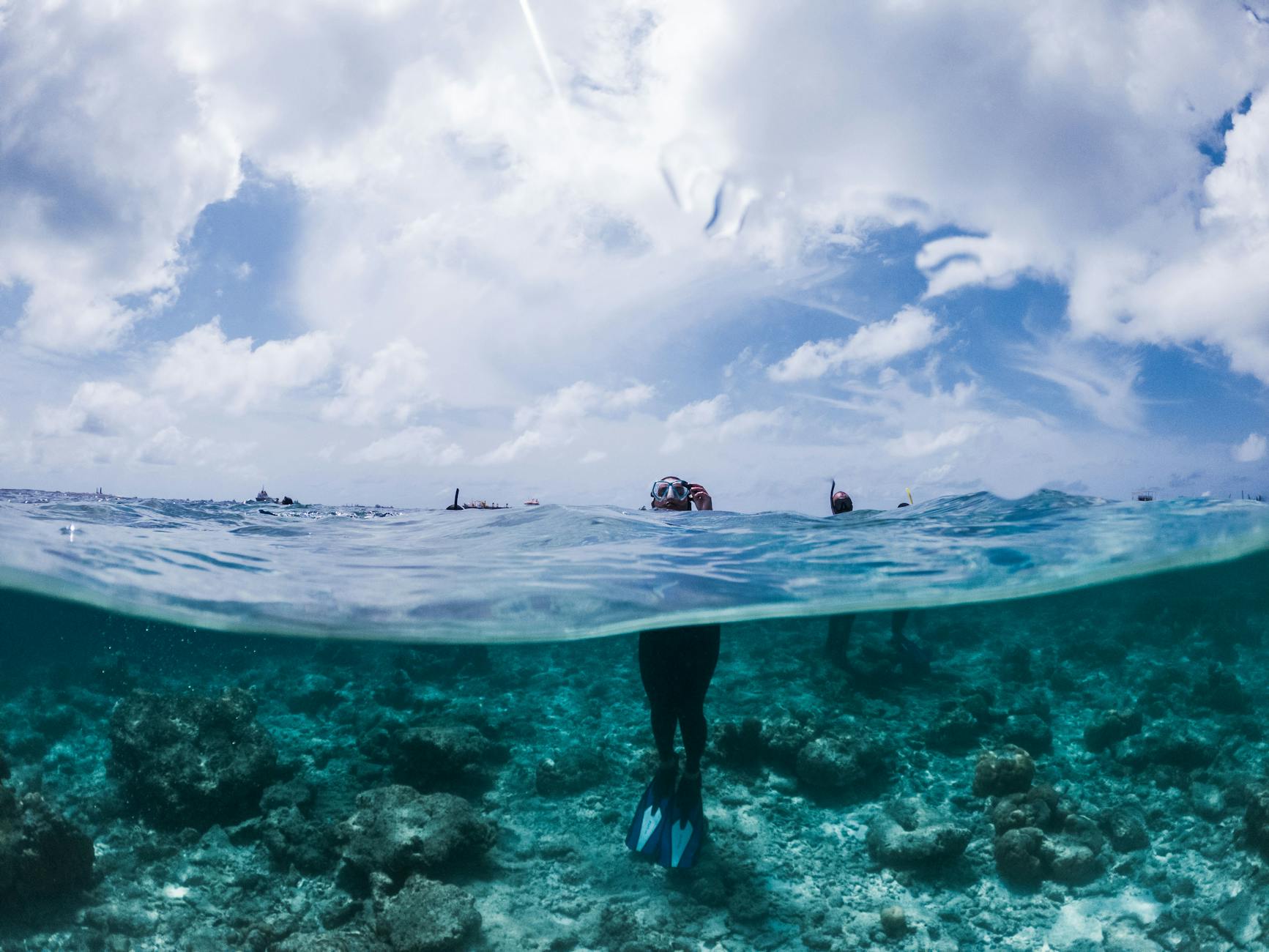
Nosy Be sits at the heart of one of the Indian Ocean’s most productive diving ecosystems. The waters surrounding Madagascar’s premier island offer visibility up to 30 metres, water temperatures between 26 and 30 degrees Celsius year-round, and an underwater world ranging from shallow coral gardens to drop-offs teeming with pelagic fish. Whether you are a beginner seeking calm, clear bays or an experienced diver hunting manta rays and whale sharks, Nosy Be delivers.
The dry season from May to November brings the most consistent conditions, with peak visibility and calmer surface seas. The wet season from December to April still offers viable diving, particularly at sheltered sites, though visibility can drop and currents strengthen. Most dive centres are based in Hellville and along the northwestern coast of the island.
Essential Gear for Madagascar’s Coastal Activities
Madagascar’s Underwater World Is World-Class — Film It in 5.3K Before It’s Gone
The coral gardens off Nosy Be, the whale sharks of the Mozambique Channel, the humpback whales migrating to Île Sainte-Marie — your phone doesn’t go underwater. The GoPro HERO13 Black shoots 5.3K60 video and is waterproof to 10 metres without any housing. Mount it on your snorkel mask, clip it to your kayak, hand it to your dive guide. Sold directly by Amazon.
Check current price and availability on Amazon →
Madagascar’s UV Index Hits 11+ — Your Skin Needs More Than Sunscreen in the Water
Nosy Be, Île Sainte-Marie, the reefs off Fort Dauphin — spectacular coastal waters under an equatorial sun with UV regularly hitting 11+. Sunscreen washes off within 20 minutes in water. O’Neill’s UPF 50+ long-sleeve rash guard blocks 98% of UV radiation all day, in and out of the water, without reapplication. Stays in place during snorkelling and dives.
Check current price and availability on Amazon →
Snorkelling Madagascar’s Reefs Without UV Protection Is How You Come Home With a Week of Sun Damage
The coral reefs of Nosy Be and Île aux Nattes are some of the most beautiful snorkelling in the Indian Ocean — in direct equatorial sunlight every minute you’re in the water. Hurley’s Women’s UPF 50+ long-sleeve rashguard covers your core, arms, and shoulders with full-spectrum UV protection. Lightweight, fast-drying, designed for real ocean conditions.
Check current price and availability on Amazon →
One Wave, One Pirogue Crossing, One Rain Shower — That’s All It Takes to Lose Your Phone in Madagascar
Madagascar’s water crossings are done in pirogues — narrow dugout canoes with no sides to speak of. One unexpected wave. One overfilled pirogue. One downpour on the RN7 with nowhere to shelter. The JOTO Universal Waterproof Pouch seals your phone in an IPX8-rated case to depths up to 30 metres. Use the touchscreen through the case, take underwater photos. Under $15.
Check current price and availability on Amazon →
Your Camera, Passport, and Valuables Need a Waterproof Shell for Madagascar’s Boat Transfers
Boat transfers to Nosy Komba, dive sites, and the remote beaches of Masoala — waves hit the deck, spray soaks everything unprotected. A wet camera, a soaked passport, or a ruined MacBook is not a one-hour problem in a country where Apple Stores don’t exist. The Earth Pak Dry Bag rolls and clips shut to create a 100% waterproof seal rated to IPX8. NY Times Wirecutter-recommended, 5-year warranty.
Check current price and availability on Amazon →
Plan your Madagascar trip:
- Browse Madagascar tours and experiences (GetYourGuide)
- Get travel insurance for Madagascar (SafetyWing)
- World Nomads — covers adventure activities: trekking, diving, motorbikes. Compare both.
The Best Dive Sites Around Nosy Be
Nosy Tanikely Marine Reserve ranks as the most accessible site for all skill levels. This protected island offers dense coral cover, sea turtles, and schools of snappers in water rarely deeper than 18 metres. Nosy Sakatia, a short boat ride from the main island, is Madagascar’s most reliable manta ray cleaning station, with encounters peaking from June to October. The Aquarium near Nosy Tanikely is a shallow reef where lionfish, moray eels, and juvenile Napoleon wrasse are common year-round. For advanced divers, the drop-off at Baracouta Point descends to 40 metres and attracts barracuda, giant trevally, and occasional hammerhead sharks in October and November. Each site requires a boat transfer of 30 to 90 minutes from Hellville depending on sea conditions and the speed of the operator’s vessel.
Remote Dive Destinations: Nosy Mitsio and Nosy Radama
Nosy Mitsio lies 60 kilometres northeast of Nosy Be and is widely regarded as the finest dive destination in northern Madagascar. The archipelago’s Four Brothers pinnacles rise from deep water and concentrate pelagic species including whale sharks between September and November. The site requires a liveaboard or a full-day private charter — budget 150 to 200 euros per person for the trip including dive fees. Nosy Radama, southwest of Nosy Be, offers a contrasting experience: wide sandy plains interspersed with bommies rich in nudibranchs, flatworms, and ghost pipefish. Currents at Radama can run strong on an incoming tide, making it suitable for intermediate divers and above. Neither site has permanent dive facilities — all equipment must be brought from Nosy Be operators, and boat fuel costs are typically added to the charter price.
Read also:
Book activities in Madagascar:
Dive Conditions, Water Temperature and Best Season
Water temperature around Nosy Be ranges from 26 degrees Celsius in September and October to 30 degrees Celsius in December and January. A 3mm wetsuit is sufficient for most divers year-round, though a 5mm suit adds comfort during the cooler months of July and August. Visibility varies dramatically by site and season. Nosy Tanikely consistently delivers 20 to 30 metres from May to November. The channel between Nosy Be and the mainland can drop to 8 to 12 metres after heavy rain. Currents are generally mild at reef sites but can exceed 2 knots at exposed pinnacles. The monsoon season from December to March brings increased plankton, reducing visibility but attracting whale sharks and manta rays closer to shore. Plan dive days around tidal charts, which most operators provide on request to help time entries correctly.
Dive Operators, Certifications and Typical Costs in 2026
Nosy Be has several established PADI-affiliated dive centres. Ocean Spirit Diving, based near Ambatoloaka beach, is a PADI 5-Star IDC centre offering discovery dives, open-water courses, and advanced charter trips to Nosy Mitsio. Manta Diving operates from the same coastal stretch and specialises in manta ray encounters at Nosy Sakatia with deliberately small group sizes. Tropical Diving near Madirokely caters to both beginners and technical divers and runs the highest departure frequency on the island. Two-tank boat dives typically cost 70 to 100 euros including equipment hire. Open-water certification courses run 350 to 450 euros over four to five days. Discovery dives for uncertified divers start at around 60 euros. Booking directly with operators saves 10 to 15 percent over hotel desk prices. Most accept cash in euros or ariary; some accept cards with a surcharge. Reserve Nosy Mitsio charters at least 48 hours ahead during peak season.
Ready to book your Madagascar trip?
Frequently Asked Questions
What is the best time to dive in Nosy Be?
May to November offers the best visibility and calmest sea conditions. October and November bring whale shark sightings around Nosy Mitsio and the Four Brothers pinnacles.
Do I need to be a certified diver to dive in Nosy Be?
No. Most operators offer supervised discovery dives for beginners at shallow, protected sites. Open-water certification courses are available from around 350 euros over four to five days.
How much does a day of diving in Nosy Be cost?
A two-tank boat dive with equipment hire costs 70 to 100 euros. Budget an additional 50 to 200 euros if you join a full-day charter to remote sites such as Nosy Mitsio or the Four Brothers pinnacles.
Nosy Be offers one of the Indian Ocean’s most varied diving experiences, from protected beginner reefs at Nosy Tanikely to advanced pelagic encounters at the Four Brothers pinnacles. Plan your trip between May and November for optimal visibility, and book remote site charters well in advance during peak season. With multiple PADI-certified operators on the island, quality tuition and well-maintained equipment are accessible for divers at every level.
Start planning your Madagascar adventure today
Browse Madagascar experiences on GetYourGuide
Affiliate link – commission earned at no extra cost to you.
Plan Your Trip to Madagascar
- Read the full Madagascar Travel Guide
- Explore itineraries by style and duration
- Explore the full destination guide
Where to Stay
June–September is peak season — beach resorts in Andilana and Madirokely book out fast.