Parc national de Ranomafana 2026 : le guide complet du joyau de la forêt tropicale de Madagascar
Divulgation d’affiliation : Cet article contient des liens sponsorisés vers des hôtels, voyagistes, assureurs et autres services de voyage. Nous percevons une petite commission si vous réservez via nos liens, sans coût supplémentaire pour vous.
Parc national de Ranomafana 2026 — En bref
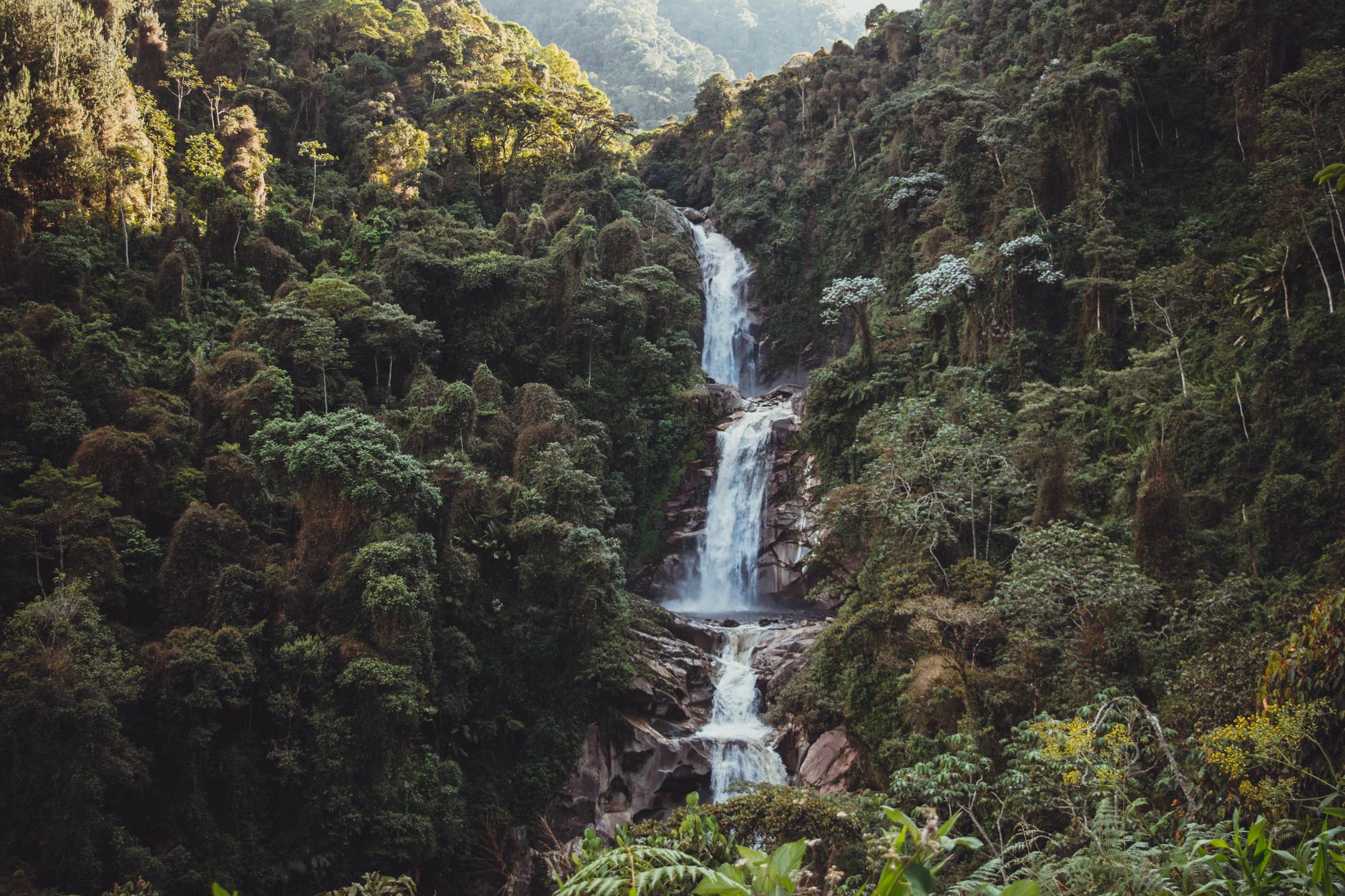
- Quoi et où : Un parc de forêt tropicale humide de montagne d’environ 416 km² dans la région de Vatovavy, au sud-est de Madagascar, à environ 60 km au nord-est de Fianarantsoa par la RN25, étalé sur des collines entre ~600 et 1 400 m et traversé par la tumultueuse rivière Namorona.
- Meilleure période : C’est une forêt tropicale, la pluie est donc possible toute l’année, mais la fenêtre plus sèche et plus chaude, de septembre à décembre (jusqu’en janvier), est la plus prisée pour la marche et l’observation de la faune.
- Faune vedette : L’hapalémur doré — découvert ici dans les années 1980 — ainsi que le grand hapalémur en danger critique, le propithèque de Milne-Edwards, et une douzaine d’espèces de lémuriens au total.
- Excursions : excursions à Ranomafana et en forêt tropicale sur GetYourGuide
- Planifiez avec une locale : contactez Carla pour intégrer une étape à Ranomafana dans votre itinéraire.
- Se déplacer : voiture avec chauffeur via Carla — le moyen pratique de rejoindre l’entrée du parc depuis Fianarantsoa.
- Vol retardé ? Vérifiez votre indemnisation avec AirAdvisor.
- Assurance voyage : SafetyWing Nomad Insurance pour les mésaventures sur sentiers boueux et la couverture médicale.
- Où dormir : hébergements près du parc sur Agoda.
🐿 Matériel d’observation de la faune
Le bon matériel transforme une sortie nature :
- Jumelles 8×42 — indispensables pour repérer lémuriens et caméléons. Voir sur Amazon →
- Lampe frontale rechargeable — indispensable pour les marches de nuit. Voir sur Amazon →
- Bâtons de randonnée — ultralégers pour les longues randonnées. Voir sur Amazon →
- Sac à dos de randonnée — confortable pour eau, appareil et vêtements. Voir sur Amazon →
- Répulsif à la picaridine — sans DEET, contre les moustiques du paludisme. Voir sur Amazon →
En tant que Partenaire Amazon, nous réalisons un bénéfice sur les achats éligibles.
Si vous n’avez le temps de visiter qu’un seul parc de forêt tropicale sur l’escarpement oriental de Madagascar, le parc national de Ranomafana est le plus convaincant de tous. C’est ici que la biologie et le tourisme se sont télescopés de la manière la plus spectaculaire : dans les années 1980, une primatologue du nom de Patricia Wright est venue ici sur la piste d’une rumeur évoquant un lémurien mangeur de bambou, et l’hapalémur doré qu’elle a contribué à décrire s’est révélé être une espèce entièrement nouvelle pour la science. Cette découverte — et la course pour protéger une forêt déjà exploitée — a conduit directement à la création du parc en 1991. Peu de forêts tropicales au monde peuvent se targuer d’avoir été sauvées par un seul petit primate au pelage doré.
Aujourd’hui, Ranomafana est l’un des parcs phares de Madagascar et une pièce maîtresse de tout road trip classique des hautes terres sur la RN7. Il se situe à une journée de route confortable au sud d’Antananarivo et à un peu plus d’une heure de Fianarantsoa, la ville d’accès régionale, ce qui le rend bien plus facile à intégrer à un itinéraire que les réserves plus reculées du pays. Ce que vous obtenez en échange de l’effort, c’est une forêt de montagne dense, ruisselante et propice aux sangsues, foisonnante de lémuriens, de caméléons, de grenouilles et d’oiseaux que vous ne pourrez voir nulle part ailleurs sur Terre. Ce guide vous explique précisément ce qu’est Ranomafana, ce qui y vit, comment se déroule réellement la visite, quand venir, quoi emporter, comment s’y rendre, où dormir et s’il mérite une place dans votre voyage.
Qu’est-ce que le parc national de Ranomafana et où se trouve-t-il ?
Le parc national de Ranomafana se trouve au sud-est de Madagascar, dans la région de Vatovavy, à environ 60 km au nord-est de Fianarantsoa, le long de la route RN25 qui descend des hautes terres centrales vers la côte est, à hauteur de Mananjary. Le parc protège environ 416 km² de forêt tropicale humide de montagne et de basse altitude, répartis sur un enchevêtrement de collines escarpées et boisées, avec des altitudes grimpant d’environ 600 m dans les vallées fluviales à près de 1 400 m sur les crêtes supérieures. Cette amplitude altitudinale explique en partie la richesse biologique du parc : différentes bandes de forêt abritent différentes communautés de plantes et d’animaux.
L’élément géographique déterminant est la rivière Namorona, qui traverse le parc en une série de rapides et de cascades, son grondement accompagnant en permanence de nombreux sentiers. La forêt elle-même est du type forêt tropicale de l’escarpement oriental : humide, moussue, superposée d’épiphytes et de fougères arborescentes, et fréquemment enveloppée de nuages. Le nom du parc vient des mots malgaches signifiant « eau chaude » — un clin d’œil aux sources thermales naturelles du village de Ranomafana, juste à l’extérieur des limites du parc, qui constituaient une modeste destination thermale bien avant que les lémuriens ne rendent la région célèbre.
L’histoire et le statut du parc
L’histoire de Ranomafana est exceptionnellement bien documentée car elle est étroitement liée à un seul moment scientifique. Au milieu des années 1980, la forêt subissait ici la pression de l’exploitation forestière et du défrichement. Des chercheurs, menés par la primatologue Patricia Wright, sont venus à la recherche du grand hapalémur, une espèce que l’on craignait éteinte. Au lieu de cela, ils ont confirmé qu’il survivait encore ici — et, ce faisant, ont identifié l’hapalémur doré, Hapalemur aureus, un lémurien jusqu’alors inconnu de la science, spécialisé dans la consommation de bambou géant chargé de suffisamment de cyanure pour tuer un animal bien plus gros.
La prise de conscience que cette forêt abritait non pas un mais deux lémuriens mangeurs de bambou d’une extrême rareté a galvanisé un effort de conservation. Le parc national de Ranomafana a été officiellement créé en 1991, devenant presque du jour au lendemain l’une des aires protégées les plus importantes de Madagascar. Il est aujourd’hui géré par Madagascar National Parks (MNP) et fait partie du bien du patrimoine mondial de l’UNESCO connu sous le nom de Forêts humides de l’Atsinanana — une inscription en série de parcs de forêt tropicale orientale reconnus pour leur importance mondiale pour la biodiversité et, hélas, également signalés pour les menaces qui pèsent sur eux. Visiter Ranomafana, autrement dit, n’est pas seulement une sortie nature ; c’est une petite contribution au maintien de l’une des forêts les plus irremplaçables de la planète.
Les temps forts de la faune
Ranomafana est avant tout un parc à lémuriens, et les têtes d’affiche sont ses hapalémurs. L’hapalémur doré — l’espèce dont la découverte a créé le parc — en est la célébrité, même si les observations ne sont jamais garanties. Plus rare encore, le grand hapalémur (Prolemur simus), en danger critique d’extinction, est l’un des primates les plus menacés au monde, ne subsistant que dans une poignée de forêts. Les deux dépendent du bambou géant qui pousse dans les zones plus basses et plus humides du parc.
Au-delà des spécialistes du bambou, le parc abrite l’élégant propithèque de Milne-Edwards, un grand lémurien noir et blanc qui bondit entre les troncs, ainsi que les lémuriens à ventre roux, les lémuriens bruns à front roux et plusieurs autres espèces diurnes. À la tombée de la nuit, la forêt appartient aux lémuriens nocturnes — les minuscules microcèbes et d’autres — qui sont les vedettes des fameuses marches nocturnes. Au total, le parc abrite une douzaine d’espèces de lémuriens, une concentration remarquable pour une seule réserve.
Le casting va bien au-delà des lémuriens. Ranomafana est un haut lieu des caméléons et des reptiles, avec plusieurs espèces de caméléons, des geckos à queue plate et d’autres reptiles endémiques, ainsi qu’une diversité éblouissante de grenouilles qui s’épanouissent à la saison des pluies. Les ornithologues poursuivent bien plus de 100 espèces, dont de nombreux endémiques, et les entomologistes adorent les invertébrés de la forêt — le plus célèbre étant le charançon-girafe, un coléoptère rouge vif dont le cou absurdement allongé semble conçu pour un dessin animé. Pour un panorama espèce par espèce de ce que vous pouvez raisonnablement espérer voir et comment le repérer, consultez notre guide de la faune et des lémuriens de Ranomafana, et pour une vue d’ensemble de l’observation des lémuriens sur l’île, lisez où voir des lémuriens à Madagascar.
L’expérience de visite : les marches guidées
Voici le fait pratique le plus important concernant Ranomafana : vous ne pouvez pas y marcher seul. Un guide local accrédité par le MNP est obligatoire, et vous en engagez un à l’entrée du parc (ou vous l’organisez à l’avance via votre lodge ou votre voyagiste). Ce n’est pas une contrainte bureaucratique — c’est tout l’intérêt. Les guides connaissent la forêt intimement, travaillent avec des pisteurs qui se déploient en avant pour localiser les lémuriens, et peuvent repérer un caméléon de la taille d’un pouce accroché à une feuille devant lequel vous passeriez cent fois sans le voir.
Une visite standard s’articule autour d’une marche guidée de jour à l’intérieur du parc, allant de quelques heures tranquilles à une randonnée éprouvante d’une journée complète, selon votre condition physique et la profondeur à laquelle vous souhaitez aller. La forêt est vallonnée, les sentiers sont souvent boueux et glissants, et l’humidité est bien réelle, si bien que même les options « faciles » exigent un peu d’effort. La plupart des voyageurs combinent une marche diurne avec une marche nocturne distincte, qui se déroule à Ranomafana le long de la route publique à l’extérieur des limites du parc (l’entrée de nuit dans le parc lui-même n’est pas autorisée). Les lampes frontales captent le reflet des yeux des microcèbes, des caméléons endormis et des grenouilles — c’est l’une des heures les plus magiques de tout voyage à Madagascar.
Les circuits de sentiers
Ranomafana propose une gamme de circuits balisés adaptés à différents niveaux d’énergie. Des boucles plus courtes et plus faciles près de l’entrée peuvent se faire en deux à trois heures et offrir tout de même de belles observations de lémuriens et de caméléons. Des itinéraires plus longs grimpent plus profondément dans la forêt et le long des lignes de crête, prenant la majeure partie de la journée et récompensant l’effort par des sentiers plus calmes, de meilleures chances d’apercevoir les lémuriens les plus rares et des points de vue sur la vallée de la Namorona. Votre guide vous aidera à choisir un circuit adapté à votre endurance et à vos priorités en matière de faune — dites-lui honnêtement jusqu’où vous voulez marcher, car le terrain est par endroits réellement exigeant. Les sentiers peuvent être raides, encombrés de racines et glissants après la pluie, alors les bâtons de marche et de bonnes chaussures sont payants.
Les sources chaudes du village de Ranomafana
Juste à l’extérieur du parc, le village de Ranomafana donne son nom à la région avec un petit ensemble de sources thermales naturelles. Après une longue journée boueuse sur les sentiers, un bain dans l’eau minérale chaude est un rituel véritablement bienvenu, et c’est une affaire locale et sans prétention plutôt qu’un spa de luxe. C’est aussi un rappel agréable que cet endroit était une modeste destination de bien-être bien avant de devenir une icône de la conservation. De nombreux visiteurs intègrent une rapide visite aux sources chaudes dans un après-midi ou une soirée, en particulier entre une marche de jour et une marche de nuit.
La station de recherche Centre ValBio
Une chose qui distingue Ranomafana, c’est sa communauté scientifique vivante. Le Centre ValBio, la station de recherche et d’éducation fondée en lien avec l’effort de conservation du parc, accueille depuis des décennies des travaux de terrain sur les lémuriens, les grenouilles, les plantes et l’écosystème dans son ensemble. C’est un pôle de recherche en activité plutôt qu’une attraction touristique, mais sa présence souligne pourquoi cette forêt compte et à quel point Ranomafana lie le tourisme animalier à la science de long terme et aux programmes communautaires locaux. Savoir que votre droit d’entrée alimente un lieu où ce genre de travail se déroule ajoute un sens réel à la visite.
Quand visiter Ranomafana
Ranomafana est une forêt tropicale humide, et la vérité honnête est qu’il peut pleuvoir n’importe quel mois — cette humidité est précisément ce qui rend l’endroit si luxuriant et si plein de vie. Cela dit, il existe de meilleures et de moins bonnes fenêtres. La période plus sèche et plus chaude, de septembre à décembre environ, parfois jusqu’en janvier, est la plus prisée pour la marche, avec des sentiers plus confortables et une faune très active. La saison des pluies apporte des pluies plus fortes, des sentiers plus glissants et, surtout, des sangsues, qui prospèrent dans la litière humide ; elles sont inoffensives mais désagréables, et il vaut la peine de s’y préparer.
Les grenouilles et de nombreux reptiles sont les plus visibles et les plus bruyants pendant les mois plus humides, si bien que les naturalistes viennent parfois délibérément sous la pluie. Pour une vue plus large des saisons sur l’île et de la place de Ranomafana dans un calendrier de voyage plus vaste, consultez notre guide sur la meilleure période pour visiter Madagascar. Quand que vous veniez, prévoyez de la souplesse : une marche annulée par la pluie est bien moins frustrante si vous disposez d’une journée tampon.
Que mettre dans sa valise pour Ranomafana
Préparez-vous à des conditions humides et boueuses, même en saison sèche. L’essentiel : une véritable veste imperméable (et idéalement un surpantalon), des chaussures ou bottes de randonnée solides à bonne adhérence, et une tenue de rechange à séchage rapide. En saison des pluies, les guêtres anti-sangsues sont vraiment utiles, et la plupart des voyageurs emportent un répulsif anti-insectes, une lampe frontale pour la marche de nuit, et un sac étanche ou une housse de pluie pour les appareils photo et les jumelles. Les bâtons de marche aident dans les sections raides et glissantes. Les manches longues et les pantalons longs réduisent le contact avec les sangsues et les insectes. Enfin, emportez de la monnaie locale en petites coupures pour les pourboires de votre guide et des pisteurs, qui travaillent dur et sont au cœur de l’expérience.
Comment s’y rendre
Ranomafana se situe en plein sur l’itinéraire classique du road trip des hautes terres de la RN7, qui est la voie empruntée par la plupart des voyageurs. Depuis Antananarivo, vous roulez vers le sud sur la RN7 en passant par Antsirabe et Ambositra ; le parc se trouve à un court détour à l’est de la route principale via la RN25, à un peu plus d’une heure de Fianarantsoa, la ville d’accès régionale. La plupart des visiteurs arrivent en voiture privée avec chauffeur, ce qui est bien plus confortable et flexible que les transports en commun sur ces routes de montagne sinueuses, et permet de s’arrêter aux points de vue et dans les villages en chemin. Vous pouvez organiser une voiture avec chauffeur fiable via Carla pour gérer toute l’étape des hautes terres. Pour en savoir plus sur la ville qui ancre cette partie du voyage, consultez notre guide de Fianarantsoa, et pour le contexte complet du road trip, lisez notre article sur la route RN7 du sud de Madagascar.
Où dormir près du parc
Les hébergements se concentrent dans et autour du village de Ranomafana et le long de la route d’accès, près de l’entrée du parc, allant de simples maisons d’hôtes à des lodges de forêt tropicale plus confortables. Loger à proximité est payant, car la meilleure activité animalière a lieu tôt le matin et après la tombée de la nuit, et un long transfert avant l’aube grignote votre journée. Pour un panorama complet des options, des emplacements et de ce à quoi s’attendre à chaque niveau de prix, consultez notre guide où dormir à Ranomafana, ou parcourez les hébergements près du parc sur Agoda pour comparer les tarifs actuels.
Ranomafana ou Andasibe : comment les comparer
Les deux grands parcs de forêt tropicale accessibles de Madagascar sont Ranomafana et Andasibe-Mantadia, et les voyageurs hésitent souvent sur celui à privilégier. En résumé : Andasibe est plus proche de la capitale, plus facile à atteindre comme petite extension, et célèbre pour le chant envoutant de l’indri, le plus grand lémurien vivant. Ranomafana représente davantage un engagement, se situe sur la route sud de la RN7, et c’est le lieu des hapalémurs et d’une ambiance un peu plus sauvage et vallonnée. De nombreux voyageurs nature sérieux visitent les deux. Nous les comparons face à face dans Andasibe contre Ranomafana, et vous pouvez lire le guide complet du parc d’Andasibe-Mantadia pour l’autre côté de la comparaison. Les deux parcs figurent également dans notre tour d’horizon des meilleurs parcs nationaux et réserves de Madagascar.
Frais et aspects pratiques
L’entrée à Ranomafana implique deux coûts principaux : le droit d’entrée du parc MNP et un frais de guide distinct, le coût du guide variant généralement selon la longueur et la difficulté du circuit que vous choisissez. Les pisteurs et les pourboires sont en supplément et méritent largement d’être budgétés. Les tarifs changent périodiquement, c’est pourquoi nous évitons délibérément de citer des chiffres exacts ici — vérifiez toujours les tarifs MNP en vigueur avant de partir et confirmez auprès de votre lodge ou voyagiste. Pour un budget détaillé et réaliste couvrant les droits d’entrée, les guides, le transport, l’hébergement et les excursions, consultez notre guide du coût d’un voyage à Ranomafana. Si vous préférez que la logistique soit prise en charge de bout en bout, comparez les forfaits d’excursion à Ranomafana ou parcourez les excursions à Ranomafana et en forêt tropicale sur GetYourGuide.
S’y rendre et bien voyager
La plupart des visiteurs internationaux atterrissent à Antananarivo avant de descendre vers le sud, et les correspondances long-courrier vers Madagascar peuvent être retardées ou annulées. Si votre vol est considérablement retardé, en cas de refus d’embarquement ou d’annulation, vous pourriez avoir droit à une indemnisation — vérifiez votre éligibilité avec AirAdvisor avant de renoncer à la moindre compensation.
Les sentiers de Ranomafana sont raides, boueux et reculés, l’hôpital sérieux le plus proche est à des heures de route, et une cheville foulée ou une gastro loin d’une clinique est exactement le genre de chose qui peut gâcher un voyage. Une assurance voyage sensée, avec couverture médicale et rapatriement, n’est pas optionnelle pour une forêt comme celle-ci. Nous utilisons et recommandons SafetyWing Nomad Insurance, conçue pour les voyages flexibles et de longue durée, et qui couvre les soins médicaux pendant votre séjour à l’étranger. Elle est peu coûteuse par rapport au prix d’un voyage à Madagascar, et si vous combinez Ranomafana avec d’autres parcs sur la RN7, vous serez à des jours de distance des grandes structures médicales — soyez couvert avec SafetyWing avant de partir.
Plan de visite suggéré pour Ranomafana
Une visite ciblée d’un à deux jours capture le meilleur du parc sans précipitation. Voici un plan qui fonctionne bien :
Jour 1 — Arrivée l’après-midi et marche nocturne. Roulez depuis Fianarantsoa (ou faites une pause sur le trajet de la RN7 ici), installez-vous dans un lodge près du village et posez vos affaires. À la tombée du jour, rejoignez une marche nocturne guidée le long de la route à l’extérieur du parc. Avec une lampe frontale et un guide à l’œil aiguisé, vous devriez repérer des microcèbes, des caméléons endormis et un chœur de grenouilles — un premier aperçu inoubliable de la forêt.
Jour 2 — Circuit de marche diurne et sources chaudes. Partez tôt, quand les lémuriens sont les plus actifs et que la lumière filtre à travers la canopée. Effectuez un circuit guidé à l’intérieur du parc adapté à votre condition physique — une boucle d’une demi-journée suffit amplement à la plupart, tandis que les marcheurs enthousiastes peuvent opter pour un itinéraire plus long et plus difficile à la recherche des hapalémurs plus rares et du propithèque de Milne-Edwards. L’après-midi, récompensez vos jambes endolories par un bain dans les sources chaudes de Ranomafana avant de poursuivre votre voyage ou de passer une deuxième nuit.
Si vous disposez d’un troisième jour, une randonnée plus longue ou plus haute et une nouvelle marche nocturne sont richement gratifiantes — plus vous donnez de temps à Ranomafana, plus il vous le rend.
Ranomafana vaut-il le détour ?
Oui — résolument, pour le bon voyageur. Ranomafana n’est pas un parc où l’on flâne et l’on prend des photos ; il est raide, humide, boueux et physiquement exigeant, et l’observation des lémuriens les plus rares n’est jamais garantie. Si vous recherchez un confort feutré et de la certitude, vous trouverez les conditions difficiles. Mais si vous avez le moindre intérêt sincère pour la faune, la forêt tropicale ou la conservation, Ranomafana est l’un des endroits les plus gratifiants de Madagascar. La combinaison des hapalémurs, d’un héritage scientifique vivant, de marches nocturnes de classe mondiale et de l’atmosphère pure d’une forêt de montagne enveloppée de nuages est difficile à battre. Pour les primo-visiteurs qui construisent un voyage des hautes terres sur la RN7, il est quasi incontournable. Les seuls voyageurs qui peuvent confortablement s’en passer sont ceux qui manquent cruellement de temps et sont déjà engagés sur Andasibe sans pouvoir caser les deux.
Planifiez votre voyage à Ranomafana avec Carla
Ranomafana fonctionne le mieux dans le cadre d’un road trip du sud bien rythmé, et réussir la logistique — le trajet depuis Fianarantsoa, le bon lodge, un bon guide et assez de temps en forêt — fait toute la différence. Carla, notre experte locale du voyage à Madagascar, peut intégrer Ranomafana dans un itinéraire complet adapté à vos dates et à vos centres d’intérêt. Contactez Carla pour commencer à planifier, et réservez une voiture confortable avec chauffeur via Carla afin de pouvoir vous détendre et regarder défiler les hautes terres plutôt que de vous battre avec les transports en commun.
Foire aux questions
Ai-je vraiment besoin d’un guide pour visiter Ranomafana ?
Oui. Un guide local accrédité par le MNP est obligatoire et s’engage à l’entrée du parc ou s’organise à l’avance. Au-delà de la règle, un guide et ses pisteurs sont le moyen de réellement trouver les lémuriens, les caméléons et autres animaux camouflés — c’est la différence entre une simple marche et une véritable expérience animalière.
Combien de temps faut-il passer à Ranomafana ?
Une visite solide consiste en une journée complète plus une marche nocturne, idéalement avec une nuit sur place à proximité. Deux nuits permettent de faire un circuit plus facile et un plus difficile, plus une marche de nuit et les sources chaudes sans se presser, ce que nous recommandons si votre emploi du temps le permet.
Quelle est la meilleure période de l’année pour visiter ?
La fenêtre plus sèche et plus chaude, de septembre à décembre environ (parfois jusqu’en janvier), est la plus prisée pour la marche et l’observation des lémuriens. Les grenouilles et les reptiles sont les plus actifs pendant les mois plus humides, mais attendez-vous alors à plus de pluie, des sentiers plus glissants et des sangsues.
Verrai-je à coup sûr l’hapalémur doré ?
Aucune observation n’est garantie — les lémuriens sauvages se déplacent et se cachent. L’hapalémur doré et le grand hapalémur sont tous deux rares, vos chances s’améliorent donc avec un circuit plus long, un bon guide et un peu de chance. Vous êtes en revanche très susceptible de voir plusieurs autres espèces de lémuriens et beaucoup d’autres animaux.
Comment se rendre à Ranomafana ?
La plupart des gens s’y rendent en voiture privée avec chauffeur sur la route des hautes terres de la RN7, en bifurquant via la RN25 à un peu plus d’une heure de Fianarantsoa. C’est une étape naturelle d’un road trip dans le sud de Madagascar et bien plus confortable avec un chauffeur dédié qu’en transports en commun.
Prêt à ajouter Ranomafana à votre voyage à Madagascar ?
Laissez Carla, notre experte locale, intégrer Ranomafana dans un itinéraire RN7 sans accroc — lodge, guide, timing et transport, tout est réglé. Contactez Carla pour planifier votre voyage et organisez une voiture avec chauffeur fiable via Carla. N’oubliez pas SafetyWing Nomad Insurance pour les étapes en forêt tropicale reculée.
Planifiez Votre Voyage à Madagascar
- Lire le guide de voyage complet Madagascar
- Explorer les itinéraires par style et durée
- Meilleures excursions guidées
Où Dormir