Dangerous Wildlife in Madagascar 2026: Snakes, Spiders and What’s Actually Venomous
This post contains affiliate links. We may earn a small commission at no extra cost to you.
At a Glance
- No venomous snakes: Madagascar has zero deadly snake species — a rare biogeographical fact
- No big predators: No lions, leopards, hyenas, large cats — the fossa is the apex predator and avoids humans
- Actual risks: Scorpions, centipedes, marine stingers (stonefish, sea urchins), some spider species
- Mosquito-borne disease (malaria) is the genuine wildlife-related danger — far more than any animal encounter
- Stay at safe properties: Compare hotels on Agoda
- Park guide briefings: Browse experiences on GetYourGuide
- Insurance critical: SafetyWing covers wildlife-related medical events
Planning a guided trip? See our Madagascar reptile & herping tour packages.
🦎 Trekking Protection Kit — Stay Safe on the Trails
Madagascar's wildlife is mostly harmless, but leeches, insects and rough trails are real. Sensible protection:
- Picaridin insect repellent — the #1 defence — mosquitoes and biting insects are the real risk. See options on Amazon →
- Travel first-aid kit — compact kit for cuts, bites and blisters far from a pharmacy. See options on Amazon →
- Hiking leg gaiters — seal the gap at your ankles against leeches, mud and thorns. See options on Amazon →
- Waterproof hiking boots — grip and ankle support on wet, uneven rainforest trails. See options on Amazon →
- Water filter bottle — safe hydration from any tap or stream — waterborne bugs are the bigger threat. See options on Amazon →
As an Amazon Associate we earn from qualifying purchases, at no extra cost to you.
Madagascar’s reputation for dangerous wildlife is dramatically overstated. The country has no venomous snakes, no large predators that target humans, and a wildlife risk profile that is genuinely among the lowest of any African tropical destination. The actual risks are smaller-scale (scorpions, marine stingers, some spiders) and mosquito-borne disease which is a separate category. This guide separates myth from reality so travelers can plan with accurate awareness.
Snakes — None Are Dangerous, All Are Constrictors or Mild-Venom
Madagascar has approximately 80 snake species across the country. Not a single one is venomous to humans in the way mainland African snakes are. The largest snakes are the Madagascar tree boa and the Madagascar ground boa — both non-venomous constrictors that pose no human threat. Smaller species include the mostly arboreal Langaha (leaf-nosed snake) and various Mimophis species which have mild rear-fanged venom that can cause localized swelling but no documented human fatalities.
The biogeographical reason is genuinely interesting — Madagascar separated from mainland Africa around 88 million years ago, before the evolution of the venomous snake families (Viperidae, Elapidae) that dominate African herpetofauna. The island’s snake assemblage descended from non-venomous lineages that established before the split. For travelers, this means: park hikes, garden walks, even bush trekking carry no realistic snake-bite fatality risk. Use standard precautions (look before stepping, avoid putting hands into unseen spaces) but no specific snake-bite protocol is needed for Madagascar trips. The contrast with Tanzania, Kenya, South Africa or even Réunion is striking. Browse wildlife tours on GetYourGuide — operators will brief on snake identification but no anti-venom kit logistics.
Spiders, Scorpions and Centipedes — The Real Small-Scale Risks
Madagascar has several spider species worth respecting. The Madagascar huntsman spider (Heteropoda venatoria) is widespread, large, and produces a painful but non-deadly bite. The Madagascar wolf spider (Hogna ingens) is endemic to the south and similar in profile. The most concerning species is the Madagascar widow spider (Latrodectus menavodi) — related to the black widow, with neurotoxic venom that can cause severe symptoms but rarely human fatalities. Bites are extremely rare in tourist contexts.
Scorpions and centipedes are more frequent issue. Several Heterometrus and Grosphus scorpion species inhabit dry forest and coastal scrub. The Madagascar tropical centipede (Scolopendra subspinipes) is widespread and delivers painful bites — not deadly but seriously uncomfortable. The basic precautions: shake out shoes, sleeping bags and clothing before use; do not put hands or feet into unseen spaces; sleep with mosquito net tucked under mattress (also prevents nighttime crawlers). In hotel rooms, the risk is essentially zero. In camping or basic bush guesthouse contexts, the risk is small but real. Pack basic antihistamine and pain medication for any sting reaction. Stay at hotels with proper screened rooms via Agoda to minimize accidental exposure.
Want to see Madagascar’s wildlife safely? Spotting lemurs, chameleons and nocturnal species is far safer — and far more rewarding — with a local guide who knows which trails and animals to approach. Popular wildlife and lemur tours book out fast in the dry season. Browse guided wildlife & lemur tours on GetYourGuide →
Marine Hazards — Stonefish, Sea Urchins, Cone Shells
Madagascar’s reefs carry the same marine hazard profile as Mozambique and the Indian Ocean broadly. Stonefish (Synanceia verrucosa) are the most dangerous — venomous spines that can cause severe pain and require medical attention. Always wear reef shoes when walking shallow reef flats; never put bare hands or feet into rock crevices. Sea urchins (long-spined and short-spined varieties) are common; the long-spined are most painful but rarely cause serious damage. Pull out spines as soon as possible, soak in warm vinegar.
Cone shells (Conus species, including the textile cone) are deadly if handled — the venom is genuinely lethal. The cardinal rule: never pick up live cone shells. Empty shells are fine. Lionfish are present but not aggressive; avoid touching. Jellyfish blooms occur seasonally; box jellyfish are present but rare. Sharks: bull sharks and tiger sharks are in Madagascar waters but attack incidents are extremely rare — Madagascar has had no fatal shark attacks on tourists in modern records. The standard tropical reef diving protocol applies: wear protection, follow operator briefings, don’t touch what you don’t recognize. Book reef tours with operators that include safety briefings on GetYourGuide.
Mosquito-Borne Disease — The Actual Wildlife-Related Risk
The single most dangerous wildlife-related risk in Madagascar is mosquito-borne disease, primarily malaria. Plasmodium falciparum (the most dangerous malaria parasite) is present across coastal and lowland regions. Highland zones above 1,200 meters (Antananarivo, Antsirabe, Fianarantsoa) are largely malaria-free. Risk windows: rainy season (December-April) sees peak transmission; dry season (May-November) sees significantly reduced risk but is not zero.
Malaria prophylaxis (atovaquone-proguanil, doxycycline, or mefloquine depending on individual tolerance) is recommended for any traveler visiting coastal or lowland Madagascar. Consult a travel medicine specialist 4 to 6 weeks before departure for prescription. DEET 30% repellent applied dawn to dusk reduces bite risk substantially. Mosquito nets (most mid-range hotels provide them; verify in advance) are essential at night in malaria-risk zones. Other mosquito-borne diseases of concern: chikungunya, dengue (sporadic outbreaks), and Rift Valley fever (rare). Travel insurance with comprehensive medical evacuation is genuinely critical — severe malaria requires hospital-level care that rural Madagascar cannot always provide. Activate SafetyWing cover at 500,000 USD evacuation tier for any malaria-risk-zone travel.
Frequently Asked Questions
Are there really no venomous snakes in Madagascar?
Correct — no medically significant venomous snakes. The biogeographical separation 88 million years ago predates the venomous snake families that dominate mainland Africa. The Mimophis genus has mild rear-fanged venom but no documented fatalities. Madagascar is one of the few tropical destinations where snake-bite anti-venom is not part of the travel medical kit.
Should I be worried about lemurs attacking?
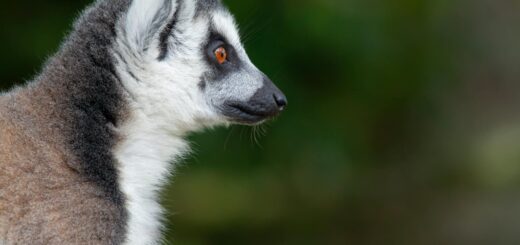
No. Lemurs are not aggressive toward humans, especially at habituated park sites like Andasibe, Anja and Berenty. Even in wild contexts, lemurs avoid human contact. Do not feed lemurs (it disrupts behavior and can transmit disease), do not approach too closely, and follow your park guide’s distance protocols.
What about the fossa — Madagascar’s largest predator?
Fossa avoid humans completely. They are crepuscular cat-relatives that hunt lemurs in dense forest. Fossa encounters in tourist contexts are extremely rare even at Kirindy (the best fossa-viewing park). When seen, they exhibit no aggressive behavior toward humans. The risk profile is closer to bobcat than to lion.
Is malaria really the biggest wildlife-related risk?
Yes by a significant margin. Across modern records, mosquito-borne disease (malaria primarily, plus chikungunya and dengue) causes orders of magnitude more medical events in Madagascar tourists than all other wildlife interactions combined. Standard malaria prophylaxis plus DEET protocol handles 95%+ of the risk.
Madagascar’s actual wildlife risk profile is remarkably low for a tropical destination. No venomous snakes, no large predators that target humans, no dangerous lemur encounters. The realistic risks are small-scale (scorpions, marine stingers, occasional spiders) and the genuine danger is mosquito-borne disease, which is managed through prophylaxis and repellent protocol. Most Madagascar travel risks are logistics, food and infection — not wildlife. Before departure, Check SafetyWing’s plans at the 500,000 USD medical evacuation tier — the cover that handles severe malaria response is the most important wildlife-adjacent protection you can buy.
Travel Insurance for Madagascar
Medical evacuation from Madagascar costs $30,000–$80,000. Don’t travel without cover.
- SafetyWing — monthly-subscription travel medical cover; you can check their plans.
- World Nomads — single-trip travel insurance with adventure-activity options.
Plan Your Trip to Madagascar
- Read the full Madagascar Travel Guide
- Explore itineraries by style and duration
- Explore the full destination guide
Where to Stay