5-Day Diego Suarez Itinerary: Beaches, Parks and Bay Guide 2026
This post contains affiliate links. We may earn a small commission at no extra cost to you.
Essential Travel Gear for Your Madagascar Trip
Madagascar’s Power Cuts Will Kill Your Phone — Here’s 4 Full Charges of Insurance
Délestage — Madagascar’s rolling blackouts — can last 8 to 14 hours a day. Your navigation app, offline maps, and boarding pass for tomorrow’s Tsaradia flight will all be dead. The Anker PowerCore 20,000mAh gives 4 full phone charges with fast USB-C delivery. Charge it during the hotel’s morning power window and you’re covered all day.
Check current price and availability on Amazon →
Madagascar Uses European Plugs Only — Your North American Charger Won’t Work Without This
Madagascar runs on Type C and E/F European plugs, 220V. North American plugs don’t fit. The TESSAN European adapter accepts North American plugs and adds 2 USB ports, so you can charge your phone and power bank simultaneously from a single outlet. Compact, grounded — one of those items that’s obvious in hindsight and impossible to find when you need it.
Check current price and availability on Amazon →
One Adapter for Every Country on Your Madagascar Journey — Including Stopovers in Paris or Réunion
Many travellers reach Madagascar via Paris CDG or Réunion — and face a different outlet at each stop. The GaN Universal Adapter covers all outlet types worldwide with USB-C PD fast charging — one device, 4 ports, every country. GaN technology runs cooler and charges faster than standard adapters.
Check current price and availability on Amazon →
Tsaradia Domestic Flights Have a 15kg Bag Limit — And They Enforce It at the Gate
Getting between Madagascar’s national parks requires domestic flights on Tsaradia — and the 15kg checked baggage limit is strictly enforced at even remote airstrips. The Etekcity Digital Luggage Scale gives an accurate reading in 2 seconds, handles up to 50kg, and fits in any pocket. Weigh your bag the night before every domestic flight. Under $15, sold directly by Amazon.
Check current price and availability on Amazon →
Stop Losing Cables and Adapters in Your Bag Across Madagascar’s 10-Stop Itinerary
A multi-park Madagascar itinerary means packing and unpacking 10 to 15 times. USB-C cables, adapters, SD cards, earphones — every one ends up tangled at the bottom of your bag and easy to leave at a remote guesthouse. The BAGSMART Tech Organizer gives every cable and adapter its own slot. Open flat, find what you need in 5 seconds.
Check current price and availability on Amazon →
At a Glance
- Best time: May–October — dry season with consistent wind for kite surfing; avoid December–March (heavy rains)
- Getting there: Air Madagascar/Tsaradia direct from Tana, 2 hours — always fly, the road takes 2–3 days
- Where to stay: Compare Diego Suarez hotels on Agoda — La Terrasse and Residence l’Archipel are well-reviewed
- Highlights: Montagne des Français, Ramena Beach, Ankarana NP, Three Bays viewpoint, kite surfing
- Day trip range: Ankarana NP is 1h 30min from Diego — easily combined
- Car hire: Compare 4×4 rates via Carla for park access flexibility
- SafetyWing — monthly-subscription travel medical cover; you can check their plans.
- World Nomads — single-trip travel insurance with adventure-activity options.
Diego Suarez (officially Antsiranana) sits on the largest natural harbour in the world by surface area — a bay so sheltered that the French navy used it as a principal Indian Ocean base for over a century. Five days reveals the full spectrum: tsingy limestone karst, wreck diving, white sand beaches, and one of Madagascar’s most spectacular national parks within a short drive.
Plan your Madagascar trip:
Day 1–2: The Bay, Colonial Town and Montagne des Français
Arrive at Arrachart Airport and transfer to your hotel in central Diego Suarez (taxi: 10,000–15,000 MGA). Spend the first afternoon walking the colonial waterfront — the architecture mixes French military buildings, Indian merchant houses, and Malagasy vernacular. The Three Bays viewpoint (Trois Baies) on the Cap Miné headland requires a 15-minute drive or 45-minute walk uphill from the town centre. The panorama from the viewpoint shows Diego Bay, Orangea Bay, and Sakalava Bay simultaneously — one of the most photographed landscapes in northern Madagascar. Day 2: Montagne des Français hike. This dramatic limestone massif 10 km north of the city takes 3–4 hours round trip with a guide (guides mandatory, 25,000–35,000 MGA). The mountain holds one of the few remaining populations of Perrier’s sifaka lemur. The summit trail passes through spiny forest, limestone outcrops, and offers panoramic views of the entire Diego bay system. Start by 07:00 to avoid afternoon heat — temperatures peak at 35°C+ in the sun. Bring 2 litres of water minimum. After the hike, the small restaurants along the waterfront near the port serve fresh seafood — grilled crab, calamari, and red snapper are the local specialities, typically 20,000–40,000 MGA per plate. Book accommodation early for July–August peak — check Agoda Diego Suarez for availability.
Day 3: Ankarana National Park Day Trip
Ankarana National Park is the standout day trip from Diego Suarez — 108 km south on a road that takes 1h30–2h in a 4×4. The park protects the most extensive tsingy (needle limestone karst) formations in Madagascar outside of Bemaraha, plus an extensive cave system inhabited by Nile crocodiles and 11 lemur species. How to visit: Book a full-day guided tour through a Diego Suarez operator (price range: $50–90 per person including guide, park fees, and transport). Self-drive is possible with a 4×4 and a mandatory local ANGAP guide hired at the park gate. Entry fee: 25,000 MGA for foreigners. Circuit options: The 3-hour Grand Tsingy circuit covers the most dramatic formations. The Lac Vert circuit (4 hours) adds the emerald crocodile lake. Both can be combined in a full day with a packed lunch. The Cathedral cave (Cathédrale) is a 40-minute underground walk — headtorch essential. Wildlife expectations: Crowned lemurs and Sanford’s brown lemurs are commonly seen along the main circuits. Leaf-tailed geckos and chameleons are abundant on the tsingy walls. The fossa is occasionally spotted near the cave circuit at dawn. Return to Diego by 17:00 for dinner. Compare 4×4 rentals for self-drive via Carla. Full diving context from Diego: Diego Suarez dive guide.
Read also:
Book activities in Madagascar:
Day 4: Ramena Beach and Emerald Sea
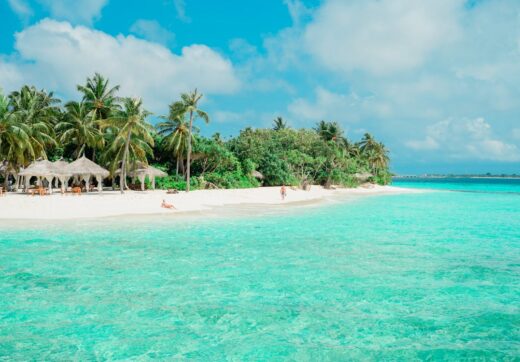
Ramena is the nearest beach to Diego Suarez — 18 km east on a road that takes 30–40 minutes. The beach is a 3 km white-sand stretch facing the mouth of Diego Bay, with calm turquoise water that earns the local name La Mer d’Émeraude (Emerald Sea). How to get there: Shared taxi from Diego centre: 3,000–5,000 MGA. Private taxi: 20,000–30,000 MGA return. The beach has a growing cluster of local restaurants and two small guesthouses for those wanting an overnight stay. Kite surfing conditions at Ramena are exceptional from June to September — the trade winds produce consistent 15–25 knot winds that have made the bay internationally known in the kite community. Lessons are available from operators on the beach (half-day lesson from $60). Snorkelling: The north end of Ramena beach (near the passage called Passe de l’Ouest) has coral formations at 2–5 m depth accessible without a boat. Visibility 10–20 m in dry season. Add-on: Nosy Hara Marine Reserve. From Ramena, boat trips to Nosy Hara Archipelago are available (day trip $60–90 per person including boat, guide, and snorkel gear). Nosy Hara protects one of the last populations of Brookesia stumpffi chameleons and has excellent coral at 5–15 m. Check dive sites and conditions in our Madagascar diving guide.
Day 5: Orangea Peninsula and Departure
The fifth morning is best spent at the Orangea Peninsula and Fort Caimans — a former French military fortification on the north side of Diego Bay accessible by boat or a 4×4 drive through the Orangea forest. The route passes through dense dry deciduous forest where brown lemurs and sportive lemurs are common. Fort Caimans itself offers bay views and the weathered remains of 19th-century colonial military infrastructure. Alternative half-day (easier logistics): The Boulevard de la Mer walk along Diego’s waterfront is a pleasant final morning activity — the stretch from Place Kabary to the old port passes market vendors, freshly landed fish, and several café terrace spots worth a coffee stop. Departure logistics from Arrachart Airport: The airport is 5 km from the city centre. Allow 45 minutes for the taxi transfer and domestic terminal check-in. Tsaradia and Air Madagascar flights to Tana typically depart at 06:30–08:00 or 13:00–15:00 depending on the day of the week — check schedules carefully when booking as days-of-week coverage varies. Domestic flights from Diego to Nosy Be are available via Ambanja on some schedules — useful if Nosy Be is your next stop. Review transport connections and booking order in our city-to-city travel time guide.
Ready to book your Madagascar trip?
Frequently Asked Questions
How do I get to Diego Suarez from Antananarivo?
Always fly — Air Madagascar and Tsaradia operate direct flights from Tana to Arrachart Airport in 2 hours. The road alternative takes 2–3 days and involves some of Madagascar’s roughest northern routes. Book 3–4 weeks ahead for July–September travel.
Is Ankarana National Park worth a day trip from Diego Suarez?
Absolutely. Ankarana is 1h30–2h from Diego and contains the best accessible tsingy formations and cave systems in northern Madagascar. A full-day guided tour from Diego is the standard approach and costs $50–90 including transport, guide, and entry.
What is the best beach near Diego Suarez?
Ramena Beach, 18 km from the city centre, is the closest and most popular. For more secluded options, boat trips to Nosy Hara Archipelago (1–2 hours from Ramena) offer pristine coral and near-empty beaches.
Diego Suarez rewards travellers who look beyond the beach — the combination of Ankarana’s geology, the bay’s maritime heritage, and Ramena’s kite-surf conditions makes it one of the most varied five-day destinations in Madagascar. Activate SafetyWing before departure — diving and hiking activities in remote park areas are covered. Compare 4×4 rates for Ankarana access on Carla before arriving.
Start planning your Madagascar adventure today
Browse Madagascar experiences on GetYourGuide
Affiliate link – commission earned at no extra cost to you.
Flight delayed or cancelled? Flights to Madagascar often connect through Paris or Nairobi. EU regulation EC 261 may entitle you to up to €600 in compensation. Check your claim free on AirAdvisor →
Plan Your Trip to Madagascar
- Read the full Madagascar Travel Guide
- Explore itineraries by style and duration
- Best Tours and Guided Experiences
Where to Stay