7 Best Hiking Trails in Madagascar: Difficulty, Distance and Rewards 2026
This post contains affiliate links. We may earn a small commission at no extra cost to you.
At a Glance
- Where to stay: Check hotel availability on Agoda — Madagascar
- Book tours: Browse Madagascar tours on GetYourGuide
Madagascar rewards hikers with a diversity of terrain unmatched in the Indian Ocean — from the limestone pinnacles of Tsingy de Bemaraha to the high-altitude ridgelines of Andringitra and the misty rainforest paths of Ranomafana. This guide covers the seven best trails by difficulty, distance, and what you will experience at the end of each route.
Essential Trekking Gear for Madagascar
Tsingy, Marojejy, Andringitra — Madagascar’s Hardest Treks Demand Proper Poles
The Tsingy needle-field requires scrambling over razor-sharp limestone. Marojejy’s Camp 3 gains 1,700 metres on muddy, root-tangled trail. Andringitra’s Pic Boby is a 4-hour vertical slog. Cascade Mountain Tech Carbon Fiber Poles are ultralight (under 500g per pair), quick-lock adjustable, sold directly by Amazon at a fraction of the cost of Black Diamond or Leki equivalents.
Check current price and availability on Amazon →
The Lightest Safe Water System on the Market — Built for Madagascar’s Remote Trek Circuits
Carrying a Grayl GeoPress on a 7-day wilderness circuit adds nearly 500 grams to your pack — every gram matters at 1,700 metres of elevation. But streams in Madagascar’s national parks are not safe to drink untreated. The Sawyer SP129 Squeeze weighs just 85 grams and filters 100,000 gallons down to 0.1 microns — removing 99.99999% of bacteria and protozoa. Sold directly by Amazon.
Check current price and availability on Amazon →
The Invisible Barrier That Keeps Malaria Mosquitoes Off Your Clothes
Your repellent only protects exposed skin — but in Madagascar’s humid evenings, mosquitoes bite through thin fabric. Sawyer Permethrin bonds to fabric fibres and kills mosquitoes on contact for up to 6 weeks and 6 washes. Treat your shirts, pants, socks, and tent before you fly — by the time you land in Antananarivo, the protection is already active.
Check current price and availability on Amazon →
Madagascar’s Rainforest Trails Are Infested With Leeches — These Keep Them Out of Your Boots
Andasibe-Mantadia, Ranomafana, Marojejy — Madagascar’s rainforest trails are where leeches thrive. They drop from leaves, emerge from wet soil, and find the gap between your sock and boot in minutes. You don’t feel them until you look down and see blood. Pike Trail Adjustable Leg Gaiters seal that gap physically, blocking leeches, mud, and water. Lightweight, waterproof, 3,600+ Amazon reviews.
Check current price and availability on Amazon →
Madagascar Goes Completely Dark After Sunset — Don’t Navigate It Blind
Outside of Antananarivo’s main streets, Madagascar has virtually no street lighting. Wildlife walks in Ankarana, night lemur spotting in Ranomafana, the path to your bungalow — all navigated in total darkness. The Black Diamond Spot 400-R delivers 400 lumens with a 100-metre beam, USB-C rechargeable, IPX8 waterproof, with red night-vision mode for wildlife observation without disturbing animals.
Check current price and availability on Amazon →
No Grid, No Problem — Charge Your Devices From the Sun in Madagascar’s Remote Parks
Marojejy. Andringitra. Tsingy de Bemaraha. Madagascar’s most spectacular parks are its most isolated — no power outlets, no phone signal. A 3-day wilderness circuit means running on whatever charge you left camp with. The BLAVOR Solar Power Bank pairs 10,000mAh with a fold-out solar panel that recharges itself from sunlight as you trek.
Check current price and availability on Amazon →
Plan your Madagascar trip:
Tsingy de Bemaraha — Limestone Circuit (Moderate, 4–6 km)
Tsingy de Bemaraha National Park in western Madagascar contains the world’s largest tsingy formation — razor-sharp limestone needles rising 15–25 metres from the plateau floor. The classic circuit follows via ferrata-style metal ladders and suspension bridges through the Grand Tsingy, covering 4–6 kilometres in 4–5 hours. The terrain is genuinely demanding — harnesses are required and provided by licensed guides. Sifaka lemurs and dozens of endemic bird species are regular sightings throughout. The reserve is accessible from Morondava by 4×4 (approximately 3 hours) and the park entrance fee is 45,000 Ariary per person. The best season is May to November, before the wet season makes tracks impassable. This trail is unsuitable for anyone with vertigo or significant mobility limitations.
Andringitra — Pic Boby Summit Trail (Strenuous, 20–25 km)
Pic Boby at 2,658 metres is Madagascar’s second-highest peak and offers one of the most rewarding multi-day hikes on the island. The summit trail from the Andringitra research station camp covers 20–25 kilometres return and typically takes two days. The route passes through montane grassland, endemic heather scrub, and exposed granite ridgelines with panoramic views south to Fort Dauphin and north to the Fianarantsoa highlands. A mandatory guide costs approximately 50,000–70,000 Ariary per day. Camp at Plateau Ivolobe (2,000 metres) on the first night. Temperatures drop to near freezing after sunset — bring a warm sleeping bag. The park entrance fee is 35,000 Ariary and accommodation at the research station costs around $10 per person per night.
Read also:
Save money on your Madagascar trip:
Ranomafana National Park — Talatakely Loop (Easy–Moderate, 3–8 km)
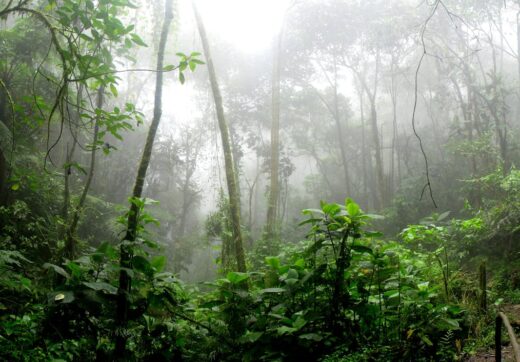
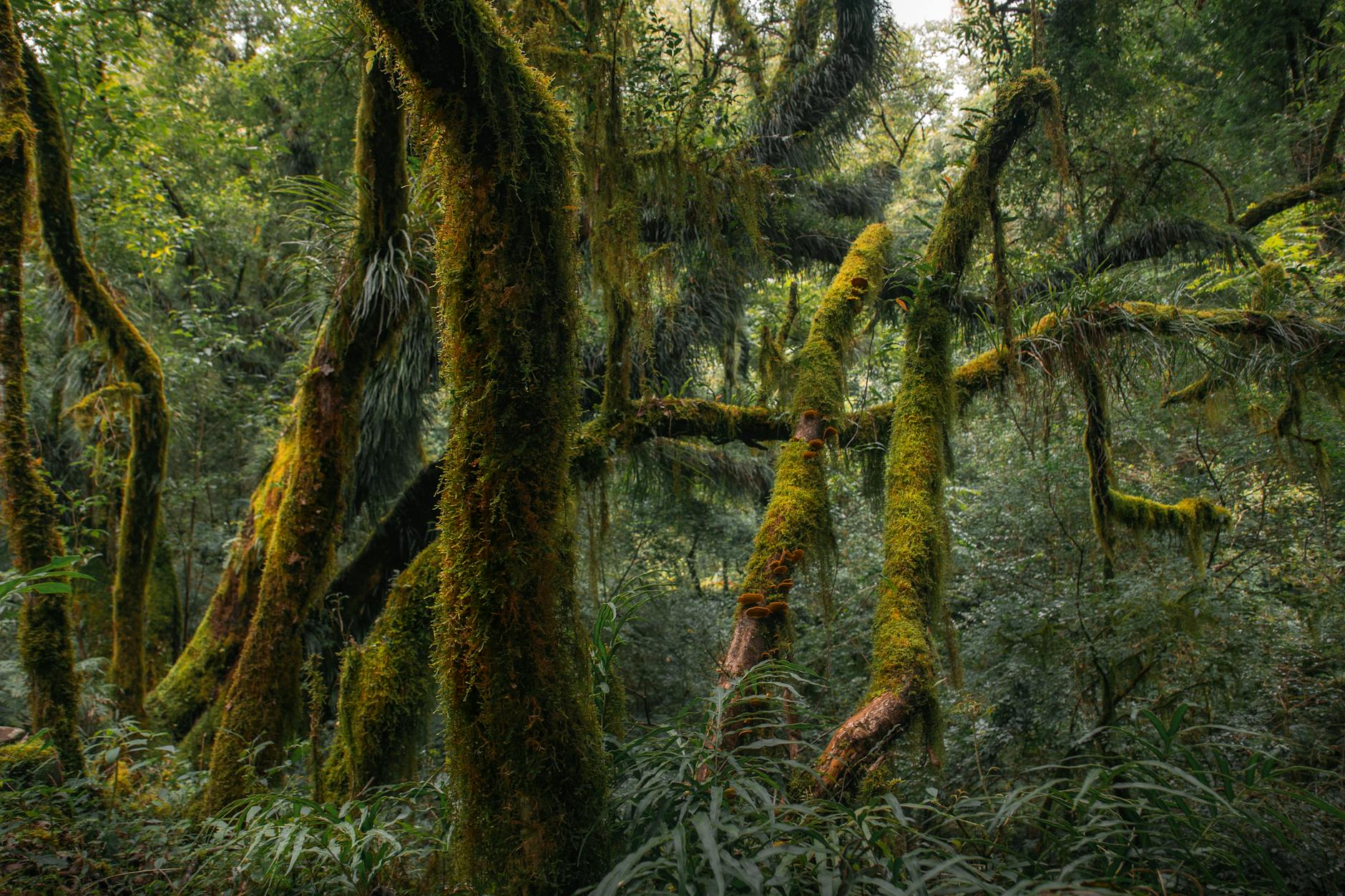
Ranomafana National Park offers several loop trails through primary and secondary rainforest, with the Talatakely circuit being the most accessible for day visitors. The short loop covers 3 kilometres in around 2 hours, while the extended full-day trail reaches 8 kilometres deeper into undisturbed forest. Golden bamboo lemurs, red-fronted brown lemurs, and over 115 bird species including the velvet asity live here. Mandatory guide fees start at 25,000 Ariary for short trails and 45,000 for long trails. Trail conditions are wet year-round — waterproof boots and gaiters are strongly recommended. The park entrance is at Ranomafana village and fees are 40,000 Ariary per person. The best wildlife viewing is during early morning walks starting at sunrise between 6:00 and 7:00am.
Isalo — Canyon des Makis and Piscine Naturelle (Easy, 6–8 km)
Isalo National Park in southern Madagascar offers exceptional sandstone canyon hiking with minimal altitude gain. The most popular trail runs through Canyon des Makis to the Piscine Naturelle — a crystal-clear natural pool fed by a small waterfall — covering 6–8 kilometres on a well-maintained path. Ring-tailed lemurs frequently appear along the trail edge. A full-day extension continues to the Piscine Bleue for 12–15 kilometres total. The terrain is dry and hot — carry at least 2 litres of water per person. Guide fees are approximately 30,000–50,000 Ariary per day. Park entrance is 40,000 Ariary. The best season is April to October, as the park becomes extremely hot and occasionally flooded in the wet season. Most visitors base at the adjacent town of Ranohira.
Ready to book your Madagascar trip?
Frequently Asked Questions
Do I need a guide for hiking in Madagascar’s national parks?
Yes, guides are mandatory in all national parks in Madagascar. They are hired at the park entrance and fees range from 25,000 to 70,000 Ariary per day depending on trail difficulty and park.
What is the best time of year for hiking in Madagascar?
The dry season from April to October is best across most parks. Some eastern parks like Ranomafana are hikeable year-round but the dry season offers better trail conditions and wildlife visibility.
Which Madagascar hiking trail is best for beginners?
The Isalo Canyon des Makis to Piscine Naturelle trail is the best introduction — flat terrain, good paths, and regular lemur sightings within 6–8 kilometres of walking.
Madagascar’s hiking trails span every difficulty level, from easy canyon walks in Isalo to the demanding Pic Boby summit in Andringitra. Each park requires a mandatory guide, an entrance fee, and some advance planning — but the rewards are exceptional. Endemic wildlife, extraordinary geology, and the absence of crowds make every trail here a genuinely unique experience.
Plan Your Trip to Madagascar
- Read the full Madagascar Travel Guide
- Explore itineraries by style and duration
- Explore the full destination guide
Where to Stay
Hotels, lodges, and tours fill fast for July–September — compare availability now.