Antananarivo Travel Guide 2026: What to Do, Where to Stay & How to Use Madagascar’s Capital
Affiliate disclosure: This article contains sponsored links to hotels, tour operators, insurance providers, and other travel services. We earn a small commission if you book through our links, at no extra cost to you.
Antananarivo Travel Guide 2026 — At a Glance
- What it is: Madagascar’s capital and only major international gateway — a dramatic hill city of 1.5 million+ where almost every trip begins and ends
- How long to stay: a full day on arrival plus a departure buffer; two days to see it properly
- Don’t miss: the Rova (Queen’s Palace), the historic Haute-Ville (upper town), Analakely market, and the UNESCO royal hill of Ambohimanga
- Getting in: Ivato International Airport, 30–60 min from the centre depending on traffic
- Best time: Apr–Oct (cool, dry); pack warm layers — Tana sits at ~1,280m and evenings are cool
- Book day trips: Antananarivo tours & excursions on GetYourGuide
- Where to stay: Antananarivo hotels on Agoda
- Getting around: Compare car + driver hire on Carla
- Travel insurance: SafetyWing Nomad Insurance — essential for Madagascar travel
🎒 Madagascar Trip Essentials
A few inexpensive items make the biggest difference on the ground in Madagascar:
- Picaridin insect repellent — DEET-free protection against malaria mosquitoes. See on Amazon →
- Permethrin clothing spray — treat clothes; kills mosquitoes on contact for weeks. See on Amazon →
- Pop-up mosquito net — budget lodges rarely provide one; packs down tiny. See on Amazon →
- Water filter bottle — tap water isn’t safe to drink in Madagascar. See on Amazon →
- Universal travel adapter (USB-C) — Madagascar uses European-style plugs. See on Amazon →
- 8×42 binoculars — essential for spotting lemurs and chameleons in the canopy. See on Amazon →
As an Amazon Associate we earn from qualifying purchases.
Antananarivo — Tana to almost everyone — is where your Madagascar journey begins and ends. As the country’s capital and only major international gateway, it’s a city every visitor passes through, usually more than once, yet one that surprisingly few take the time to explore. That’s a missed opportunity: Tana is a dramatic, atmospheric city sprawling across a dozen steep hills, layered with royal palaces, colonial architecture, bustling markets, and a setting more spectacular than first-time visitors expect. This guide covers everything you need — what to see, where to stay, how to get around, how long to stay, and how to use the capital as the hub it naturally is. For the wider region, see our Central Highlands of Madagascar guide.
Whether you have a single day before flying onward to the coast or the wildlife parks, or you’re building Tana into a longer highland journey, treating the capital well makes the rest of your trip run more smoothly. It’s where you’ll arrange your car and driver-guide, handle money and supplies, eat some of the best food in the country, and get your first taste of Malagasy life and history. Far from being merely an obstacle between the airport and the “real” Madagascar, Tana is a rewarding destination in its own right — if you give it the chance.
First Impressions — A City on the Hills
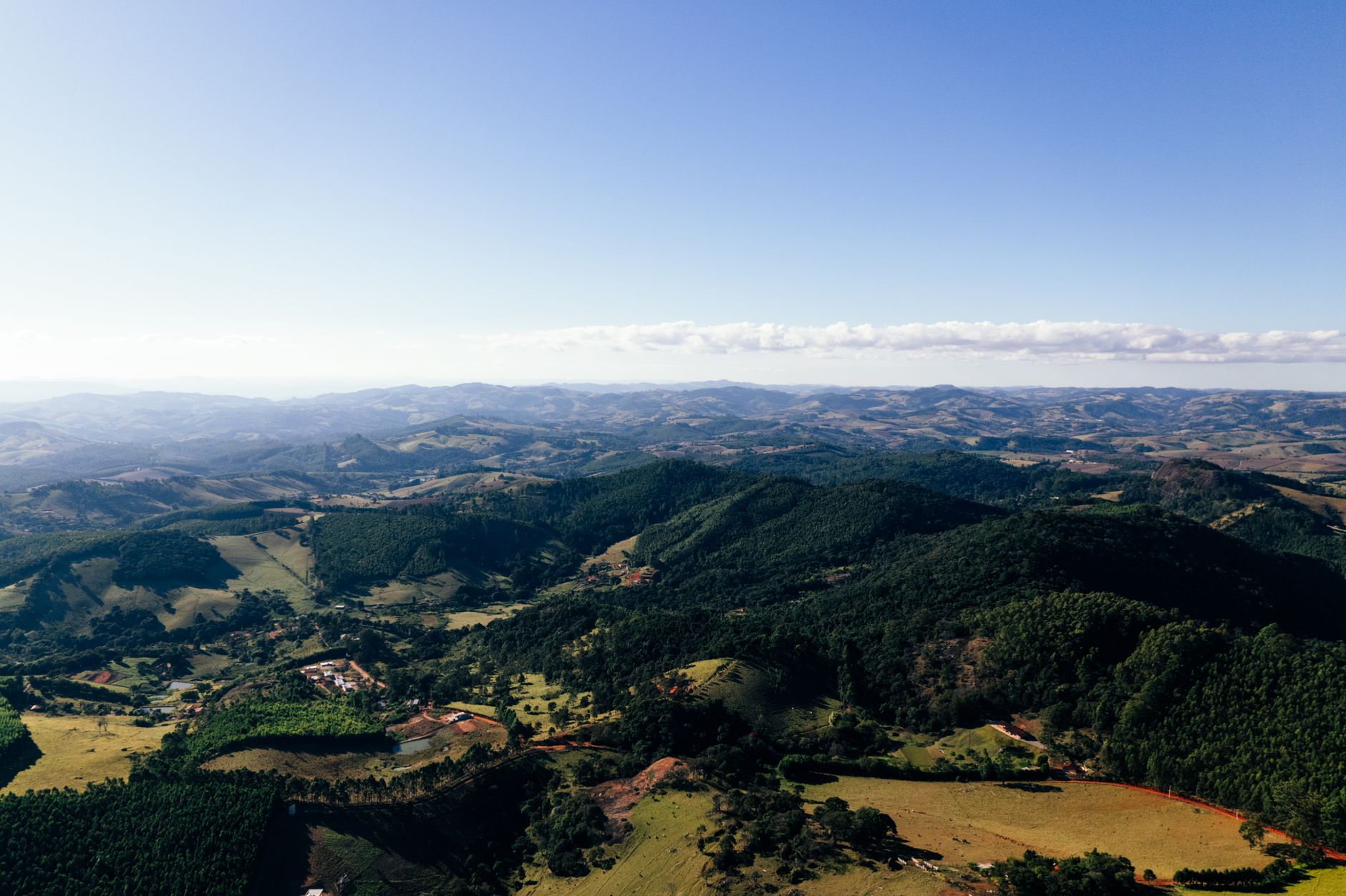
Tana’s setting is its defining feature. The city climbs across and around a series of hills at about 1,280 metres, crowned by the Rova (royal palace) on the highest point, with the historic upper town (Haute-Ville) clinging to the slopes below and the commercial lower town spreading into the valley. The result is a city of staircases, viewpoints, cobbled lanes, and steep streets, where the dense, sometimes chaotic energy of a fast-growing African capital meets the faded elegance of Merina royal architecture and the French colonial era.
It can be an intense first encounter — the traffic is heavy, the pavements crowded, the poverty visible — but it’s also vibrant, friendly, and full of character, and a day or two reveals a city of real depth and charm. The cool highland climate (Tana is far from tropical) and the Franco-Malagasy culture give it an atmosphere unlike anywhere else you’ll go in Madagascar. Approach it with curiosity rather than as a place to escape, and Tana repays you generously.
A Short History of Antananarivo
Understanding a little of Tana’s history transforms a visit, because the city is layered with it. The capital was founded around 1610 by the Merina king Andrianjaka, who established a fortified royal village on the highest hill — the site of today’s Rova. The city’s name, “Antananarivo,” means “the city of the thousand,” traditionally linked to the thousand warriors said to have garrisoned the hill. Over the following two centuries the Merina kingdom grew, and under Andrianampoinimerina and his son Radama I in the late 18th and early 19th centuries, Antananarivo became the capital of a state that unified most of the island — a rare achievement in the region before the colonial era.
The 19th-century royal court, the arrival of European missionaries who built the churches and schools still standing in the upper town, and finally the French conquest of 1895 that made Tana the colonial capital all left their mark on the cityscape. The result is the layered city you see today: Merina royal sites and brick architecture, mission-era churches, and the wide avenues and faded grandeur of the French period, all draped across the hills. The “twelve sacred hills” of Imerina around the capital, including Ambohimanga, remain important cultural sites. A good guide can read these layers for you, turning a walk through Tana into a walk through Madagascar’s history.
Getting In — Ivato Airport and Arrival
Ivato International Airport, about 15km north of the centre, is the arrival point for nearly all international visitors, with connections via Paris, Nairobi, Addis Ababa, and the neighbouring Indian Ocean islands. The airport has been modernised in recent years and arrival is generally straightforward, with visas on arrival available for most nationalities. From Ivato, it’s a 30 to 60 minute drive into the city depending on Tana’s notoriously unpredictable traffic — arrange your transfer in advance through your hotel or tour operator rather than negotiating on arrival, especially after a long overnight flight.
Because flights to Madagascar are long and almost always involve a connection, delays and missed connections are common — and worth knowing your rights about.
Flight delayed or cancelled? Flights to Antananarivo usually connect through Paris, Nairobi, or Addis Ababa. If your connection was delayed or cancelled, EU regulation EC 261 may entitle you to up to €600 per passenger. Check your claim free on AirAdvisor.
A practical arrival tip: if you land late at night or have an early onward flight, consider a hotel near Ivato for that night to avoid a stressful cross-city drive in the dark. For the days you actually explore Tana, though, base yourself in the upper town for the atmosphere and proximity to the sights — many travellers split their capital time exactly this way.
Understanding Tana’s Layout
Getting your bearings in Antananarivo helps enormously, because the city’s hilly geography can be disorienting at first. Broadly, Tana divides into three zones. The Haute-Ville (upper town) crowns the central hills around the Rova — this is the historic, atmospheric heart, with the royal sites, old churches, boutique hotels, and the best views. Below it, the Basse-Ville (lower town) spreads into the valley around Analakely and Independence Avenue — the commercial and market district, busier and more chaotic. And ringing the centre are the residential and outer districts, including the route out to Ivato airport, where many of the airport hotels and the La Digue craft market sit.
The two key reference points are the Rova on its hilltop (visible from much of the city) and Independence Avenue in the lower town. The famous staircases connect the upper and lower town directly, a steep but characterful walk. Distances look small on a map but the hills, one-way systems, and traffic make crossing the city slower than expected — another reason a driver who knows Tana is worth having. Once you grasp this upper/lower/outer structure, navigating and planning your days becomes much easier, and the city feels far less bewildering.
Top Things to Do in Antananarivo
The Rova (Queen’s Palace)
Crowning the highest hill in the city, the Rova of Antananarivo — the royal palace compound, also called the Queen’s Palace or Manjakamiadana — is Tana’s most important historic site and the symbolic heart of the former Merina kingdom. Badly damaged by fire in 1995 and since restored, the hilltop complex offers both a powerful sense of Madagascar’s royal history and sweeping panoramic views across the city and surrounding hills. It’s the single best place to grasp both Tana’s history and its dramatic geography, and the obvious first stop for any visitor.
The Haute-Ville (Upper Town)
The historic upper town spreading below the Rova is the most atmospheric part of Tana — a warren of steep cobbled lanes, staircases, brick houses with carved wooden balconies, old churches, and viewpoints. Nearby stands the Andafiavaratra Palace, the former prime minister’s residence, now a museum housing royal artefacts rescued from the Rova fire. Wandering the upper town on foot, ideally with a guide who can bring its history alive, is the essence of a Tana visit — and the cool highland air makes walking a pleasure.
Analakely and the Lower Town
Down in the valley, the Analakely district is the commercial and market heart of the city, centred on the long Avenue de l’Indépendance and the covered market halls. The steps and stairways climbing between the lower and upper town are a Tana institution, lined with vendors and offering constant glimpses of city life. The markets are the best place to feel the pulse of the capital and to shop for Malagasy crafts, vanilla, and spices — though keep valuables discreet in the crowds.
Lake Anosy and Tsimbazaza
The heart-shaped Lake Anosy, with its black angel war memorial on a causeway, is a green breathing space in the city centre, ringed by jacaranda trees that bloom purple in spring. Nearby, the Tsimbazaza Zoo and Botanical Garden offers a useful introduction to Malagasy wildlife — lemurs, reptiles, and endemic plants — and a primer on what awaits in the parks. For travellers with limited time who can’t reach the rainforests, it’s a worthwhile, if modest, first wildlife encounter close to the centre.
Independence Avenue and Andohalo
The grand Avenue de l’Indépendance, running through the lower town from the handsome former Soarano railway station, is the ceremonial heart of modern Tana — a wide boulevard lined with arcaded colonial buildings, market stalls, and the constant flow of city life. It’s the best place to feel the rhythm of the capital and a focal point for national celebrations. Up in the historic upper town, the Andohalo square and cathedral — historically the site of royal proclamations — and the surrounding lanes reward unhurried wandering, with viewpoints opening unexpectedly between the old brick houses.
These streets, more than any single monument, are where Tana’s character lives: the mix of faded grandeur and everyday bustle, the highland light, the glimpses of distant rice paddies between the hills. Allowing time simply to walk — ideally with a guide who can point out the history layered into the buildings — is as rewarding as ticking off the headline sights, and it’s free. For many visitors, these unhurried walks become the most memorable part of their time in the capital.
Day Trips from Antananarivo
If you have an extra day, several excellent excursions sit within easy reach of the capital and make a satisfying addition to a Tana stay:
- Ambohimanga — the UNESCO-listed royal hill about an hour from the city, the spiritual home of the Merina monarchy and one of the most atmospheric and sacred sites in the highlands. An essential half-day or day trip.
- Lemurs’ Park — a private reserve west of Tana where several lemur species roam in a botanical garden setting. The most reliable easy lemur encounter near the capital, ideal for those who can’t reach the wild parks.
- Croc Farm — a crocodile farm and small wildlife park near the airport, an easy add-on, especially handy on a departure day.
- Andasibe — for those with two or three days, the rainforest of Andasibe on the RN2 is the closest place to Tana to see wild lemurs and hear the indri. See our Andasibe-Mantadia guide.
Browse Antananarivo day trips and tours on GetYourGuide to combine these into your stay. For a deeper look at the capital’s culture and history specifically, see our Antananarivo & highlands cultural guide.
Where to Stay in Antananarivo
Tana offers Madagascar’s widest range of accommodation, broadly in three areas. The Haute-Ville (upper town) has the most atmospheric options — characterful boutique hotels in restored historic buildings, with views over the city and walking access to the main sights. This is where to stay if you want to experience the city. The city centre and Isoraka district offer a mix of mid-range and business hotels, central and convenient, with good restaurants nearby. And near Ivato airport, a cluster of hotels serves travellers with late arrivals or early departures, saving a stressful traffic-bound transfer.
Compare Antananarivo hotels on Agoda — and because Tana fills up in peak season (July–September) and around major international flights, book your arrival and departure nights well ahead. Many travellers use the airport area for the first and last nights and the upper town for the days they explore, getting the best of both. Whatever you choose, a comfortable, well-located base makes the capital far more enjoyable.
Where to Eat
One of Tana’s genuine pleasures is its food. The Franco-Malagasy heritage means the capital has the best and most varied dining in the country, from excellent French-influenced restaurants and patisseries to places serving Malagasy classics like romazava (beef and greens broth) and ravitoto (pork with cassava leaves), always with rice. The upper town and Isoraka in particular have a good concentration of restaurants. After days of simpler fare in the regions, many travellers look forward to a return to Tana precisely for a good meal — and a glass of Malagasy wine or the local Three Horses Beer.
Shopping and Crafts
Antananarivo is the best place in Madagascar to shop for crafts and souvenirs, because the highlands are the country’s artisan heartland and the capital gathers their output. The large Marché Artisanal de la Digue, near the airport road, is the city’s main craft market — rows of stalls selling carved woodwork and marquetry from Ambositra, embroidered tablecloths, raffia and leather goods, semi-precious stones, vanilla, spices, and the brightly coloured recycled-tin models that are a Malagasy speciality. It’s the most convenient single place to buy gifts, and an easy stop on a departure day given its proximity to Ivato.
In the city centre, the markets and shops around Analakely and Independence Avenue offer everything from everyday goods to vanilla and spices, while a handful of more curated boutiques in the upper town and Isoraka sell quality crafts and Malagasy design. Wherever you shop, gentle bargaining is expected in the markets, and buying directly supports the highland artisans. Vanilla — Madagascar produces much of the world’s supply — is a classic, lightweight, high-value souvenir; buy whole pods from a reputable seller for the best quality.
A Suggested Antananarivo Itinerary
One day: Start at the Rova for the royal history and panoramic views, then explore the Haute-Ville on foot — the cobbled lanes, Andafiavaratra Palace, and viewpoints — before descending to Analakely and the markets in the afternoon. Finish with a good dinner in the upper town. This compact day captures Tana’s history, atmosphere, and energy.
Two days: Spend day one as above, then on day two take a half-day trip to Ambohimanga, the UNESCO royal hill, returning for an afternoon at Lemurs’ Park or the La Digue craft market depending on your interests. This relaxed pace lets you see both the city and its essential surroundings without rushing — the ideal allocation if you can spare it before heading to the regions. Browse guided Antananarivo tours on GetYourGuide to build a day with a knowledgeable local guide.
Getting Around the City
Tana is best explored on foot in the upper town, where the historic sights cluster and walking is a pleasure in the cool air — though be ready for steep climbs and staircases. For longer distances and to cope with the heavy traffic, a car with a driver is the comfortable choice, and most visitors arrange this as part of their wider trip. Compare car-and-driver hire on Carla — having a driver who knows the city’s traffic and one-way systems saves time and stress. Metered taxis exist but agree fares in advance; the older Renault and Citroën taxis are a charming, if slow, way to get about.
A driver-guide is especially valuable in Tana because the traffic is genuinely challenging, the city layout confusing, and a good guide doubles as interpreter and cultural bridge — bringing the royal history and city life alive in a way that solo wandering can’t. For most visitors, the capital is best experienced with local guidance, at least for the main sights. Ride-hailing apps operate in Tana and can be a convenient, fixed-price alternative for short hops when you’re not on a guided day, though coverage and reliability vary — for anything time-sensitive, especially an airport run, a pre-arranged driver remains the safest bet.
How Long to Stay and Using Tana as a Hub
How much time should you give the capital? At minimum, build in a full day on arrival — both to recover from the long flight and to see the Rova and upper town — plus a buffer night before your departure flight, since Tana traffic and the need to be at Ivato in good time can otherwise eat into your last day. Two days lets you add Ambohimanga and a day trip at a relaxed pace. Beyond that, Tana is the launch pad rather than the destination, and you’ll head out to the regions.
The key insight is that Tana is the hub from which all of Madagascar unfolds — the RN7 south, the RN2 east to Andasibe, flights north to Nosy Be, west to the baobabs. A well-sequenced trip uses the capital deliberately: arrive, recover, explore; head out; and return for a final night before flying home. Building a little buffer around Tana protects your whole itinerary against the delays that long-haul, connection-dependent travel inevitably brings. See how the capital anchors our one-week Madagascar route.
Safety and Practical Tips
Stay aware in crowds. Like any large city, Tana has petty theft, especially in the markets and crowded areas of the lower town. Keep valuables discreet, use hotel safes, don’t flash phones or cameras, and take normal city precautions. The upper town and main sights are generally fine by day; take more care after dark and use a taxi or driver at night.
Handle money here. Tana has the country’s best ATMs and money-changing facilities — withdraw or change what you’ll need before heading into regions where banking thins out. Carry cash for markets and smaller purchases.
French helps a lot. French is widely spoken in the capital, more than English. A few phrases, or a French-speaking guide, smooth things considerably; a greeting in Malagasy is always warmly received.
Pack for cool weather. At ~1,280m, Tana’s evenings are cool year-round and winter nights (June–August) can be cold. Bring warm layers even if you’re heading to the tropical coast afterwards.
Allow time for traffic. Tana’s traffic is heavy and unpredictable — always allow generous time for airport transfers and city crossings, particularly around an international flight.
When to Visit
Tana follows the highland climate: the dry season (April to October) is the most comfortable time, with clear, pleasant days, though nights are cool to cold. This is also the main travel season and aligns with the best window for the rest of a Madagascar trip. The wet season (November to March) brings warm days but heavy afternoon rains, which can snarl the city’s traffic further. Whenever you come, the highland air means cool evenings — pack accordingly. For the full picture across all regions, see our best time to visit Madagascar guide.
Travel Insurance
Travel insurance is essential for any Madagascar trip, including time in the capital. While Tana has the country’s best medical facilities, serious cases still often require evacuation, which can cost between $30,000 and $80,000 from Madagascar. Your policy should cover medical emergencies and evacuation, trip cancellation and interruption (valuable given the long, connection-dependent flights into Ivato), and your planned activities across the rest of your trip. SafetyWing Nomad Insurance offers flexible, affordable cover well suited to a Madagascar trip. Never travel without it — the cost is small against the value of your trip and your safety.
Carla / Voyagiste Madagascar (plan your Tana stay and onward trip)
Madagascar-resident specialist who can build your capital stay into a wider, well-sequenced trip — the right hotels for arrival and departure, a city tour with a good guide, day trips to Ambohimanga and the lemur parks, and the car-and-driver and connections to every other region all handled. Contact Carla directly for an itinerary that uses Tana efficiently as the hub it is, so the capital enhances your trip rather than eating into it. Getting the Antananarivo logistics right — transfers, buffers, a comfortable base — is exactly where local knowledge makes the biggest difference.
Frequently Asked Questions
Is Antananarivo worth visiting?
Yes. While many travellers rush through, the capital rewards a day or two with its hilltop royal palace, atmospheric upper town, markets, and the nearby UNESCO royal hill of Ambohimanga. As the country’s gateway and hub you’ll pass through anyway, so build in time to explore.
How many days do I need in Antananarivo?
A full day on arrival plus a departure buffer is the minimum; two days lets you add Ambohimanga and a day trip at a relaxed pace. Beyond that, Tana is the launch pad for the regions rather than a destination to linger in.
Is Antananarivo safe?
Generally yes by day at the main sights, but like any large city it has petty theft in crowded areas and markets. Keep valuables discreet, use hotel safes, take more care after dark, and use a taxi or driver at night. Sensible city precautions are enough.
How do I get from Ivato airport to the city?
It’s a 30–60 minute drive depending on traffic. Arrange your transfer in advance through your hotel or operator rather than negotiating on arrival, especially after a long overnight flight. Compare car-and-driver hire on Carla.
What’s the best area to stay in Tana?
The Haute-Ville (upper town) for atmosphere and walking access to the sights; the city centre/Isoraka for convenience and restaurants; near Ivato airport for late arrivals or early departures. Many split their stay between the airport area and the upper town. Compare hotels on Agoda.
Do I need to pack warm clothes for Antananarivo?
Yes — at ~1,280m the evenings are cool year-round and winter nights (June–August) can be cold. Bring warm layers even if the coast is your next stop.
🧭 Plan Your Antananarivo Stay With Carla
The Rova, the atmospheric upper town, Ambohimanga, and the hub that connects all of Madagascar. Reach out to Carla, our Madagascar-resident specialist, for a capital stay and onward itinerary with hotels, a city guide, day trips, and car-and-driver all handled.
Plan Your Trip to Madagascar
- Read the full Madagascar Travel Guide
- Explore itineraries by style and duration
- Best Tours and Guided Experiences
Where to Stay