Hotels with Wildlife Views Madagascar: Stays Where Animals Come to You
This post contains affiliate links. We may earn a small commission at no extra cost to you.
At a Glance
- Best wildlife-view experience: Indri lemurs calling from the forest canopy above lodge rooms at Andasibe
- Most accessible wildlife hotel zone: Andasibe (3 hours from Antananarivo) — lemurs audible and visible from gardens
- Most remote wildlife hotel experience: Kirindy Forest lodges — fossa, giant jumping rats, nocturnal lemurs at night
- Best time for wildlife hotel stays: October–December (dry season end, most active wildlife)
- Book wildlife-view hotels now: Browse Madagascar wildlife lodge options on Agoda
- Tours from your lodge: Book guided wildlife walks on GetYourGuide
- Travel insurance: Get SafetyWing before you go
🐿 Wildlife-Watching Gear for Madagascar
The right kit turns a good wildlife trip into a great one:
- 8×42 binoculars — essential for spotting lemurs and chameleons in the canopy. See on Amazon →
- Rechargeable headlamp — essential for night walks; red mode won’t disturb wildlife. See on Amazon →
- Trekking poles — ultralight support for long park hikes. See on Amazon →
- Hiking daypack — comfortable pack for water, camera and layers. See on Amazon →
- Picaridin insect repellent — DEET-free protection against malaria mosquitoes. See on Amazon →
As an Amazon Associate we earn from qualifying purchases.
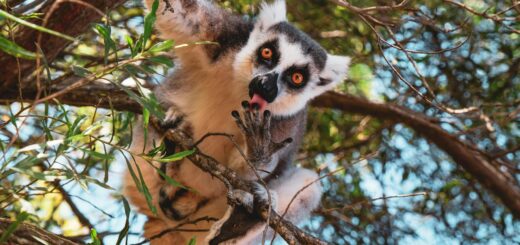
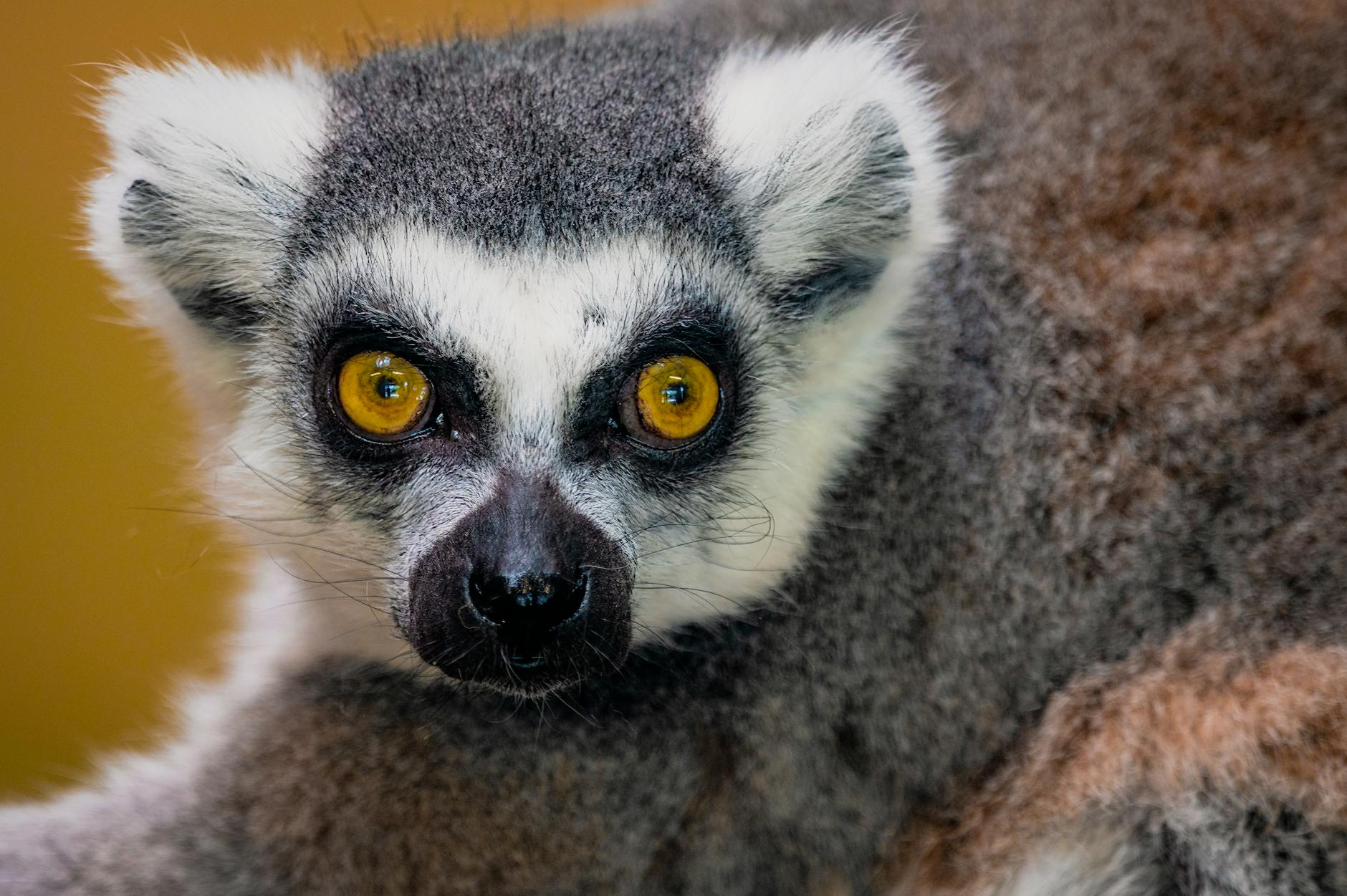
Madagascar’s wildlife hotels offer something found almost nowhere else in travel: the experience of endemic species — indri lemurs, chameleons, fossa, mouse lemurs — approaching or being visible directly from your accommodation without any organised excursion. The best wildlife-view lodges in Madagascar are positioned within or adjacent to national parks and forest reserves where animal activity spills naturally into the lodge garden, terrace, and canopy above the rooms. For wildlife-focused travellers, choosing the right lodge transforms passive accommodation into an active natural history experience.
Andasibe: Madagascar’s Most Accessible Wildlife Hotel Zone
Andasibe-Mantadia is Madagascar’s best wildlife hotel destination for travellers who want maximum animal encounters with minimum logistics. The reserve is 3 hours east of Antananarivo by road, the access road is paved, and the lodges positioned adjacent to or within the buffer zone of the reserve offer the most reliable lemur-from-your-room experiences in the country. The indri — Madagascar’s largest living lemur and one of its most distinctive animals — produces a resonant call audible from up to 2km away. At Andasibe lodges bordering the reserve, this call frequently wakes guests at dawn and the animals themselves are visible in canopy trees accessible from lodge gardens.
The best wildlife-view lodges at Andasibe position their guest cabins within the forest edge rather than in open clearings, which maximises spontaneous animal encounters. Chameleons (multiple species) are common on garden vegetation throughout the year. Mouse lemurs are visible on night walks from the lodge. Woolly lemurs visit certain trees reliably enough that experienced guides can predict their location. For properties and pricing across the Andasibe accommodation spectrum, the wildlife lodge comparison guide benchmarks Andasibe against other national park accommodation. Book guided forest walks through your lodge or directly via GetYourGuide’s Madagascar wildlife tour listings — guided walks must be pre-arranged for ANGAP permit compliance. Search and book Andasibe wildlife lodges on Agoda.
Kirindy and Tsingy: Remote Wildlife Hotels with Highest-Impact Encounters
Kirindy Forest in western Madagascar represents the most dramatically wildlife-immersive lodge experience in the country. The dry deciduous forest hosts Madagascar’s apex predator — the fossa — alongside giant jumping rats, multiple lemur species, and a density of nocturnal wildlife that makes the 20:00–22:00 night walk from lodge grounds one of the most reliably rewarding wildlife experiences in Africa. Properties at Kirindy operate at the basic end of the lodging spectrum: rooms are simple, power is limited to generator hours, and road access requires 4WD from Morondava (approximately 60km). The wildlife compensates entirely.
Tsingy de Bemaraha further north offers a different wildlife hotel experience: lodges positioned near the limestone formations where Decken’s sifaka and other endemic species are visible on the tsingy walls themselves. The visual drama of the Tsingy formations with lemurs moving across the rock faces creates a wildlife hotel backdrop unmatched anywhere in Madagascar. The Tsingy de Bemaraha accommodation guide covers the lodge options with detail on wildlife visibility, infrastructure, and access logistics. Browse Tsingy trekking and wildlife tours on GetYourGuide to pre-book guide services before arrival.
What to Look for in a Wildlife-View Lodge in Madagascar
Not all lodges near national parks deliver genuine wildlife hotel experiences. Several factors separate properties where animals genuinely come to you from those where wildlife is only encountered on guided walks away from the lodge. Forest edge positioning is the primary factor: lodges built on cleared land 200–300m from the forest have fundamentally different wildlife encounters than those with bungalows at the tree line. Ask properties specifically whether their rooms or gardens border forest rather than cleared land.
Garden vegetation management matters significantly. Lodges that maintain native plant species in their gardens — particularly fruiting trees and flowering plants — attract chameleons, day geckos, and canopy lemurs far more effectively than those with maintained grass lawns and ornamental plantings. Properties run by naturalists or guides who have a personal investment in the wildlife of the surrounding area also tend to perform better — the staff notice and report animal sightings to guests, operate informal garden spotting tours at dawn and dusk, and position accommodation strategically to maximise natural encounters. Ask when booking what wildlife was seen in the lodge garden in the past month — a property worth staying at will have a specific, recent answer.
Planning a Wildlife Hotel Stay in Madagascar: Timing and Combinations
October through December is the optimal period for wildlife hotel stays in Madagascar. The dry season is ending, temperatures are warming, and most lemur species are highly active — several are in breeding condition, which increases both visibility and vocalisation. Chameleons are at peak activity during this period and rainforest species are more visible before the December–March wet season makes forest walking challenging.
The most effective wildlife hotel itinerary combines three nights at Andasibe with two nights at a second site — Ranomafana (different habitat, different species) or Kirindy (dry deciduous, fossa opportunity) depending on travel time available. This combination delivers five distinct wildlife hotel experiences across two ecosystem types without excessive travel days. Domestic flights from Antananarivo remove the overland time cost for the Kirindy combination. Compare 4WD rental options on Carla if you plan to drive between park-adjacent lodges — the forest roads in the Andasibe and Ranomafana zones are navigable with a standard high-clearance vehicle in dry season, though a 4WD gives more flexibility for the Kirindy approach. Check availability at Madagascar’s wildlife lodges on Agoda — park-adjacent properties have limited room counts and book out for October–November well in advance.
Frequently Asked Questions
Can I really see wildlife from my hotel room in Madagascar without a guided walk?
Yes, at the right properties. Lodges at Andasibe positioned at the forest edge regularly have indri lemurs visible in canopy trees from guest terraces in the early morning. Chameleons are found on garden vegetation at most forest-adjacent lodges without any organised walk. Mouse lemurs and dwarf lemurs appear on night walks directly from the lodge garden at several properties. The key is choosing a property that borders actual forest rather than cleared land — this distinction is what separates genuine wildlife hotel experiences from lodges that simply happen to be near a national park.
Is Madagascar’s wildlife seasonal — are there better months to book a wildlife hotel?
Yes. October through December is the peak period for wildlife activity and visibility across most ecosystems. Lemurs are most active and vocal, chameleons are breeding and more visible, and the forest is green from early rains without being obstructed by wet season undergrowth. June–September (peak dry season) is also good for most species and coincides with the most comfortable travel conditions. December–March wet season makes forest walking harder but offers different species activity including nesting birds and certain reptiles.
Do Madagascar wildlife lodges have electricity and running water?
Most park-adjacent wildlife lodges have generator power for limited hours (typically 18:00–22:00 or 06:00–22:00 at better properties) and solar lighting outside those hours. Running water is available at established lodges — hot water is provided by solar heaters at better properties, cold shower only at basic operations. Kirindy lodges are at the more basic end; Andasibe lodges span a wider range from basic to comfortable. Confirm infrastructure details before booking if these are important to your stay.
Madagascar’s wildlife hotels offer experiences that no other Indian Ocean destination can replicate — indri calls at dawn, fossas after dark, chameleons on the terrace railing. Before you go, protect the trip with the one thing remote lodges cannot provide: medical evacuation coverage. Emergency transfer from a Kirindy or Andasibe lodge to a hospital with surgical capacity costs USD 15,000–40,000 without insurance. Get SafetyWing Nomad Insurance before your Madagascar wildlife trip with full emergency medical and evacuation. Book your lodge on Agoda; book your guided walks on GetYourGuide; sort the insurance before you board.
Travel Insurance for Madagascar
Medical evacuation from Madagascar costs $30,000–$80,000. Don’t travel without cover.
- SafetyWing — monthly-subscription travel medical cover; you can check their plans.
- World Nomads — single-trip travel insurance with adventure-activity options.
Plan Your Trip to Madagascar
- Read the full Madagascar Travel Guide
- Explore itineraries by style and duration
- Plan a 10-Day Madagascar Itinerary
Where to Stay