15 Best Things to Do in Antsirabe 2026: Thermal Baths, Crater Lakes & Pousse-Pousse
Affiliate disclosure: This article contains sponsored links to hotels, tour operators, insurance providers, and other travel services. We earn a small commission if you book through our links, at no extra cost to you.
Things to Do in Antsirabe 2026 — At a Glance
- The rickshaw capital: ride a colourful pousse-pousse or pedal-powered cyclo-pousse through the wide colonial avenues.
- Crater lakes & legends: swim or hike the deep emerald Lac Tritriva and stroll the shores of Lac Andraikiba.
- Artisan workshops: watch gemstone cutters, miniature tin bicycles, zebu-horn carving and embroidery being made by hand.
- Spa-town heritage: see the grand Hôtel des Thermes, soak in the thermal baths and browse the huge Asabotsy market.
- Browse Madagascar highland tours on GetYourGuide for guided day trips and workshop visits.
- Plan your whole highland route with a local — contact Carla.
- Getting around the region: arrange a car & driver via Carla for Betafo, Tritriva and RN7 stops.
- Flying in via Tana? If a flight is delayed or cancelled, AirAdvisor can help you claim compensation.
- Travel covered: SafetyWing Nomad Insurance for the whole highland trip.
- Need a base? Browse central highland stays on Agoda.
🎒 Madagascar Trip Essentials
A few inexpensive items make the biggest difference on the ground in Madagascar:
- Picaridin insect repellent — DEET-free protection against malaria mosquitoes. See on Amazon →
- Permethrin clothing spray — treat clothes; kills mosquitoes on contact for weeks. See on Amazon →
- Pop-up mosquito net — budget lodges rarely provide one; packs down tiny. See on Amazon →
- Water filter bottle — tap water isn’t safe to drink in Madagascar. See on Amazon →
- Universal travel adapter (USB-C) — Madagascar uses European-style plugs. See on Amazon →
- 8×42 binoculars — essential for spotting lemurs and chameleons in the canopy. See on Amazon →
As an Amazon Associate we earn from qualifying purchases.
Antsirabe is one of those rare Malagasy towns that asks you to slow down rather than rush on. Sitting at around 1,500 metres in the cool Vakinankaratra highlands, roughly three hours south of Antananarivo on the RN7, it grew up in the early twentieth century as a colonial spa retreat — and that genteel, faded-grandeur character still defines it today. Wide tree-lined avenues, pastel villas, a stately old railway station and the unmistakable silhouette of the Hôtel des Thermes give the place an almost European feel, while the constant jangle of brightly painted pousse-pousse rickshaws keeps it utterly, joyfully Malagasy. The air is crisp, the pace is gentle, and the surrounding country of crater lakes, rice valleys and old volcanoes is some of the prettiest in the highlands.
Most travellers treat Antsirabe as a one-night stop on the long drive south, and that is a genuine shame, because there is enough here to fill two or three relaxed days. This guide walks through fifteen of the best things to do — from a leisurely rickshaw tour and a swim in a sacred crater lake to watching a craftsman hammer a working miniature bicycle out of an old tin can. For the bigger picture of where Antsirabe fits into a highland itinerary, see our complete Antsirabe travel guide and our overview of the central highlands of Madagascar.
1. Ride a pousse-pousse through the colonial avenues
No experience says Antsirabe quite like the pousse-pousse. This is the rickshaw capital of Madagascar, and hundreds of these hand-pulled, brightly painted two-wheelers wait at every corner, each decorated with the owner’s name, slogans and a riot of colour. Climbing aboard for a slow tour of the wide avenues is the single most characteristic thing you can do in town — you glide past the pastel colonial villas, the cathedral and the leafy boulevards while your puller chats and points out landmarks. For shorter or steeper trips, look out for the cyclo-pousse, a pedal-powered version that spares the runner the worst of the hills. Always agree a price before you set off, and tip generously: pulling a rickshaw is hard work, and a little extra goes a long way. Hiring one for an hour or two as a roving sightseeing tour is far better value than a single point-to-point hop, and the pullers make wonderful, proud guides to their own town.
2. See the Hôtel des Thermes and the spa-town heritage
The grand Hôtel des Thermes is the architectural heart of Antsirabe and the building that explains the whole town. Built to serve the colonial-era visitors who came to “take the waters”, this stately white edifice with its long façade and formal gardens still presides over the lower end of the main avenue like a slice of belle-époque Europe transplanted to the highlands. Even if you are not staying or dining there, it is worth walking up to admire the architecture and imagine the spa-town heyday. The hotel anchors a wider sense of faded elegance that runs through Antsirabe, and photographers love the contrast of its colonial lines against the everyday Malagasy street life passing in front of it. It is an easy and free thing to fold into a morning stroll or a pousse-pousse circuit.
3. Soak in the thermal baths
Antsirabe owes its very existence to its thermal springs — the name itself refers to the abundance of salt and minerals in the waters. The town’s thermal baths are a low-key but genuinely local experience: warm mineral water drawn from the springs that first drew Norwegian missionaries and then colonial holidaymakers to settle here. A soak is the perfect antidote to a long, bumpy day on the RN7, and it connects you to the original reason the town was built. Facilities are simple rather than luxurious, so approach it as an authentic dip into local life rather than a five-star spa day. It is a fitting, restorative way to round off an afternoon of sightseeing before heading back out for dinner on the avenue.
4. Walk the shores of Lac Andraikiba
Just a few kilometres west of town, Lac Andraikiba is a calm crater lake ringed by eucalyptus and pine, and a popular spot for an easy lakeside walk or a quiet picnic. The setting is gentle and the air pleasantly cool, making it a relaxed half-morning excursion that you can reach by pousse-pousse, bike or car. The lake carries a sad and well-loved legend: a young princess is said to have vanished into its waters, and locals still tell the story to visitors. Beyond the legend, it is simply a lovely, low-effort way to enjoy the highland landscape — bring a hat, take your time on the shore path, and watch local life unfold around the water. It pairs naturally with a visit to the more dramatic Lac Tritriva on the same outing.
5. Swim or hike at the sacred Lac Tritriva
If you do one excursion from Antsirabe, make it Lac Tritriva. About seventeen kilometres out of town, this deep, almost impossibly emerald crater lake sits in a volcanic bowl ringed by rock and pine, and it is considered sacred by local people. The water is astonishingly green and very deep, and a path lets you hike around the rim for changing views down into the crater. Brave swimmers can take a dip in the cold, clear water — guides will point out the safe entry points — while everyone enjoys the walk and the dramatic scenery. Tritriva comes with its own romantic legend of two forbidden lovers who threw themselves into the lake, a tale your guide will happily recount. A local guide at the site is well worth the modest fee, both for the stories and for finding the best vantage points. Combine Tritriva and Andraikiba into a single half-day trip with a driver, and you have one of the best outings in the whole highland region.
6. Tour a gemstone-cutting workshop
Madagascar is one of the world’s great sources of coloured gemstones and semi-precious stones, and Antsirabe is a centre for cutting and polishing them. Visiting an artisan workshop lets you watch raw crystals being shaped, faceted and polished into finished stones by hand — a fascinating, hands-on glimpse of a craft that supports many local families. You will see everything from quartz and tourmaline to a rainbow of polished spheres, eggs and ornaments. These workshops are also a good, transparent place to buy: prices are reasonable and you can see exactly how the piece was made. If you are interested in geology or simply love beautiful objects, an hour spent watching the cutters at work is time very well spent, and it makes for a souvenir with a real story attached.
7. Watch miniature bicycles and cars made from recycled tin
One of Antsirabe’s most delightful and unexpected crafts is the making of miniature bicycles, cars and trucks entirely by hand from recycled tin and aluminium — old cans, scraps and wire transformed into astonishingly detailed working models, with wheels that turn and pedals that move. Craftsmen work these in tiny home workshops, and watching one assemble a model from flattened tin with nothing but simple tools is genuinely mesmerising. The results make wonderful, lightweight souvenirs that pack flat and carry a great story home. Many of the gemstone and craft workshop tours include a stop at one of these tin-toy makers, and buying directly from the artisan puts your money straight into the local economy. It is the kind of small, human encounter that travellers remember long after the big-ticket sights have faded.
8. Discover embroidery, zebu-horn and raffia workshops
Beyond gemstones and tin toys, Antsirabe is a hub for several other highland handicrafts that you can watch being made. Zebu-horn carving turns the horn of Madagascar’s iconic humped cattle into polished jewellery, cutlery handles and ornaments. Embroidery and raffia weaving produce beautiful tablecloths, bags and textiles, often worked by hand in small cooperatives. Touring these workshops gives you a real appreciation for the skill involved and lets you buy directly from the makers. Together with the gemstone cutters and the tin-toy artisans, they make Antsirabe one of the best places in Madagascar for a dedicated “crafts crawl” — and a guided highland workshop tour can string several of them together in a single morning.
9. Browse the huge Asabotsy market
For a complete change of pace and a deep dive into everyday Malagasy life, head to the Asabotsy market. This sprawling, vibrant market is one of the biggest in the highlands, a maze of stalls selling produce, spices, secondhand clothes, household goods, baskets and crafts. It is busy, colourful and wonderfully authentic — exactly the kind of place to wander slowly, sample highland fruit and watch the rhythm of local commerce. Keep your valuables secure and your wits about you in the crowds, as you would in any busy market, but do not let that put you off: the Asabotsy is a sensory highlight and a great place to practise a few words of Malagasy with friendly vendors. Go in the morning when it is at its liveliest.
10. Admire the colonial architecture and old railway station
Antsirabe rewards anyone who simply walks and looks up. The town’s broad, tree-lined avenues, pastel-painted villas and dignified public buildings are a legacy of its colonial spa-town past, and the overall effect is unlike almost anywhere else in Madagascar. Don’t miss the old railway station, a handsome relic of the line that once connected the highlands, and the cathedral and main avenue with their period frontages. A slow architectural wander — on foot or by pousse-pousse — is free, atmospheric and the best way to feel the town’s particular faded charm. For travellers comparing the highland towns, our piece on Antananarivo vs Antsirabe digs into how the two cities differ in pace and feel.
11. Visit the STAR brewery (Three Horses Beer)
Antsirabe is home to the STAR brewery, the maker of Madagascar’s beloved THB — Three Horses Beer — and the clean highland water is part of the reason it is brewed here. THB is the national beer, found in every restaurant and hotely across the island, so there is a certain pleasure in enjoying one in the town where it is made. The brewery’s presence is a point of local pride, and a cold THB on a café terrace at the end of a day’s sightseeing is a fitting Antsirabe ritual. The brewery also produces soft drinks and other beverages, so the STAR name is woven through highland life well beyond the beer itself.
12. Take a day trip to Betafo
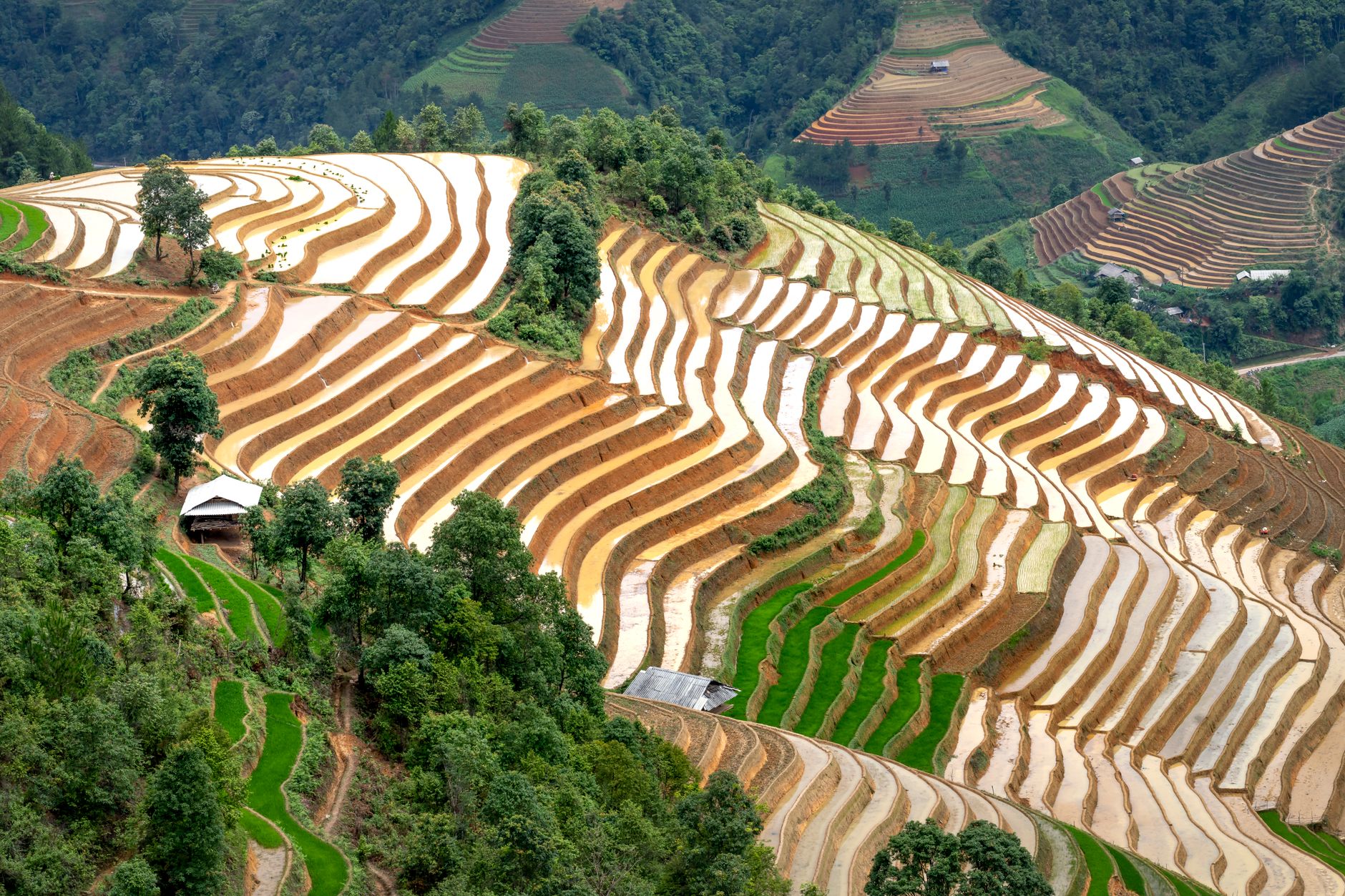
West of Antsirabe lies Betafo, a charming highland town set amid some of the most beautiful rice country and volcanic scenery in the region. A day trip out here rewards you with waterfalls, crater lakes, terraced rice paddies and a string of old volcanoes that define the Vakinankaratra landscape. It is a wonderful drive for anyone who loves green, layered highland scenery, and the slower pace and rural life make a lovely contrast to the town. Hiring a car and driver through Carla is the easiest way to do Betafo and the surrounding volcanic country comfortably in a day, with stops wherever the views demand. It is one of the highland region’s best-kept secrets.
13. Cycle the cool highland roads
Antsirabe’s flat avenues and gentle surrounding country make it one of the more cyclist-friendly towns in Madagascar — fitting, perhaps, for the rickshaw and tin-bicycle capital. Renting a bicycle is a fantastic, low-cost way to explore the town and reach the nearby lakes under your own steam, with the cool highland air making the effort pleasant rather than punishing. You can pedal out to Lac Andraikiba, loop the avenues, or simply use a bike to move between workshops and the market. It is an active, independent way to experience Antsirabe that gets you off the main tourist track and into the everyday rhythm of the place. Just take care with traffic on the busier roads and stick to daylight hours.
14. Sample highland food and a café on the main avenue
The cool highlands produce some of Madagascar’s best food, and Antsirabe is a great place to eat. Tuck into tender zebu steak, kitoza (strips of dried, smoked beef), and mofo gasy — the soft little rice-flour cakes sold from street griddles that make a perfect breakfast with coffee. The town’s café culture is a genuine pleasure: settling onto a terrace on the main avenue with a coffee or a cold THB, watching the pousse-pousse traffic glide past, is one of the simplest and most satisfying things to do here. There are good restaurants serving both Malagasy and French-influenced dishes, a legacy of the colonial era. Eating well is effortless in Antsirabe, and it is part of what makes the town such a relaxing place to linger.
15. Shop for highland crafts and use Antsirabe as a southern base
With all those workshops, Antsirabe is one of the best places in Madagascar to buy genuine, locally made souvenirs — polished gemstones, tin models, zebu-horn pieces, embroidery and raffia goods, all bought directly from the people who made them. Beyond the shopping, Antsirabe is the natural gateway to the deep south: from here the RN7 continues to Ambositra, Madagascar’s woodcarving capital, and on toward Fianarantsoa, Ranomafana and the far south. Using Antsirabe as a base to break the journey and stock up before heading on makes perfect sense. For the road ahead, see our guide to southern Madagascar and the RN7, and if you are weighing the two highland hubs, our Antsirabe vs Fianarantsoa comparison will help you plan.
Getting There & Travelling Well
Antsirabe sits on the RN7 about three hours south of Antananarivo, and most travellers reach it by road — either a private car and driver, a shared taxi-brousse, or as part of a longer highland and RN7 trip. There is no commercial airport in Antsirabe itself, so almost everyone flies into Antananarivo’s Ivato airport first. Because long-haul connections to Madagascar can be disrupted, it is worth knowing your rights: if your flight into Tana is delayed, cancelled or overbooked, AirAdvisor can help you check eligibility and claim the compensation you may be owed. For getting between Tana and Antsirabe and on to Betafo, Tritriva and the RN7, a private car and driver arranged through Carla is by far the most comfortable and flexible option — see also our guide on how to get around Madagascar.
Travel insurance is not optional in a country where medical facilities are limited and roads can be rough. SafetyWing Nomad Insurance is a flexible, affordable choice that covers medical emergencies and trip disruptions, and it is easy to buy online even after your trip has started. For a highland trip that mixes crater-lake swims, cycling, workshop visits and long drives on the RN7, having SafetyWing in place gives real peace of mind. Pair it with the cool, dry highland weather — the most comfortable months to visit fall in the dry season, as explained in our best time to visit Madagascar guide.
Let Carla plan your Antsirabe and highland trip
Antsirabe is at its best when you are not watching the clock, and the surrounding crater lakes, workshops and Betafo country are far easier to enjoy with a local who knows the back roads. Carla, our Madagascar travel partner, can arrange a car and driver, line up the best workshop and lake excursions, and weave Antsirabe seamlessly into a longer highland or RN7 itinerary. Rather than piecing it together yourself, contact Carla to build a trip around exactly what you want to see. While you plan, browse central highland stays on Agoda and our pick of the best Antsirabe hotels.
Frequently Asked Questions
How many days do you need in Antsirabe?
Two days is the sweet spot. One day lets you see the town itself — a pousse-pousse tour, the Hôtel des Thermes, the Asabotsy market and a couple of craft workshops — while a second day frees you up for the crater lakes (Tritriva and Andraikiba) and a trip out to Betafo. Many travellers stop for just one night on the RN7 drive, but the town genuinely rewards a slower visit, and there is more than enough to do for a relaxed two or three days.
What is Antsirabe famous for?
Antsirabe is famous for three things above all: its pousse-pousse rickshaws (it is the rickshaw capital of Madagascar), its thermal springs and colonial spa-town heritage centred on the Hôtel des Thermes, and its artisan workshops — especially gemstone cutting and the handmade miniature bicycles and cars built from recycled tin. It is also home to the STAR brewery that makes THB, Madagascar’s national beer. For a fuller picture, see our Antsirabe travel guide.
Is Lac Tritriva worth visiting?
Yes — Lac Tritriva is one of the best excursions in the entire central highlands. The deep emerald crater lake, about seventeen kilometres from town, is dramatic, sacred to local people and wrapped in a romantic legend. You can hike the rim for changing views and, if you are brave, swim in the cold clear water. Combine it with nearby Lac Andraikiba for a perfect half-day trip with a driver.
What can you buy in Antsirabe?
Antsirabe is one of Madagascar’s best craft-shopping towns. You can buy polished gemstones and semi-precious stones, handmade miniature tin bicycles and cars, zebu-horn jewellery and ornaments, embroidery and raffia textiles, and more — almost all bought directly from the artisans who make them. Visiting the workshops first lets you see how each piece is made before you buy.
How do you get from Antananarivo to Antsirabe?
The most common route is by road on the RN7, a journey of roughly three hours. The most comfortable option is a private car and driver, which lets you stop along the way and continue on to the lakes, Betafo or the deep south at your own pace; shared taxi-brousse minibuses are the budget alternative. A car and driver via Carla is the easiest way to do it — see our getting around Madagascar guide for more.
Ready to explore Antsirabe and the highlands?
From pousse-pousse tours and crater-lake swims to artisan workshops and the road south, Antsirabe is best enjoyed with a local who knows it well. Contact Carla to plan a custom highland trip, arrange a car & driver, and travel with SafetyWing peace of mind. Browse central highland stays on Agoda and start your adventure.
Plan Your Trip to Madagascar
- Read the full Madagascar Travel Guide
- Explore itineraries by style and duration
- Best Tours and Guided Experiences
Where to Stay
Go deeper — Insider Madagascar
Our cultural series on the stories behind the island: