Western vs Northern Madagascar 2026: Which Region Should You Visit?
Affiliate disclosure: This article contains sponsored links to hotels, tour operators, insurance providers, and other travel services. We earn a small commission if you book through our links, at no extra cost to you.
Western vs Northern Madagascar 2026 — At a Glance
- Western Madagascar: Baobabs, Tsingy de Bemaraha, Kirindy wildlife — iconic landscapes, remote and rugged
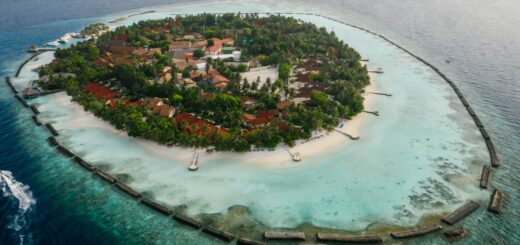
- Northern Madagascar: Nosy Be, beaches, diving, Amber Mountain, Diego Suarez — sun, sea, and easier comfort
- West is best for: Iconic sights, dramatic landscapes, dry-forest wildlife, photographers, adventurers
- North is best for: Beaches, diving, relaxation, comfort, easier travel
- Both: Dry-season destinations (April–November), reached by domestic flight
- Can you combine? Yes, but they’re far apart — flights connect them via Antananarivo
- Flight protection: EU261 €600 per passenger on disrupted European inbound flights
- Travel insurance: SafetyWing Nomad Insurance — essential in either region
- Where to stay: Madagascar stays on Agoda
🎒 Madagascar Trip Essentials
A few inexpensive items make the biggest difference on the ground in Madagascar:
- Picaridin insect repellent — DEET-free protection against malaria mosquitoes. See on Amazon →
- Permethrin clothing spray — treat clothes; kills mosquitoes on contact for weeks. See on Amazon →
- Pop-up mosquito net — budget lodges rarely provide one; packs down tiny. See on Amazon →
- Water filter bottle — tap water isn’t safe to drink in Madagascar. See on Amazon →
- Universal travel adapter (USB-C) — Madagascar uses European-style plugs. See on Amazon →
- 8×42 binoculars — essential for spotting lemurs and chameleons in the canopy. See on Amazon →
As an Amazon Associate we earn from qualifying purchases.
Western or northern Madagascar — which region should you visit? They offer very different experiences: the west delivers Madagascar’s most iconic sights (the baobabs and the Tsingy) and rugged dry-forest adventure, while the north offers beaches, diving, and a more relaxed, comfortable trip around Nosy Be. This guide compares the two head-to-head — sights, wildlife, beaches, accessibility, when to go, and cost — so you can choose the region that fits your trip, or decide whether to combine them. For the full western picture, see our best of Western Madagascar guide.
The short answer: choose the west for iconic landscapes, dramatic scenery, and adventure; choose the north for beaches, diving, and comfortable relaxation. If you want the postcard Madagascar of baobabs and stone forests, head west; if you want warm seas, soft sand, and an easy pace, head north. Both are dry-season destinations reached by domestic flight, and both are wonderful — the right choice simply depends on what you want from your trip. Read on for the full comparison.
It’s worth framing the choice clearly from the outset, because the two regions appeal to genuinely different travel instincts. The west is about seeing — extraordinary landscapes and wildlife that you travel hard to reach and come home raving about. The north is about being — relaxing on a beach, diving warm reefs, and unwinding at an easy island pace. Most travellers lean clearly one way once they put it like that. Where it gets interesting is for those who want both, or who can’t quite decide — and for them, the later sections on combining the regions and on what you’d miss by choosing one are the most useful parts of this guide.
A Closer Look at Each Region
Western Madagascar
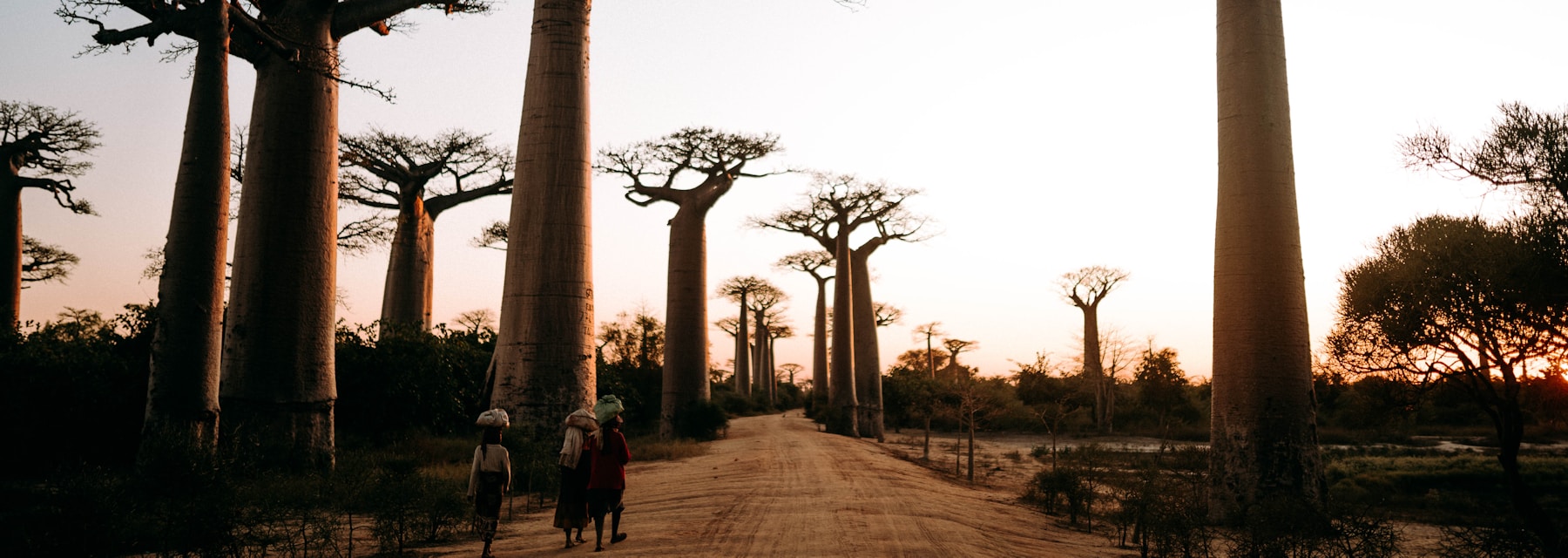
The west is the realm of Madagascar’s most iconic sights. The Avenue of the Baobabs near Morondava and the otherworldly Tsingy de Bemaraha limestone forest are the headline draws, complemented by Kirindy Forest — one of the best places to see the fossa and nocturnal lemurs. The landscapes are hot, dry, and dramatic, the wildlife is the dry-forest specialists found nowhere else, and the whole region has a remote, adventurous character. The trade-off is rough roads, simple infrastructure, and long distances; the west rewards travellers willing to embrace a bit of rugged travel for extraordinary, photogenic payoff.
The west feels wild and uncrowded in a way that’s increasingly rare. Beyond the headline baobabs and Tsingy, it offers river journeys by pirogue, traditional villages, and big-sky landscapes that stay with you long after the trip. It’s a region for travellers who want their Madagascar with a sense of expedition, who don’t need luxury, and who are happy to trade comfort for the kind of scenery and wildlife found almost nowhere else. Because it’s so remote, comprehensive travel insurance with evacuation cover is especially important here — the west is far from major medical facilities.
Northern Madagascar
The north is Madagascar’s beach-and-sea region, centred on the island of Nosy Be and the Diego Suarez (Antsiranana) area. Here you’ll find the country’s best beaches and diving, warm calm seas, resort comfort, and a more relaxed pace, along with the dramatic landscapes of the Amber Mountain and the Tsingy Rouge, and seasonal whale sharks off Nosy Be. The north is the easiest and most comfortable of Madagascar’s regions to travel, with better infrastructure and shorter distances around Nosy Be, and even seasonal direct international charter flights to Nosy Be that can bypass the capital entirely. It suits travellers who want sun, sea, relaxation, and ease over rugged adventure.
Nosy Be functions as a self-contained holiday destination in a way no other part of Madagascar quite does, with beach resorts, restaurants, dive centres, and island-hopping day trips all within easy reach. It’s the part of Madagascar you can enjoy at a gentle pace, mixing beach days with the occasional wildlife or cultural excursion. That said, even the comfortable north is still Madagascar — infrastructure is simpler than a polished international beach resort destination, and comprehensive travel insurance remains essential, covering diving and other water activities. The north is the easy option by Madagascar standards, but it still rewards sensible preparation.
Head-to-Head: The Key Factors
Iconic sights and landscapes
The west wins for iconic sights. The baobabs and the Tsingy are Madagascar’s two most famous landscapes, and nothing in the north quite matches their fame or drama. The north has its own beauty — the Amber Mountain, the Tsingy Rouge, the bays around Diego — but for the bucket-list, postcard images of Madagascar, the west is unmatched. If those iconic sights are your priority, the west is the clear choice. It’s worth saying that these aren’t just famous-for-being-famous sights; the baobabs and the Tsingy are genuinely extraordinary in person, the kind of places that justify a trip to Madagascar on their own. The north’s landscapes are lovely, but they don’t carry that same once-in-a-lifetime weight. For travellers whose mental picture of Madagascar is the baobabs — and for many, it is — only the west can deliver that specific image, and no amount of beautiful coastline in the north will substitute for it.
Beaches and the sea
The north wins decisively for beaches. Nosy Be and the surrounding islands offer Madagascar’s best beaches, warmest calm seas, and finest diving and snorkelling — including whale sharks from around October. The west has Morondava’s coast and quiet beaches, but they’re a sideshow to the inland sights. For a beach-and-sea trip, the north is the obvious winner. The north’s marine offering goes well beyond lying on the sand: world-class dive sites, snorkelling with turtles and reef fish, island-hopping to tiny offshore islets, and seasonal big marine life make it a genuine sea-lover’s destination. The west simply can’t compete on this front, and wouldn’t claim to. For a honeymoon, a family beach holiday, or a dedicated dive trip, the north is the only sensible choice of the two.
Wildlife
Both offer excellent but different wildlife. The west’s Kirindy Forest is superb for the fossa and dry-forest lemurs, while the north’s Amber Mountain and Lokobe reserve offer rainforest lemurs, chameleons, and the tiny leaf-tailed geckos. Marine wildlife favours the north (whale sharks, turtles, reef life). Neither is “better” — they showcase different sides of Madagascar’s wildlife, and serious wildlife travellers often want both. For broader wildlife planning, see our national parks and reserves guide. If your single most-wanted animal is the fossa, the west’s Kirindy is the place; if it’s whale sharks or turtles, the north wins; and if you simply want lemurs, both deliver them in abundance, just different species in different settings. The west’s open dry forest also makes daytime wildlife easier to spot than the dense rainforest, a subtle but real advantage for first-time wildlife watchers hoping for guaranteed sightings.
Accessibility and comfort
The north is easier and more comfortable. Nosy Be has better infrastructure, more comfortable accommodation, and shorter distances, making it the more relaxing region to travel. The west is rougher — long drives, river ferries, simple lodges, especially on the demanding road to the Tsingy. If ease and comfort matter, the north wins; if you don’t mind rugged travel for the reward, the west delivers. Travellers with mobility concerns, young children, or limited time will find the north far more forgiving, while the west asks for a degree of fitness, flexibility, and patience. This difference shapes the whole feel of a trip: the north can be a genuine holiday where you unwind, while the west is more of an expedition that rewards effort. Neither is wrong — it depends entirely on whether you want to relax or to explore, and how much rough travel you’re willing to take on.
When to go
Both are dry-season destinations (April–November). The west’s rough tracks need the dry season to be passable, while the north’s beach and dive conditions are best in the dry months too (with whale sharks October–December). The north holds its beach window slightly longer, into December. Either way, the dry season is the time for both. For the full picture, see our best time to visit Madagascar guide and our weather by region guide. One practical edge for the north: because it stays drier and its roads are less affected by rain, it tolerates the shoulder months and even the early wet season better than the west, whose Tsingy road can close entirely. So if your dates are marginal, the north is the safer bet — another reason it’s the easier region to plan around.
Cost
Broadly comparable, with nuances. Both regions are reached by domestic flight, adding a similar baseline cost. The north’s resort accommodation can run higher at the top end, while the west’s costs are driven more by the 4×4 and guide needed for the rough Tsingy road. Neither is dramatically cheaper than the other; the bigger cost driver is your travel style and how far you venture. Cost is rarely the deciding factor between them. That said, the north makes it easier to spend a lot — luxury resorts and dive packages can push the budget up — while the west’s spending is more about the unavoidable logistics (the 4×4, the guide, the fuel) than discretionary luxury. A budget traveller can do either affordably; a comfort-seeker will find more ways to spend in the north. For a like-for-like mid-range trip of similar length, the totals tend to land in the same ballpark, so cost is best treated as a wash between the two and the decision made on what each region offers rather than on price. Where cost does enter the picture is if you’re combining them, which adds an extra internal flight and a few more days — a real consideration covered in the combining section below.
What You’d Miss by Choosing One
Part of choosing between the regions is being honest about what you’ll forgo. Choose the west alone, and you’ll miss Madagascar’s best beaches and diving, the whale sharks, and the easy comfort of Nosy Be — your trip will be richer in landscapes and adventure but lighter on relaxation and sea. Choose the north alone, and you’ll miss the baobabs and the Tsingy, the country’s two most iconic sights, along with the dry-forest wildlife and the sense of remote expedition — your trip will be more comfortable and beach-focused but will skip the images most associated with Madagascar.
For some travellers, this trade-off is easy: a dedicated diver or beach-lover happily skips the baobabs, while a landscape photographer barely misses the beach. For others — especially first-time visitors who want the “complete” Madagascar — the prospect of missing either feels like a real loss, which is exactly why combining the two is so appealing if time allows. Knowing what you’re giving up is the key to choosing without regret, and to deciding whether one region is enough or whether you’ll want both.
It also helps to remember that neither region is a poor substitute for the other — each is a genuinely world-class destination in its own right. Skipping the baobabs to spend a week diving Nosy Be isn’t settling for less; it’s choosing a different, equally wonderful trip. The “miss” only stings if you go in wishing you’d done the other. So the real task isn’t to find the objectively best region — there isn’t one — but to match your trip to the version of Madagascar you most want to experience, and then commit to it wholeheartedly without second-guessing.
A Sample Two-Week Combined Itinerary
If you decide to combine the regions, here’s how a two-week trip might flow. Begin in the west: fly from Antananarivo to Morondava, visit the Avenue of the Baobabs at sunset and sunrise, spend a night at Kirindy for the fossa and nocturnal lemurs, and — if time and appetite allow — push north to the Tsingy de Bemaraha for its canyons and pinnacles. Then fly back to Antananarivo and onward to the north: base yourself on Nosy Be for beaches, diving, and island-hopping, with excursions to Lokobe’s lemurs or the Amber Mountain, and whale sharks if you’re there in season.
This west-then-north flow ends your trip on the relaxing beaches of Nosy Be — a fitting wind-down after the adventurous west — though the order can be reversed to suit flight schedules. The key constraints are time (two weeks is comfortable, less feels rushed) and the flight connections via Antananarivo, which a well-planned package handles seamlessly. The reward is the full sweep of Madagascar’s variety: iconic landscapes, remarkable wildlife, and tropical beaches in a single, unforgettable journey.
A shorter combined trip is possible if you trim the west to its essentials — skipping the demanding Tsingy push and sticking to the baobabs and Kirindy, which take just two or three days — then flying north for the rest. This “baobabs-and-beaches” version captures Madagascar’s single most iconic sight and its best beaches in around ten days, a popular shape for travellers who want a taste of both without the full Tsingy expedition. It’s a good compromise when time is tight but you can’t bear to choose between the icons and the sea. Whichever combination you choose, building in the Antananarivo connections and keeping the pace realistic is the key to enjoying both regions rather than rushing through them.
The Verdict by Traveller Type
First-time visitors after the icons: The west, for the baobabs and the Tsingy — the quintessential Madagascar images. Pair with wildlife at Kirindy for a rounded trip, and you’ll come home with the photos and stories that define a Madagascar visit and leave nothing essential unseen.
Beach and diving lovers: The north, every time. Nosy Be’s beaches, warm seas, and reef life are Madagascar’s best, with seasonal whale sharks as a memorable bonus. If your ideal trip is sun, sand, and underwater adventure, nothing in the west will tempt you away from the warm water.
Photographers: The west, for the baobabs at golden hour and the surreal Tsingy — the island’s most photogenic landscapes, and the source of most travellers’ defining Madagascar images.
Comfort and relaxation seekers: The north, for its easier travel, better resorts, and laid-back island pace. If you want a holiday where you unwind rather than an expedition that tests you, the north is unambiguously your region, and you’ll likely wish you’d booked longer.
Adventurers: The west, for the rugged roads, the Tsingy’s via ferrata, river journeys by pirogue, and the remote dry-forest wilderness. It’s the region that most rewards a taste for the road less travelled, and the one adventurous travellers tend to rave about long after they return.
Wildlife enthusiasts: Both, ideally — the fossa and dry-forest lemurs in the west, rainforest and marine life in the north. If choosing one, the west edges it for the fossa and the easier daytime spotting in open forest, but a marine-focused wildlife lover will prefer the north’s reefs and whale sharks.
Can You Combine Them?
Yes — and for travellers with two weeks or more, combining the west and north makes a superb, varied trip, pairing the iconic baobabs and Tsingy with the beaches and diving of Nosy Be. The catch is distance: the two regions are far apart, on opposite sides of a very large island, and there’s no quick overland route between them. In practice, you connect via Antananarivo, flying from one region to the capital and on to the other. This adds flights and time, so a combined trip needs two-plus weeks to be comfortable, but it rewards you with the full range of Madagascar — dramatic landscapes, wildlife, and beach relaxation in one journey. A well-sequenced package handles the flight connections and timing. For options, see our Western Madagascar tour packages guide.
One thing to weigh honestly when considering the combined trip: the extra flights and transfers eat into your time and budget, and trying to do too much can leave you feeling rushed in both regions. If two weeks is your absolute maximum, a combined trip works but is paced briskly; with three weeks it becomes relaxed and rewarding. An alternative many travellers prefer is to do one region properly on this trip and save the other for a return visit — Madagascar tends to draw people back, and there’s much to be said for experiencing each region at its own pace rather than racing between them. There’s no wrong choice; it comes down to your time, budget, and appetite for movement versus depth.
The Bottom Line
There’s no single “better” region — only the better fit for your trip. Both rank among Madagascar’s finest destinations, and travellers return from each equally enthralled, just with different stories to tell. Choose the west if you want Madagascar’s most iconic sights, dramatic landscapes, dry-forest wildlife, and a sense of adventure, and don’t mind rough roads and simple lodges. Choose the north if you want beaches, diving, warm seas, comfort, and an easier, more relaxed trip. If you have the time and budget, combine them for the best of both — the icons and the beaches in a single, varied Madagascar journey. A simple way to decide: picture the single moment you’d most want from your trip. If it’s standing among the baobabs as the sun sets, or clipping into a via ferrata cable above the Tsingy’s pinnacles, the west is calling. If it’s snorkelling over a reef, lying on a quiet beach, or watching a whale shark glide past, it’s the north. That one mental image usually settles the question faster than any list of pros and cons. Be honest about what you most want from your trip, and the right region follows naturally.
And if you genuinely can’t choose, take that as a signal: it may mean you’re a candidate for the combined trip, or that you should plan to return. Madagascar is the kind of place that rewards more than one visit, and many travellers who fall for the west on a first trip come back for the north (or vice versa). There’s no wrong answer here — only the question of what you want first. Whichever region you choose, going with a clear sense of its character, well-timed to the dry season and well-insured for its remoteness, is what turns the decision into a great trip.
Carla / Voyagiste Madagascar (choose the right region)
Madagascar-resident specialist who can match the region to your priorities. Contact Carla directly — tell her whether you’re drawn to the iconic west, the beachy north, or both, and she’ll advise honestly on which fits your trip, time, and budget, and build the right itinerary. Local knowledge of both regions makes all the difference in choosing well and combining them smoothly.
Frequently Asked Questions
Should I visit western or northern Madagascar?
The west for iconic sights (baobabs, Tsingy) and adventure; the north for beaches, diving, and comfort. The right choice depends on whether you prioritise dramatic landscapes or sun and sea.
Which region has the best beaches?
The north, decisively — Nosy Be and its surrounding islands offer Madagascar’s best beaches, warm calm seas, and finest diving, plus whale sharks in season.
Which region has the baobabs and the Tsingy?
The west — the Avenue of the Baobabs near Morondava and the Tsingy de Bemaraha. See our Avenue of the Baobabs guide.
Can I visit both regions in one trip?
Yes, with two-plus weeks. They’re far apart, so you connect by flight via Antananarivo. It makes a varied trip combining iconic landscapes with beaches.
Which region is easier to travel?
The north, around Nosy Be, with better infrastructure, more comfortable accommodation, and shorter distances. The west is rougher and more adventurous.
When should I visit?
Both are dry-season destinations (April–November). The north’s beach window extends into December with the whale sharks. See our best time to visit guide.
🧭 Choose the Right Madagascar Region With Carla
West for the icons, north for the beaches — or both. Reach out to Carla, our Madagascar-resident specialist, to match the region to your priorities and build the right itinerary.
Plan Your Trip to Madagascar
- Read the full Madagascar Travel Guide
- Explore itineraries by style and duration
- Explore the full destination guide
Where to Stay