Where to Stay Near Ranomafana: Park Gate to Village Stays 2026
This post contains affiliate links. We may earn a small commission at no extra cost to you.
Recommended Gear for Your Madagascar Wildlife Trip
You’re Flying 10,000km to See Lemurs, Chameleons, and Fossa — Don’t Document It With a Phone Camera
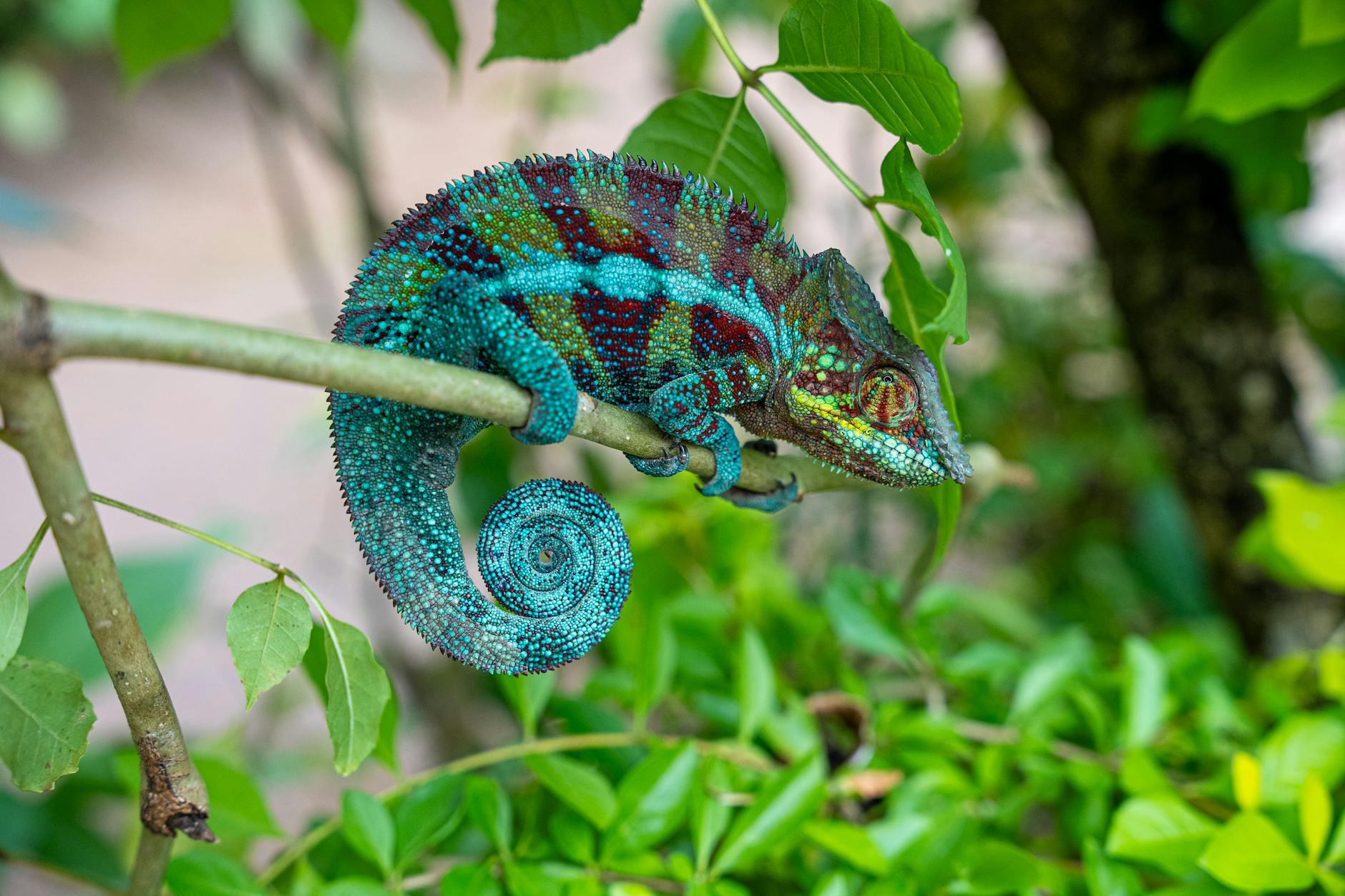
Indri lemurs calling across the canopy of Andasibe. Panther chameleons in electric blue and orange. The fossa spotted on a night walk in Kirindy. A smartphone sensor in low rainforest light produces grainy, blurred images. The Sony a6400 with Real-Time Eye Autofocus locks onto animal eyes instantly — even through undergrowth and low light. APS-C sensor, 4K video, flip-up touchscreen.
Check current price and availability on Amazon →
Madagascar Has Over 100 Species of Lemur and 280 Species of Bird — You’ll Miss Most of Them Without Binoculars
Sifaka lemurs leap between canopy trees 30 metres up. The Madagascar fish eagle perches on a branch 200 metres across a lake. Without binoculars, you’re looking at distant shapes and taking your guide’s word for it. The Vortex Diamondback HD 10×42 delivers HD optical clarity with edge-to-edge sharpness. Waterproof, fog-proof, backed by Vortex’s unconditional lifetime warranty.
Check current price and availability on Amazon →
Madagascar Goes Completely Dark After Sunset — Don’t Navigate It Blind
Outside of Antananarivo’s main streets, Madagascar has virtually no street lighting. Wildlife walks in Ankarana, night lemur spotting in Ranomafana, the path to your bungalow — all navigated in total darkness. The Black Diamond Spot 400-R delivers 400 lumens with a 100-metre beam, USB-C rechargeable, IPX8 waterproof, with red night-vision mode for wildlife observation without disturbing animals.
Check current price and availability on Amazon →
Madagascar Has Some of the Highest Malaria Risk in the World
The rainforests of Andasibe, the wetlands of Morondava, the rice paddies outside every village — mosquitoes are relentless and bite at dusk and dawn. DEET burns skin and destroys gear. Natrapel 20% Picaridin is the CDC-recommended alternative that repels mosquitoes, ticks, and sandflies for up to 12 hours without damaging your equipment.
Check current price and availability on Amazon →
No Grid, No Problem — Charge Your Devices From the Sun in Madagascar’s Remote Parks
Marojejy. Andringitra. Tsingy de Bemaraha. Madagascar’s most spectacular parks are its most isolated — no power outlets, no phone signal. A 3-day wilderness circuit means running on whatever charge you left camp with. The BLAVOR Solar Power Bank pairs 10,000mAh with a fold-out solar panel that recharges itself from sunlight as you trek.
Check current price and availability on Amazon →
Your Hotel Room Door in Madagascar May Not Lock Properly — This Costs $16 and Fixes That
Budget guesthouses and mid-range hotels across Madagascar share one problem: flimsy door locks. Handles that wiggle, bolts that don’t catch. The Addalock slides over any standard door latch in seconds and makes your door physically impossible to open from outside — regardless of what key someone uses. No screws, no installation, 75 grams.
Check current price and availability on Amazon →
Madagascar Budget Guesthouses Often Don’t Provide Towels — Pack One That Weighs Nothing
Across Madagascar’s affordable guesthouses — especially near national park entrances — towel provision is hit-or-miss. The Rainleaf Microfiber Travel Towel dries you faster than cotton, then air-dries in under an hour in Madagascar’s heat. It packs to the size of a water bottle, weighs 200 grams, and sand doesn’t stick to it — essential for Nosy Be and Île Sainte-Marie beaches.
Check current price and availability on Amazon →
At a Glance
- Best upscale lodge: Setam Lodge — $80–120/night, inside the park buffer zone
- Best mid-range: Hôtel Manja — $40–65/night, panoramic highland views
- Best budget: Hôtel Thermal — $25–40/night, with hot spring bath access
- Park entry fee: 25,000 MGA/person/day (~$5.50 USD)
- Night walk permit: 15,000 MGA extra — essential for chameleon and mouse lemur sightings
- Book lodges: Check Ranomafana lodge availability on Agoda
- Distance from Fianarantsoa: 65km west, approximately 2 hours by road
- Travel insurance: SafetyWing
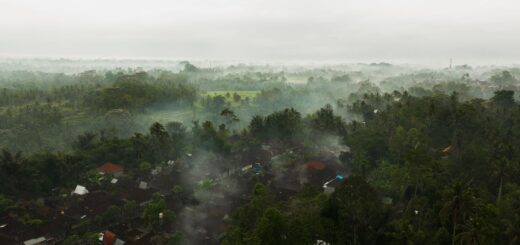
Ranomafana National Park protects one of Madagascar’s most biodiverse rainforest patches — home to 12 lemur species including the golden bamboo lemur, discovered here in 1986. The village of Ranomafana sits at the park’s eastern gate, 65km west of Fianarantsoa along a winding mountain road. Most lodges cluster around the gate or along the river, giving immediate access to the park trails without a drive each morning. The village also has natural thermal hot springs, which the best budget hotels use as selling points.
Best Lodges in the Ranomafana Park Buffer Zone
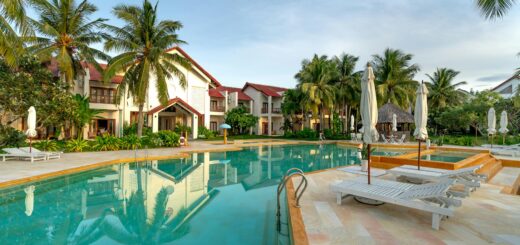
Setam Lodge is the premium choice near Ranomafana — a purpose-built wildlife lodge inside the forest buffer zone, 2km from the main gate on a private track. Its 15 timber bungalows run $80–120 per night including breakfast. The lodge’s location inside the buffer gives guests the rare option of a dawn walk on the trails before the day visitor rush. The resident guide team is strong on golden bamboo lemur tracking, which requires patience and expertise that gate-hired guides often lack.
Centre ValBio, the research station associated with Stony Brook University, accepts non-researcher guests in basic rooms at $40–60 per night when beds are available. Advance booking by email is essential as capacity is limited and research teams have priority. The canteen-style meals are simple but the setting — surrounded by primary rainforest with frog calls at night — is memorable. Compare Ranomafana lodge options on Agoda to check which properties include guiding packages.
Mid-Range Hotels in Ranomafana Village
Hôtel Manja sits on the hillside above the village with panoramic views over the forested valley. Twenty rooms priced $40–65 per night make it the best combination of comfort and value in the area. The restaurant sources local vegetables and river fish and is one of the few places near the park offering a full European breakfast. Staff arrange licensed ANGAP guides at standard park rates and have a good relationship with the gate team — useful for securing early morning entry slots which book up in peak season.
A few smaller guesthouses near the village bridge charge $25–40 per night for clean bungalows with private bathrooms. These suit travelers who want proximity to the park entrance on a tighter budget without going fully budget. The village itself is small — there are no banks or ATMs in Ranomafana. Withdraw cash in Fianarantsoa before the journey and budget 15,000–30,000 MGA per person per day for park fees, guide fees, and meals combined.
Budget Stays and Hot Spring Access Near the Park
Hôtel Thermal is the most distinctive budget option in Ranomafana — a simple guesthouse $25–40 per night that has direct access to the village’s natural thermal hot springs. After a full day on Ranomafana’s humid jungle trails, a soak in geothermally heated water is a genuine luxury at budget price. Rooms are basic but clean; hot water from the spring feeds the showers as well, which is notable for a mountain village at 1,000m elevation.
Several family-run guesthouses near the market charge $12–18 per night for very basic rooms. These are acceptable for budget travelers but lack the thermal bath feature and have shared facilities. The village market operates daily and supplies bread, fruit, and snacks for picnics inside the park — ANGAP does not permit outside food in core areas but the picnic zone near the main trail intersection is designated for it. Night walks are one of Ranomafana’s strongest offerings — book the permit ($15,000 MGA extra) through your accommodation the evening before rather than at the gate the same day to guarantee a licensed guide.
Getting to Ranomafana from Fianarantsoa and Antananarivo
Ranomafana village is 65km west of Fianarantsoa on the RN45, a winding but mostly paved mountain road. Taxi-brousse from Fianarantsoa runs twice daily (morning departures) and costs 8,000–12,000 MGA per seat — journey time is 1.5–2 hours. Private taxi from Fianarantsoa costs 80,000–100,000 MGA for the round trip. From Antananarivo, the standard approach is taxi-brousse to Fianarantsoa (6–8 hours, 30,000–40,000 MGA) then a connection to Ranomafana the following morning.
Self-drivers can reach Ranomafana in 5–6 hours from Antananarivo on the RN7 south to Fianarantsoa, then west on the RN45. A standard car handles this route in dry season; 4WD is recommended in the November–March wet season when the mountain road becomes slippery. Book a self-drive vehicle for the southern circuit on Carla to combine Ranomafana with Isalo and Toliara on one overland loop.
Frequently Asked Questions
Can I visit Ranomafana as a day trip from Fianarantsoa?
Technically yes — it is 65km away — but it is not recommended. The park’s best features are the dawn lemur walks and the night walks, both of which require an overnight stay. A day trip leaves only 3–4 hours in the park after the taxi journey each way.
What is the best season for Ranomafana National Park?
May through November is the dry season and the best time to visit. The trails are drier, wildlife sightings are more frequent, and night walks are more comfortable. December through March brings heavy rain and leeches on the trails, though the golden bamboo lemurs are still present.
How much does a licensed guide cost at Ranomafana?
ANGAP-licensed guides at the park entrance charge 30,000–60,000 MGA per half-day walk depending on trail length and group size. Night walk guides cost 25,000–40,000 MGA extra. Guides from your lodge are often the same people but may include the cost in a package rate.
Ranomafana rewards patience — the golden bamboo lemur and the rare greater bamboo lemur require multiple trail hours to spot, but the encounters are among the most remarkable in Madagascar. Book at least two nights, take the night walk, and make sure your insurance covers remote highland medical situations before you go. Get SafetyWing before your trip — emergency evacuation from the Ranomafana highlands to Fianarantsoa or Antananarivo is covered.
Travel Insurance for Madagascar
Medical evacuation from Madagascar costs $30,000–$80,000. Don’t travel without cover.
- SafetyWing — monthly-subscription travel medical cover; you can check their plans.
- World Nomads — single-trip travel insurance with adventure-activity options.
Flight delayed or cancelled? Flights to Madagascar often connect through Paris or Nairobi. EU regulation EC 261 may entitle you to up to €600 in compensation. Check your claim free on AirAdvisor →
Plan Your Trip to Madagascar
- Read the full Madagascar Travel Guide
- Explore itineraries by style and duration
- Plan a 10-Day Madagascar Itinerary
Where to Stay