Madagascar Street Food Guide: What to Eat, Where to Find It, and Safety Tips (2026)
At a Glance
- Book tours: Browse Madagascar tours on GetYourGuide
Disclosure: This post contains affiliate links. We may earn a small commission if you book through our links, at no extra cost to you.
When travelers search for Madagascar street food, they are looking for something more than cheap bites on the go. They are searching for an authentic cultural experience — one that reflects daily life, local ingredients, and the real flavors of the island beyond hotel restaurants and tourist menus.
Street food in Madagascar is not just convenience food. It is a living part of Malagasy culture, shaped by necessity, tradition, and creativity. From early morning rice cakes sold on roadside stalls to evening grilled skewers cooked over charcoal fires, street food is woven into the rhythm of everyday life across cities, towns, and villages.
Plan your Madagascar trip: Browse guided tours and experiences on GetYourGuide and Viator. Book in advance during peak season.
Understanding Street Food Culture in Madagascar
Street food in Madagascar exists at the intersection of affordability and tradition. Most vendors operate small roadside stalls, market stands, or simple mobile setups. Food is typically prepared fresh throughout the day, often in front of customers — this transparency is one of the reasons why street food is so widely consumed locally.
The foundation of Malagasy street food is simplicity. Ingredients are locally sourced, cooking methods are traditional, and dishes are designed to be filling and affordable rather than elaborate. The result is food that is genuine, unpretentious, and deeply satisfying.
The Most Popular Madagascar Street Food Dishes
Mofo Gasy: The Iconic Malagasy Rice Cake
One of the most popular breakfast street foods in Madagascar. The name literally means “Malagasy bread,” but it is made from rice flour, sugar, and sometimes coconut milk, cooked in small round molds over charcoal stoves. Soft, slightly sweet, and freshly made throughout the early hours of the day. Typically eaten with coffee or tea. Available in nearly every town across the island.
Sambos: Malagasy Fried Pastries
Crispy fried pastries filled with ground beef, vegetables, spiced onions, or sometimes seafood in coastal areas. Similar in concept to samosas. Usually served hot, popular as mid-day or evening snacks. Widely available near markets, bus stations, and busy intersections. Inexpensive and deeply satisfying.
Health & Safety Essentials for Madagascar
Madagascar Has Some of the Highest Malaria Risk in the World
The rainforests of Andasibe, the wetlands of Morondava, the rice paddies outside every village — mosquitoes are relentless and bite at dusk and dawn. DEET burns skin and destroys gear. Natrapel 20% Picaridin is the CDC-recommended alternative that repels mosquitoes, ticks, and sandflies for up to 12 hours without damaging your equipment.
Check current price and availability on Amazon →
Madagascar’s Water Will Make You Sick — Unless You’re Carrying This
Tap water in Madagascar is not safe to drink anywhere — and the real danger is viruses (cholera, typhoid, hepatitis A) that standard filters don’t remove. The Grayl GeoPress removes viruses, bacteria, protozoa, and heavy metals in one 8-second press. Fill from any tap or river. Press. Drink. No chemicals, no waiting.
Check current price and availability on Amazon →
A Lighter Way to Never Pay for Bottled Water Again in Madagascar
Trekking through Isalo, cycling the RN7 — bottled water is bulky, expensive, and gone in an hour under Madagascar’s sun. The LifeStraw Go filters bacteria, parasites, and microplastics directly through the straw as you drink. No pumping, no waiting, no chemicals. Under $35 — the lightest way to guarantee safe hydration across Madagascar.
Check current price and availability on Amazon →
Travel insurance: Protect your trip with SafetyWing (flexible, affordable) or World Nomads (adventure coverage). Essential for Madagascar.
Koba: Sweet Banana and Peanut Snack
A traditional Malagasy sweet made from mashed bananas, ground peanuts, and rice flour, wrapped in banana leaves and steamed or boiled until firm. Dense texture and naturally sweet flavor without refined sugar in its traditional form. Especially popular in central highland regions and often sold in markets.
Grilled Skewers (Brochettes)
A major part of evening street food culture in Madagascar. Skewers of zebu beef, chicken, or occasionally pork and fish, marinated simply with garlic, salt, and local spices before being grilled over charcoal. Usually served with rice or bread. A common late-afternoon or evening meal for locals and travelers alike — smoky, satisfying, and very affordable.
Related articles:
Street Food in Major Cities vs Rural Areas
Antananarivo and Urban Centers
More diverse and commercially organized. Vendors often specialize in specific dishes, and competition leads to consistent quality. Dense street food markets with high turnover of fresh food and more variety in snacks and grilled items. Urban street food is also influenced by French culinary traditions, especially in baked goods.
Rural Areas
Simpler and more seasonal. Vendors sell what is locally available with limited menus. Common items include rice-based dishes, simple fried snacks, and fresh seasonal fruit. While variety is lower, the food is extremely fresh and closely tied to local agricultural production.
Best Places to Experience Street Food in Madagascar
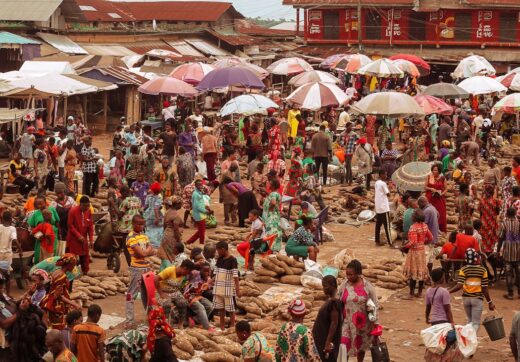
- Local markets — The heart of street food culture. Best visited early morning and late afternoon when vendors are most active.
- Bus stations and transport hubs — Filled with vendors catering to travelers and commuters. Ideal for quick, affordable meals.
- Night food stalls — In larger towns, evening stalls become gathering points where grilled meats and hot snacks dominate the scene.
Coastal vs Inland Street Food
Coastal areas: More seafood-based options including grilled fish and seafood skewers. Coconut-based flavors more common. Fresh catch available at low prices directly from vendors on the waterfront.
Inland regions: More focused on meat, rice, and fried snacks, reflecting agricultural traditions and livestock availability. Zebu beef skewers are particularly prominent.
Street Food Prices in Madagascar
| Item | Price Range |
|---|---|
| Mofo gasy | $0.10–$0.50 per piece |
| Sambos | $0.20–$1 each |
| Koba | $0.50–$2 per portion |
| Grilled skewers | $0.50–$2 depending on meat |
Street food in Madagascar is one of the world’s most affordable culinary experiences. A full day’s eating from street vendors rarely exceeds $5–$8 for a budget traveler.
Safety Tips for Eating Street Food in Madagascar
- Choose busy stalls — High customer turnover means fresher food and better hygiene standards
- Eat freshly cooked food — Foods cooked in front of you (grilled or fried) are generally safest
- Avoid raw or unwashed items — Fresh fruit is safe when peeled; avoid pre-cut items sitting out
- Drink bottled water — Water quality varies; always use bottled water when eating street food
Plan Your Madagascar Adventure
- GetYourGuide — Guided tours, food experiences, and excursions
- Viator — Island hops, wildlife safaris, coastal tours
- Agoda — Hotels across Madagascar
- Carla — Car rentals for independent travel
- SafetyWing — Travel insurance for your trip
Cultural Importance of Street Food in Madagascar
Street food is not just about affordability — it reflects social and cultural patterns. In many communities, street food is a daily ritual that brings people together. Families buy breakfast on the way to work or school, workers eat quick meals during lunch breaks, and groups gather around evening food stalls. Street food is deeply integrated into the rhythm of Malagasy urban life.
Frequently Asked Questions
What is the most popular street food in Madagascar?
Mofo gasy and sambos are among the most widely consumed street foods across the country.
Is street food safe in Madagascar?
Yes, if you choose freshly cooked food from busy vendors with high turnover.
How much does street food cost in Madagascar?
Most items cost between $0.10 and $2. A full day of street food eating rarely exceeds $5–$8.
What time is best for street food in Madagascar?
Early morning for breakfast foods (mofo gasy, coffee) and evening for grilled items and brochettes.
What is koba made of?
Koba is made from mashed bananas, ground peanuts, and rice flour, wrapped in banana leaves and steamed.
Is Malagasy street food spicy?
Generally no — most street food is mild in flavor, with optional chili condiments available separately.
Final Thoughts
Street food in Madagascar offers more than just affordable meals — it provides a direct connection to local life, traditions, and daily routines. Each dish tells a story of resourcefulness, cultural heritage, and community. For travelers, exploring street food is one of the most authentic ways to experience Madagascar. It allows you to step outside tourist restaurants and into the heart of everyday Malagasy culture, where food is simple, fresh, and deeply meaningful.
Ready to explore Madagascar? Book tours on GetYourGuide or Viator, accommodation on Agoda, and travel insurance with SafetyWing.
Flight delayed or cancelled? Flights to Madagascar often connect through Paris or Nairobi. EU regulation EC 261 may entitle you to up to €600 in compensation. Check your claim free on AirAdvisor →
Plan Your Trip to Madagascar
- Read the full Madagascar Travel Guide
- Explore itineraries by style and duration
- Where to See Lemurs in Madagascar
Where to Stay