Madagascar’s Most Threatened Parks: Conservation and Why Your Visit Helps
This post contains affiliate links. We may earn a small commission at no extra cost to you.
At a Glance
- Book tours: Browse Madagascar tours on GetYourGuide
🐿 Wildlife-Watching Gear for Madagascar
The right kit turns a good wildlife trip into a great one:
- 8×42 binoculars — essential for spotting lemurs and chameleons in the canopy. See on Amazon →
- Rechargeable headlamp — essential for night walks; red mode won’t disturb wildlife. See on Amazon →
- Trekking poles — ultralight support for long park hikes. See on Amazon →
- Hiking daypack — comfortable pack for water, camera and layers. See on Amazon →
- Picaridin insect repellent — DEET-free protection against malaria mosquitoes. See on Amazon →
As an Amazon Associate we earn from qualifying purchases.
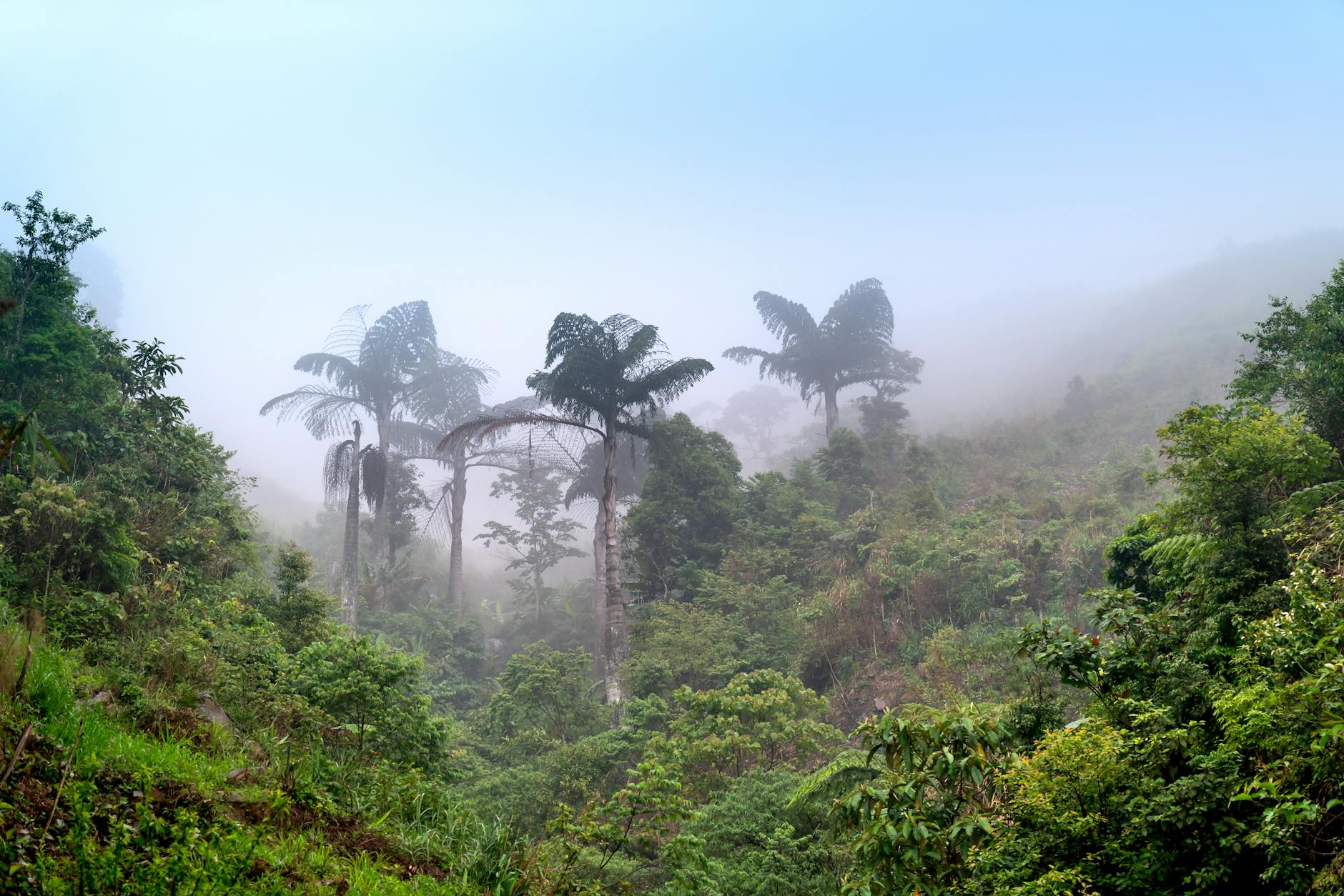
Madagascar has lost more than 90% of its original forest cover, and several national parks and special reserves face ongoing pressure from illegal logging, slash-and-burn agriculture, and inadequate government funding. Tourist visits generate the park fees and guide income that fund ranger salaries and anti-poaching patrols. This guide identifies the most threatened parks and explains how your visit directly contributes to their survival.
Plan your Madagascar trip:
Why Madagascar’s Parks Are Under Threat
Madagascar ranks among the world’s most threatened biodiversity hotspots. The country lost approximately 3.5 million hectares of forest between 1950 and 2020 — over half of what remained at independence. Slash-and-burn agriculture (tavy) remains the primary driver, practised by subsistence farming communities who lack economic alternatives. Illegal rosewood and ebony logging, which escalated dramatically following the 2009 political crisis, stripped large areas of Marojejy and Masoala of hardwood timber. Mining concessions encroach on buffer zones in the southeast near Fort Dauphin. Park rangers are chronically underpaid and understaffed — ANGAP manages 50-plus protected areas with a total national budget insufficient to maintain 24-hour coverage across even the most critical forest blocks. Tourist revenue directly subsidises this chronically underfunded system.
Most Threatened Protected Areas in Madagascar
Marojejy National Park faces illegal rosewood extraction that continues in forest corridors adjacent to the core zone. The silky sifaka population here is one of the last viable groups of the species, and habitat loss directly threatens it. Tsaratanana Massif Reserve in the north, containing Madagascar’s highest peak at 2,876 metres, is inadequately patrolled and has seen significant forest loss in its buffer zone. Corridor Ankeniheny-Zahamena (CAZ) connecting Ranomafana and Andasibe is a critical wildlife corridor whose integrity is threatened by charcoal production and agricultural encroachment. Daraina Forest in the far north — critical habitat for the golden-crowned sifaka — has limited formal protection. Nosy Hara Marine Reserve in the north faces sustained fishing pressure and inadequate enforcement funding. Visiting any of these parks and paying full entrance fees represents a direct conservation investment.
Read also:
Save money on your Madagascar trip:
How Tourist Fees Fund Conservation
Madagascar’s park entrance fees are modest by international standards — 35,000–45,000 Ariary ($8–12 USD) per person at most sites. These fees flow through ANGAP (Madagascar National Parks) to fund ranger employment, trail maintenance, community liaison, and anti-poaching operations. At parks receiving fewer than 1,000 visitors annually, a single tour group of four paying full fees represents a meaningful contribution to the weekly ranger budget. Beyond entrance fees, guide fees are the most direct economic benefit to local communities — each licensed guide fee paid by a tourist funds a local household. Private conservation organisations including WWF Madagascar, Wildlife Conservation Society, and Durrell Wildlife Conservation Trust supplement government funding at the most critical sites. Visiting their partner parks specifically supports continued international funding of Madagascar’s most threatened areas.
What You Can Do Beyond Paying Entry Fees
Beyond entrance fees, travellers can support Madagascar’s threatened parks in several practical ways. Choose accommodation inside park buffer zones over hotels in distant towns — buffer zone lodges employ local staff and fund community associations with a share of bed revenue. Report obvious illegal activity — fresh cut stumps, charcoal production, or snares on trails — to park staff immediately. Buy local crafts from COBA association shops at park entrances rather than from roadside vendors, as association profits fund conservation directly. Consider donating to partner organisations on return — Madagascar Conservation and Development journal and Malagasy Partnership both publish peer-reviewed information on where conservation funding is most needed. Positive reviews on TripAdvisor and Google Maps increase park visibility and attract future visitors whose fees extend the conservation impact of your own. To book vetted, well-reviewed tours and operators, browse Madagascar experiences on GetYourGuide.
Ready to book your Madagascar trip?
Frequently Asked Questions
How much of Madagascar’s forest has been lost?
Madagascar has lost more than 90% of its original forest cover. Between 1950 and 2020 alone, approximately 3.5 million hectares were cleared, primarily through slash-and-burn agriculture and illegal logging.
Do tourist entrance fees actually help conservation in Madagascar?
Yes, directly. Park fees fund ranger salaries, trail maintenance, and anti-poaching operations through ANGAP. At remote parks with few visitors, a single tour group’s fees represent a meaningful share of the weekly operations budget.
Which Madagascar park is most in need of visitor support?
Marojejy National Park, home to the critically endangered silky sifaka, receives very few visitors despite being exceptional. Every entrance fee and guide fee paid there directly supports one of the world’s most critical wildlife conservation areas.
Visiting Madagascar’s threatened parks is one of the most meaningful wildlife travel choices you can make. The economics are simple: parks with visitors generate funds for rangers; parks without visitors cannot maintain protection and lose forest. Your entrance fee, your guide’s tip, and your accommodation booking inside park buffer zones all contribute to a system that is protecting some of the most irreplaceable biodiversity on earth.
Plan Your Trip to Madagascar
- Read the full Madagascar Travel Guide
- Explore itineraries by style and duration
- Explore the full destination guide
Where to Stay
Hotels, lodges, and tours fill fast for July–September — compare availability now.