Malagasy Textiles and Lamba Cloth: Guide for Buyers and Collectors
This post contains affiliate links. We may earn a small commission at no extra cost to you.
At a Glance
- What is a lamba: the traditional Malagasy rectangular cloth — worn, wrapped, and used as a famadihana shroud
- Key types: lamba akotofahana (figured silk), lamba mena (red ceremonial), lamba landibe (wild silk), lamba arindrano (cotton with woven motifs)
- Where to buy: Soalandy cooperative (Sandrandahy near Ambositra), Ambalavao silk workshops, Antananarivo La Digue craft market
- Price range: 30,000 Ar (cotton scarf) to 1,500,000 Ar+ (large hand-woven silk lamba akotofahana)
- Watch out: machine-printed cotton sold as hand-woven, synthetic dyes labelled as natural — always inspect the weave reverse
- Base for textile shopping: Find hotels in Antananarivo on Agoda
- Travel insurance: SafetyWing
💼 Paperwork & Documents Kit
Keep your visa, passport and papers organised and secure:
- RFID passport holder — protects your passport and blocks card-skimming. See on Amazon →
- Travel document organizer — keeps visa papers, tickets and copies in one place. See on Amazon →
- Digital luggage scale — avoid overweight fees at the airport. See on Amazon →
- Travel journal — record the trip and keep key numbers offline. See on Amazon →
- Packing cubes — pack faster and find everything in seconds. See on Amazon →
As an Amazon Associate we earn from qualifying purchases.
The lamba is the visual signature of Malagasy material culture. A genuine hand-woven silk lamba akotofahana takes a weaver weeks to make and can hang on a wall as a museum piece. This guide shows how to identify the real thing, what fair prices look like, and where to buy directly from the weavers.
The Main Types of Lamba and Their Uses
The umbrella term lamba covers every rectangular cloth in Malagasy use, from a simple cotton wrap a market vendor drapes over her shoulders to a museum-grade silk hanging. The most prized type is lamba akotofahana — figured silk from the highlands woven on a horizontal pit loom with intricate geometric and floral motifs. Historically reserved for Merina royalty, it now appears as ceremonial dress and high-end collectible. Lamba mena (literally “red cloth”, though colour varies) is the traditional famadihana shroud, woven from silk or cotton and used in the second-burial ceremony to rewrap ancestors.
Lamba landibe is woven from wild silk produced by the indigenous Borocera madagascariensis moth that feeds on tapia trees in the central highlands — wonderfully textured, naturally golden-brown, and increasingly rare as tapia forests shrink. Lamba arindrano is cotton with woven coloured stripes and bands, sturdy enough for daily wear. Rabane is the related raffia weaving from the eastern forests. Each tells you something about where you bought it. Background reading from our traditional architecture guide shows how textiles fit the broader regional craft mix.
How to Tell Hand-Woven from Factory
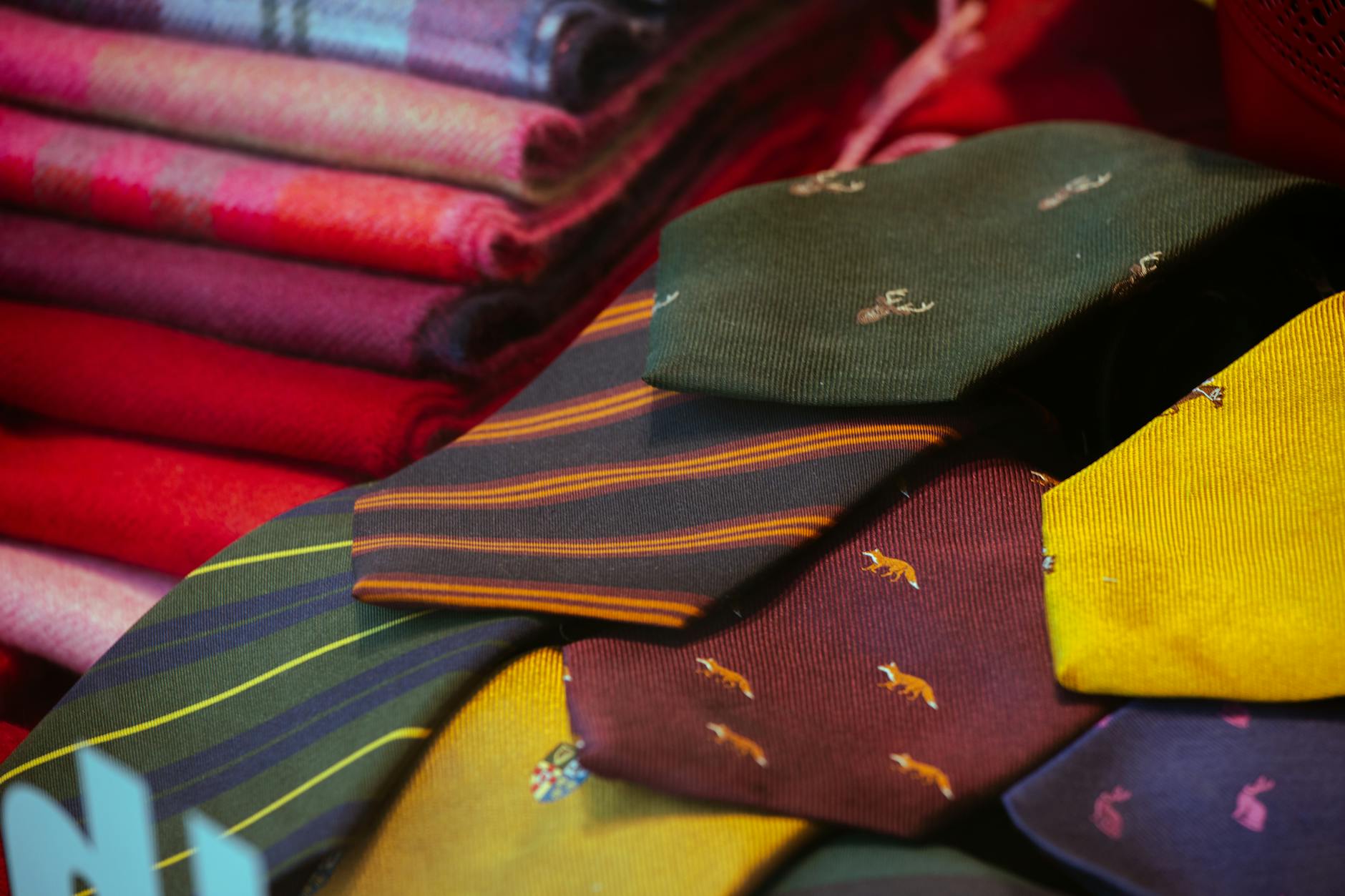
Run your fingers along the reverse of the cloth first. A genuine hand-woven lamba has visible warp and weft threads with small irregularities — a slightly thicker weft here, a slubby silk thread there — and the pattern is created by the weave structure itself, so the motifs appear on both faces with only slightly less definition on the back. A machine-printed or screen-printed cotton lamba has a completely smooth reverse with only the faintest ghost of the front pattern.
Check the edges. Hand-woven cloth has fringed ends formed from the warp threads themselves, or a hand-knotted finish. Machine cloth has straight cut edges, often serged. Inspect the dye by lightly licking your fingertip and pressing it on a corner — natural plant dyes will not run; cheap synthetic dyes may bleed slightly. Weight matters: a substantial silk lamba should feel cool and heavy in the hand, not light and slippery (which suggests polyester). Ask the seller to name the village and the weaver — sellers who source directly will tell you. A quick price sanity-check using our budget guide will keep you from overpaying for printed cotton at silk prices.
Where to Buy: Cooperatives, Markets and Studios
The single best textile destination on the island is Soalandy, a silk weaving cooperative at Sandrandahy, about 20 km east of Ambositra on the RN7. You can watch the entire production — silkworms, cocoon boiling, hand-reeling, dyeing with natural plant materials (lichen for yellow, indigo for blue, baobab bark for brown) and weaving on traditional looms. Prices are higher than at city markets but you are buying directly from the weavers. Allow half a day. Around Ambositra itself, several family workshops offer carded raffia and rabane.
In Antananarivo, the Marché de la Digue beneath Pochard has dozens of textile stalls — wide selection, hard bargaining required, mixed quality. Higher-end pieces appear at Lisy Art Gallery in Antaninarenina (fixed prices, museum-grade, expect 5–10x La Digue prices for hand-woven silk). Ambalavao in the south is famous primarily for Antaimoro paper but also has smaller silk co-ops. In Nosy Be’s Hell-Ville market, you find more coastal cotton work and embroidery. Travelling between these centres is far easier with your own car: Compare Madagascar car rental prices on Carla.
Caring for and Travelling Home with Textiles
Real silk lamba should never go in a washing machine. Spot-clean with cold water and mild soap; for full cleaning use a specialist silk cleaner only on return home. Storing folded for years can produce permanent creases — silk lambas store best rolled around an acid-free tube, or hung loosely on a padded hanger. Keep them out of direct sunlight (natural dyes fade quickly) and in a cool dry place; tropical humidity will encourage mildew on silk.
For travelling home: a large lamba folds smaller than you think but takes up most of a hand-luggage segment when rolled. Customs declaration is rarely needed for textiles but keep your dealer receipt regardless — particularly important for purchases above a few hundred dollars. Avoid pressing textiles flat under heavy luggage; the creases set. If you are buying multiple pieces over a long trip, ask larger studios such as Soalandy or Lisy Art Gallery whether they offer international shipping by DHL or Colissimo — most do for items over $200, and it removes airport hassle. For ceremonial-grade pieces, see also our famadihana guide to understand the cultural significance of what you’ve bought.
Frequently Asked Questions
How much should a real silk lamba cost?
A small hand-woven silk scarf in lamba akotofahana style runs 80,000–200,000 Ar at a cooperative ($18–$45). A medium piece suitable as wall art is 300,000–800,000 Ar ($65–$175). A large museum-grade piece can exceed 1,500,000 Ar ($330+). Anything below 50,000 Ar is almost certainly machine-made cotton.
Can I buy a lamba mena (red shroud cloth) as a tourist?
Yes, contemporary lamba mena pieces are sold at craft markets and cooperatives. Avoid buying antique funerary shrouds — these are family relics with serious cultural weight, and trade in them can be considered disrespectful. New ceremonial-style cloth, woven for sale, is the appropriate purchase.
Are natural plant dyes really lightfast?
Natural dyes are generally less lightfast than modern synthetics — they will gradually fade if exposed to direct sunlight for months. For a textile that will spend its life on a shaded wall or stored folded, this is irrelevant. For a daily-wear scarf, expect some softening of colour over years of use.
A hand-woven Malagasy lamba is one of the most meaningful purchases you can make on the island — a piece of textile art that supports rural weaving cooperatives and carries genuine cultural weight. Insure your trip and your textile haul both: Get SafetyWing before you fly —. Even modest baggage cover replaces clothes if your suitcase is lost, and bigger pieces deserve a separate valuables rider.
Travel Insurance for Madagascar
Medical evacuation from Madagascar costs $30,000–$80,000. Don’t travel without cover.
- SafetyWing — monthly-subscription travel medical cover; you can check their plans.
- World Nomads — single-trip travel insurance with adventure-activity options.
Plan Your Trip to Madagascar
- Read the full Madagascar Travel Guide
- Explore itineraries by style and duration
- Explore the full destination guide
Where to Stay