Budget pour Marojejy en 2026 : droits d’entrée, guides, porteurs et coûts détaillés
Divulgation d’affiliation : Cet article contient des liens sponsorisés vers des hôtels, voyagistes, assureurs et autres services de voyage. Nous percevons une petite commission si vous réservez via nos liens, sans coût supplémentaire pour vous.
En bref — Budget d’un trek à Marojejy
Coût typique : Un trek de plusieurs jours à la recherche du propithèque soyeux à Marojejy, au départ de Sambava ou d’Andapa — avec les permis du parc, un guide obligatoire, des porteurs, un cuisinier et les frais de campement — revient généralement à environ 250 à 600 € par personne pour la partie trek (approximatif, selon la taille du groupe et le nombre de jours de marche), avant d’ajouter le vol intérieur vers Sambava et vos hôtels. Les tarifs fluctuent et les frais de MNP évoluent, vérifiez donc toujours la tarification actuelle de Madagascar National Parks (MNP).
- Hébergements : hébergements à Madagascar sur Agoda
- On organise pour vous : contacter Carla
- Voiture & chauffeur : voiture & chauffeur via Carla
- Treks guidés : treks guidés sur GetYourGuide
- Vol retardé ? vérifiez votre indemnisation avec AirAdvisor
- Assurance voyage : SafetyWing Nomad Insurance
💰 Transporter son argent en sécurité
Madagascar fonctionne beaucoup en espèces. Sécurisez votre argent :
- Ceinture porte-billets cachée — garde espèces et passeport à l’abri. Voir sur Amazon →
- Portefeuille anti-RFID — organise les cartes et bloque le skimming. Voir sur Amazon →
- Pochette tour de cou / passeport — porte-documents discret en transit. Voir sur Amazon →
En tant que Partenaire Amazon, nous réalisons un bénéfice sur les achats éligibles.
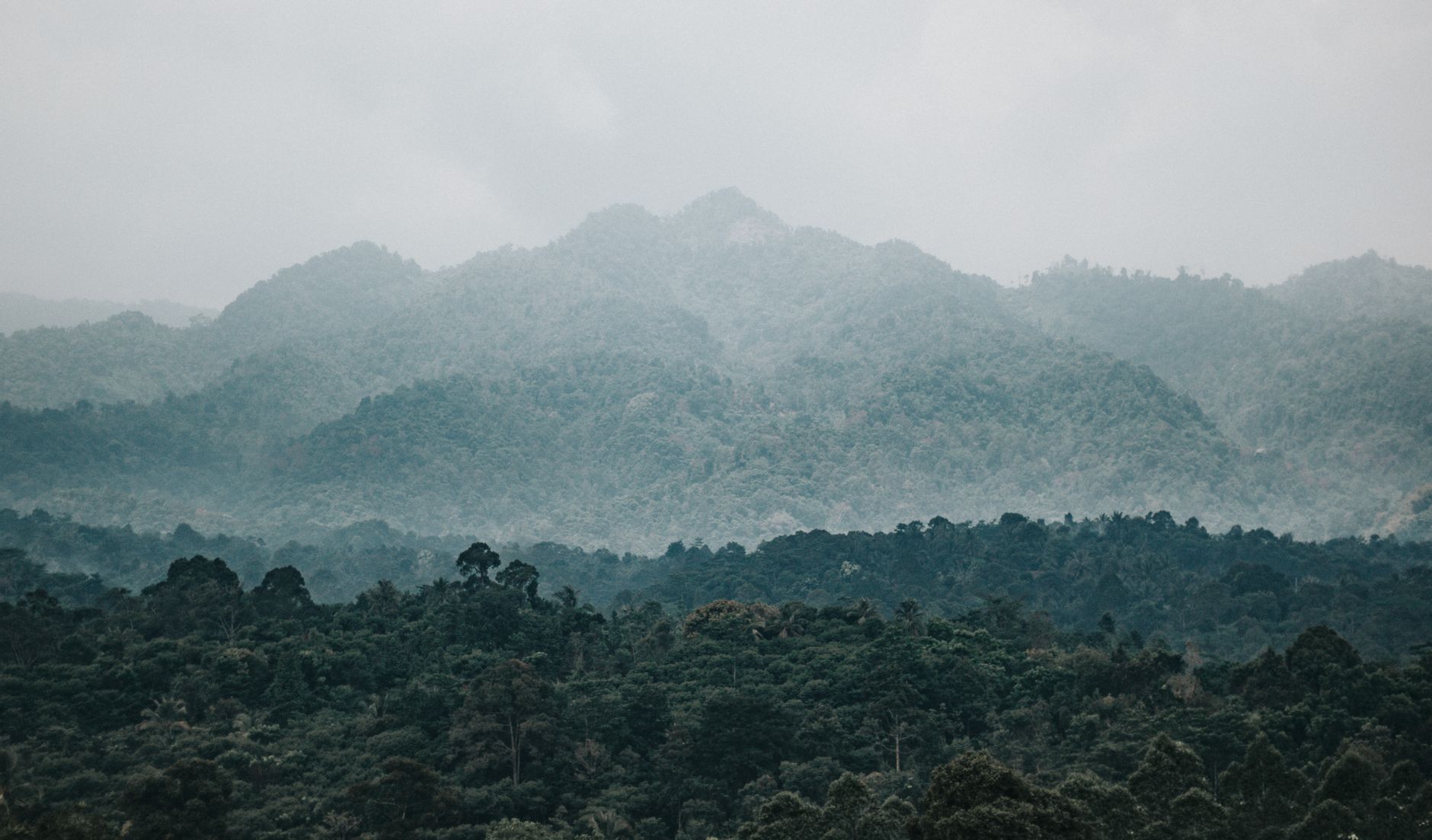
Le parc national de Marojejy, au cœur du nord-est reculé de Madagascar, entre Sambava et Andapa, est l’un des treks les plus gratifiants — et les plus exigeants sur le plan logistique — de l’île. C’est un pays de montagnes couvertes de forêt tropicale, un site classé à l’UNESCO, et le royaume du propithèque soyeux, en danger critique d’extinction, surnommé « l’ange de la forêt ». L’atteindre, le parcourir et y camper coûtent de l’argent, et la façon dont ces coûts s’additionnent est très différente d’une simple sortie d’une journée dans un parc national ailleurs à Madagascar. Ici, l’essentiel de votre budget va à deux choses : l’équipe du trek (guide, porteurs, cuisinier et frais de campement) et tout simplement le fait de vous rendre jusqu’à Sambava.
Ce guide détaille chaque poste de dépense en fourchettes approximatives en euros pour 2026, avec des équivalents indicatifs en ariary, afin que vous puissiez établir un budget réaliste. Considérez chaque montant ici comme une approximation — les frais de parc, les tarifs des guides, les prix des vols et les taux de change évoluent tous, parfois beaucoup, alors confirmez les frais MNP actuels et les prix des opérateurs avant de vous engager. À titre d’ordre de grandeur, comptez environ ~5 000 ariary pour un euro, mais ce taux fluctue aussi. Pour une vision complète du parc lui-même, lisez notre guide pilier du parc national de Marojejy, et pour savoir où vous baser avant et après, consultez notre guide où loger à Marojejy.
Droits d’entrée au parc (Madagascar National Parks / MNP)
Chaque visiteur de Marojejy paie un permis d’entrée journalier à Madagascar National Parks (MNP). Les visiteurs étrangers paient nettement plus que les ressortissants malgaches, et surtout le permis est facturé par jour passé dans le parc — un trek de plusieurs jours signifie donc que vous payez plusieurs jours de permis, et non une entrée unique. À titre indicatif pour 2026, l’entrée journalière adulte étranger se situe généralement autour de 10 à 18 € par personne et par jour (environ 50 000 à 90 000 ariary), mais c’est exactement le genre de montant qui change, alors vérifiez toujours le tarif MNP en vigueur.
Pour un trek classique de 2 nuits / 3 jours à la recherche du propithèque soyeux, prévoyez environ trois jours de permis, soit déjà à peu près 30 à 55 € par personne rien qu’en droits d’entrée. Une tentative plus longue vers le sommet (l’ascension vers le pic de Marojejy) peut représenter quatre voire cinq jours dans le parc, portant les droits d’entrée vers 50 à 90 € par personne. Les enfants et les étudiants peuvent bénéficier de tarifs réduits ; renseignez-vous lors de la réservation. Les permis s’obtiennent normalement au bureau MNP de Manantenina (le village au départ du sentier) ou à l’avance via votre guide ou opérateur — vous ne pouvez pas entrer seul.
Approximatif, les tarifs fluctuent — vérifiez les frais MNP actuels avant de partir.
Frais de guide (obligatoire)
Vous ne pouvez pas randonner à Marojejy sans guide officiel agréé par MNP — c’est obligatoire, pas facultatif, et pour de bonnes raisons : le sentier grimpe à travers une forêt tropicale dense, raide et souvent glissante, et un guide compétent fait toute la différence entre apercevoir un propithèque soyeux ou passer juste à côté. Les frais de guide sont facturés par jour, et un trek de plusieurs jours implique donc naturellement plusieurs jours de guidage.
À titre de fourchette indicative pour 2026, un guide à Marojejy coûte environ 15 à 30 € par jour (environ 75 000 à 150 000 ariary) pour le groupe — ce qui signifie que si vous êtes deux ou trois randonneurs, vous partagez ce coût journalier. Sur un trek de 3 jours, cela représente à peu près 45 à 90 € au total pour le guide, répartis dans votre groupe. Un guide spécialisé anglophone ou francophone, ou un guide pour un trek plus long vers le sommet, peut se situer dans le haut de la fourchette. Les frais de guide sont généralement indiqués séparément des porteurs et du cuisinier, alors lisez attentivement chaque devis pour voir exactement ce qui est inclus. Là encore, ce sont des chiffres approximatifs qui fluctuent — confirmez auprès de MNP ou de votre opérateur.
Porteurs & cuisinier (indispensables pour un trek avec campement)
Comme Marojejy n’a aucun lodge à l’intérieur du parc — vous dormez dans des campements rudimentaires (Mantella, Marojejia et Simpona) — un trek de plusieurs jours implique de transporter tentes, nourriture, eau et matériel jusqu’en montagne. Presque tout le monde engage des porteurs, et la plupart des groupes sur plusieurs jours engagent aussi un cuisinier pour préparer les repas au camp. Ce n’est pas un luxe ; c’est ainsi que le trek se fait réellement, et c’est aussi une source importante de revenus locaux équitables.
Les porteurs et cuisiniers sont facturés par personne et par jour. À titre indicatif pour 2026, comptez environ 7 à 15 € par porteur et par jour (environ 35 000 à 75 000 ariary), et une fourchette similaire pour le cuisinier. Le nombre de porteurs nécessaires dépend de la taille de votre groupe, du nombre de jours de marche et de la quantité de matériel : un randonneur solo sur un trek de 3 jours peut avoir besoin d’un ou deux porteurs ; un groupe de quatre visant le sommet peut utiliser quatre porteurs ou plus, plus un cuisinier.
Pour donner des chiffres : un trek de 3 jours avec deux porteurs et un cuisinier peut ajouter à peu près 60 à 120 € à votre note sur l’ensemble du trek. Une rémunération équitable compte — ce sont de rudes journées à porter des charges en forêt tropicale escarpée, et les tarifs ci-dessus sont un plancher, pas un objectif à négocier à la baisse. Payer un tarif journalier juste (et donner un pourboire en plus) fait partie d’un trek responsable à Marojejy. Tous les chiffres sont approximatifs et sujets à modification.
Campement & équipement
Dans le parc, vous dormez dans des campements simples avec des abris rudimentaires, et il vous faudra généralement une tente ou un abri, un sac de couchage et un matelas. Beaucoup de randonneurs apportent les leurs ; sinon, la location de matériel peut généralement être organisée via votre guide ou opérateur à Sambava ou Andapa, même si le choix est limité et la qualité variable. À titre indicatif, la location de tente et de matériel de couchage pour un trek de plusieurs jours peut ajouter environ 10 à 40 € par personne au total, selon vos besoins et le lieu de location.
Il peut aussi y avoir de petits frais de campement / d’abri à régler à MNP pour l’utilisation des sites — quelques euros par nuit — et vous aurez besoin d’une lampe frontale, de vêtements de pluie et de chaussures de marche solides, que vous devriez apporter de chez vous plutôt que de compter sur une location locale. Si vous réservez un trek organisé tout compris, les tentes, la logistique du camp et souvent le matériel sont regroupés dans un prix unique, ce qui évite les incertitudes. Tous les chiffres sont approximatifs ; confirmez la disponibilité des locations et les frais de campement à l’avance avec votre opérateur.
Se rendre à Sambava (le gros poste de dépense)
Pour la plupart des voyageurs, le coût le plus élevé d’un voyage à Marojejy est tout simplement de rejoindre Sambava, la ville-relais régionale de la côte nord-est. La route terrestre depuis Antananarivo est extrêmement longue, difficile et lente — elle peut prendre plusieurs jours dans chaque sens — c’est pourquoi la solution habituelle est un vol intérieur d’Antananarivo (Tana) à Sambava. À titre de fourchette indicative pour 2026, un vol intérieur aller simple Tana–Sambava se situe généralement autour de 120 à 280 € (environ 600 000 à 1 400 000 ariary), ce qui signifie qu’un aller-retour peut facilement atteindre 240 à 550 € par personne. Les prix varient selon la saison, la demande et l’anticipation de la réservation, alors considérez ceci comme approximatif et réservez tôt. Consultez notre guide des vols intérieurs à Madagascar pour savoir comment trouver et réserver ces vols.
Depuis Sambava, il vous reste à rejoindre le départ du sentier. L’entrée de Marojejy est près de Manantenina, à peu près entre Sambava et Andapa, vous organiserez donc un transfert — un taxi-brousse (minibus partagé), une voiture privée ou un véhicule organisé via votre guide. Un transfert en voiture privée avec chauffeur de Sambava vers Andapa et l’entrée du parc peut coûter environ 20 à 60 € selon le véhicule et s’il vous attend ; une place en taxi-brousse partagé est bien moins chère mais plus lente et moins flexible. Pour simplifier la logistique, vous pouvez organiser une voiture & chauffeur via Carla pour les transferts. Tous les chiffres sont approximatifs et saisonniers.
Hébergement avant & après le trek
Vous passerez presque certainement au moins une nuit à Sambava ou Andapa avant le trek (pour organiser permis et matériel) et au moins une après (pour récupérer et attraper votre vol retour). Les hôtels ici sont modestes mais tout à fait confortables. À titre indicatif, les chambres économiques coûtent environ 10 à 25 € la nuit (environ 50 000 à 125 000 ariary), tandis que les hôtels de gamme moyenne se situent autour de 30 à 70 € la nuit, avec quelques options plus agréables en bord de mer à Sambava dans le haut de la fourchette. Deux ou trois nuits d’hôtel sur l’ensemble du voyage sont réalistes.
Pour des recommandations précises et pour choisir entre Sambava et Andapa comme base, lisez notre guide où loger à Marojejy, et vous pouvez comparer et réserver des chambres via les hébergements à Madagascar sur Agoda. Réserver à l’avance est judicieux dans cette région reculée où les bonnes chambres sont rares.
Nourriture & eau
Pendant le trek lui-même, votre cuisinier prépare les repas au camp à partir de provisions achetées en ville, et le coût de cette nourriture est généralement soit inclus dans un forfait organisé, soit réglé sous forme d’un modeste budget alimentaire journalier. À titre indicatif, prévoyez environ 8 à 15 € par personne et par jour pour la nourriture du trek si vous l’achetez et l’organisez vous-même, moins si vous restez simple. Vous devrez aussi transporter beaucoup d’eau ou disposer d’une méthode de purification fiable, car vous vous réapprovisionnerez aux ruisseaux ; apportez des pastilles de purification ou un filtre plutôt que de compter sur l’achat d’eau en bouteille en montagne (il n’y en a pas).
À Sambava et Andapa, manger est bon marché : un repas local simple peut coûter 2 à 5 €, un dîner au restaurant peut-être 5 à 10 €. Faites le plein d’en-cas, d’électrolytes et de tout produit alimentaire spécifique en ville avant de partir vers le sentier, car il n’y a aucun commerce dans le parc. Chiffres approximatifs et variables.
Pourboires pour les guides & porteurs
Le pourboire est d’usage et attendu à Madagascar pour les guides de trek, les porteurs et les cuisiniers, et il constitue une part significative de leurs revenus sur un trek difficile comme Marojejy. Bien qu’entièrement à votre discrétion, un repère raisonnable est de prévoir environ 10 à 15 % en plus des frais de l’équipe du trek, ou de raisonner en termes de quelques euros par jour pour chaque personne qui a travaillé dur pour vous. Pour un trek de 3 jours avec un guide, deux porteurs et un cuisinier, cela peut représenter de mettre de côté environ 20 à 50 € au total en pourboires, répartis dans l’équipe selon le rôle et l’effort de chacun.
Apportez les pourboires en espèces (ariary), dans des coupures assez petites pour les répartir équitablement, et distribuez-les à la fin du trek. Un pourboire généreux et équitable est l’un des moyens les plus directs pour que votre visite profite à la communauté locale autour de Marojejy.
Exemple chiffré : budget vs confortable
Voici deux exemples réalistes, poste par poste, pour une personne — tous les chiffres sont approximatifs et sujets à modification, destinés uniquement à montrer comment les coûts s’additionnent.
Exemple A — Trek économique de 2 nuits / 3 jours (propithèque soyeux)
- Vol intérieur aller-retour Tana–Sambava : ~240 €
- Permis d’entrée au parc (3 jours) : ~40 €
- Guide (3 jours, partagé en petit groupe) : ~30 € (votre part)
- Porteurs & cuisinier (3 jours, partagés) : ~40 € (votre part)
- Location tente/matériel : ~15 €
- Transferts Sambava ↔ départ du sentier (taxi-brousse partagé) : ~10 €
- 2 nuits d’hôtel économique (Sambava/Andapa) : ~30 €
- Nourriture pendant le trek + en ville : ~35 €
- Pourboires : ~20 €
- Total approximatif : ~460 € par personne (dont le vol seul ~240 €)
Exemple B — Trek organisé confortable (plus long, vers le sommet)
- Vol intérieur aller-retour Tana–Sambava : ~400 € (réservé plus tard / haute saison)
- Permis d’entrée au parc (4–5 jours) : ~80 €
- Forfait trek organisé (guide, porteurs, cuisinier, logistique de camp, matériel) : ~350–500 €
- Transferts en voiture privée Sambava ↔ parc : ~60 €
- 3 nuits d’hôtel de gamme moyenne : ~150 €
- Repas au restaurant en ville : ~40 €
- Pourboires : ~50 €
- Total approximatif : ~1 130–1 280 € par personne
L’écart entre les deux tient surtout au prix du vol, au fait de tout organiser soi-même ou d’acheter un forfait tout compris, et au nombre de jours passés dans le parc. Un trek guidé sur GetYourGuide regroupe la logistique du trek dans un prix unique réservable, tandis que tout organiser soi-même à Sambava revient moins cher mais demande plus d’efforts. Tous les chiffres sont approximatifs — vérifiez les prix actuels.
Conseils argent — apportez toutes vos espèces
Voici le point pratique le plus important concernant l’argent à Marojejy : il n’y a aucun distributeur dans le parc, aucun au départ du sentier, et des distributeurs limités, parfois peu fiables, à Sambava. Andapa offre encore moins d’options bancaires. Vous devez retirer l’argent dont vous avez besoin avant de quitter les grandes villes — idéalement à Antananarivo ou dès que possible de façon fiable à Sambava — et emporter assez d’ariary pour couvrir permis, équipe du trek, pourboires, nourriture et transferts, plus une marge pour l’imprévu.
La plupart des paiements du trek, des pourboires et des dépenses en petite ville se font uniquement en espèces, en ariary. L’acceptation des cartes est rare voire inexistante dès que l’on quitte le centre de Sambava. Apportez un mélange de coupures pour pouvoir payer équitablement et donner facilement des pourboires, et gardez vos espèces en sécurité, réparties à plusieurs endroits. Pour un récapitulatif complet sur le retrait, le transport et le change d’argent à Madagascar, lisez notre guide de la monnaie & des devises à Madagascar. Planifiez vos espèces avec soin — se retrouver à court ici est vraiment problématique.
Comment économiser — et comment le faire confortablement
Pour économiser : voyagez en petit groupe afin de partager les coûts journaliers de guide, cuisinier et transferts ; réservez votre vol intérieur le plus tôt possible ; apportez votre propre tente, sac de couchage et vêtements de pluie de chez vous ; logez dans des pensions économiques à Andapa ou Sambava ; mangez des repas locaux en ville ; et organisez vous-même permis et équipe au bureau MNP plutôt que d’acheter un circuit en forfait. Un trek plus court de 2 nuits pour voir le propithèque soyeux coûte bien moins qu’une tentative de sommet sur plusieurs jours tout en offrant la faune phare.
Pour le faire confortablement : réservez un trek organisé tout compris afin que permis, équipe complète, matériel de camp et transferts soient pris en charge pour vous ; choisissez des hôtels de gamme moyenne à Sambava avant et après ; prévoyez une journée de marge autour de votre vol en cas de retard ; et ajoutez un jour ou deux dans le parc pour un rythme détendu et une meilleure chance d’atteindre le sommet. Dans tous les cas, le propithèque soyeux — que l’on ne trouve presque nulle part ailleurs sur Terre — est la récompense. Pour le contexte plus large du parc, voyez notre guide des parcs nationaux & réserves de Madagascar, le guide du trek du propithèque soyeux, et les forfaits de circuits à Marojejy prêts à réserver.
S’y rendre & bien voyager
Comme presque tout le monde prend l’avion jusqu’à Sambava pour rejoindre Marojejy, votre voyage repose sur un vol intérieur — et les horaires intérieurs à Madagascar peuvent changer, avec des retards et des annulations occasionnelles. Si votre vol est retardé ou annulé, vous pourriez avoir droit à une indemnisation, alors cela vaut une rapide vérification avec AirAdvisor pour voir si vous pouvez réclamer.
Marojejy est reculé, physiquement exigeant et loin des principales structures médicales, ce qui rend une bonne assurance voyage essentielle plutôt que facultative. SafetyWing Nomad Insurance est une option pratique et adaptée aux voyageurs qui couvre ce type de séjour, y compris la couverture médicale lorsque vous êtes sur le terrain. Compte tenu du terrain escarpé, des campements et de la distance aux hôpitaux, disposer d’une couverture adéquate avant de poser le pied sur le sentier est l’un des quelques euros les plus intelligents que vous dépenserez — souscrivez votre police SafetyWing avant de quitter votre domicile.
Laissez Carla organiser votre trek à Marojejy
Marojejy est l’un des voyages les plus délicats à organiser seul à Madagascar — vols, permis, un guide et une équipe fiables, transferts et hôtels doivent tous s’aligner dans une région reculée. Carla peut vous décharger de la logistique, du vol vers Sambava au transfert jusqu’au sentier et au choix du bon guide. Contactez Carla pour organiser votre trek, ou réservez une voiture & chauffeur via Carla fiable pour les transferts vers Sambava.
Foire aux questions
Combien coûte l’entrée au parc de Marojejy ?
L’entrée journalière adulte étranger à Marojejy est d’environ 10 à 18 € par personne et par jour (environ 50 000 à 90 000 ariary), facturée par jour dans le parc ; un trek de 3 jours signifie donc environ trois jours de permis (~30 à 55 €). Ce sont des chiffres approximatifs — les frais MNP changent, vérifiez donc le tarif actuel de Madagascar National Parks avant de partir.
Dois-je payer pour les porteurs ?
Vous n’y êtes pas strictement obligé, mais pour un trek avec campement de plusieurs jours vous en aurez presque certainement besoin, car vous devez transporter tentes, nourriture et matériel en montagne et il n’y a aucun lodge dans le parc. Les porteurs coûtent environ 7 à 15 € par porteur et par jour, plus un cuisinier à un tarif similaire. Une rémunération équitable compte — ce sont de rudes journées à porter des charges en forêt tropicale. Tous les chiffres sont approximatifs.
Quel est le coût total d’un trek à Marojejy ?
Approximativement, un trek économique de 3 jours pour le propithèque soyeux, vol aller-retour vers Sambava inclus, peut totaliser environ 460 € par personne, tandis qu’un trek organisé plus long et confortable peut atteindre 1 100 à 1 300 € par personne. La partie trek seule (permis, guide, équipe, matériel) revient à environ 250 à 600 €. La plus grande variable est le vol intérieur. Tous les chiffres sont approximatifs et sujets à modification.
Faut-il prendre l’avion ou la route jusqu’à Sambava ?
L’avion. La route terrestre depuis Antananarivo est extrêmement longue et difficile et peut prendre plusieurs jours dans chaque sens, c’est pourquoi presque tout le monde prend un vol intérieur Tana–Sambava (environ 120 à 280 € l’aller simple). Réservez bien à l’avance, car les tarifs grimpent à l’approche du départ. Consultez notre guide des vols intérieurs pour des conseils de réservation.
Combien d’espèces faut-il apporter ?
Apportez tout l’argent dont vous aurez besoin avant d’atteindre le départ du sentier — il n’y a aucun distributeur dans le parc et seulement des distributeurs limités, parfois peu fiables, à Sambava. Emportez assez d’ariary en espèces pour couvrir permis, équipe du trek, pourboires, nourriture et transferts, plus une marge. La plupart des paiements ici sont en espèces uniquement ; les cartes sont rarement acceptées. Voyez notre guide de la monnaie & des devises pour les détails.
Prêt à budgétiser votre aventure à Marojejy ?
Laissez Carla gérer les détails — le vol vers Sambava, les permis, un guide et une équipe de confiance, les transferts et les hôtels — pour que vous puissiez vous concentrer sur le propithèque soyeux. Contactez Carla pour organiser et chiffrer votre trek, réservez des hébergements à Madagascar sur Agoda, parcourez les treks guidés sur GetYourGuide, et protégez votre voyage avec SafetyWing Nomad Insurance.
Planifiez Votre Voyage à Madagascar
- Lire le guide de voyage complet Madagascar
- Explorer les itinéraires par style et durée
- Explorer le guide complet de la destination
Où Dormir