Planning a Nature Trip to Madagascar: Complete Start-to-Finish Checklist
This post contains affiliate links. We may earn a small commission at no extra cost to you.
At a Glance
- Visa: Available on arrival — 30 days (€13) or 60 days (€25), no advance application needed
- Best months: May–October (dry season across all regions)
- Flights: Air France via Paris CDG is the primary route — check delays before travel
- Flight delay protection: Check your claim free on AirAdvisor
- Car rental (essential): Compare 4WD prices on Carla
- Travel insurance: SafetyWing — medical evacuation from Madagascar costs $30,000–$80,000 uninsured
🐿 Wildlife-Watching Gear for Madagascar
The right kit turns a good wildlife trip into a great one:
- 8×42 binoculars — essential for spotting lemurs and chameleons in the canopy. See on Amazon →
- Rechargeable headlamp — essential for night walks; red mode won’t disturb wildlife. See on Amazon →
- Trekking poles — ultralight support for long park hikes. See on Amazon →
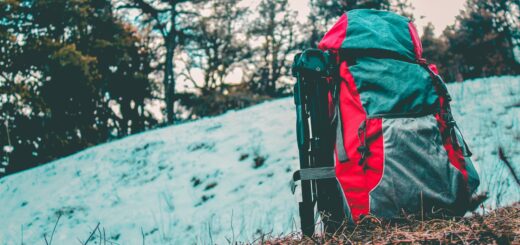
- Hiking daypack — comfortable pack for water, camera and layers. See on Amazon →
- Picaridin insect repellent — DEET-free protection against malaria mosquitoes. See on Amazon →
As an Amazon Associate we earn from qualifying purchases.
A Madagascar nature trip has more moving parts than most destinations — domestic flights with limited schedules, park guides who need to be booked before you arrive, health preparation that takes months, and road conditions that make route planning non-trivial. This checklist organises every decision by timeframe so nothing gets missed and nothing gets rushed.
Plan your Madagascar trip:
6–12 Months Before: Season, Route and Duration
The first decision is season: May through October gives dry trails, active diurnal wildlife and comfortable temperatures across the east and west. November to April is technically possible for the east and highlands but brings cyclone risk in the northeast, impassable tracks in the west and significantly diminished wildlife encounter rates in most parks. Once season is decided, define your route by the parks you must visit — not by the transport logic, which should follow. A first trip to Madagascar commonly covers Andasibe (east, lemurs), Ranomafana (east, rare species), Isalo (south, ring-tailed lemurs and canyon scenery) and the RN7 corridor between them — a 10-day loop from Antananarivo that requires no domestic flights. Adding Kirindy requires either a 4-hour drive from Antananarivo or a flight to Morondava; adding Masoala requires a flight to Maroantsetra. Plan duration from park nights out: two nights minimum per major park, one day each for transfers between parks that share a road corridor. Ten to fourteen days gives a first trip that does not feel rushed. Book international flights as soon as the season is confirmed — Air France Paris CDG to Antananarivo fills significantly for July and August by March of the same year. If your Paris connection is delayed, AirAdvisor can recover up to €600 in compensation under EU regulation EC 261 — keep your boarding passes for all connection legs.
1–3 Months Before: Accommodation, Guides and Park Permits
This is the window where most first-time Madagascar trips either succeed or struggle. Accommodation near the main parks (Andasibe, Ranomafana, Kirindy) has limited capacity — the good lodges and guesthouses in each village often operate at 70% to 90% occupancy in peak season with return visitors accounting for a large share of bookings. Reserve accommodation as soon as flights are confirmed, not as an afterthought. Specialist guides — the type who know individual lemur group territories, not just park circuits — are the rarest resource. At Ranomafana, there are roughly 8 to 12 guides qualified to lead golden bamboo lemur searches reliably; most are contracted through Centre ValBio or their associated guesthouse contacts. At Kirindy, guides with documented fossa encounter experience number fewer than 20 island-wide. Contact guides directly via park stations or book through operators who have verified their credentials. Domestic flights via Air Madagascar between Antananarivo and Morondava, Tuléar, Fort-Dauphin or Maroantsetra book out quickly for July and August — purchase by April at the latest. Park permits at ANGAP-managed parks do not require advance booking but confirm current fee levels at angap.mg before arrival as fees are updated annually. Book your 4WD rental on Carla now — peak season inventory in Antananarivo is limited and prices increase significantly for last-minute rentals in July.
Read also:
Save money on your Madagascar trip:
2–4 Weeks Before: Health Prep, Vaccinations and Insurance
Madagascar’s health preparation is significant and non-negotiable. Malaria is present in all low-altitude areas year-round — begin your antimalarial regimen on schedule (atovaquone-proguanil starts 1 day before, doxycycline starts 2 days before, mefloquine starts 2 weeks before). Recommended vaccines for Madagascar include hepatitis A, hepatitis B, typhoid, rabies (if handling wildlife, highly relevant for primate-focused trips), and a routine diphtheria-tetanus-polio update. Yellow fever vaccination is required if arriving from a yellow fever-endemic country. Altitude in the highlands reaches 1,200 to 1,400 metres — not a concern for acclimatisation but pack a fleece for highland park mornings. Medical facilities in Madagascar are concentrated in Antananarivo. Outside the capital, hospitals are basic and equipped for trauma stabilisation only — complex medical care requires evacuation, costing $30,000 to $80,000 without insurance. SafetyWing’s Nomad Insurance covers medical evacuation, hospitalisation and emergency repatriation globally — purchase at least 48 hours before travel so the waiting period clears. For adventure activities including diving, trekking above 4,000m equivalent, or motorbike hire, World Nomads covers these specifically where SafetyWing does not.
Arrival Day to Day 1: Antananarivo and First Park Transfer
Ivato International Airport in Antananarivo is the entry point for all visitors. Immigration at arrival is efficient and visa-on-arrival purchase (30 or 60 days, payable in euros, US dollars or ariary) takes 15 to 30 minutes. Exchange currency at the airport bank for a small first reserve — ATMs at Ivato are functional but lines form at peak arrivals. Transfer to central Antananarivo takes 30 to 45 minutes depending on traffic. If arriving in the evening for an early Andasibe departure, stay near the airport at Hotel Ibis (reliable, consistent quality, $70 to $90 per night) rather than in central Tana to eliminate morning traffic delays. Day 1 for most first-time visitors means the Andasibe road: departure by 6am, arrival at the park entrance by 8:30am for the morning walk circuit. The RN2 east towards the coast passes through steep highland terrain with no fuel stations between Antananarivo and Andasibe — fill the tank before departure. The village of Andasibe has a single ATM (Telma network) that functions intermittently; bring sufficient ariary from Antananarivo for your park stay. For the rest of the RN7 circuit, Fianarantsoa has reliable ATMs and a full market day stop can resupply food for the southern leg. Structure Day 1 so you arrive at whichever park is your first before noon — afternoon guide availability drops significantly as experienced guides take midday breaks.
Ready to book your Madagascar trip?
Frequently Asked Questions
Do I need a yellow fever vaccination for Madagascar?
Only if arriving directly from a yellow fever-endemic country. Madagascar itself is not a yellow fever-endemic destination, but the airport health authority requires proof of vaccination from travelers arriving from endemic countries in sub-Saharan Africa or South America. If flying via Paris (Air France route), no yellow fever certificate is required regardless of your country of origin. Consult a travel health clinic at least 6 weeks before departure for your specific vaccination profile.
Can I plan a Madagascar nature trip independently without a tour operator?
Yes, and most experienced nature travelers prefer it. The key tasks that require advance work when going independent: book guides at each park directly or through park stations, confirm accommodation at village lodges (not bookable on major OTA platforms in many cases), purchase domestic flights before arrival for remote sites like Masoala or Kirindy, and confirm current park permit prices. Independent travel costs 20 to 40% less than equivalent package tours and gives more flexibility for morning and night walk timing.
What is the single most common planning mistake first-time Madagascar travelers make?
Underestimating travel time between parks. On a map, Antananarivo to Ranomafana looks like a short drive — it is 7 hours on a good day, longer after rain. Ranomafana to Isalo is another 4 to 5 hours. Building full transfer days into the itinerary is not wasted time — it is the difference between arriving at 3pm too tired for an afternoon walk and arriving at 11am with a morning circuit still ahead. Never plan a park departure and an arrival at a different park on the same day as your best morning walk at either location.
A Madagascar nature trip that works is the product of decisions made 6 to 12 months before arrival — season, route, guides and domestic flights confirmed before the international tickets are even purchased. The island rewards the traveler who does the preparation; it punishes the one who leaves the details to chance. Use this checklist as a living document: check items off in sequence, not all at once, and the trip almost plans itself. Keep AirAdvisor bookmarked for your Paris connection — Madagascar flights connect through hub airports where delays are statistically common, and EC 261 compensation can cover a significant portion of trip costs when things go wrong.
Plan Your Trip to Madagascar
- Read the full Madagascar Travel Guide
- Explore itineraries by style and duration
- Explore the full destination guide
Where to Stay
Hotels, lodges, and tours fill fast for July–September — compare availability now.