Itinéraire 3 Jours à Morondava : Avenue des Baobabs et Forêt de Kirindy 2026
Cet article contient des liens affiliés. Nous percevons une petite commission sans frais supplémentaires pour vous.
En Bref — Morondava en 3 Jours
- Meilleure période : Avril–novembre (saison sèche, pistes sablonneuses praticables)
- Y accéder : Vol Tsaradia quotidien depuis Antananarivo (~1h 15min) ou 12h+ en 4×4
- Transport : Louez un 4×4 avec chauffeur-guide — Kirindy exige un véhicule tout-terrain
- Incontournable : Avenue des Baobabs au coucher du soleil, balade nocturne à la fossa
- Budget : ~60–80 $/jour économique | ~100–150 $/jour milieu de gamme
- Réservez maintenant : Comparez les hôtels de Morondava sur Agoda →
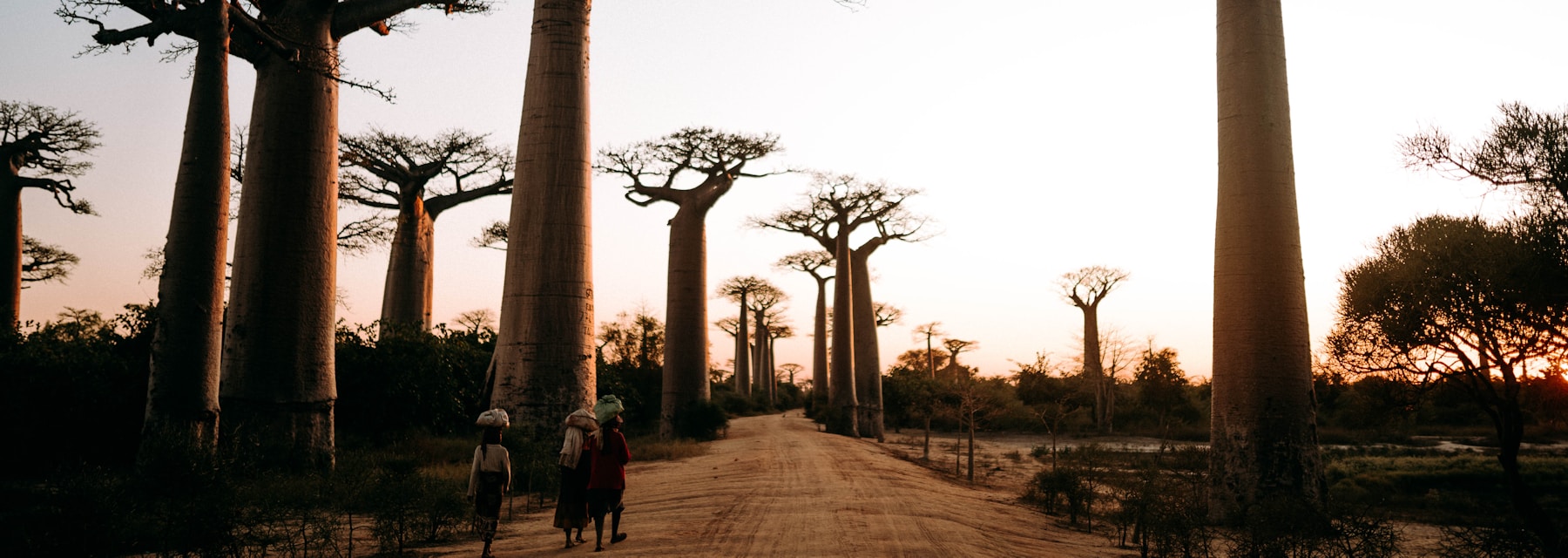
Morondava offre la scène la plus photographiée de Madagascar : l’Avenue des Baobabs, où des Adansonia grandidieri vieux de 800 ans se dressent sur un sol rouge latéritique à l’heure dorée. Cet itinéraire de trois jours associe ce moment iconique au coucher du soleil avec un safari dans la forêt de Kirindy — le seul site fiable de Madagascar pour observer la fossa, le plus grand carnivore de l’île. Le circuit est suffisamment compact pour un long week-end, mais assez riche pour justifier un voyage dédié à la côte ouest de Madagascar.
Équipement recommandé pour votre voyage animalier à Madagascar
Vous voyagez à 10 000 km pour voir des lémuriens, des caméléons et des fossas — ne documentez pas ça avec un téléphone
Les indris appelant à travers la canopée d’Andasibe. Les caméléons panthère en bleu électrique et orange. La fossa aperçue lors d’une balade nocturne à Kirindy. Un capteur de smartphone dans la pénombre produit des images floues et décevantes. Le Sony a6400 avec autofocus en temps réel sur les yeux verrouille instantanément les animaux — même en faible lumière. Capteur APS-C, vidéo 4K.
Vérifier le prix et la disponibilité sur Amazon →
Madagascar compte plus de 100 espèces de lémuriens et 280 espèces d’oiseaux — sans jumelles, vous en raterez la plupart
Les sifakas bondissent entre les arbres de la canopée à 30 mètres de hauteur. L’aigle pêcheur de Madagascar se perche à 200 mètres de l’autre côté d’un lac. Sans jumelles, vous regardez des silhouettes lointaines. Les jumelles Vortex Diamondback HD 10×42 délivrent une clarté optique HD avec une netteté bord à bord. Étanches, antibuée, garantie vie entière inconditionnelle Vortex.
Vérifier le prix et la disponibilité sur Amazon →
Madagascar plonge dans le noir total après le coucher du soleil
En dehors des artères d’Antananarivo, Madagascar n’a pratiquement pas d’éclairage public. Sorties nocturnes à Ankarana, lémuriens de nuit à Ranomafana, chemin vers le bungalow — tout dans le noir complet. La Black Diamond Spot 400-R délivre 400 lumens, portée 100 mètres, recharge USB-C, étanche IPX8, mode lumière rouge pour l’observation animalière.
Vérifier le prix et la disponibilité sur Amazon →
Madagascar figure parmi les pays à risque palustre le plus élevé au monde
Les moustiques malgaches sont omniprésents dès la tombée de la nuit — forêts d’Andasibe, zones humides de Morondava, rizières de village. Le DEET brûle la peau et attaque les plastiques. Natrapel Picaridin 20 % repousse moustiques, tiques et phlébotomes pendant 12 heures sans agresser vos équipements.
Vérifier le prix et la disponibilité sur Amazon →
Pas de réseau, pas de problème — rechargez au soleil dans les parcs isolés de Madagascar
Marojejy. Andringitra. Tsingy de Bemaraha — aucune prise de courant, aucun réseau. Un circuit de 3 jours signifie tourner sur la charge de départ du camp. La BLAVOR Solar combine 10 000 mAh à un panneau solaire dépliable qui se recharge au soleil pendant votre marche.
Vérifier le prix et la disponibilité sur Amazon →
Le délestage va tuer votre téléphone — voici 4 recharges complètes d’assurance
Le délestage peut durer de 8 à 14 heures par jour à Madagascar. Vos cartes hors-ligne et votre carte d’embarquement Tsaradia seront éteintes à 22h sans prise en vue. L’Anker PowerCore 20 000 mAh offre 4 recharges complètes de smartphone avec livraison USB-C rapide. Chargez-la pendant la fenêtre de courant matinale de l’hôtel.
Vérifier le prix et la disponibilité sur Amazon →
Madagascar utilise des prises européennes — votre chargeur nord-américain ne fonctionnera pas sans cet adaptateur
Madagascar fonctionne en 220 V avec des prises de type C et E/F. Les fiches nord-américaines n’entrent pas. L’adaptateur TESSAN accepte les fiches nord-américaines et ajoute 2 ports USB pour recharger simultanément téléphone et batterie externe depuis une seule prise européenne. Compact, mis à la terre.
Vérifier le prix et la disponibilité sur Amazon →
Un seul adaptateur pour chaque pays de votre voyage — y compris les escales à Paris ou à La Réunion
Beaucoup de voyageurs atteignent Madagascar via Paris CDG ou La Réunion — avec un type de prise différent à chaque étape. L’adaptateur universel GaN couvre tous les types de prises dans le monde avec charge rapide USB-C PD — un seul appareil, 4 ports, tous les pays.
Vérifier le prix et la disponibilité sur Amazon →
Planifiez votre voyage à Madagascar :
- Découvrez les excursions à Madagascar (GetYourGuide)
- Assurance voyage pour Madagascar (SafetyWing)
- World Nomads — couvre les activités d’aventure : trekking, plongée, motos. Comparez les deux.
Jour 1 : Arrivée et l’Avenue des Baobabs au Coucher du Soleil
La plupart des voyageurs arrivent par vol Tsaradia depuis Antananarivo — réservez avec AirAdvisor pour vous couvrir contre les retards sur cette route isolée. Les vols atterrissent à midi, ce qui laisse tout l’après-midi pour explorer. Organisez votre location de 4×4 à l’aéroport immédiatement ; les disponibilités se réduisent en haute saison (juillet–septembre). Installez-vous dans votre lodge, puis à 16h30 conduisez 25 kilomètres vers le nord sur la RN8 jusqu’au point de vue de l’Avenue des Baobabs. Installez-vous bien avant le coucher du soleil — vers 17h, la lumière devient dorée, faisant ressortir en silhouette ces arbres ancestraux sur un ciel qui passe de l’ambre au violet profond. L’atmosphère est extraordinaire : des vendeurs proposent des noix de coco fraîches, des charrettes à zébus passent, et la foule atteint des centaines de personnes en haute saison. Rentrez avant la nuit sur la piste sablonneuse ; le trajet dure 30 minutes. Le dîner au lodge conclut une première journée simple mais inoubliable.
Jour 2 : Forêt de Kirindy — Lémuriens, Fossas et la Forêt Sèche de l’Ouest
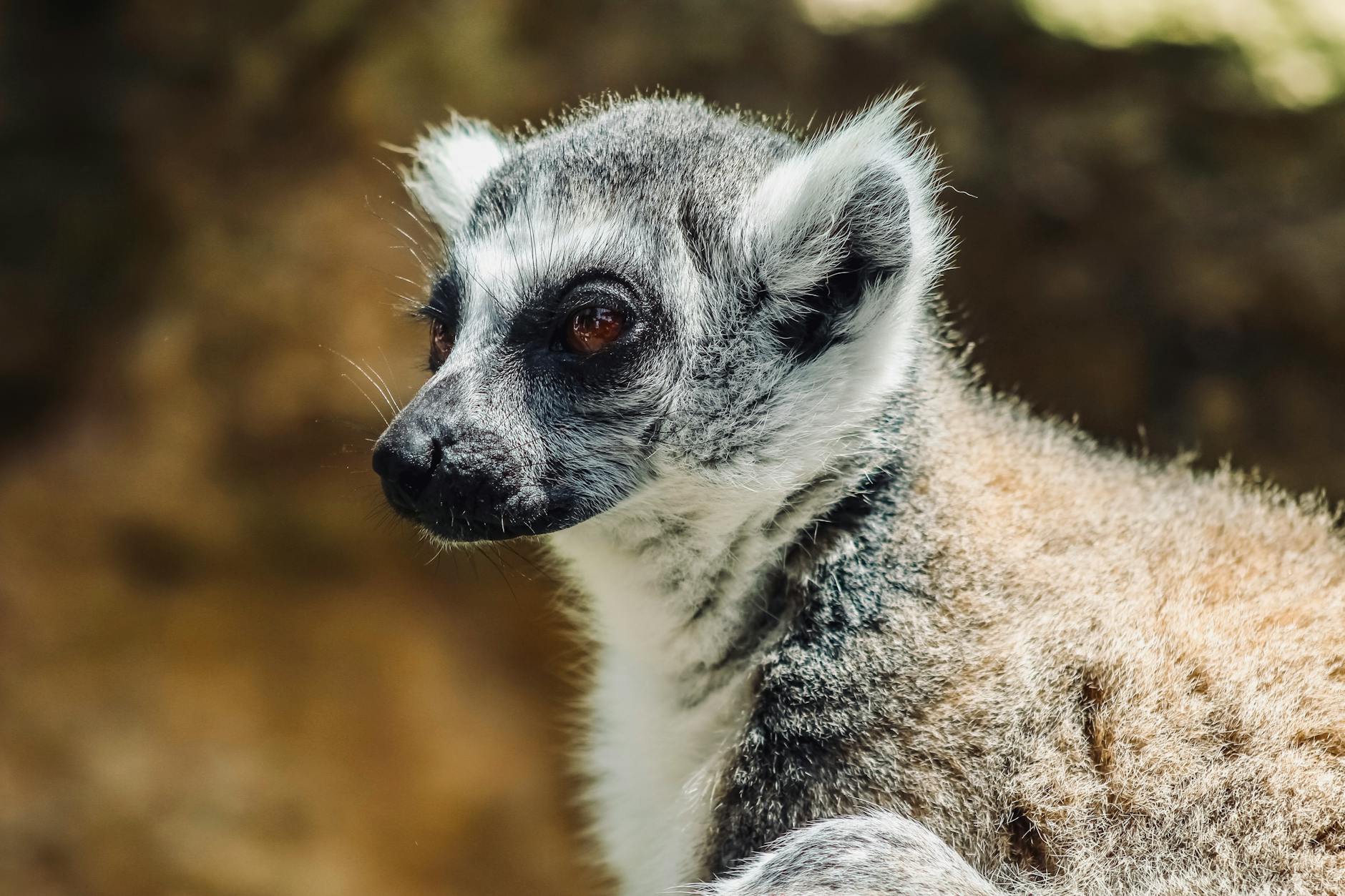
Réveil à 5h30. Le trajet vers la Réserve de Kirindy prend 90 minutes sur des pistes en tôle ondulée au nord-est de Morondava — un 4×4 est indispensable. Arrivez à 7h du matin lorsque la faune est la plus active. Huit espèces de lémuriens habitent cette forêt décidue sèche : le lémur brun à front roux, le sifaka de Verreaux, le microcèbe et le rare rat sauteur géant de Coquerel. Votre guide obligatoire transforme l’expérience — sans regard expert, la faune disparaît dans l’écorce grise. La fossa est la star de Kirindy : un carnivore félin atteignant 1,80 mètre du museau à la queue, que l’on ne trouve nulle part ailleurs en aussi grand nombre. Pour de meilleures chances d’observation, réservez une balade en soirée et attendez près du camp à la tombée du jour. Les droits d’entrée et les frais de guide totalisent environ 100 000–150 000 MGA (25–35 $). Pour comparer avec d’autres destinations faune de la côte ouest, consultez cet itinéraire 3 jours à Mahajanga couvrant le Parc d’Ankarafantsika.
À lire aussi :
Réservez des activités à Madagascar :
Jour 3 : Lever de Soleil sur les Baobabs et le Lagon de Belo-sur-Mer
Levez-vous avant 6h pour le lever de soleil sur les baobabs — les foules ne sont pas encore arrivées, la lumière est plus douce, et le silence rend ce moment plus puissant que le coucher du soleil. Après le petit-déjeuner, le Jour 3 offre deux options solides selon l’heure de votre vol de l’après-midi. La première est Belo-sur-Mer, un village de pêcheurs à 70 kilomètres au sud, de l’autre côté de l’estuaire de la Tsiribihina. Le lagon turquoise ici est l’un des plus beaux de Madagascar — bordé de mangroves, peu profond, parsemé de pirogues traditionnelles. La traversée en bateau depuis le port de Morondava prend environ deux heures. La deuxième option est de retourner à Kirindy pour un autre sentier ou une nouvelle balade matinale. La plupart des vols Tsaradia de l’après-midi décollent vers 14h ; vérifiez les horaires actuels et tenez compte du trajet jusqu’à l’aéroport. Consultez le guide des temps de trajet entre les villes de Madagascar pour séquencer votre transport correctement.
Hébergement, Accès et Budget Détaillé
L’hébergement à Morondava se concentre près de la plage et le long du couloir des baobabs de la RN8. Les Bungalows de la Plage propose des bungalows confortables en bord de mer à 80 000–140 000 MGA par nuit avec de bonnes connexions pour les guides 4×4. La Meva Playa, à 5 kilomètres de l’aéroport, combine confort milieu de gamme et restaurant proposant des fruits de mer frais. Pour l’option la plus confortable, Palissandre Côte Ouest facture environ 120 $ par nuit avec piscine. Louez un véhicule privé pour le trajet vers Kirindy — recherchez les tarifs actuels sur Carla location de voitures pour les options 4×4 avec chauffeur. Budget total sur trois jours : vols (240–360 $ aller-retour), hébergement (45–240 $ au total), entrée Kirindy et guides (25–35 $), repas (30–60 $ au total), transport local (40–80 $). Budget milieu de gamme total : 380–730 $ pour trois jours. Pour choisir entre le trajet par voie terrestre et l’accès en avion, la comparaison complète des modes de transport pour chaque itinéraire à Madagascar couvre la question de l’accès à Morondava en détail.
Prêt(e) à réserver votre voyage à Madagascar ?
Questions fréquentes
Quelle est la meilleure période pour visiter Morondava ?
D’avril à novembre, pendant la saison sèche. Les routes vers Kirindy deviennent impraticables pendant les pluies de janvier–mars, et les inondations coupent parfois l’avenue elle-même. Juillet–septembre offre la plus grande activité faunique à Kirindy mais aussi les plus grandes foules à l’Avenue des Baobabs. Avril–juin offre des conditions idéales avec moins de touristes.
Peut-on voir la fossa dans la forêt de Kirindy ?
Kirindy est le meilleur site de Madagascar pour observer la fossa, mais les rencontres ne sont jamais garanties. Les balades nocturnes organisées par les guides du camp améliorent considérablement vos chances. Septembre–novembre est la saison de reproduction de la fossa, quand l’activité est à son maximum. La plupart des visiteurs qui font une journée complète plus une balade en soirée à Kirindy en aperçoivent une en deux visites.
Dois-je prendre l’avion ou puis-je conduire depuis Antananarivo ?
L’avion est fortement recommandé. La route terrestre depuis Tana fait 700+ kilomètres et prend 12–14 heures minimum dans un 4×4 capable, beaucoup plus après la pluie. Ne conduisez que si vous combinez Morondava avec un circuit plus long sur la côte ouest, comme le road trip RN8 depuis Tana via Miandrivazo. Le vol coûte 120–180 $ l’aller simple et vous fait gagner deux journées complètes de trajet.
Morondava récompense ceux qui lui consacrent trois jours complets. Le coucher de soleil sur les baobabs est l’une des grandes photographies de voyage — il tient toujours ses promesses — mais Kirindy est l’âme du voyage : une véritable rencontre avec la faune dans une forêt qui se sent authentiquement isolée. Avant de partir, assurez votre couverture santé avec l’assurance voyage SafetyWing, qui couvre les évacuations médicales depuis l’ouest isolé de Madagascar où l’hôpital le plus proche est à plusieurs heures. Réservez votre hébergement tôt via les annonces Agoda pour Morondava — les meilleurs lodges affichent complet dès mai pour la saison juillet–septembre. Trois jours ici ne sont pas un compromis ; c’est la bonne durée pour une destination qui privilégie la qualité à la quantité.
Commencez à planifier votre aventure à Madagascar
Découvrez Madagascar sur GetYourGuide
Lien affilié – commission perçue sans frais supplémentaires.
Planifiez Votre Voyage à Madagascar
- Lire le guide de voyage complet Madagascar
- Explorer les itinéraires par style et durée
- Meilleures excursions et expériences guidées
Où Dormir