Madagascar’s Rarest Animals: The 12 Species You May Never See Again
This post contains affiliate links. We may earn a small commission at no extra cost to you.
At a Glance
- Where to stay: Check hotel availability on Agoda — Madagascar
- Book tours: Browse Madagascar tours on GetYourGuide
🎒 Madagascar Trip Essentials
A few inexpensive items make the biggest difference on the ground in Madagascar:
- Picaridin insect repellent — DEET-free protection against malaria mosquitoes. See on Amazon →
- Permethrin clothing spray — treat clothes; kills mosquitoes on contact for weeks. See on Amazon →
- Pop-up mosquito net — budget lodges rarely provide one; packs down tiny. See on Amazon →
- Water filter bottle — tap water isn’t safe to drink in Madagascar. See on Amazon →
- Universal travel adapter (USB-C) — Madagascar uses European-style plugs. See on Amazon →
- 8×42 binoculars — essential for spotting lemurs and chameleons in the canopy. See on Amazon →
As an Amazon Associate we earn from qualifying purchases.
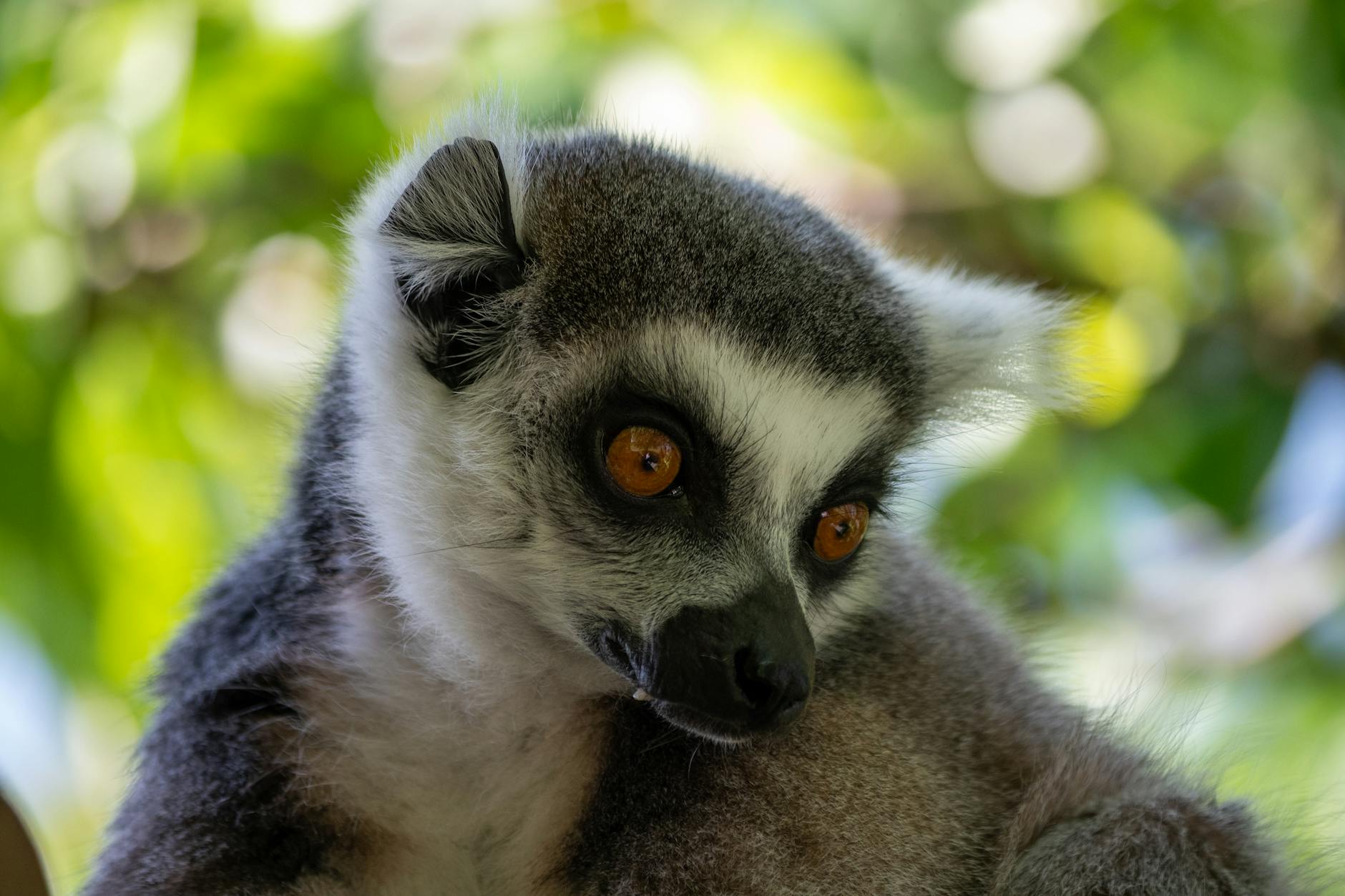
Madagascar is in the grip of an extinction crisis. Over 30 lemur species are now classified as Critically Endangered, along with dozens of reptiles, birds, and invertebrates that have vanished from large parts of their historic range within the past two decades. This guide profiles 12 species facing imminent extinction, where they are still found, and what your visit contributes to their survival.
Plan your Madagascar trip:
Critically Endangered Lemurs Still Viewable
The silky sifaka (Propithecus candidus) of Marojejy is considered one of the world’s 25 most endangered primates, with an estimated population under 1,000. It is viewable on guided treks in Marojejy National Park for serious visitors willing to reach the northeast. The greater bamboo lemur (Prolemur simus) of Ranomafana was thought extinct until rediscovered in 1986 — the global population is estimated at under 200 individuals. Morning walks at Ranomafana’s extended trail system offer the best sighting opportunities. The aye-aye remains legally protected but is still persecuted through cultural superstition and habitat loss. The northern sportive lemur (Lepilemur septentrionalis) near Daraina is one of the world’s rarest primates with an estimated population below 50 individuals — sightings require specialist guides in private forest near Vohémar.
Critically Threatened Birds of Madagascar
The Madagascar fish eagle (Haliaeetus vociferoides) has an estimated total population of under 200 breeding pairs — it is among the rarest raptors in the world. The best viewing site is Ankarafantsika National Park, where the eagle hunts over lakes visible from the walking trails. The Madagascar pochard (Aythya innotata) was declared extinct in 1991 and rediscovered in 2006 with fewer than 25 individuals at Lake Matsaborimena near Bealanana in the north — captive breeding by the Durrell Wildlife Conservation Trust is the primary survival mechanism. The Benson’s rock thrush and the Appert’s greenbul are range-restricted endemics with populations below 1,000, viewable at Andringitra and Zombitse respectively. Madagascar’s endemic sub-species of the serpent eagle is under pressure from deforestation in remaining lowland forest fragments.
Read also:
Save money on your Madagascar trip:
Rare Reptiles and Amphibians
Madagascar’s reptile diversity is extraordinary — and under serious threat. The ploughshare tortoise (Astrochelys yniphora) is critically endangered with fewer than 400 individuals remaining in Ankarafantsika, victim of collectors who export them through Southeast Asian black markets despite strict CITES protection. The flat-tailed tortoise (Pyxis planicauda) of Kirindy forest is down to an estimated 5,000–10,000 individuals from a far larger historic range. Among amphibians, the golden mantella frog (Mantella aurantiaca) of Andasibe-Mantadia forests has a wild population estimated at under 1,000 — captive breeding programmes at Jersey Zoo hold backup populations. Madagascar’s hundreds of endemic chameleon species include several with populations below 200 individuals in fragments of former forest range. Sightings of rare species should always be reported to ANGAP park staff.
Why These Species Matter and What Helps
The species profiled here represent evolutionary branches that have been developing independently for 60–90 million years since Madagascar separated from mainland Africa. Each extinction is a permanent loss of irreplaceable evolutionary heritage. Tourism plays a direct role in survival — parks with visitor income employ rangers whose presence deters poachers and illegal loggers. For critically endangered species, every park entrance fee contributes to the ranger budget that stands between these animals and extinction. Conservation organisations actively working on Madagascar’s most threatened species include the Durrell Wildlife Conservation Trust (ploughshare tortoise, Madagascar pochard), WWF Madagascar (lemur corridors), and the Lemur Conservation Foundation (habitat restoration in Ankarana). Donating $50–100 USD to any of these organisations on return from your trip extends the conservation impact of your visit significantly.
Ready to book your Madagascar trip?
Frequently Asked Questions
What is the rarest animal in Madagascar?
The Madagascar pochard duck, rediscovered in 2006 with under 25 individuals, may be the rarest. Among lemurs, the northern sportive lemur has an estimated population under 50 individuals. The silky sifaka is among the world’s 25 most endangered primates.
Can I see a silky sifaka in Madagascar?
Yes, at Marojejy National Park in the northeast. The trek is demanding and requires staying at the park’s research camps, but guided encounters are possible for visitors willing to invest the time and physical effort.
Is the ploughshare tortoise really endangered?
Critically endangered. Fewer than 400 individuals remain in the wild at Ankarafantsika, primarily threatened by illegal collection for the international pet and collector trade despite strict CITES protection.
These twelve species represent some of the most precarious wildlife on earth. Most are still viewable today — but for how much longer depends significantly on whether protected areas receive sufficient funding to maintain ranger patrols. Your visit to Madagascar’s national parks, and every entrance fee you pay, is a vote for the continued existence of these animals. Do not delay your trip waiting for the perfect time — the time is now, while these species are still here.
Plan Your Trip to Madagascar
- Read the full Madagascar Travel Guide
- Explore itineraries by style and duration
- Explore the full destination guide
Where to Stay
Hotels, lodges, and tours fill fast for July–September — compare availability now.