Avoiding Breakdowns on Madagascar Roads: Car Safety and Prep Guide
This post contains affiliate links. We may earn a small commission at no extra cost to you.
Health & Safety Essentials for Madagascar
Madagascar Has Some of the Highest Malaria Risk in the World
The rainforests of Andasibe, the wetlands of Morondava, the rice paddies outside every village — mosquitoes are relentless and bite at dusk and dawn. DEET burns skin and destroys gear. Natrapel 20% Picaridin is the CDC-recommended alternative that repels mosquitoes, ticks, and sandflies for up to 12 hours without damaging your equipment.
Check current price and availability on Amazon →
Madagascar’s Water Will Make You Sick — Unless You’re Carrying This
Tap water in Madagascar is not safe to drink anywhere — and the real danger is viruses (cholera, typhoid, hepatitis A) that standard filters don’t remove. The Grayl GeoPress removes viruses, bacteria, protozoa, and heavy metals in one 8-second press. Fill from any tap or river. Press. Drink. No chemicals, no waiting.
Check current price and availability on Amazon →
A Lighter Way to Never Pay for Bottled Water Again in Madagascar
Trekking through Isalo, cycling the RN7 — bottled water is bulky, expensive, and gone in an hour under Madagascar’s sun. The LifeStraw Go filters bacteria, parasites, and microplastics directly through the straw as you drink. No pumping, no waiting, no chemicals. Under $35 — the lightest way to guarantee safe hydration across Madagascar.
Check current price and availability on Amazon →
At a Glance
- Road quality: 80% of Madagascar’s road network is unpaved — 4×4 required for most routes outside Tana
- Spare tyre rule: Always carry two spares, a jack, and a tow rope — punctures average once per 300 km on gravel roads
- Mechanic access: Major towns (Tana, Toliara, Mahajanga) have workshops; remote routes may have 48–72 hours wait
- Fuel range: Fill up every time you find a petrol station — gaps of 200+ km are common in the south and west
- Breakdown cover: Car rental agencies rarely include roadside assistance — read the fine print carefully
- Rent smart: Book a vetted 4×4 with full cover via Carla for the best comparison rates
- Travel insurance: SafetyWing covers vehicle-related medical emergencies from $1.82/day
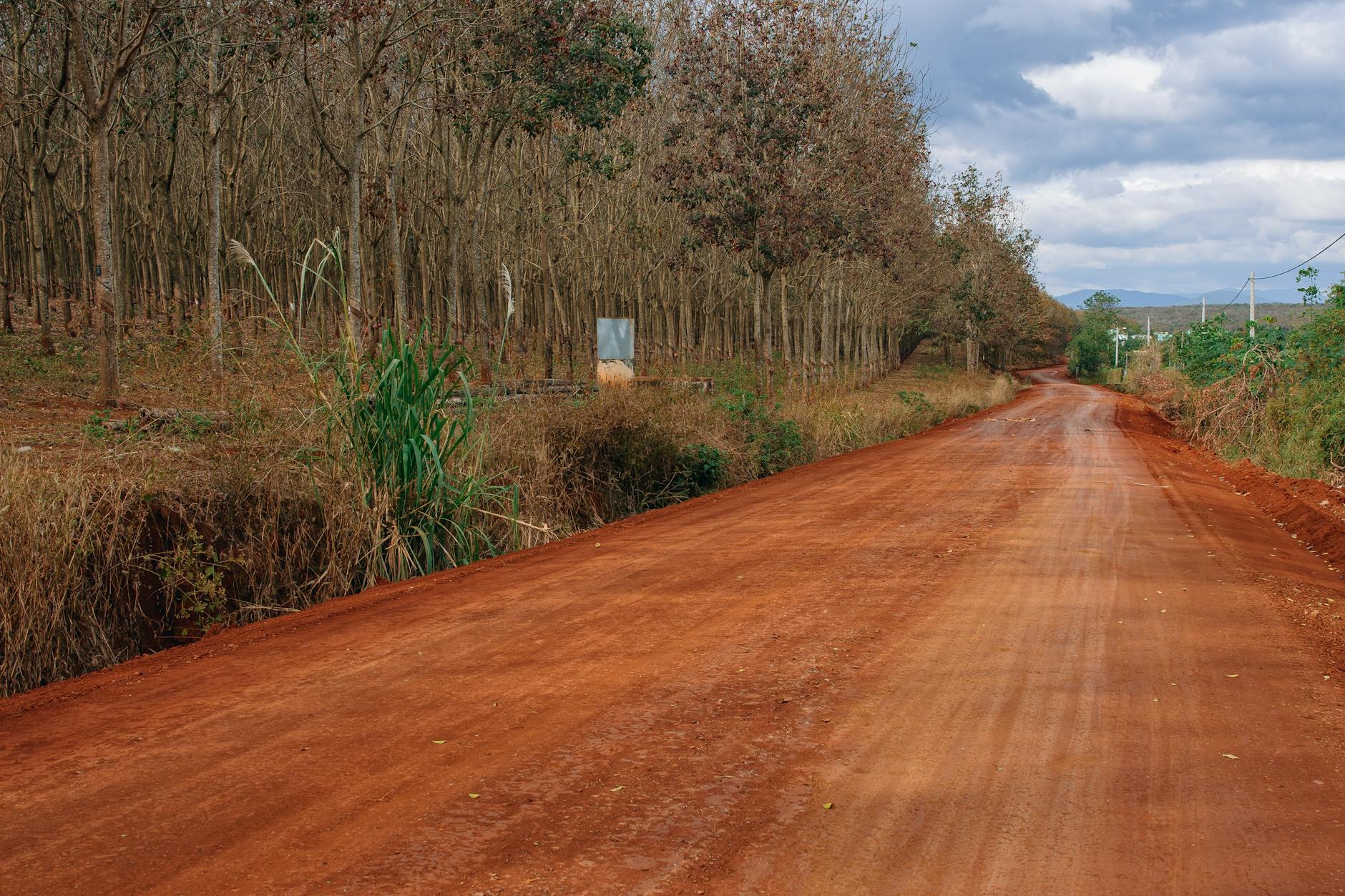
Madagascar’s roads are one of the most demanding driving environments in Africa — red laterite tracks, river crossings without bridges, and towns where the nearest tow truck is a day away. Preparation before you leave the tarmac is the difference between a minor inconvenience and a multi-day ordeal.
Plan your Madagascar trip:
Vehicle Requirements: What Class of Car You Actually Need
The single most important decision before any Madagascar road trip is vehicle class. Standard saloon cars (Category A/B rentals) are only viable on RN1 (Tana–Mahajanga) and RN2 (Tana–Toamasina) during dry season — the two roads that receive regular grading. Every other national route requires a 4×4 with high clearance. For the RN7 south route (Tana to Fort Dauphin), RN5 east coast, or any road into national parks, a standard 4×4 is minimum. For the RN6 (Diego Suarez to Ambanja) or any route to Bemaraha or Marojejy, you need a Toyota Landcruiser 78 or similar heavy-duty vehicle with a snorkel for water crossings. Short-wheelbase vehicles struggle with the ruts and rocks on gravel tracks — wheelbase of at least 2,650 mm is recommended for comfort and stability. When renting, always verify that the quoted vehicle matches the actual unit — request photos of the specific vehicle, not the fleet model. Misrepresentation is common at smaller agencies. Use Carla to compare verified 4×4 hire with real photos and confirmed specs before booking your road trip across Madagascar.
Essential Breakdown Kit: What to Pack Before Every Journey
Madagascar’s road network has very limited roadside assistance infrastructure outside of major cities. Self-sufficiency is the standard, not the exception. The minimum breakdown kit every vehicle should carry: two full-size spare tyres (not space-savers — gravel roads shred thin tyres), a quality hydraulic jack and wheel brace, a 5-litre jerry can for emergency fuel, a tow rope rated to at least 3 tonnes, basic tools (pliers, screwdrivers, zip ties, duct tape, electrical tape), a torch and spare batteries, and a battery jump starter pack. Beyond the basics: spare engine oil (2 litres), coolant, and brake fluid are worth carrying on routes longer than 300 km from a major town. Drivers heading to remote routes like Bemaraha or Marojejy should also carry a 20-litre fuel jerry can and a hand pump. A satellite communicator (Garmin inReach or SPOT) is strongly recommended for any route where mobile signal is absent — check our travel tech packing guide for current model recommendations. Never start a remote route with less than a full tank.
Read also:
Save money on your Madagascar trip:
What to Do When Your Vehicle Breaks Down Remotely
A breakdown on a remote Madagascar track follows a predictable sequence if you know the protocol. Step 1 — Safety first. Pull off the track as far as possible, place stones or branches 50 m behind the vehicle to warn oncoming traffic. Do not stay in the vehicle after dark in remote areas. Step 2 — Assess the problem. Flat tyre: change it immediately using your spare. Overheating: allow 30 minutes to cool, check coolant level before restarting. Electrical failure: check fuses and battery terminals. Step 3 — Contact for help. If you have mobile signal, call your rental agency first — they are legally responsible for mechanical failure. If signal is absent, use your satellite communicator or wait for the next passing vehicle (frequency varies by route — some tracks see 10+ vehicles per day, others 1–2). Step 4 — The bush mechanic network. Most Madagascar towns have a local mécanicien de brousse (bush mechanic) with improvised repair skills. A running engine and a patch kit can often get you to the next town. Review our remote network coverage guide to know signal status for your planned route before you leave.
Fuel, Seasonal Timing and Route-Specific Road Hazards
Fuel logistics and seasonal timing are as important as the vehicle choice itself. Petrol and diesel availability: Total, Jovenna, and Galana are the main fuel networks. Antananarivo, Mahajanga, Toamasina, Toliara, and Diego Suarez have reliable supply. In the south (Ihosy to Fort Dauphin) and along the RN13 and RN10, fuel stations may be 150–250 km apart. Carry a minimum 20-litre reserve if driving south of Ihosy. Seasonal hazards: The wet season (November–April) transforms gravel roads into mud channels. River crossings that are knee-deep in July can become 1.5 metres deep in February. Several southern routes are impassable from January to March. The dry season (May–October) brings dust, corrugations, and hard-baked ruts that can crack a standard tyre sidewall. Specific hazards by route: RN7 has zebu-cart crossings at dusk near all market towns; RN2 has aggressive speed bumps through every village; RN6 north of Ambilobe has water crossings with no depth markers. Check road conditions via the gendarmerie at the last large town before a remote leg — they track passage records and can tell you current conditions. Pair this intel with our route comparison guide for mode decisions by stretch.
Ready to book your Madagascar trip?
Frequently Asked Questions
Do I need a 4×4 to drive in Madagascar?
For anything beyond RN1 and RN2, yes. Most national routes, park access roads, and all routes in the south and west require high-clearance 4×4. During the rainy season (November–April), even sections of RN1 can require 4×4.
What should I do if my rental car breaks down on a remote road?
Contact your rental agency first — they are responsible for mechanical failure. If no signal, use a satellite communicator or wait for passing traffic. Always carry two spare tyres and basic tools regardless of what the rental agency provides.
Is there roadside assistance in Madagascar?
Formal roadside assistance as in Europe or North America does not exist in Madagascar. Rental agencies may offer a call-out service in major cities only. For remote routes, the local ‘mécanicien de brousse’ network in villages is your main resource.
Madagascar’s roads reward preparation and punish complacency. The right vehicle class, a complete breakdown kit, and a fuel strategy are the foundations — combined, they cover 90% of scenarios you will encounter. For medical emergencies that follow a vehicle incident, get SafetyWing before your trip — it covers emergency medical evacuation from remote locations, which is the one cost that can turn a breakdown into a financial disaster. Activate it before you leave home so coverage starts the moment you land at Ivato.
Start planning your Madagascar adventure today
Browse Madagascar experiences on GetYourGuide
Affiliate link – commission earned at no extra cost to you.
Flight delayed or cancelled? Flights to Madagascar often connect through Paris or Nairobi. EU regulation EC 261 may entitle you to up to €600 in compensation. Check your claim free on AirAdvisor →
Plan Your Trip to Madagascar
- Read the full Madagascar Travel Guide
- Explore itineraries by style and duration
- Where to See Lemurs in Madagascar
Where to Stay