Madagascar est-il sûr la nuit ? Guide de sécurité nocturne ville par ville
Cet article contient des liens affiliés. Nous percevons une petite commission sans frais supplémentaires pour vous.
En bref
- Marcher la nuit à Antananarivo : déconseillé après 19 h — prenez un taxi
- Destinations balnéaires (Nosy Be, Sainte-Marie) : globalement sûres avec précautions normales jusque vers 22 h
- Capitales provinciales : modéré — artères centrales éclairées correctes, ruelles résidentielles à risque
- Villes-portes de parcs nationaux : faible risque, très peu d’incidents signalés
- Règle par défaut : taxi porte à porte après la tombée du jour dans toute ville — courses peu chères (1 à 4 $)
- Hôtels centraux sûrs : Hôtels à Antananarivo sur Agoda
- Assurance pour incidents nocturnes : SafetyWing dès 1,82 $/jour
🔒 Anti-vol simple pour Madagascar
La plupart des incidents sont opportunistes. De quoi devenir une cible difficile :
- Verrou de porte portable — sécurise toute porte de l’intérieur. Voir sur Amazon →
- Ceinture porte-billets cachée — garde espèces et passeport à l’abri. Voir sur Amazon →
- Portefeuille anti-RFID — organise les cartes et bloque le skimming. Voir sur Amazon →
- Sac bandoulière anti-vol — sangle anti-lacération, fermetures verrouillables. Voir sur Amazon →
- Cadenas de bagage TSA — verrouillez vos sacs en vol. Voir sur Amazon →
En tant que Partenaire Amazon, nous réalisons un bénéfice sur les achats éligibles.
La sécurité nocturne à Madagascar varie nettement selon la ville et le quartier. La réponse globale — « ne marchez pas la nuit » — est trop prudente pour certains lieux et trop laxiste pour d’autres. Ce guide passe le pays en revue ville par ville pour savoir précisément quelles rues sont sûres à pied, lesquelles imposent un taxi, et lesquelles éviter totalement à la tombée du jour.
Antananarivo : règles strictes la nuit
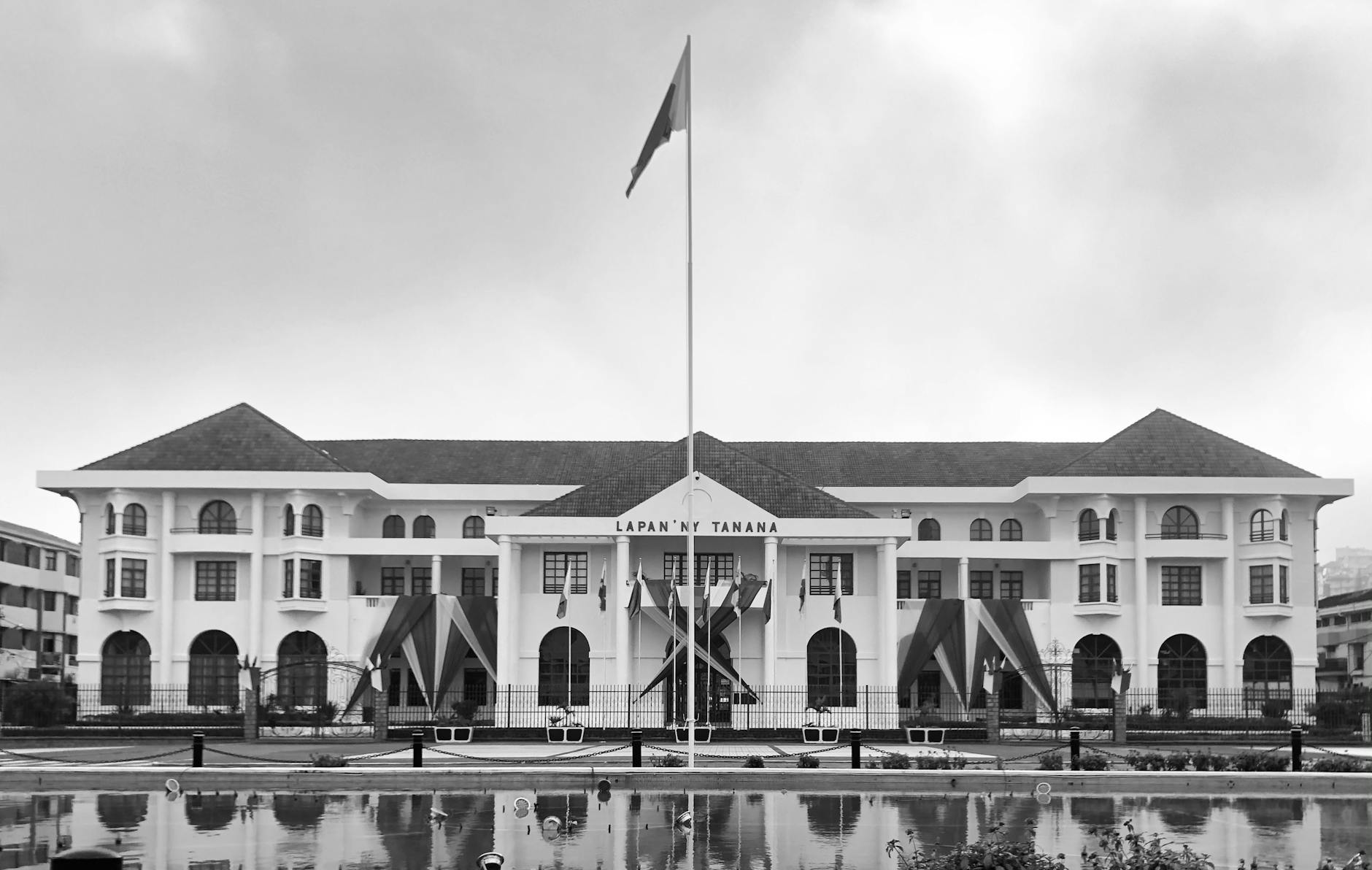
Antananarivo (Tana) est la ville aux règles nocturnes les plus strictes. Après 19 h, ne marchez nulle part en zone centrale — y compris l’Avenue de l’Indépendance, le quartier du marché d’Analakely, les abords de la gare de Soarano ou les longues avenues descendantes vers Andohalo. Ces corridors se vident rapidement de piétons après le coucher du soleil et les rares personnes en rue sont vulnérables aux arrachages en moto. La Haute Ville autour du Rova paraît plus calme et reste modérément plus sûre, mais ses ruelles sombres et escaliers raides ne méritent pas une marche nocturne.
Sûr seulement en taxi : tous les restaurants et bars de la ville, y compris la rue restaurant d’Ivandry, et les hôtels d’Antaninandro et Tsaralalana. Les taxis sont nombreux (appelez la réception ou utilisez Yango si la connexion permet) et les courses au centre de Tana coûtent 8 000 à 25 000 MGA (1,70 à 5 $). Quartiers plus sûrs la nuit : les zones résidentielles fermées d’Ivandry, Ambohibao et Ankorondrano ont sécurité privée et rues calmes — mais il faut quand même un taxi pour s’y rendre. Le choix d’hôtel compte : rester central (Antaninarenina, Tsaralalana) supprime les longs trajets vers le dîner. Combinez avec notre guide des meilleurs hôtels d’Antananarivo.
Capitales provinciales : Tamatave, Mahajanga, Diego Suarez
Tamatave (Toamasina) exige de la prudence la nuit. Le boulevard Joffre est l’artère principale et reste animé jusque vers 21 h — après cette heure, la fréquentation piétonne baisse et des arrachages en moto ont été signalés. Marcher le boulevard entre grands hôtels à deux avant 21 h est en général correct ; seul après 21 h ne l’est pas. Les rues transversales entre boulevard Joffre et le port sont mal éclairées et à éviter totalement la nuit. Courses dans le centre de Tamatave : 3 000 à 8 000 MGA (0,65 à 1,70 $).
Mahajanga (Majunga) est la plus douce des capitales provinciales pour les déplacements nocturnes. La corniche (front de mer) reste animée jusqu’à 22 h avec familles, vendeurs de nourriture et joggeurs ; marcher la corniche entre hôtels et restaurants avant 22 h est raisonnable avec précautions normales. Les rues à l’intérieur des terres sont plus calmes et méritent un taxi. Diego Suarez (Antsiranana) se situe entre les deux : la rue restaurant centrale autour de la Place Foch est correcte jusqu’à 22 h à deux, mais les longues routes vers les plages de Ramena ou Mer d’Émeraude ne se marchent pas la nuit, en aucune circonstance. Pour le choix de base ville, lisez notre checklist de planification voyage Madagascar.
Destinations balnéaires : Nosy Be et Île Sainte-Marie
Nosy Be est la grande destination la plus calme pour l’activité nocturne. La rue restaurant d’Ambatoloaka reste animée jusqu’à minuit avec restaurants et bars ; marcher entre établissements sur l’artère principale est une pratique normale et les incidents sont rares. Madirokely et Andilana sont plus calmes mais les abords d’hôtels sont bien éclairés et les chemins de plage entre établissements généralement sûrs avant 22 h avec les réserves habituelles (pas de téléphone en main, sac à dos zippé, en groupe quand possible). La zone du port d’Hell-Ville (Andoany) est la seule zone de Nosy Be qui mérite de la prudence après la tombée du jour — surtout aux heures d’arrivée des bateaux quand la foule s’agglutine au quai.
L’Île Sainte-Marie connaît le plus faible risque nocturne signalé à Madagascar. L’île est petite, la circulation minime, et les rares restaurants et bars d’Ambodifotatra sont à distance de marche de la plupart des lodges. Les chemins de plage entre hôtels au sud (autour de Vohilava) sont peu éclairés mais calmes ; emportez une lampe torche et marchez à deux si vous rentrez très tard. Sambava, Nosy Komba, Anakao, Ifaty — toutes les petites communautés balnéaires suivent le même schéma : faible risque nocturne, mais lampe torche et vigilance. Combinez avec notre comparatif Nosy Be vs Île Sainte-Marie.
Villes-portes de parcs et brousse la nuit
Les villes-portes de parcs nationaux — village d’Andasibe, village de Ranomafana, Ranohira (porte d’Isalo), Bekopaka (porte des Tsingy), Ambositra, Ambalavao — signalent toutes un risque nocturne très faible. Ce sont de petites communautés où la plupart des lodges et les rares restaurants se trouvent à 200 à 500 mètres les uns des autres, souvent reliés par une rue principale unique. Marcher entre le lodge et le dîner à deux avec une torche est la norme locale. Le vrai risque dans ces villes n’est pas la criminalité ; c’est l’absence totale d’éclairage public et le sol inégal. Emportez une frontale.
Les trajets inter-villes la nuit sont le seul domaine où le risque sécuritaire à Madagascar passe de la petite délinquance à quelque chose de plus sérieux. Ne conduisez pas inter-villes la nuit — des incidents avec bandits (souvent appelés « dahalo » dans le sud et le centre) sur les nationales non éclairées ont été signalés, en particulier sur la RN7 au sud de Fianarantsoa, la RN6 entre Ambanja et Antsohihy, et la RN4 entre Mahajanga et Maevatanana. Les chauffeurs de taxi-brousse refusent la plupart des trajets nocturnes pour cette raison. Dormez toujours en ville plutôt que pousser après la tombée du jour. Un 4×4 privé avec chauffeur local — comparez sur Carla — coûte plus mais supprime la pression de conduite nocturne. Combinez avec notre guide assurance voyage Madagascar.
Questions fréquentes
Puis-je marcher de mon hôtel à un restaurant voisin à Tana la nuit ?
Même les courts trajets (sous 300 mètres) se font de préférence en taxi après la tombée du jour à Antananarivo. Le risque n’est pas la distance mais les rues vides après 19 h. Les taxis coûtent 5 000 à 10 000 MGA (~1 à 2 $) porte à porte — assurance bon marché contre tout incident.
Les boîtes de nuit de Nosy Be sont-elles sûres ?
Les boîtes principales de la rue d’Ambatoloaka sont globalement sûres avec précautions normales : ne portez pas toute votre réserve cash, surveillez votre verre, repartez avec le groupe avec lequel vous êtes arrivé. Marcher jusqu’à l’hôtel sur l’artère éclairée est correct ; hors de l’artère principale, prenez un tuk-tuk (1 000 à 3 000 MGA).
Conduire de nuit sur la RN7 est-il vraiment dangereux ?
Oui — des incidents de bandits (« dahalo ») sur les tronçons non éclairés de la RN7 au sud de Fianarantsoa ont été signalés, et la conduite nocturne comporte aussi un risque accident significatif lié à des obstacles non balisés. Dormez toujours en ville plutôt que pousser. Planifiez les étapes jour par jour à l’avance.
Madagascar la nuit est plus sûr que sa réputation dans les stations balnéaires et villes-portes de parcs, et plus dangereux qu’attendu sur les avenues du centre de Tana après 19 h. La règle la plus utile est : dans toute ville, prenez un taxi porte à porte après la tombée du jour — les courses sont négligeables comparées au coût de tout incident. Couplez cela à la bonne assurance et vous retirez l’essentiel du risque restant — Souscrivez SafetyWing avant le départ — dès 1,82 $/jour. Pour le contexte complet, lisez notre guide assurance voyage Madagascar.
Assurance voyage pour Madagascar
Une évacuation médicale depuis Madagascar peut coûter entre 30 000 et 80 000 USD. Ne partez pas sans couverture.
- SafetyWing — Idéal pour les voyageurs économiques et les longs séjours. À partir de 1,82 $/jour.
- World Nomads — Idéal pour les activités d’aventure : randonnée, plongée, moto.
Planifiez Votre Voyage à Madagascar
- Lire le guide de voyage complet Madagascar
- Explorer les itinéraires par style et durée
- Où voir les lémuriens à Madagascar
Où Dormir