Madagascar vs Zanzibar vs Mauritius Beaches 2026: Honest Comparison
Affiliate disclosure: This article contains sponsored links to hotels, tour operators, insurance providers, and other travel services. We earn a small commission if you book through our links, at no extra cost to you.
Madagascar vs Zanzibar vs Mauritius Beaches 2026 — At a Glance
- Madagascar: Wildest and least crowded, lowest prices, beaches plus world-class wildlife; most rustic logistics
- Zanzibar: Historic Stone Town, lively beach scene, spice-island culture; busier beaches, easy access
- Mauritius: Most polished and family-friendly, excellent infrastructure, calm lagoons; most expensive, most developed
- Best for solitude & wildlife: Madagascar
- Best for ease & families: Mauritius
- Best for culture & atmosphere: Zanzibar
- Travel insurance: SafetyWing Nomad Insurance — essential for all three
- Flight protection: EU261 €600 per passenger for European inbound disruptions
- Beach hotels: Madagascar beach stays on Agoda
🏖 Beach & Snorkel Kit
For Madagascar’s islands and reefs, pack these:
- UPF-50 rash guard — all-day sun protection in and out of the water. See on Amazon →
- Waterproof phone pouch — IPX8 case for boats, beaches and snorkelling. See on Amazon →
- Waterproof dry bag — keeps gear dry on boat transfers and paddling. See on Amazon →
- Quick-dry travel towel — packs tiny, dries in the Madagascar heat. See on Amazon →
- Reef-safe sunscreen — protects you and the coral reefs. See on Amazon →
As an Amazon Associate we earn from qualifying purchases.
The Indian Ocean offers some of the world’s most beautiful beach destinations, and travelers planning a tropical escape often weigh Madagascar against Zanzibar and Mauritius — three islands with turquoise water and white sand, but profoundly different characters. Choosing well means matching the destination to what you actually want from a beach holiday: solitude or ease, wildness or polish, adventure or relaxation, low prices or high comfort. This honest comparison weighs the three across beaches, crowds, cost, infrastructure, activities, and the all-important question of what surrounds the sand.
The short version: Mauritius is the most polished and effortless, ideal for families and travelers wanting comfort and reliability; Zanzibar offers the richest culture and atmosphere with a lively, accessible beach scene; and Madagascar delivers the wildest, least crowded beaches at the lowest prices, with the unmatched bonus of combining sand with world-class wildlife. For the full picture of Madagascar’s coast, see our Madagascar beaches and coastal escapes pillar.
The Three Destinations at a Glance
Mauritius is the Indian Ocean’s polished beach icon — a developed, prosperous island with excellent infrastructure, calm reef-protected lagoons, a wide range of resorts, and a reputation for safety and ease. It is the default choice for families and travelers wanting effortless tropical comfort, golf, and spa luxury, though it is also the most expensive and most developed of the three.
Zanzibar, off the Tanzanian coast, blends beautiful beaches with the historic, atmospheric Stone Town — a UNESCO World Heritage Site steeped in Swahili, Arab, and Indian trading history. Its beaches are lively and accessible, its spice-island culture distinctive, and its access from Europe and East Africa straightforward. Zanzibar suits travelers who want beach plus culture and atmosphere, though its popular beaches can feel crowded.
Madagascar offers the wildest and least crowded beaches of the three, at the lowest prices, spread across a vast under-visited coastline. Its unique selling point is the combination of beaches with the world’s most distinctive wildlife and landscapes — lemurs, baobabs, and more. The trade-off is the most rustic logistics and least developed infrastructure, which is precisely why its beaches remain so pristine and empty.
The Beaches Themselves
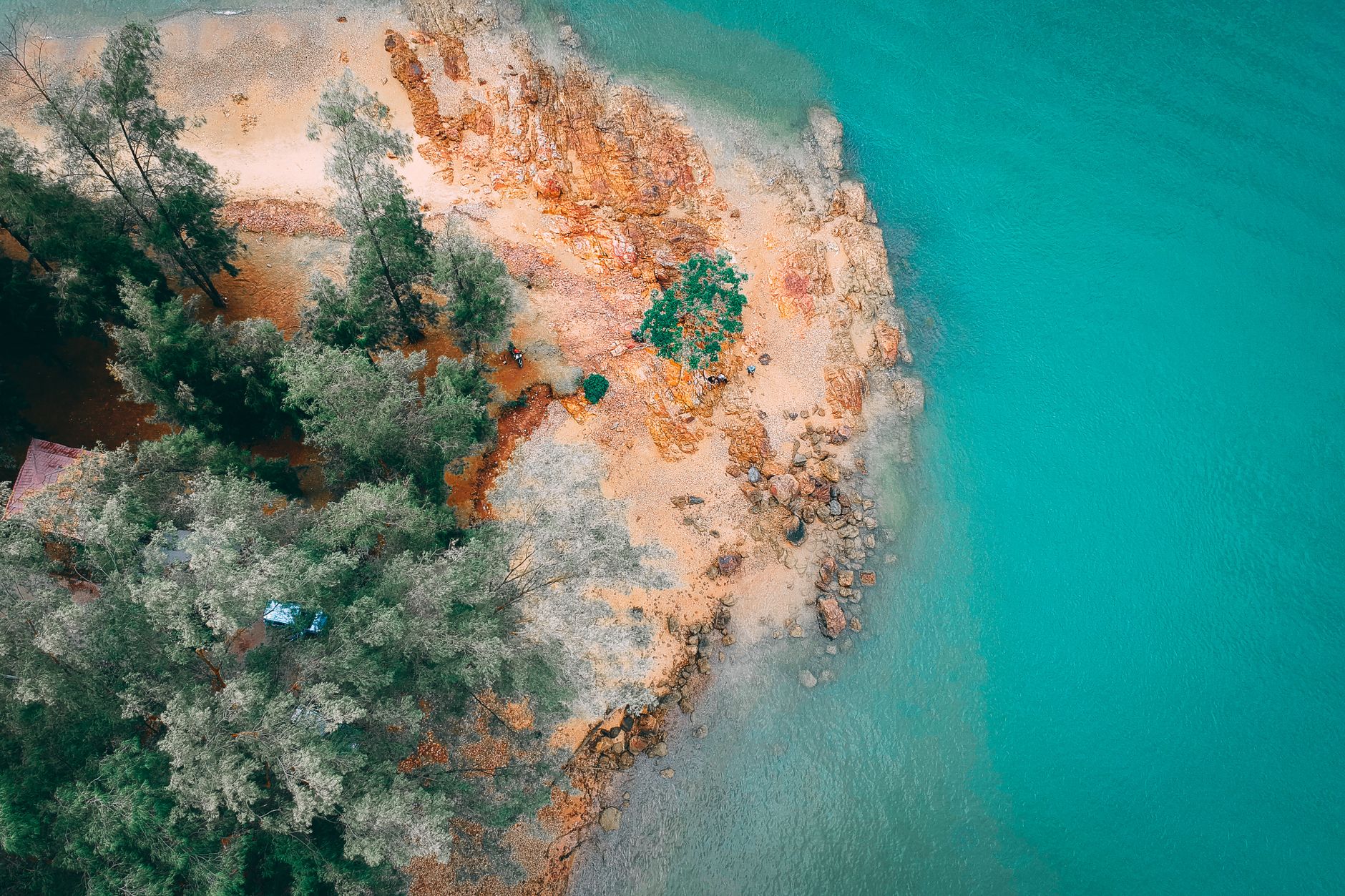
On pure beach quality, all three deliver Indian Ocean beauty, but with different characters. Mauritius has calm, reef-protected lagoons ideal for swimming and families, with manicured resort beaches and reliable conditions. Zanzibar has long, photogenic stretches of white sand, though tides dramatically affect some east-coast beaches, and the popular areas draw crowds. Madagascar offers the widest variety — from the castaway sandbars of the Nosy Be archipelago to the reef-sheltered lagoons of the southwest — and, crucially, the emptiest beaches: you can still find pristine stretches with no one else on them, an increasingly rare luxury.
For travelers who prize having a beautiful beach largely to themselves, Madagascar wins decisively. For those who want a guaranteed-calm lagoon with full resort amenities, Mauritius leads. Zanzibar sits between — beautiful and atmospheric but busier. The Nosy Be beaches guide details Madagascar’s flagship beach island and its castaway island day trips.
Crowds and Atmosphere
This is where the three differ most sharply. Mauritius and Zanzibar are established, popular destinations whose best-known beaches can be busy, especially in peak season. Mauritius’s resort areas are developed and can feel manicured; Zanzibar’s popular beaches like Nungwi and Kendwa are lively and social, which some love and others find too busy. Madagascar, by contrast, remains genuinely uncrowded — its remoteness and modest infrastructure keep visitor numbers low, and even its flagship Nosy Be is quiet by Indian Ocean standards, while its other coasts can be deserted. For travelers seeking solitude and a sense of discovery, Madagascar offers something the more developed islands lost long ago.
Cost Comparison
Price is a major differentiator. Mauritius is the most expensive, with premium resort pricing and a generally higher cost of travel. Zanzibar is moderately priced, with options across the range but rising costs at the popular end. Madagascar is the most affordable on the ground — accommodation, food, and activities cost less than its rivals — though reaching its remote coasts involves international and domestic airfare that adds to the total. Once you are there, Madagascar offers exceptional value, with beautiful beaches, fresh seafood, and island day trips at a fraction of Mauritius’s prices. For budget-conscious beach travelers willing to trade polish for value and authenticity, Madagascar is the clear winner.
Infrastructure and Ease of Travel
Mauritius wins decisively on ease. Its developed infrastructure, excellent roads, abundant resorts, and straightforward access make it the most effortless of the three — ideal for travelers who want a smooth, low-friction holiday. Zanzibar sits in the middle: accessible and reasonably developed, but with more rough edges. Madagascar is the most challenging — domestic flights, slower logistics, and modest infrastructure mean a Madagascar beach trip requires more planning and patience. This is the central trade-off: Madagascar’s relative difficulty is the direct flip side of its uncrowded, pristine, authentic character. Travelers who want effortless should choose Mauritius; those who will trade some convenience for solitude and value should choose Madagascar. Comprehensive travel insurance matters for all three but is most essential where infrastructure is thinnest.
Activities Beyond the Beach
What you can do beyond sunbathing varies enormously. Mauritius offers golf, spas, water sports, and family resort activities, with some hiking and cultural sites inland. Zanzibar adds spice tours, the historic Stone Town, dhow cruises, and diving, giving it a strong cultural dimension. Madagascar offers something neither can match: the ability to combine a beach holiday with the world’s most distinctive wildlife — lemurs, baobabs, chameleons — and dramatic landscapes found nowhere else on Earth. Snorkeling, diving, whale sharks, and whale watching are all on offer, but it is the wildlife-and-beach combination that sets Madagascar apart. For travelers who want their beach holiday to include genuine adventure and natural wonder, Madagascar is in a category of its own.
A Closer Look at Each Destination
Mauritius: Polished Indian Ocean Comfort
Mauritius has built its reputation on doing the tropical resort holiday extremely well. Its calm, reef-protected lagoons are reliably safe for swimming, its resorts span from comfortable to ultra-luxury, and its infrastructure — roads, airport, services — is genuinely excellent. The island offers golf, world-class spas, water sports, and a multicultural society blending Indian, African, Chinese, and French influences, reflected in superb cuisine. For travelers who want a tropical holiday to be effortless, safe, and comfortable, Mauritius delivers consistently. The trade-offs are cost — it is the most expensive of the three — and a developed, sometimes manicured feel that lacks the wild edge some travelers crave.
Zanzibar: History, Spice, and Atmosphere
Zanzibar’s distinctive appeal is the marriage of beaches with deep cultural history. Stone Town, a UNESCO World Heritage Site, is a labyrinth of Swahili, Arab, Persian, and Indian influences — carved doors, bustling bazaars, and centuries of trading history. The spice plantations that gave the island its fame offer aromatic tours, and the beaches of the north and east, particularly Nungwi and Kendwa, are lively and beautiful. Zanzibar is more accessible than Madagascar and more atmospheric than Mauritius, though its popular beaches can be crowded and the tides on some east-coast beaches dramatically reshape the shoreline through the day.
Madagascar: Wild Beaches and Living Wilderness
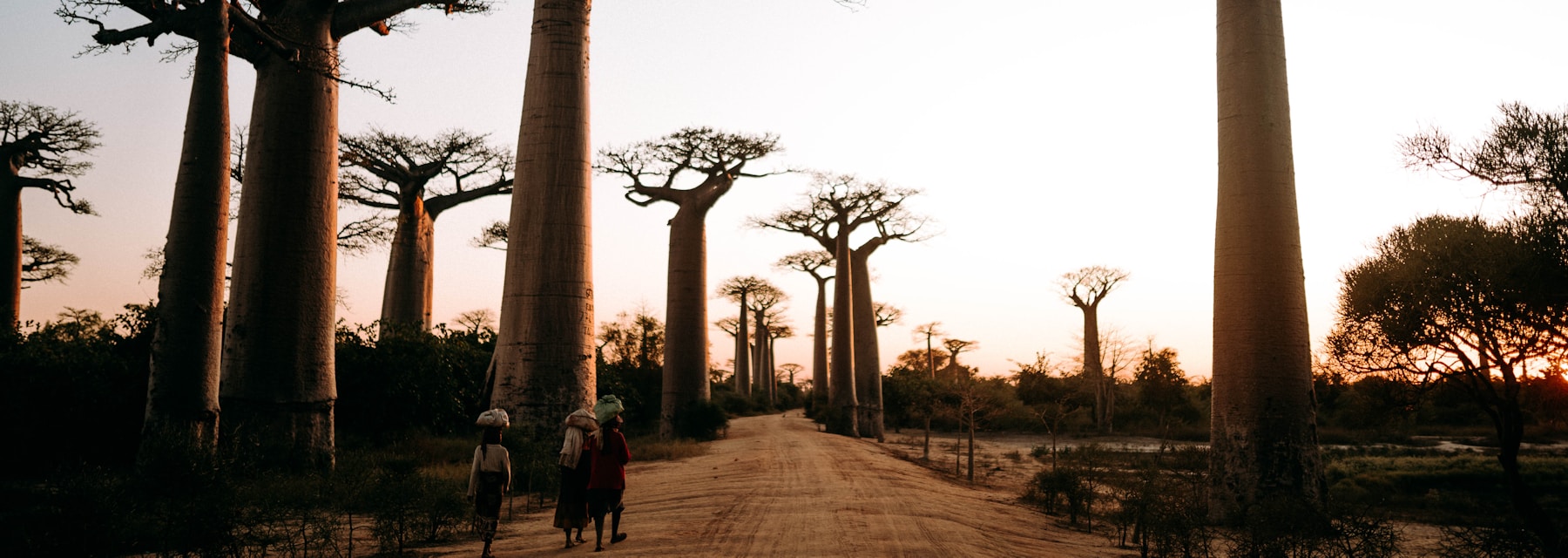
Madagascar offers something the other two cannot: beaches set against a backdrop of the world’s most distinctive natural world. The Nosy Be archipelago’s castaway sandbars, the southwest’s reef-sheltered lagoons, and the Emerald Sea’s luminous turquoise are beautiful in their own right, but it is the surrounding wilderness — lemurs, baobabs, chameleons, found nowhere else on Earth — that makes a Madagascar beach holiday unique. The island’s remoteness keeps its beaches empty and its prices low, and the sense of genuine discovery is palpable. The cost is rustic logistics and modest infrastructure, but for travelers who value wildness and authenticity, that is precisely the appeal.
Food and Culture Compared
Each destination offers a distinct culinary and cultural experience. Mauritius has arguably the most refined food scene, a genuine fusion of Indian, Creole, Chinese, and French traditions, served in everything from beach shacks to fine resorts. Zanzibar’s Swahili cuisine, rich with spices, coconut, and seafood, is inseparable from its trading history and the spice plantations that visitors tour. Madagascar’s coastal cuisine centers on the freshest seafood — fish, prawns, lobster, crab — often simply grilled, alongside rice and the fiery sakay condiment, reflecting Malagasy, African, and French influences. Culturally, Zanzibar’s Stone Town leads on built heritage, Mauritius offers multicultural vibrancy, and Madagascar provides the most distinctive overall context through its unique Malagasy coastal cultures like the Vezo fishing people.
When to Visit Each
Mauritius: Year-round destination; the cooler dry season (May–November) is most popular, while the warmer wet season (December–April) brings occasional cyclonic risk but lush conditions.
Zanzibar: June–October (dry) and the shorter dry spell of January–February are best; the long rains (March–May) are best avoided.
Madagascar: April–November (dry season) for most coasts; the southwest is reliable year-round, the northwest (Nosy Be) avoids the worst of cyclone season, and September–December adds whale sharks. All three reward dry-season timing, but Madagascar’s regional variety means there is almost always a coast in good condition.
Dimension-by-Dimension Scoring
Beach beauty: All three excel; Mauritius for calm lagoons, Zanzibar for long white stretches, Madagascar for variety and castaway sandbars.
Solitude: Madagascar wins decisively; Mauritius and Zanzibar are far busier.
Value: Madagascar on the ground; Mauritius the priciest.
Ease and infrastructure: Mauritius leads clearly; Madagascar most demanding.
Culture: Zanzibar leads (Stone Town); Madagascar most distinctive natural context.
Activities beyond the beach: Madagascar wins on wildlife; Mauritius on resort amenities; Zanzibar on cultural tours.
Family ease: Mauritius leads; Madagascar best for adventurous families.
The pattern is clear: Mauritius for effortless comfort, Zanzibar for culture and atmosphere, Madagascar for solitude, value, and wildlife.
Honeymoon and Romance Compared
For honeymooners, each offers a different kind of romance. Mauritius is the classic luxury-honeymoon choice — overwater dining, spa days, and polished resort romance with guaranteed comfort. Zanzibar adds exotic atmosphere and the romance of Stone Town’s history alongside beach seclusion. Madagascar offers the most distinctive romantic escape: private-island barefoot luxury, castaway sandbar picnics, and the once-in-a-lifetime experience of combining a beach honeymoon with lemurs and baobabs. Couples wanting effortless luxury lean Mauritius; those wanting a unique, adventurous, and uncrowded romantic journey lean Madagascar. The private island resorts guide covers Madagascar’s most romantic barefoot-luxury options.
Best for Which Traveler
Choose Mauritius if you want effortless comfort, calm family-friendly lagoons, resort amenities, and reliability — and don’t mind paying for it. Ideal for families, honeymooners wanting luxury ease, and travelers who prioritize smooth logistics.
Choose Zanzibar if you want beaches plus rich culture and atmosphere, the historic Stone Town, spice-island character, and a lively social beach scene with reasonable access. Ideal for culturally curious beach travelers.
Choose Madagascar if you want the wildest, emptiest beaches at the lowest prices, combined with world-class wildlife and a sense of genuine discovery — and you’ll trade some convenience for it. Ideal for adventurous travelers, wildlife lovers, and anyone seeking solitude and authenticity.
Madagascar’s Unique Case
Madagascar’s argument is not that it out-polishes Mauritius or out-cultures Zanzibar — it doesn’t try to. Its case is solitude, value, and combination. No other Indian Ocean beach destination offers beaches this empty at prices this reasonable, and none can pair sand with lemurs, baobabs, and the world’s most distinctive wildlife. For travelers whose ideal beach holiday includes having the beach to themselves, paying less, and experiencing genuine natural wonder alongside the sand, Madagascar is unmatched.
The trade-off is real and worth understanding: you accept more rustic logistics, less polished infrastructure, and the effort of reaching a remote destination. But for the right traveler, these are features, not flaws — the very things that keep Madagascar’s beaches pristine and its experience authentic. To plan a Madagascar beach trip that delivers this, our coastal escapes pillar maps the regions, seasons, and logistics.
Getting There Compared
Access is a practical factor that shapes the decision. Mauritius is the easiest to reach, with abundant direct international flights from Europe, the Middle East, Asia, and Africa, and a smooth modern airport — many travelers arrive on a single long-haul flight. Zanzibar is reasonably accessible, with direct and one-stop connections from Europe and easy links through mainland Tanzania, often combined with a safari. Madagascar is the hardest to reach — international flights are fewer and often routed through Paris, Addis Ababa, Nairobi, or Mauritius, and reaching the best beach regions requires a domestic connection on top. This access gap is a real consideration: Mauritius and Zanzibar can be weekend-extendable beach breaks for some travelers, while Madagascar demands a longer, more committed trip. But that same difficulty of access is exactly why Madagascar’s beaches stay empty — the harder a place is to reach, the fewer people are on its sand.
Practical Booking Differences
How you book each destination differs in ways worth knowing. Mauritius has a mature, well-organized tourism market with abundant online booking, package deals, and resort options — independent planning is genuinely easy. Zanzibar is similarly accessible to book, with a wide range of accommodation and established operators, often bundled with a Tanzanian safari. Madagascar sits at the specialist-coordination end: while you can book a Nosy Be hotel online, getting the domestic logistics, transfers, island day trips, and the all-important combination with the interior right benefits enormously from local knowledge. The more developed destinations reward independent booking; Madagascar rewards working with a resident specialist who can navigate the logistics and unlock the wildlife-and-beach combination that makes the trip special. This is the practical reason Madagascar trips often involve more planning — and why that planning pays off in a richer, smoother experience.
The Experienced Beach Traveler’s Perspective
For travelers who have already done the polished Indian Ocean classics — a Mauritius resort, a Zanzibar beach week — the calculus often shifts toward Madagascar. Once you have experienced the comfort and convenience of the developed destinations, the appetite frequently grows for something wilder, emptier, and more genuinely adventurous. This is exactly where Madagascar’s case becomes strongest.
Mauritius and Zanzibar are, for all their beauty, well-known and increasingly busy — their best beaches photographed millions of times, their experiences somewhat predictable. Madagascar remains a frontier by comparison: beaches you can have to yourself, castaway sandbars without crowds, and the extraordinary bonus of lemurs and baobabs alongside the sand. The experienced beach traveler who reaches a deserted Nosy Iranja sandbar, snorkels an uncrowded reef, or pairs a beach week with a lemur forest encounters something the developed destinations can no longer offer. There is a particular satisfaction in a beach holiday that still feels like discovery, and Madagascar delivers it in a way Mauritius and Zanzibar, for all their merits, cannot.
None of this diminishes the other two — both are excellent, and for many travelers the right first Indian Ocean beach holiday. But for the traveler asking “what’s genuinely different from the beach destinations I already know,” Madagascar’s answer — empty beaches, low prices, and a wildlife-and-beach combination found nowhere else — is uniquely compelling.
Can You Combine Them?
These three destinations sit at different points in the Indian Ocean and rarely combine in a single trip — each deserves its own dedicated holiday. The more useful question is which to choose for this trip, and which to save for next time. Many beach travelers do Mauritius or Zanzibar first, drawn by their accessibility, then discover Madagascar later when they want something wilder and more adventurous. Madagascar rewards the traveler ready to trade a little comfort for a lot of authenticity — which is why it often becomes the most memorable of the three for those who make the journey.
A Decision Framework
If you’re still weighing the three, a few guiding questions cut through the choice. How much do crowds bother you? If empty beaches matter deeply, Madagascar wins outright; if you don’t mind company, Mauritius and Zanzibar open up. What’s your budget? Madagascar offers the best on-the-ground value; Mauritius commands a premium. How much convenience do you need? If effortless logistics are essential, Mauritius; if you’ll trade convenience for authenticity, Madagascar.
Do you want activities beyond the beach? If wildlife and natural wonder appeal, Madagascar is unmatched; if cultural history draws you, Zanzibar; if resort amenities and golf, Mauritius. Who’s traveling? Families wanting ease lean Mauritius; couples wanting unique romance lean Madagascar; culturally curious travelers lean Zanzibar. How much time do you have? Shorter trips favor the more accessible Mauritius and Zanzibar; Madagascar rewards a longer, more committed journey.
Run through these honestly and the right destination usually becomes clear. There is no universally best choice — only the best choice for a given traveler and trip. What’s worth emphasizing is that Madagascar is the one most travelers overlook and most underestimate: its combination of empty beaches, low prices, and wildlife is genuinely unique in the Indian Ocean, and for the right traveler it delivers a beach holiday the more famous destinations simply cannot match. If your answers point toward solitude, value, adventure, and natural wonder, Madagascar is your destination — and the journey to reach it is rewarded many times over by what you find.
Carla / Voyagiste Madagascar (beach trip coordination)
Madagascar-resident specialist for beach and coastal travel. Contact Carla directly to design a Madagascar beach escape that delivers the solitude, value, and wildlife-and-beach combination that set the island apart from its more developed Indian Ocean rivals.
Common Mistakes When Choosing
Travelers weighing these three often fall into avoidable traps. Choosing on beach photos alone: All three photograph beautifully, but the lived experience — crowds, ease, cost, what surrounds the sand — differs enormously. Look past the imagery to the character of each destination.
Underestimating Madagascar’s logistics: Travelers who book Madagascar expecting Mauritius-style seamlessness can be frustrated. Go in understanding that Madagascar trades convenience for authenticity, plan accordingly, and the rustic logistics become part of the adventure rather than an annoyance.
Overestimating how much beach time you want: Many travelers assume they want a pure beach holiday, then find a week of nothing but sand monotonous. Madagascar’s wildlife-and-beach combination solves this, and even on Mauritius or Zanzibar, planning some activity beyond the beach improves the trip.
Mistiming the season: Each destination has its weather windows, and arriving in the wrong season — Zanzibar’s long rains, an exposed Madagascar coast in cyclone season — can undermine the holiday. Match destination and timing carefully.
Ignoring the combination opportunity: Madagascar’s unique ability to pair beaches with extraordinary wildlife is its single biggest advantage, yet travelers fixated on a pure beach holiday often overlook it. For most, the beach-and-wildlife combination is what makes Madagascar worth the extra effort over the easier alternatives — and missing it is the biggest mistake of all.
Avoid these and the choice between the three becomes a matter of honest priorities rather than guesswork — and whichever you choose, you arrive with the right expectations for a holiday that delivers.
Frequently Asked Questions
Which has the best beaches?
All three offer Indian Ocean beauty. Mauritius has the calmest resort lagoons, Zanzibar the most atmosphere, and Madagascar the wildest, emptiest, and most varied beaches — including castaway sandbars you can have to yourself.
Which is cheapest?
Madagascar is the most affordable on the ground, though reaching its remote coasts adds airfare. Mauritius is the most expensive; Zanzibar sits in between.
Which is easiest to travel?
Mauritius, by a wide margin — developed infrastructure and effortless logistics. Madagascar is the most challenging, which keeps it uncrowded.
Which is best for families?
Mauritius, for its calm lagoons, resort amenities, and ease. Madagascar suits adventurous families who want wildlife alongside the beach.
Which has the fewest crowds?
Madagascar, decisively. Its remoteness keeps beaches empty in a way the more popular Mauritius and Zanzibar cannot match.
Do I need travel insurance?
Yes, for all three. Comprehensive coverage is most essential in Madagascar, where infrastructure is thinnest.
🌴 Plan the Madagascar Beach Escape With Carla
If Madagascar’s empty beaches, low prices, and wildlife-and-beach combination appeal, the experience depends on good planning and local knowledge. Reach out to Carla, our Madagascar-resident specialist, to design a beach escape that delivers the solitude and authenticity that set Madagascar apart from every other Indian Ocean destination.
Plan Your Trip to Madagascar
- Read the full Madagascar Travel Guide
- Explore itineraries by style and duration
- Explore the full destination guide
Where to Stay