Where to See a Fossa in Madagascar 2026: Best Places, Parks & Timing
Affiliate disclosure: This article contains sponsored links to hotels, tour operators, insurance providers, and other travel services. We earn a small commission if you book through our links, at no extra cost to you.
Where to See a Fossa 2026 — At a Glance
- The best place: Kirindy Forest in the west (near Morondava and the Avenue of the Baobabs)
- The best time: the October–December mating season, when fossa are most active and visible
- Also possible: Andasibe, Ranomafana and Ankarafantsika — but far less predictable
- Book a Kirindy / wildlife tour: on GetYourGuide
- Plan the timing with a local: contact Carla
- Getting there: car & driver on Carla
- Flight protection: EU261 up to €600 per passenger
- Travel insurance: SafetyWing Nomad Insurance
- Where to stay: Madagascar stays near the parks on Agoda
🐿 Wildlife-Watching Gear for Madagascar
The right kit turns a good wildlife trip into a great one:
- 8×42 binoculars — essential for spotting lemurs and chameleons in the canopy. See on Amazon →
- Rechargeable headlamp — essential for night walks; red mode won’t disturb wildlife. See on Amazon →
- Trekking poles — ultralight support for long park hikes. See on Amazon →
- Hiking daypack — comfortable pack for water, camera and layers. See on Amazon →
- Picaridin insect repellent — DEET-free protection against malaria mosquitoes. See on Amazon →
As an Amazon Associate we earn from qualifying purchases.
Madagascar’s largest predator is also one of its hardest animals to find. The fossa is a lithe, cat-like carnivore that hunts lemurs through the canopy and across the forest floor, and for most of the year it stays well out of sight — solitary, wide-ranging and active mainly at dawn, dusk and night. Plenty of visitors spend weeks on the island and never see one. That difficulty is exactly what makes a sighting feel like a genuine reward rather than a checkbox.
The good news is that “hard to find” is not the same as “impossible.” There are specific forests where fossa are seen with real regularity, and one place stands above the rest. This guide ranks and compares those places, explains the timing that changes everything, and sets honest expectations so you arrive prepared rather than disappointed. For the full natural history of the animal — what it is, how it lives, why it matters — start with our complete guide to the fossa.
The Short Answer: Kirindy Forest, October–December
If you only remember one thing, remember this: Kirindy Forest, in the west near Morondava, is the single best place in Madagascar to see a wild fossa — and the October–December mating season is the single best time. During those weeks the normally elusive animals concentrate around traditional mating trees, males travel in to compete, and individuals that would otherwise melt into the forest become bold, conspicuous and often active in broad daylight.
Everywhere else in Madagascar, fossa are a bonus rather than a plan. You may meet one at Andasibe, Ranomafana or Ankarafantsika, but those sightings are unpredictable and depend heavily on luck. If seeing a fossa is a priority for your trip, you build the trip around Kirindy in the late dry season. Everything below explains why, and how to give yourself the best possible odds.
The Best Places to See a Fossa
Fossa range across most of Madagascar’s remaining forests, from the eastern rainforests to the western dry woodlands and the northern reserves. But “present” and “reliably seen” are very different things. Below are the places worth knowing, ranked from the most dependable to the genuinely opportunistic.
Kirindy Forest — the #1 spot
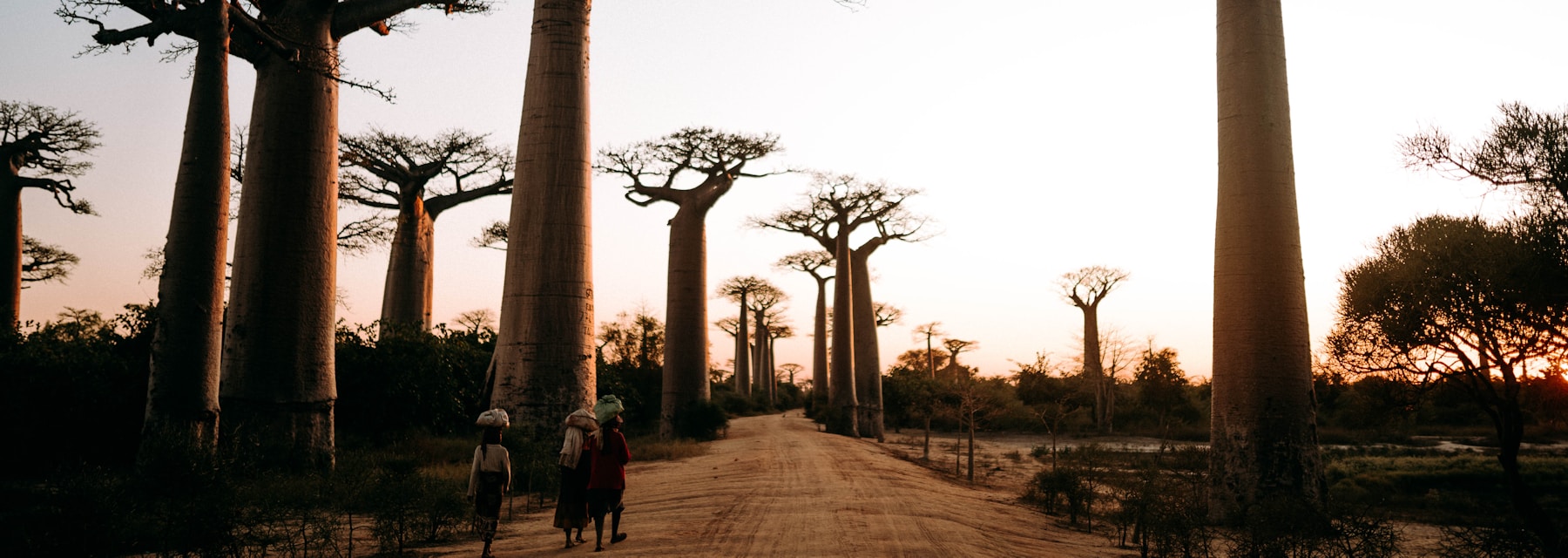
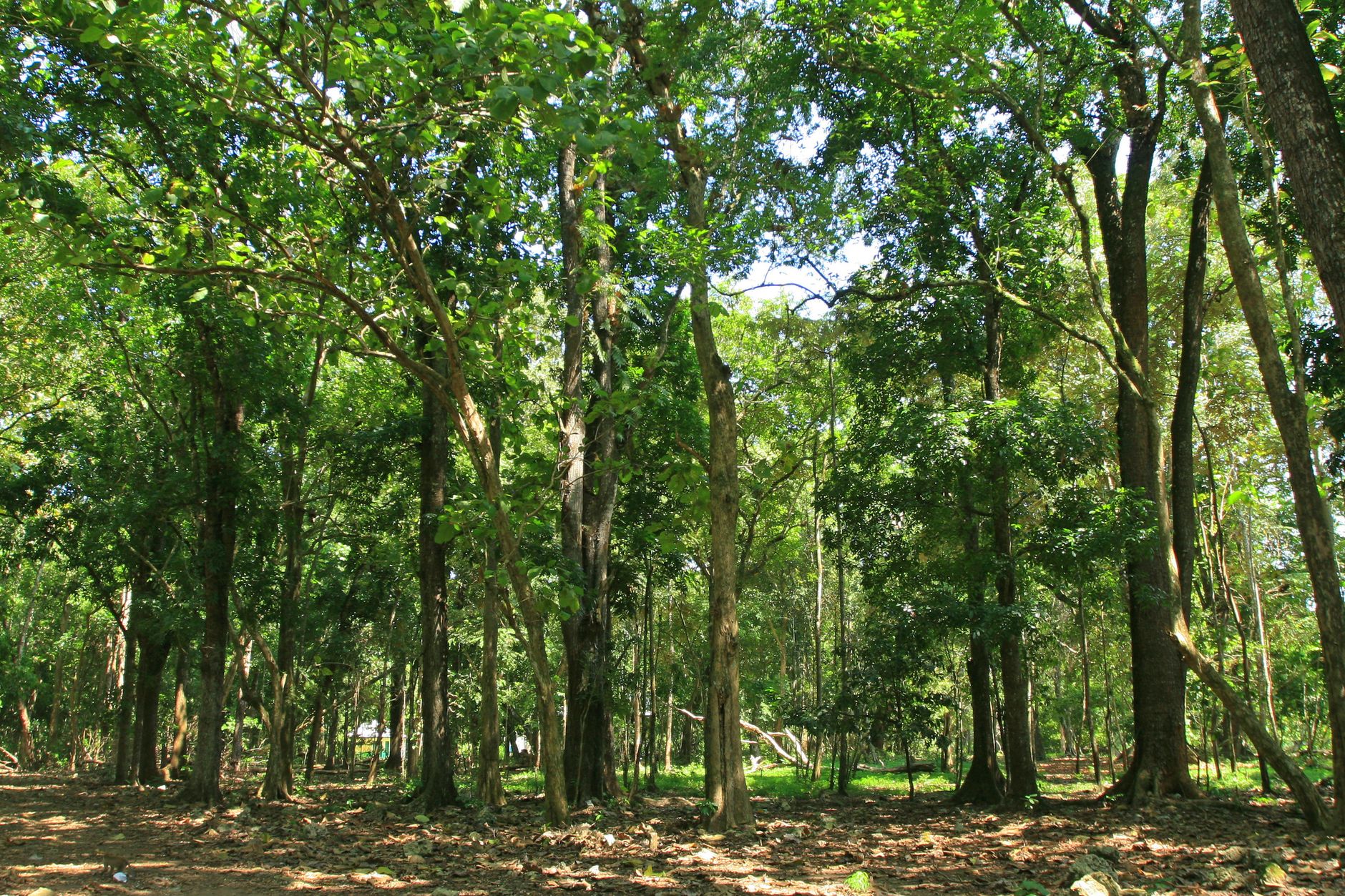
Kirindy is a dry deciduous forest in the Menabe region of western Madagascar, a short drive inland from Morondava and the famous Avenue of the Baobabs. It is, without serious competition, the most reliable place on the island to see a wild fossa. The forest’s resident animals have become relatively used to the presence of researchers and visitors over many years, which means that — unlike almost anywhere else — fossa here can be approached and watched rather than merely glimpsed as they flee.
The peak is the mating season, roughly October into December, when fossa gather around traditional mating sites. Males arrive from a wide area to compete, females become the centre of attention, and the whole spectacle can unfold during the day within easy reach of the camp. Outside that window fossa are still seen at Kirindy, often around dawn, dusk or near the research camp, but the season is when sightings shift from “possible” to “likely.”
Kirindy pairs naturally with the rest of the west, so most travellers fold it into a Morondava-based loop that also takes in the baobabs and the tsingy. For the full picture of the region and how the pieces connect, see our guide to western Madagascar’s baobabs and tsingy.
Andasibe-Mantadia — eastern rainforest chances
Andasibe-Mantadia, a few hours east of Antananarivo, is Madagascar’s most visited rainforest and the easiest park to reach. It is best known for the indri, the largest living lemur, but fossa do occur here. Sightings are uncommon and far from guaranteed — this is not a place you go specifically for fossa — yet they happen, and a patient traveller with a good guide and a couple of night walks under their belt occasionally gets lucky.
What makes Andasibe worth a mention is its convenience. If your itinerary already runs through the eastern rainforest for lemurs and birds, the chance of a fossa is a welcome bonus that costs you nothing extra. Treat any sighting here as a gift rather than an expectation.
Ranomafana
Ranomafana, in the southeastern highlands, is a lush montane rainforest celebrated for its diversity of lemurs and its dense, dripping greenery. Fossa are present and are occasionally encountered, usually by guides who know the trails and the animals’ habits. As at Andasibe, sightings are sporadic rather than reliable, and the thick forest makes any predator hard to spot.
Ranomafana is a natural stop on the classic RN7 route through the south, so travellers heading that way can keep an eye out without rearranging their plans. Go for the lemurs and the atmosphere; count a fossa as an extraordinary stroke of luck.
Ankarafantsika — the northwest
Ankarafantsika National Park, in the northwest between Antananarivo and Mahajanga, protects one of the island’s important blocks of dry deciduous forest — a habitat type that suits fossa well. The park supports a healthy carnivore community and fossa do range through it, though here too the chances of a sighting are modest and depend on time, season and a good local guide. Its dry-forest setting makes it more promising in principle than the eastern rainforests, but it does not match Kirindy’s predictability.
For travellers already crossing the northwest — on the way to Mahajanga or its coast — Ankarafantsika is a rewarding wildlife stop in its own right, with the fossa as one of several reasons to slow down and walk the trails after dark.
Other forests
Fossa turn up, rarely and unpredictably, in many other protected areas across Madagascar — from northern reserves to remote western and eastern forests that see few tourists. In most of these places a sighting is a matter of pure chance: the animal is there, but the encounter rate is low and there is no season or technique that reliably tips the odds. If you find yourself deep in any intact Malagasy forest, keep your eyes open at dawn and dusk — but build your fossa hopes around Kirindy, not around the long tail of “maybe” forests. For the wider context on which parks protect what, see our guide to Madagascar’s national parks and reserves.
Park Comparison
The table below sets the main fossa destinations side by side. Chances are given as relative descriptors, not numbers — fossa sightings are never guaranteed anywhere, and honest relative ranking is more useful than invented statistics.
| Park / Forest | Region | Fossa chances | Best months | Also see | Access |
|---|---|---|---|---|---|
| Kirindy Forest | West (Menabe, near Morondava) | Best on the island — likely in season | October–December (mating season) | Baobabs, giant jumping rat, mouse lemurs, nocturnal life | Drive inland from Morondava; pairs with the Avenue of the Baobabs |
| Andasibe-Mantadia | East (near Antananarivo) | Possible but uncommon | Dry season; sightings year-round but rare | Indri, diademed sifaka, chameleons, frogs | Easiest park to reach; a few hours by road from the capital |
| Ranomafana | Southeast highlands | Occasional, sporadic | Drier months for easier walking | Golden bamboo lemur, many lemur species, rich birdlife | On the RN7 route south; reached by road |
| Ankarafantsika | Northwest (toward Mahajanga) | Modest; dry-forest habitat helps | Dry season | Coquerel’s sifaka, lemurs, dry-forest birds, lake life | On the route between Antananarivo and Mahajanga |
| Other forests | Various | Low and unpredictable | Varies | Region-specific wildlife | Often remote; few visitors |
When to Go: The Mating Season Window
Timing matters more for fossa than for almost any other Malagasy animal. For most of the year fossa are solitary and secretive, covering large territories alone and avoiding contact — including contact with people. Then, roughly from October into December, everything changes. The mating season concentrates animals at traditional sites, draws competing males in from a wide area, and pulls normally nocturnal, shy individuals out into daylight and into the open. At Kirindy in particular this is when the forest’s fossa become genuinely watchable.
This window sits at the end of Madagascar’s dry season, just before the rains. That is convenient: the dry season is the most comfortable and accessible time to travel the western forests, with firmer roads and easier walking. To fit a fossa trip into the broader rhythm of the Malagasy year — when to come, what the seasons mean for each region — read our guide to the best time to visit Madagascar. Aim your Kirindy days squarely at the mating season, and build the rest of the itinerary around that anchor.
How to Maximise Your Chances
Even at Kirindy in season, a fossa sighting is never a certainty. But several things meaningfully shift the odds in your favour, and they cost little more than planning and patience.
- Hire a genuinely good guide. A skilled local guide knows the animals’ routines, the trees they favour, and where to stand and wait. This single factor matters more than any other.
- Do night walks and early-morning outings. Fossa are most active at dawn, dusk and night. Build in dedicated nocturnal walks and be on the trails at first light, not after breakfast.
- Be patient and quiet. Predators reward stillness. Rushing from trail to trail sees less than waiting calmly in the right spot.
- Allow more than one visit. A single afternoon at Kirindy is a gamble. Two or three sessions across a couple of days dramatically improve your chances, especially across different times of day.
- Time it to the season. All the patience in the world helps less than simply being there in October–December.
- Keep expectations honest. Even with everything in your favour, the forest owes you nothing. Treat the trip as a wildlife experience first and a fossa hunt second, and you will not leave disappointed.
Combining Fossa with Other Wildlife
The smartest way to chase a fossa is to make it one highlight of a broader western adventure rather than a single all-or-nothing mission. Kirindy sits in the same corner of the island as two of Madagascar’s most iconic sights, and the three combine into one of the most rewarding loops in the country.
From a Morondava base you can watch the sun set behind the Avenue of the Baobabs, spend nights and dawns in Kirindy looking for fossa, and meet a cast of lemurs — from tiny mouse lemurs caught in torchlight to sifaka bounding across clearings — along the way. Kirindy is also home to the giant jumping rat and a remarkable density of nocturnal life. Even on a trip where the fossa stays hidden, the forest and its neighbours deliver. For how to thread these stops into a coherent western route, see our western Madagascar guide.
Getting to Kirindy & the Parks
Kirindy is reached from Morondava, the main gateway town on Madagascar’s west coast. Morondava is connected to the rest of the country by road and by domestic flights, and from there it is a manageable drive inland to the forest, passing the Avenue of the Baobabs on the way. The eastern and northwestern parks — Andasibe, Ranomafana, Ankarafantsika — are reached overland from Antananarivo along the main national routes.
Madagascar has no useful public transport for this kind of trip, so independent travel means a private vehicle. Most visitors travel with a car and driver-guide, which is by far the most practical and comfortable way to reach the forests and move between wildlife stops. Arrange a car & driver on Carla — book ahead for the late-dry-season fossa window, when the west is busiest. For the full picture on transport options and what to expect on the roads, see our guide to getting around Madagascar.
Where to Stay Near the Parks
For a fossa-focused trip, Morondava is your base for Kirindy — it has the widest choice of accommodation in the region and puts both the forest and the baobabs within reach. There is also simple lodging closer to the forest itself for travellers who want to be on the trails at first light. For the eastern and northwestern parks, the nearby gateway towns and Antananarivo offer the usual range of options.
Because the late dry season is peak time in the west, rooms in Morondava fill early — exactly when the fossa are most active. Book ahead rather than hoping for a walk-in. Compare Madagascar stays near the parks on Agoda and lock in your dates before the October–December rush.
What a Fossa-Focused Trip Costs
The cost of chasing a fossa is really the cost of a western Madagascar wildlife trip, since you do not travel to Kirindy in isolation. The main drivers are the private vehicle and driver-guide, park and reserve fees, guiding within the forests, and accommodation in Morondava and along the way. Domestic flights to shorten the long overland legs add convenience at a price. None of this is budget-backpacker territory, but it is far from the most expensive way to see wildlife in Africa, and the combination of baobabs, lemurs and a shot at a fossa delivers strong value for the money.
For honest, structured breakdowns of what to expect, our siblings cover the numbers in detail: read the fossa tour cost guide for the spending picture, and the fossa tour packages guide for ready-made options that bundle Kirindy with the baobabs and lemurs. To understand the wider family of Malagasy predators you might encounter, see our overview of the types of Madagascar carnivores.
Responsible Wildlife Watching
The fossa’s growing fame brings a real risk. At a handful of sites, the habit of feeding wildlife — or tolerating animals raiding camps for scraps — has made fossa unnaturally bold and dependent on people. That is bad for the animals: it changes their behaviour, exposes them to conflict, and can shorten their lives. A relaxed, watchable fossa is a privilege to observe, but it should be relaxed because it is used to quiet observers, not because it has learned to associate humans with food.
Watch responsibly. Keep your distance, never feed or try to attract a fossa, store food securely at camps, follow your guide’s instructions, and keep noise and lights to a minimum. The goal is to see the animal living its own life, not to manufacture an encounter at its expense. Choosing guides and lodges that take this seriously is part of making sure there are still wild fossa to see in the decades ahead.
Getting There and Travelling Well
Reaching Madagascar almost always means an international flight connecting through a hub such as Paris or Nairobi, then onward travel into the country. Long-haul connections are where things go wrong.
Flight delayed or cancelled? Flights to Madagascar often connect through Paris or Nairobi. If your European-routed international flight was delayed or cancelled, EU regulation EC 261 may entitle you to up to €600 per passenger. (This applies to the European-routed international flight, not to Madagascar’s domestic hops.)
Check your claim free on AirAdvisor.
Once on the ground, you will be deep in remote forest, far from major hospitals, doing night walks on rough trails. Medical evacuation from Madagascar can cost between $30,000 and $80,000 — a single reason that travel insurance is non-negotiable for a wildlife trip like this. SafetyWing Nomad Insurance is a straightforward, affordable choice for this kind of trip, covering medical care and emergencies while you are off in the forests. Sort your cover before you fly, not after.
Time It Right with Carla, a Madagascar Resident
The difference between a frustrating fossa trip and a great one usually comes down to timing and local knowledge — being in Kirindy in the right weeks, with the right guide, and the rest of the route built sensibly around it. That is hard to judge from afar. Carla, a Madagascar-resident specialist, can place your Kirindy days inside the October–December window, line up a strong local guide, and combine the forest with the baobabs and lemurs so the whole western loop works as one trip. Reach out before you book flights, while the dates are still flexible.
Frequently Asked Questions
Where is the best place to see a fossa in Madagascar?
Kirindy Forest, in the west near Morondava, is the single most reliable place to see a wild fossa — especially during the October–December mating season, when the animals are most active and visible.
When is the best time to see a fossa?
The October–December mating season is by far the best window. Fossa gather at traditional sites, males travel in to compete, and normally shy animals become bold and often active in daylight, particularly at Kirindy.
Can you see a fossa at Andasibe or Ranomafana?
Yes, but only occasionally. Fossa occur in both eastern rainforests, yet sightings are uncommon and unpredictable. Treat any encounter there as a bonus, and build your fossa hopes around Kirindy instead.
Are fossa sightings guaranteed?
No. A fossa sighting is never guaranteed anywhere in Madagascar, even at Kirindy in peak season. A good guide, night walks, patience and more than one visit all improve your odds, but the forest owes you nothing — which is part of what makes a sighting special.
How do I get to Kirindy?
Kirindy is reached from Morondava on the west coast, a manageable drive inland that passes the Avenue of the Baobabs. Morondava connects to the rest of the country by road and domestic flights; from there, a car and driver-guide is the practical way in.
🐾 Time It Right for a Fossa Sighting — Ask Carla
A Madagascar-resident specialist can time your Kirindy visit to the season and pair it with the baobabs and lemurs. Reach out to Carla.
Plan Your Trip to Madagascar
- Read the full Madagascar Travel Guide
- Explore itineraries by style and duration
- Best Tours and Guided Experiences
Where to Stay