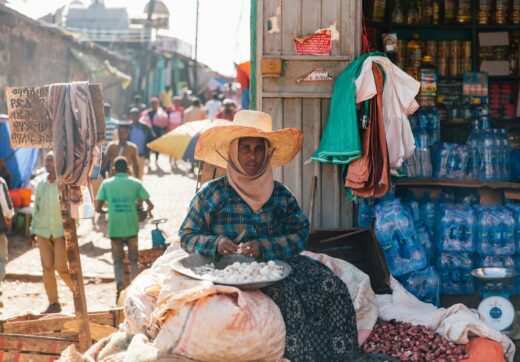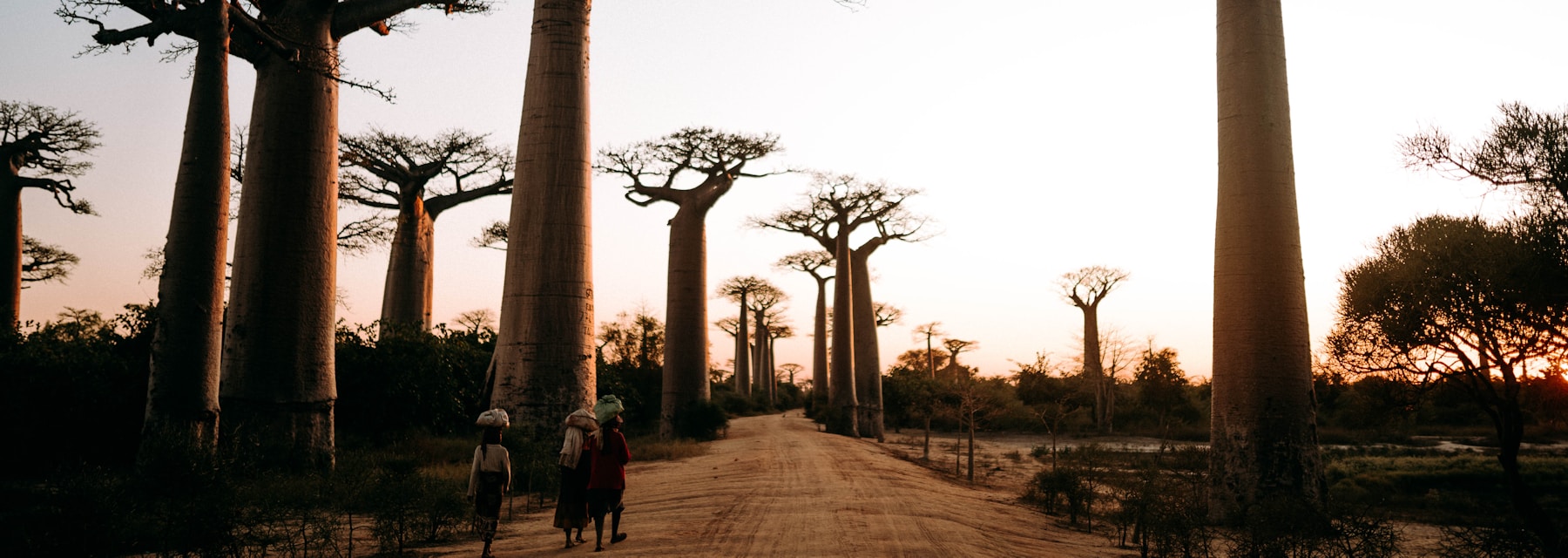
Étiquette et coutumes à Madagascar 2026 : fady, culture et voyage respectueux
Divulgation d’affiliation : Cet article contient des liens sponsorisés vers des hôtels, voyagistes, assureurs et autres services de voyage. Nous percevons une petite commission si vous réservez via nos liens, sans coût supplémentaire pour vous.

Étiquette et coutumes à Madagascar 2026 — En bref
- Fady (tabous) : locaux et très variables — la règle d’or est de demander à votre guide et de suivre l’exemple local
- Respect des ancêtres et des tombeaux : ne jamais photographier ni approcher un tombeau sans accompagnement
- Mora mora : adoptez le rythme lent ; habillez-vous sobrement dans les villages ; demandez toujours avant de photographier des personnes
- Voyagez avec un guide local : contactez Carla — la meilleure façon de respecter les coutumes
- Réservez des circuits culturels : sur GetYourGuide
- Se déplacer : voiture avec chauffeur sur Carla
- Protection des vols : CE 261 jusqu’à 600 € par passager
- Assurance voyage : SafetyWing Nomad Insurance
- Où séjourner : hébergements à Antananarivo sur Agoda
Madagascar est l’une des destinations les plus singulières sur le plan culturel, et un peu de sensibilité fait toute la différence. La vie quotidienne y est façonnée par un profond respect des ancêtres, un rapport détendu au temps, et tout un réseau de coutumes et de tabous locaux que les visiteurs ne sont tout simplement pas censés connaître à l’avance. Ce que l’on attend de vous, c’est de rester curieux, poli et prêt à suivre l’exemple des personnes qui vous entourent. Faites cela, et vous trouverez vos hôtes malgaches extraordinairement chaleureux et généreux.
Ce guide vous présente les fondamentaux culturels que tout voyageur devrait comprendre avant d’arriver : ce que sont les fady (tabous locaux) et pourquoi ils varient autant, comment les Malgaches honorent leurs ancêtres, la célèbre tradition du famadihana, le rythme paisible du mora mora, ainsi que l’étiquette pratique autour de la tenue, de la photographie, des salutations et des dons. Si c’est votre premier voyage, associez-le à nos conseils de voyage à Madagascar pour les débutants pour avoir une vue d’ensemble.
Pourquoi la sensibilité culturelle compte ici
Dans de nombreuses destinations, on peut voyager deux semaines sans véritablement effleurer les coutumes locales. Madagascar, c’est différent. La culture de l’île est un mélange en couches d’héritages d’Asie du Sud-Est, d’Afrique et du monde arabe, exprimé à travers des centaines de traditions claniques, une forte culture orale, et des croyances qui relient étroitement les vivants aux morts. Ces traditions ne sont pas du folklore joué pour les touristes — elles forment le tissu vivant du quotidien, surtout en dehors des villes.
Ce qui est rassurant, c’est que personne n’attend d’un visiteur qu’il arrive parfaitement au fait de l’étiquette locale. Les Malgaches sont réputés pour pardonner aisément les erreurs sincères commises par des invités respectueux. Ce qui suscite la bienveillance, c’est l’attitude que vous apportez : posez des questions, observez ce que font les habitants, acceptez les conseils, et ne considérez jamais une coutume comme pittoresque ou étrange. Le voyageur qui fait preuve d’un respect véritable est accueilli presque partout — et souvent convié à des expériences que les touristes fermés ne voient jamais.
Le meilleur investissement que vous puissiez faire pour voyager respectueusement est un bon guide local. Un guide résident lit des situations qui vous échappent, connaît les coutumes de chaque région que vous traversez, et peut discrètement vous éviter de commettre un impair. Les primo-visiteurs en particulier bénéficient énormément de quelqu’un capable d’interpréter non seulement la langue mais aussi les règles non écrites.
Fady : les tabous locaux de Madagascar
Ce que sont les fady
Le concept culturel le plus important à saisir à Madagascar est le fady — un système de tabous ou d’interdits qui régissent ce qui peut et ne peut pas être fait dans un lieu donné ou par un groupe donné. Un fady peut toucher presque tous les aspects de la vie : un aliment qu’il ne faut pas manger, un jour où aucun travail ne peut être effectué, une direction que l’on ne doit pas montrer du doigt, un lieu dans lequel on ne doit pas pénétrer, ou un acte à ne pas accomplir près d’un tombeau. Les fady sont pris très au sérieux, car en transgresser un est censé déranger les ancêtres et attirer le malheur sur la communauté, et pas seulement sur l’individu.
À quel point ils sont locaux et variés
Voici ce que les voyageurs ont le plus besoin de comprendre : les fady sont intensément locaux. Ils varient d’une région à l’autre, d’un village à l’autre, et même d’une famille à l’autre. Un aliment parfaitement ordinaire dans une ville peut être strictement interdit dans la suivante. Une colline que l’on parcourt librement dans une communauté peut être interdite dans une autre. Il n’existe aucun recueil national de tabous que vous pourriez mémoriser avant votre voyage, et quiconque vous en remet un en fait trop. Parce que les fady sont si propres au lieu et au lignage, ils sont essentiellement impossibles à deviner pour un étranger — et c’est précisément pourquoi la bonne approche est l’humilité, et non une préparation par liste de contrôle.
Quelques exemples courants
Pour donner une idée de l’éventail — et uniquement à titre d’illustration, jamais comme règles universelles — on a rapporté à travers le pays des fady tels que : l’interdiction de pointer du doigt un tombeau ou un site sacré ; des restrictions concernant la consommation de certaines viandes, comme le porc dans certaines zones ; l’interdiction de siffler sur certaines plages ou dans certaines forêts ; un tabou sur le travail aux champs un jour précis de la semaine ; et des règles interdisant d’introduire certains objets ou animaux dans un village. Surtout, aucun de ces exemples n’est valable partout. Le même acte interdit dans un endroit peut être tout à fait acceptable à une vallée de distance. Considérez chaque exemple que vous lisez — y compris ceux-ci — comme une raison de demander sur place, et non comme une règle à appliquer.
La règle d’or : demander à votre guide et suivre l’exemple local
Parce que les fady ne peuvent pas être consultés de façon fiable et changent d’un endroit à l’autre, la règle d’or est simple : demandez à votre guide et suivez l’exemple local. Avant d’entrer dans un village, une forêt, une clairière sacrée ou toute zone de tombeaux, laissez votre guide vérifier ce qui est permis. En cas de doute, faites comme les personnes qui vous entourent — et abstenez-vous de tout ce dont vous n’êtes pas certain. Un bon guide posera les bonnes questions en votre nom et vous dira clairement ce qu’il faut éviter. Cette seule habitude prévient presque tous les faux pas culturels qu’un visiteur pourrait commettre. Un habitant compétent change tout ici — Carla peut organiser un guide résident qui connaît les coutumes des régions de votre itinéraire.
Respect des ancêtres et des tombeaux
Pour comprendre la culture malgache, il faut comprendre la place centrale des razana — les ancêtres. Dans une grande partie de l’île, les morts ne sont pas des souvenirs lointains mais des membres actifs de la communauté, dont on recherche la bénédiction et dont on craint le mécontentement. La relation avec les ancêtres façonne les décisions familiales, l’usage de la terre, les cérémonies et, de façon très visible, le paysage lui-même.
C’est pourquoi les tombeaux figurent parmi les sites les plus sacrés et les plus sensibles du pays. Dans de nombreuses régions, les tombeaux familiaux sont vastes, soigneusement construits et bien plus élaborés que les habitations des vivants, reflétant la croyance que la demeure des ancêtres compte davantage que tout logement terrestre. Vous en verrez parsemés à travers les hautes terres et au-delà, parfois peints, parfois sculptés.
Pour un voyageur, les règles de respect sont simples. Ne photographiez pas, ne touchez pas, ne grimpez pas sur, et n’approchez pas un tombeau sans accompagnement explicite. Certains tombeaux ne doivent pas être regardés directement, d’autres ne doivent pas être pointés du doigt, et beaucoup ne peuvent pas du tout être visités par des étrangers — ce sont exactement le genre de fady locaux que seul un guide ou un membre de la communauté peut clarifier. Ne traitez jamais un tombeau comme un décor de photo ou une curiosité. Si votre guide vous dit qu’un site peut être observé à distance respectueuse, suivez précisément ses indications ; s’il vous dit de passer votre chemin, faites-le sans discuter.
Famadihana : le retournement des morts
L’une des expressions les plus frappantes de la vénération des ancêtres est le famadihana, souvent traduit par le « retournement des morts ». C’est une tradition malgache réelle et vénérée, pratiquée principalement dans les hautes terres centrales chez les peuples Merina et Betsileo. Lors d’un famadihana, une famille exhume les restes des ancêtres du tombeau familial, les enveloppe soigneusement dans de nouveaux linceuls de soie, et célèbre avec musique, danse et festin avant de les remettre au repos. C’est une occasion joyeuse, profondément émouvante — une manière de renouveler le lien entre les vivants et les morts et de rendre grâce aux ancêtres.
Les famadihana ont lieu de façon saisonnière, généralement durant les mois plus frais et plus secs, et ce sont des événements familiaux et communautaires plutôt que des attractions programmées. Ce n’est pas un spectacle pour touristes, et il ne faut jamais le rechercher ni s’y inviter comme tel. Si vous voyagez durant la saison et êtes sincèrement invité à assister à un famadihana ou à y participer, considérez-le comme un véritable privilège. Suivez à la lettre les indications de votre hôte concernant la tenue, le comportement et la photographie, contribuez respectueusement si cela est approprié, et souvenez-vous que vous êtes un invité à un moment familial profond, et non un spectateur à un spectacle. Si la dimension culturelle de Madagascar vous intéresse plus largement, notre guide des expériences du patrimoine culturel aborde des façons respectueuses de découvrir les traditions locales.
« Mora mora » : le rythme de la vie
S’il y a une expression qui résume le rythme de Madagascar, c’est mora mora — « doucement, doucement ». C’est à la fois un dicton et un art de vivre. Les choses arrivent quand elles arrivent. Les bus partent quand ils sont pleins, pas quand l’horloge le dit. Un repas promis en vingt minutes peut en prendre soixante. Une démarche administrative censée être rapide peut se dérouler à son propre tempo paisible. Rien de tout cela n’est une défaillance du service ; c’est simplement la manière dont le temps est vécu ici.
Pour les visiteurs, la tentation est de résister à cela — de se presser, d’insister, de remplir chaque heure. Résistez-y. La frustration ne change rien, si ce n’est votre propre humeur, et une impatience visible peut passer pour de l’impolitesse. Les voyageurs qui apprécient le plus Madagascar sont ceux qui relâchent leur emprise sur le programme, intègrent de généreuses marges dans leurs plans, et laissent la journée respirer. Adoptez le mora mora et vous découvrirez que ce rythme plus lent devient l’un des plaisirs tranquilles du voyage. Établir un programme réaliste et sans précipitation aide — consultez notre itinéraire à Madagascar suggéré pour un rythme raisonnable, et souvenez-vous que les distances et l’état des routes font que les trajets prennent souvent plus de temps que la carte ne le laisse penser (plus de détails dans notre guide pour se déplacer à Madagascar).
Tenue et apparence
Madagascar est globalement détendu et tolérant, mais la tenue communique tout de même le respect. Dans les villages, les villes et les zones rurales, une tenue sobre est la norme — couvrir les épaules et les genoux est une valeur sûre pour les hommes comme pour les femmes. Des manches longues légères et un pantalon ou une jupe longue sont confortables, protègent du soleil et sont bien perçus. Pour visiter des églises, des sites sacrés, des marchés ou le domicile de quelqu’un, optez pour la sobriété.
La tenue de plage est réservée à la plage. Sur les îles balnéaires et le long de la côte, maillots de bain et shorts sont parfaitement normaux au bord de l’eau — mais couvrez-vous avant d’entrer dans un village, une boutique ou un restaurant loin du sable. Traverser une ville en tenue de plage est perçu comme un manque de respect, même là où personne ne le dira. La règle est simple : habillez-vous pour la plage à la plage, et sobrement partout ailleurs.
Étiquette de la photographie
La photographie est l’aspect où les voyageurs bien intentionnés se trompent le plus souvent. La règle cardinale est de toujours demander avant de photographier des personnes — un sourire et un geste vers votre appareil, ou quelques mots par l’intermédiaire de votre guide, suffisent. De nombreux Malgaches acceptent volontiers d’être photographiés ; d’autres non, et certains ont des croyances qui rendent la photographie indésirable. Respectez un « non » immédiatement et sans bouder. Ne photographiez jamais d’enfants sans le consentement clair d’un parent, et n’offrez jamais d’argent en échange d’une photo, ce qui encourage la mendicité et change la nature de la rencontre.
Au-delà des personnes, rappelez-vous que certains lieux et objets sont interdits à l’appareil photo — les tombeaux et les sites sacrés au premier chef, mais aussi certaines cérémonies, marchés, ou zones officielles et militaires. Ces restrictions relèvent souvent d’un fady local, alors demandez à votre guide avant de lever votre objectif près de tout ce qui semble important. En cas de doute, baissez l’appareil et savourez l’instant avec vos yeux. Un photographe respectueux est accueilli de nouveau ; un photographe intrusif ferme des portes pour tous ceux qui suivent.
Salutations et usages sociaux
La vie sociale malgache repose sur la politesse et une courtoisie sans hâte. Les salutations comptent, et il est normal d’échanger quelques formules de politesse — un bonjour, une question sur la santé ou la famille — avant d’en venir à l’essentiel. La poignée de main est la salutation standard dans la plupart des contextes ; entre amis, elle peut être plus chaleureuse et plus longue que les visiteurs ne s’y attendent. Saluez les aînés en premier et avec un respect particulier, et utilisez les deux mains ou une légère inclinaison de la tête lorsque vous recevez quelque chose d’une personne plus âgée, en signe de déférence.
Quelques mots de langue font beaucoup d’effet. Le français est largement parlé, surtout dans les villes et le tourisme, et même quelques mots de malgache — salama pour bonjour, misaotra pour merci — illumineront les visages et montreront que vous avez fait un effort. Apprendre une poignée de phrases est l’une des façons les plus simples de bien voyager ici ; notre guide de la langue malgache et des phrases utiles vous donne un répertoire pratique pour débuter. Parlez doucement, évitez d’élever la voix en cas de différend, et laissez la politesse mener — une franchise qui paraît normale chez vous peut être perçue comme brutale.
Dons, pourboires et cadeaux
La générosité est appréciée lorsqu’elle est gérée avec discernement. Le pourboire est d’usage pour les guides, chauffeurs et personnels d’accueil qui ont bien pris soin de vous, et il constitue une part importante de leurs revenus — prévoyez-le comme un coût de voyage normal. Un guide qui a passé des jours avec vous, en naviguant dans les coutumes en votre nom, mérite un remerciement sincère à la fin. Pour savoir combien emporter et dans quelle monnaie, consultez nos conseils de logistique pratique et prévoyez de garder de petites coupures sur vous.
Soyez plus prudent avec les dons spontanés. Madagascar est un pays à faibles revenus et vous rencontrerez des demandes, parfois de la part d’enfants. Distribuer directement de l’argent, des bonbons ou des stylos aux enfants, aussi bienveillant que cela paraisse sur le moment, tend à encourager la mendicité, à éloigner les enfants de l’école et à créer une dépendance. La meilleure voie est de donner par des canaux légitimes — une école, un projet communautaire, ou une organisation locale réputée que votre guide peut recommander — et de soutenir l’économie locale en achetant de l’artisanat, en engageant des guides locaux et en mangeant dans des établissements locaux. Si vous souhaitez apporter des cadeaux, demandez à votre guide ce qui est réellement utile et approprié pour les communautés que vous visiterez.
Voyage responsable et respectueux
Le respect culturel et le respect de l’environnement sont les deux faces d’une même médaille à Madagascar, un pays dont la faune et les paysages sont aussi uniques et fragiles que ses traditions. Voyagez de manière à laisser les lieux meilleurs, et non plus pauvres. Soutenez le local en choisissant des lodges gérés par la communauté, des guides locaux et des restaurants familiaux, afin que vos dépenses restent dans les communautés que vous visitez. Pratiquez l’éthique de la faune lors de chaque excursion : gardez vos distances avec les lémuriens et les autres animaux, ne les nourrissez jamais et ne les manipulez jamais, n’utilisez pas le flash près des espèces nocturnes, et choisissez des opérateurs aux véritables références en matière de conservation — notre guide d’un safari responsable à Madagascar explique à quoi ressemblent les bonnes pratiques. Ne laissez aucune trace : remportez vos déchets, restez sur les sentiers balisés, et n’achetez jamais de souvenirs faits à partir d’espèces protégées, de coquillages, ou de tout ce dont l’origine est incertaine.
Choisir judicieusement la période de votre visite fait aussi partie d’un voyage réussi — partir à la bonne saison allège la pression sur vous comme sur les lieux que vous visitez ; notre guide de la meilleure période pour visiter Madagascar peut vous aider à planifier. Le voyageur qui marche avec légèreté, respecte les coutumes et redonne est exactement le genre de visiteur que Madagascar souhaite accueillir de nouveau.
L’accueil que vous recevrez
Malgré toute l’étiquette à garder à l’esprit, l’impression durable que la plupart des visiteurs retirent de Madagascar est celle de la chaleur humaine. L’hospitalité malgache est sincère et généreuse, souvent de façon saisissante au regard du peu que possèdent de nombreuses familles. Montrez du respect et de la curiosité, et vous serez accueilli par des sourires, de la patience face à votre français ou votre malgache hésitant, des invitations à partager un repas, et une volonté d’expliquer les coutumes sur lesquelles vous interrogez honnêtement. Les politesses de ce guide ne sont pas des obstacles — ce sont les clés qui ouvrent la porte de cet accueil. Voyagez avec respect et le cœur ouvert, et Madagascar vous le rendra au centuple.
S’y rendre et bien voyager
La plupart des voyageurs rejoignent Madagascar en atterrissant à Antananarivo (Ivato), généralement via Paris, Nairobi, Addis-Abeba ou un hub régional. Une fois sur l’île, les distances sont longues et les transports publics limités ; la manière confortable d’explorer — et la plus avisée sur le plan culturel, car votre chauffeur-guide devient votre passerelle vers les coutumes locales — est une voiture avec chauffeur local. Comparez les voitures avec chauffeur sur Carla et réservez à l’avance durant la haute saison de mai à octobre.
Vol retardé ou annulé ? Les vols vers Madagascar passent souvent par Paris ou Nairobi. Si votre correspondance internationale acheminée via l’Europe a été retardée ou annulée, le règlement CE 261 peut vous donner droit à jusqu’à 600 € par passager.
Vérifiez votre réclamation gratuitement sur AirAdvisor.
Quels que soient vos projets, voyagez assuré. Les structures médicales sont limitées en dehors de la capitale, et une évacuation médicale sérieuse depuis Madagascar peut coûter 30 000 à 80 000 USD — bien plus que n’importe quelle police. SafetyWing Nomad Insurance est une option abordable et flexible qui couvre les soins médicaux et l’évacuation, et elle est facile à souscrire avant le départ. Souscrire une couverture est la case la plus importante à cocher avant de partir.
Voyagez respectueusement avec Carla, spécialiste résidente à Madagascar
La façon la plus sûre de naviguer dans les fady, les coutumes ancestrales et le rythme du mora mora en toute confiance est de voyager avec quelqu’un qui le vit au quotidien. Carla est une spécialiste résidente à Madagascar qui peut vous associer à un chauffeur-guide local de confiance pour votre itinéraire — quelqu’un qui connaît les coutumes de chaque région, pose les bonnes questions en votre nom, et veille à ce que vous fassiez toujours ce qui est respectueux. Qu’il s’agisse de vous éloigner discrètement d’un site sensible ou de traduire un échange chaleureux dans un village, un bon guide transforme l’incertitude culturelle en véritable connexion. Contactez Carla pour planifier un voyage qui honore les coutumes locales du premier au dernier jour. Vous pouvez aussi parcourir les circuits et expériences culturels sur GetYourGuide pour ajouter des rencontres guidées et respectueuses à votre itinéraire.
Foire aux questions
Qu’est-ce qu’un fady à Madagascar, et comment savoir ce qui est interdit ?
Les fady sont des tabous locaux — interdictions concernant certains aliments, jours, lieux ou actions. Ils sont intensément locaux et varient d’un village à l’autre et même d’une famille à l’autre, il n’existe donc pas de liste maîtresse à apprendre à l’avance. L’approche fiable consiste à demander à votre guide et à suivre l’exemple local, surtout avant d’entrer dans les villages, les forêts ou toute zone de tombeaux.
Puis-je photographier les personnes et les tombeaux à Madagascar ?
Demandez toujours avant de photographier des personnes, et acceptez un « non » avec grâce — n’offrez jamais d’argent pour une photo et ne photographiez pas d’enfants sans le consentement d’un parent. Les tombeaux et les sites sacrés sont souvent totalement interdits à l’appareil photo, en vertu d’un fady local. Près de tout ce qui semble important, demandez à votre guide avant de lever votre objectif.
Qu’est-ce que le famadihana ?
Le famadihana, le « retournement des morts », est une tradition malgache vénérée de réenterrement pratiquée principalement dans les hautes terres centrales. Les familles exhument les restes des ancêtres, les enveloppent dans de nouveaux linceuls, et célèbrent avec musique et festin. C’est une occasion familiale sacrée, et non une attraction touristique — n’y assistez que si vous y êtes sincèrement invité, et suivez de près les indications de votre hôte.
Comment dois-je m’habiller à Madagascar ?
Habillez-vous sobrement dans les villages, les villes et les zones rurales — couvrir les épaules et les genoux est une valeur sûre. La tenue de plage convient à la plage et sur les îles balnéaires, mais couvrez-vous avant d’entrer dans un village, une boutique ou un restaurant. Optez pour la sobriété lors des visites d’églises, de sites sacrés ou du domicile de quelqu’un.
Que signifie « mora mora » et comment dois-je y réagir ?
Mora mora signifie « doucement, doucement » — le rythme de vie détendu des Malgaches. Les programmes sont flexibles et les choses prennent le temps qu’elles prennent. Intégrez de généreuses marges dans vos plans, évitez de montrer de l’impatience (perçue comme impolie), et adoptez le rythme plus lent. Un chauffeur-guide local aide à fluidifier les trajets malgré ce tempo paisible.
🤝 Voyagez respectueusement avec un guide local — Demandez à Carla
Une spécialiste résidente à Madagascar et un bon guide local vous aident à naviguer dans les fady et les coutumes avec confiance et respect. Contactez Carla.
Planifiez Votre Voyage à Madagascar
- Lire le guide de voyage complet Madagascar
- Explorer les itinéraires par style et durée
- Explorer le guide complet de la destination
Où Dormir